Anemia During Pregnancy: Causes, Symptoms And Treatment
By Dr. Shachi SinghUpdated
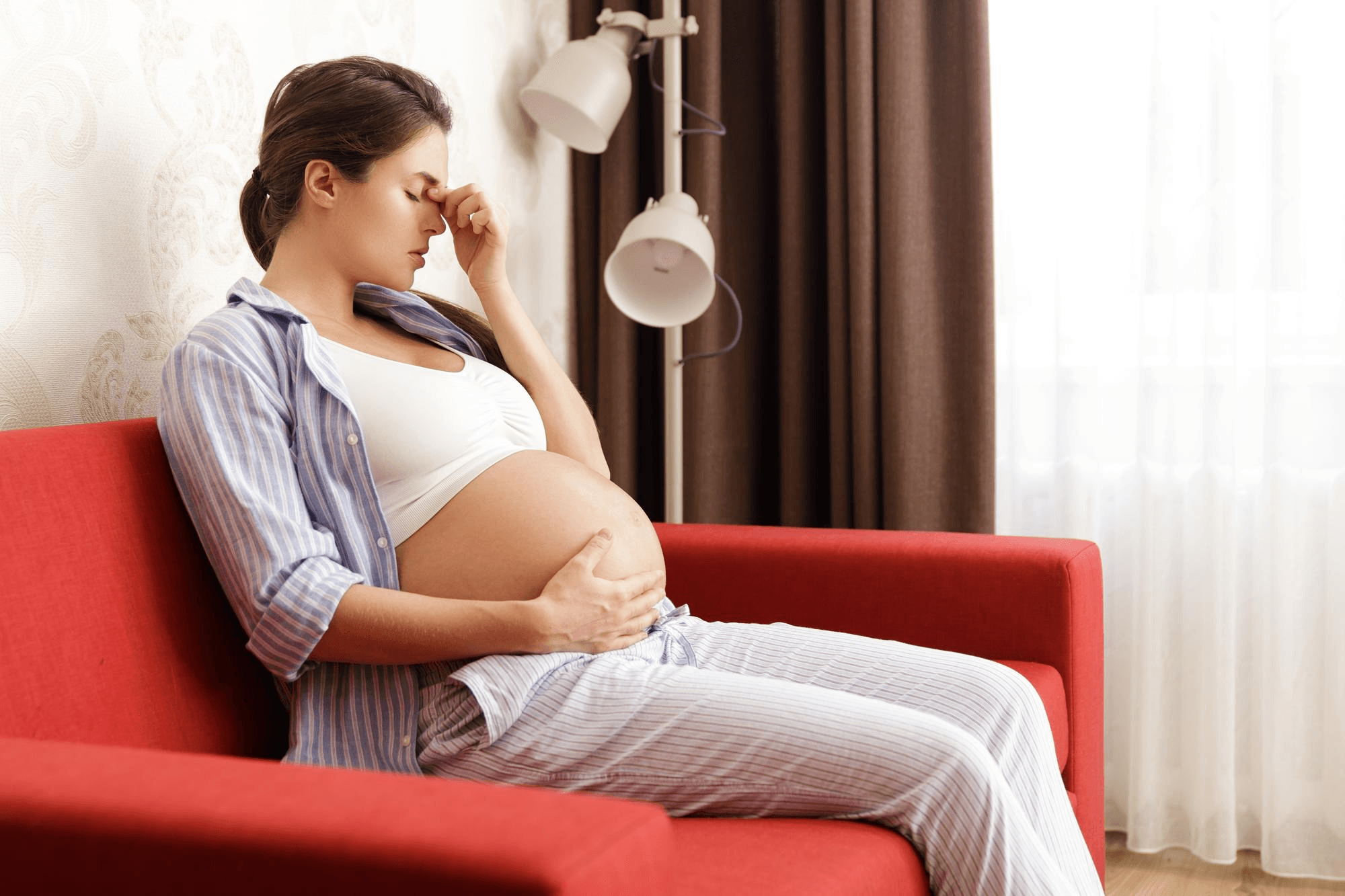
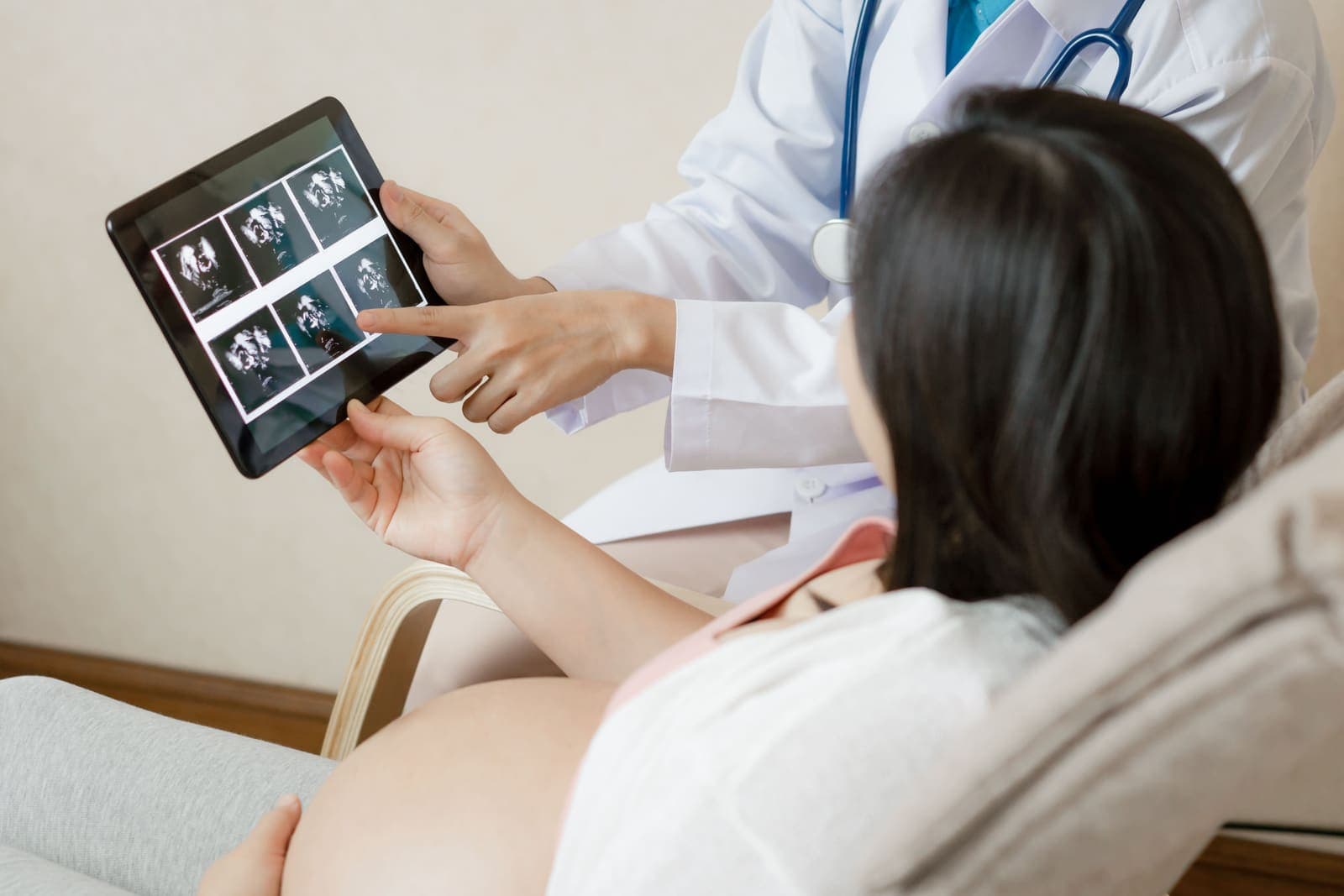
A fatigued pregnant woman rests on a couch as she tenderly holds her abdomen, an indication of her weakness and dizziness due to anemia during pregnancy.
Anemia during pregnancy is a common clinical disorder with a decrease in the concentration of hemoglobin in the body, which reduces the oxygen-carrying capacity of blood. It is the most prevalent disorder during pregnancy, especially in India, where almost 50–60% of pregnant women suffer from iron deficiency anemia (IDA), which may also be due to folate or vitamin B12 deficiency.
Symptoms include fatigue, weakness, pallor, breathlessness, etc. In chronic anemia, the risks include preterm delivery and low birth weight, as well as complications for the mother. A thorough evaluation for early detection and prompt treatment is critical.
What is Anemia During Pregnancy?
Pregnancy anemia occurs when a woman lacks sufficient red blood cells or hemoglobin to transport adequate oxygen to the body's tissues. The volume of blood within a woman’s body increases by almost 40-50% during pregnancy.
This thus demands significantly increased iron intake by the body, which makes pregnant women more prone to develop anemia and specifically iron deficiency anemia.
Different Types of Anemia in Pregnancy
1. Iron Deficiency Anemia
This is the most common cause of anemia in pregnancy, which is caused by the iron deficiency needed for hemoglobin formation and the subsequent fall in the oxygen-carrying capacity of blood. It causes the mother to experience tiredness, weakness, pallor, and even results in the birth of a premature baby with low birth weight.
2. Folic Acid Deficiency Anemia
This type of anemia is caused by a lack of folic acid in the diet of the mother. Folic acid is required for DNA formation and red blood cell synthesis, and its deficiency is considered to increase the risk of congenital abnormalities in the fetus( neural tube defects).
3. Vitamin B 12 Deficiency Anemia
This usually happens to strict vegetarian females because of a deficiency of vitamin B12 required for the formation of red blood cells and the normal neurological function of the body. It may affect the baby with developmental abnormalities.
4. Hemoglobinopathies (Thalassemias)
They are the hereditary abnormalities in which there is a defect in either the production or formation of the hemoglobin. Thalassemia causes moderate to severe anemia that needs intensive care in pregnancy, and also causes inherited defects. Genetic counseling for the couple and close monitoring are required in this pregnancy type.
Main Causes of Anemia in Pregnancy
1. Low Dietary Intake of Iron
Insufficient intake of foods that are rich in iron, such as green leafy vegetables, legumes,s and sources that are from animals, ls causes a depletion of iron stores. This occurs mainly in communities with limited diets.
2. Increased Iron Requirement During Pregnancy
An increase in blood volume by about 40-50% throughout pregnancy significantly increases the iron needs for fetal growth, placental development, and expanded red cell mass.
3. Pre-existing History of Heavy Menstrual Bleeding
Mothers who experienced menorrhagia before pregnancy will likely start pregnancy with low iron reserves.
4. Multiple Pregnancy (Twins/Multiples)
The requirement for nutrients and iron is higher when carrying twins or multiples.
5. Short Interpregnancy Interval
There is not enough time for a mother's iron reserves to replenish between pregnancies that are close together.
6. Folic Acid Deficiency and Vitamin B12 Deficiency
Red blood cell production and DNA synthesis are inhibited when these are deficient, causing anemia.
7. Existing Anemia or Chronic Illness
Conditions such as chronic infection, parasitic infestation,n or inherited blood disorders such as thalassemia can complicate anemia in pregnancy.
Anemia Symptoms in Pregnancy

Woman inspecting her hair loss on a hairbrush to indicate iron deficiency anemia in pregnancy, leading to the effects of this health issue.
The symptoms of anemia include:
- Continuous fatigue and general lack of energy.
- Pallor of skin, lips, and nailbeds.
- Dyspnea (shortness of breath), particularly on exercise.
- Palpitations (racing or irregular pulse).
- Headache and poor concentration.
- Cold extremities (hands and feet).
- Dry hair and hair loss, brittle nails.
- Central chest pain in very severe cases.
- Lack of ability to do exercise.
- Attacks of fainting or increasing breathlessness if anemia is very severe.
Treatment of Anemia in Pregnancy
1. Iron Supplementation
This is best done orally using ferrous sulfate or ferrous fumarate to replace the body's haemoglobin and iron stores.
It is best to take it one hour before meals, accompanied by vitamin C to aid absorption, avoiding milk, calcium-rich food, and other beverages with the tablet.
2. Folic Acid and Vitamin B12 Supplementation
Folic acid (400-800mcg/day) is vital for the production of red blood cells as well as the development of the foetus.
Vitamin B12 is important to be supplemented for vegetative mothers or on evidence of its deficiency.
3. Parenteral Iron Supplementation
Iron should be administered by parenteral route in case of moderate to severe anaemia or intolerance to oral iron supplementation. Example: Iron Sucrose.
4. Dietary Modifications
A balanced diet with iron-rich food, green leafy vegetables, legumes, jaggery, dates, eggs, and dry fruits helps in recovering from anaemia.
It should also contain vitamin C-rich foods and should exclude tea, coffee, and calcium at the same time as taking iron supplements.
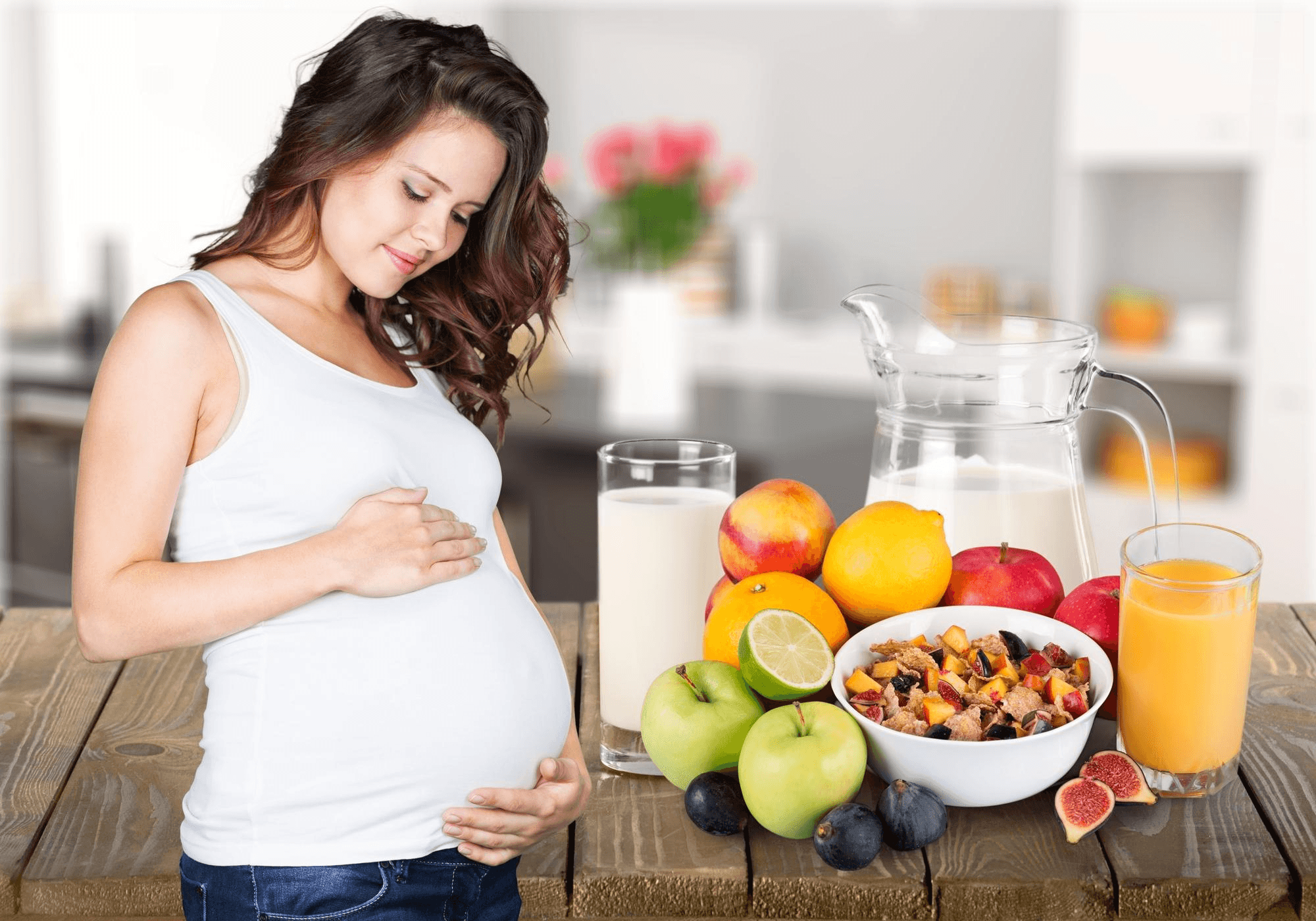
A woman pregnant with a child leans toward the viewer indoors and touches her abdomen in front of fruits, milk, milk cereal, and juice, a symbol of good nutrition during pregnancy.
Final Thoughts
Pregnancy anemia, while common, is a treatable and important complication that must be screened for and managed effectively. Through adequate nutrition, antenatal screening, and timely supplementation, the majority of cases can be successfully treated, leading to favorable outcomes for both mother and baby.
Education of mothers on the signs and symptoms and on treatment adherence can lead to the prevention of complications like premature labor and low birth weight. Antenatal screening and treatment for pregnancy anemia are central to a safe and healthy gestation.
Expert Care with Dr. Shachi Singh
For skilled diagnosis and management of pregnancy anemia, connect with Dr. Shachi Singh. As an experienced gynecologist, obstetrician, and laparoscopic surgeon with proven expertise in high-risk pregnancies, she provides meticulous care for women suffering from anemia. Her patient-centered practice is dedicated to the safe and successful delivery of mother and child.
Schedule your appointment today to benefit from Dr. Singh’s professional expertise in managing anemia during your pregnancy.
Frequently Asked Questions(FAQs)
1. Hemoglobin level 8.8 during pregnancy. Is it bad?
8.8 g/dl is indicative of moderate anemia in a pregnant woman. Hemoglobin level should ideally be around 11 g/dl. It is important to consult your doctor. Immediate treatment is necessary, in the form of supplements or iron injections, to avoid adverse effects, such as premature birth, low birth weight of the baby, or the mother's exhaustion/strain on the heart.
2. Is a 12 iron level low for a woman?
Hemoglobin level 12 g/dl can be considered normal in a non-pregnant woman, but in pregnancy, it should be at least 11 g/dl, or the patient is classified as anemic. Moreover, iron level also depends on serum ferritin.
Serum ferritin is a more accurate indicator of iron status and iron deficiency than Hemoglobin. It measures the iron stores.
3. When should I be concerned about anemia in pregnancy?
Any hemoglobin levels below 10 g/dl should be of concern to pregnant women, as should symptoms like severe fatigue, shortness of breath, dizziness, palpitations, and pallor (pale skin). When it is severe anemia (below 7 g/dl), this becomes a medical emergency and should not be treated at home. This leads to risks to the mother and the fetus. Poor outcomes can include intra-uterine growth restriction and fetal deaths.
4. How do you treat anemia during pregnancy?
Treatment will depend on the severity of the anemia and its cause. Generally includes dietary supplements of iron, vitamin B12, and folic acid, but in cases of moderate/severe anemia, intravenous administration of iron may be prescribed. Nutritional factors and blood checks will be essential.
5. Can you lose your baby from low iron?
Untreated, the complication of pregnancy anemia can lead to miscarriage, premature birth, low birth weight,t or the death of your baby. As even mild anemia is treatable, having critically low levels will have serious effects on the welfare of the unborn baby because it would not receive the optimal oxygen supply.