High Blood Pressure In Pregnancy: Types, Causes And Symptoms
By Dr. Shachi SinghUpdated
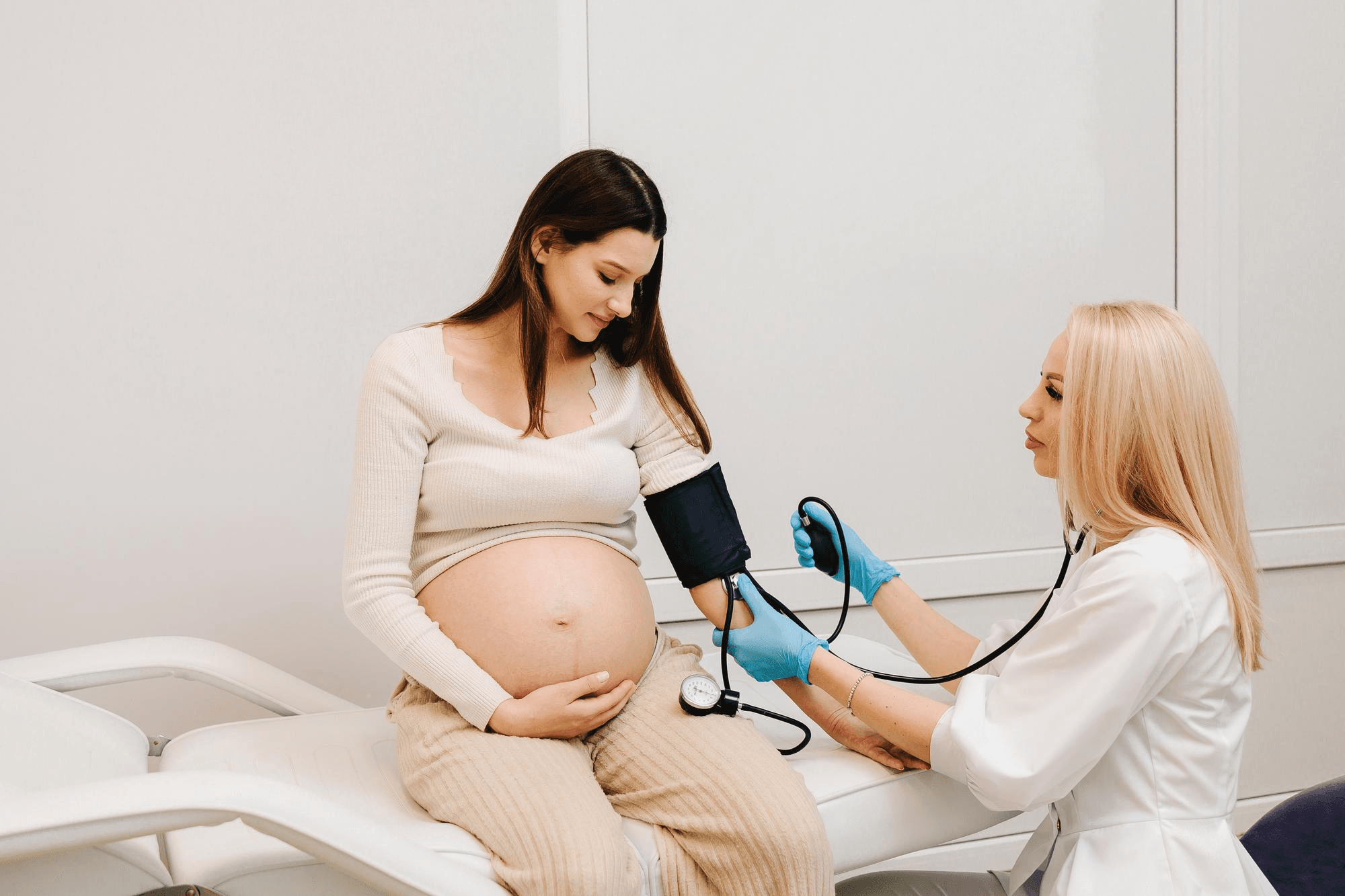
A pregnant woman rests on an examination bed as a doctor measures her blood pressure.
Pregnancy-induced hypertension, also termed hypertensive disorders of pregnancy, refers to a group of health disorders of pregnancy that may pose health risks for mothers and their unborn fetuses. Conditions falling under hypertensive disorders of pregnancy are Gestational hypertension, Preeclampsia, and Chronic Hypertension. The onset of these disorders may be attributed to factors such as pre-existing medical conditions, abnormal placentation, genetic traits, and lifestyle factors.
If left untreated, then the adverse impact of high blood pressure may have consequences of premature birth, retarded fetal growth, and organ damage. Regular monitoring, early detection, and timely medical attention are crucial for the well-being of the fetus.
What Is Meant By High Blood Pressure In Pregnancy?
High blood pressure in pregnancy means that when the woman's blood pressure is measured throughout pregnancy, the pressure of the blood against the artery walls is higher than the normal range. Blood pressure measures the way the blood flows through the arteries in the body, providing oxygen and nutrients, and how much force is being placed against the artery walls.
High blood pressure means the pressure is greater than it should be and is termed 'hypertension', and in pregnancy, this needs careful attention, as it can have adverse consequences on both the mother and the baby if the blood pressure cannot be maintained at the normal level, causing stress on the heart, potentially leading to problems during pregnancy.
Types Of High Blood Pressure In Pregnancy
1. Gestational Hypertension
This is when a woman's blood pressure rises over 20 weeks of pregnancy, who previously had normal blood pressure, with no traces of protein in the urine or organ damage. This is typically not serious and returns to normal after the birth, but it needs careful management in case it develops into a more serious problem and affects fetal growth.
2. Chronic Hypertension
Chronic hypertension is high blood pressure either before pregnancy or before 20 weeks of pregnancy and may extend beyond childbirth. It can have consequences such as placental insufficiency or could lead to the development of pre-eclampsia later.
3. Preeclampsia
Preeclampsia is defined by high blood pressure after mid-pregnancy with evidence of other organ damage, specifically the liver or kidneys, which is life-threatening if not handled properly, affecting both the mother and baby.
4. Eclampsia
Eclampsia is an advanced version of pre-eclampsia, accompanied by seizures, which is a life-threatening situation and requires immediate attention.
5. HELLP Syndrome
HELLP stands for Hemolysis (breakdown of red blood cells), Elevated Liver enzymes (indicating liver damage), and Low Platelet count (affecting blood clotting). This consists of dysfunction of the liver, alongside low platelet counts, which is a critical complication associated with pre-eclampsia or eclampsia.
Causes Of High Blood Pressure In Pregnancy
The causes of high blood pressure in pregnancy can involve physical, hormonal, and lifestyle factors.
1. Hormonal Factors
Significant hormonal changes occur in pregnancy, which can influence blood vessel activity, sometimes raising the blood pressure within the arteries.

A pregnant woman holds her head and a glass of water while nearby medication shows pregnancy hypertension due to hormonal changes.
2. Faulty Placental Development
If the placenta fails to develop or implant well in the uterus in early pregnancy, this may lead to a high blood pressure state such as pre-eclampsia.
3. Younger or Older Pregnancies And Multiple Pregnancies
Women in their first pregnancy or those pregnant with twins, triplets, or more are at increased risk due to a higher workload on the body.
4. Existing Medical Conditions
Pre-existing conditions such as long-term high blood pressure, diabetes, kidney disease, or obesity can raise your risk of high blood pressure in pregnancy.
5. Poor Lifestyle Factors
Excessive consumption of salt, unhealthy eating habits, lack of exercise, and high levels of stress can lead to an elevated blood pressure level.
6. Age And Genetics
Those less than twenty years old or more than thirty-five, and those with a family history of high blood pressure or pre-eclampsia are also at an increased risk.
Symptoms Of High Blood Pressure In Pregnancy
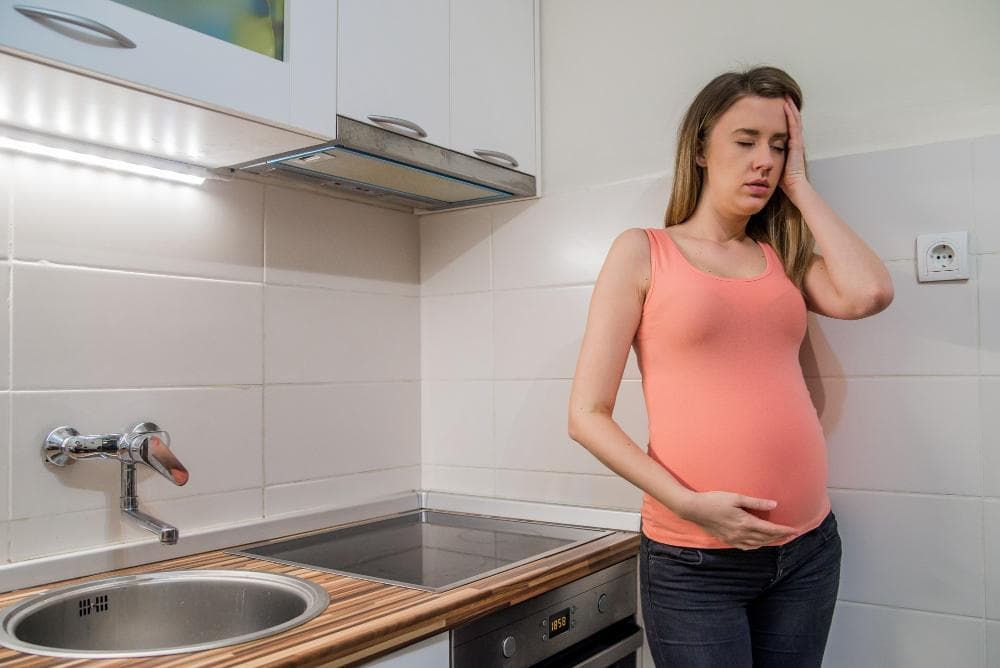
Hypertension during pregnancy is sometimes called a "silent killer", since it is largely symptomless. It is typically diagnosed during scheduled antenatal appointments. The problem is that when it progresses to preeclampsia, some symptoms may present.
Signs And Symptoms Include:
- Persistent headaches not relieved by rest or medication
- Facial or hand swelling (edema)
- Visual disturbance, such as flashing or spots in front of the eyes
- Right-upper abdominal pain
- Difficulty breathing or shortness of breath
- Nausea or vomiting in cases where it is more advanced
- Decreased urinary output
- Proteinuria (excessive amounts of protein in the urine)
When the condition advances significantly, there can be some critical complications,s including fits (eclampsia), overwhelming fatigue, rapid and easy bruising, and liver failure. These are more severe, and urgent attention is required.
When To Seek A Gynecologist’s Help?
It is crucial to seek prompt medical attention if you have high blood pressure during pregnancy, as this can result in some grave complications. Go to your gynecologist without a second delay if you develop sudden,n severe, continuous headache, blurred vision, face and hand swelling, sudden weight gain, and upper abdomen pain.
Other symptoms that must be attended to immediately are breathlessness, diminished urine output, nausea, and vomiting. While your scheduled prenatal checkups should not be skipped under any circumstances, unusual symptoms should never be ignored, even in between checkups.
Final Thoughts
High blood pressure during pregnancy is a serious medical condition that warrants ongoing observation and prompt treatment to avoid significant health consequences. Variations, including gestational hypertension, preeclampsia, and eclampsia, all present unique risks to the expectant mother and her unborn child.
Early detection through appropriate tests, identifying risk factors, and close monitoring of the condition during pregnancy can minimize any health complications. Once diagnosed, the blood pressure could be more easily controlled, leading to a safer pregnancy and a better outlook for the woman.
Most women can overcome the problem through good medical care, lifestyle changes, and greater awareness, thus ensuring a safer delivery and their future well-being.
Expert Care With Dr. Shachi Singh
Worried or experiencing symptoms related to pregnancy-induced high blood pressure? Do not delay and get in touch with the best, Dr Shachi Singh, who is an experienced senior consultant Gynaecologist & laproscopic surgeon having 15+ years of experience, catering compassionate & personalized services to the women in Noida and in the Delhi NCR region.
Book an appointment and get the diagnosis done with the correct treatment for a healthy pregnancy.
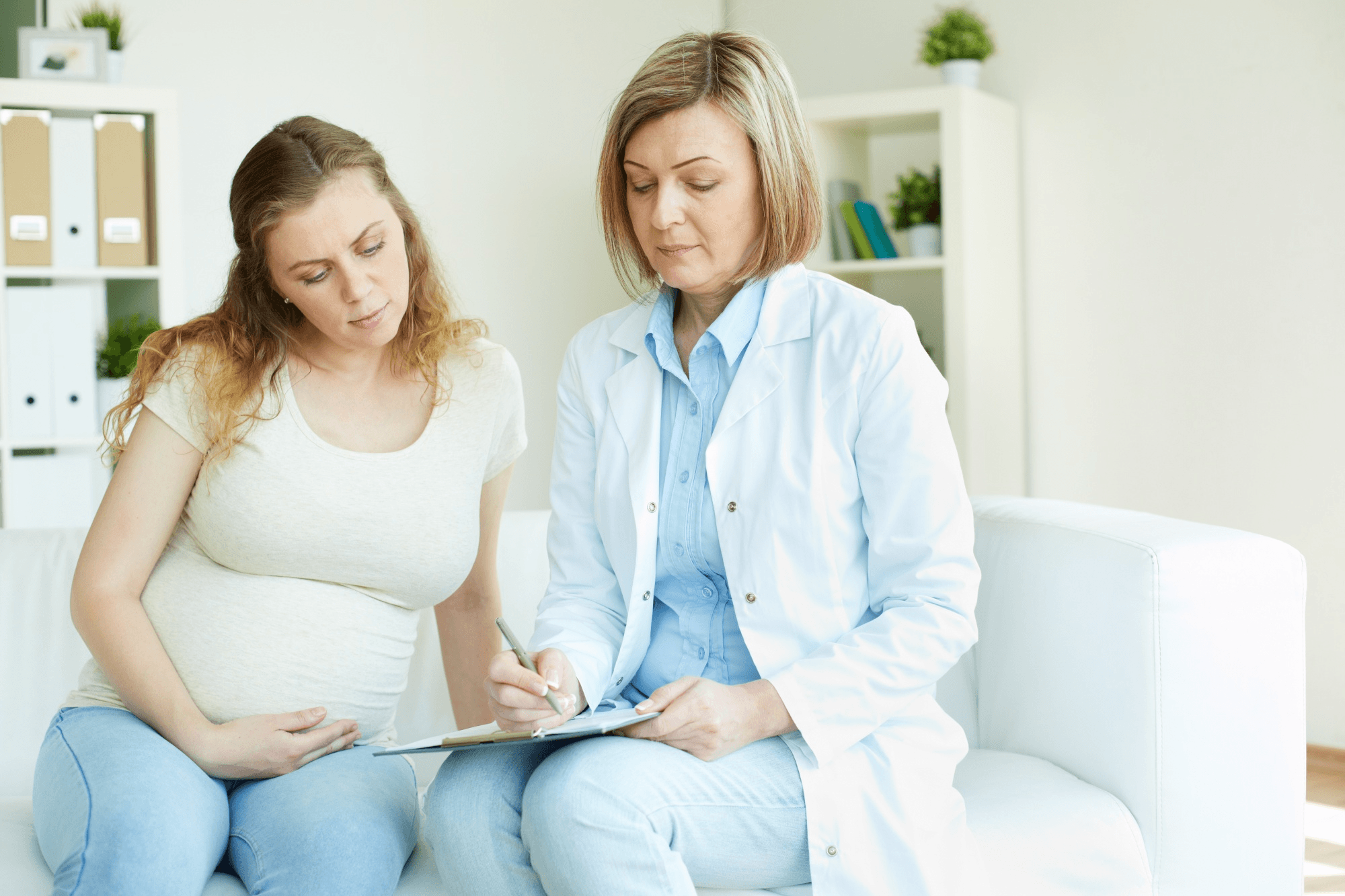
A pregnant woman sits beside a doctor, discussing issues while the doctor reviews the reports taken during an in-clinic session.
Frequently Asked Questions(FAQs)
1. What is the cause of high blood pressure during pregnancy?
Pregnancy is caused by a combination of factors such as the changes in hormones that occur during pregnancy, problems with development of the placenta, obesity, stress, high levels of anxiety, and carrying more than one fetus, as well as high maternal age, existing medical problems such as high blood pressure, diabetes or renal illness, and history of medical disorders of high blood pressure and kidney health that is prevalent in the family history.
2. How to lower my blood pressure in pregnancy?
A balanced, healthy diet, lower intake of salt, maintain exercise as advised, managing stress, regularly undergo the antenatal examination and test, taking medication as directed, and monitoring their BP frequently under a doctor’s supervision.
3. What occurs if the BP is 140/90 in pregnancy?
A BP level that shows a reading of 140/90 mmHg denotes that the mother is suffering from high BP during the term of her pregnancy and therefore, her BP will need to be continuously monitored, and tests for pre-eclampsia performed, together with lifestyle adjustments and possibly medications prescribed to protect both the mother and child.
4. What is the cause of increased blood pressure in pregnancy?
Factors include abnormal placental growth, abnormal hormonal level changes in the body, genetic factors, underlying medical disorders, excessive obesity, or lifestyle choices. Factors that impede flow through the vessels can lead to high BP levels.
5. Can the mother’s high BP be harmful to the baby?
Yes, it can impede flow to the placenta, causing poor fetal growth, premature labor, low birth weight, or problems such as placental abruption that would negatively impact the baby’s development and health.