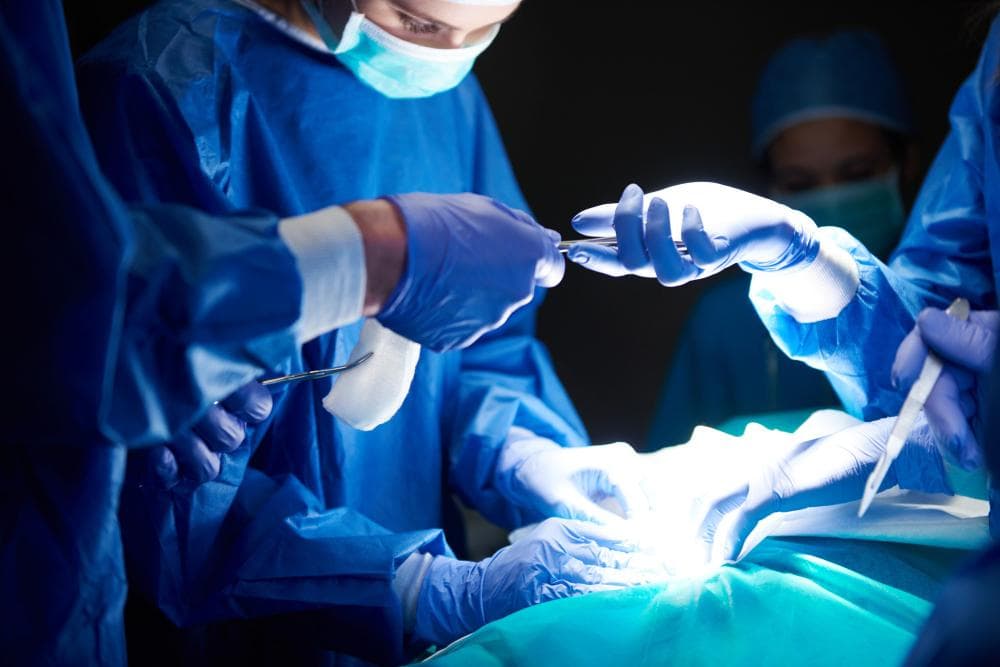
Advanced Minimally Invasive Surgery for Uterine Conditions
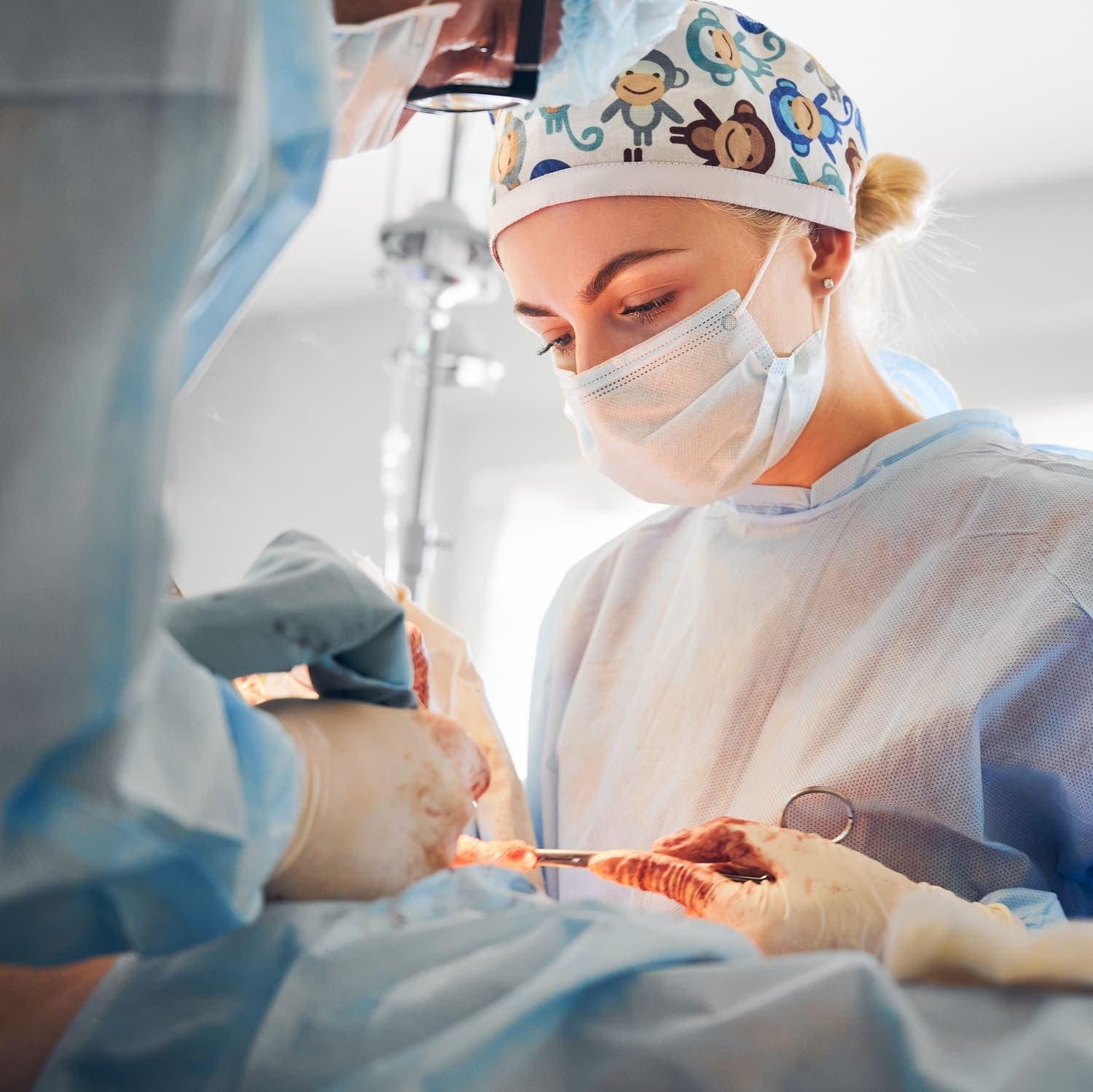
Laparoscopic hysterectomy surgery is an advanced minimally invasive procedure used to remove the uterus through small incisions using specialized surgical instruments. This modern surgical technique offers greater precision, minimal scarring, and significantly reduced post-operative pain compared to open surgery.
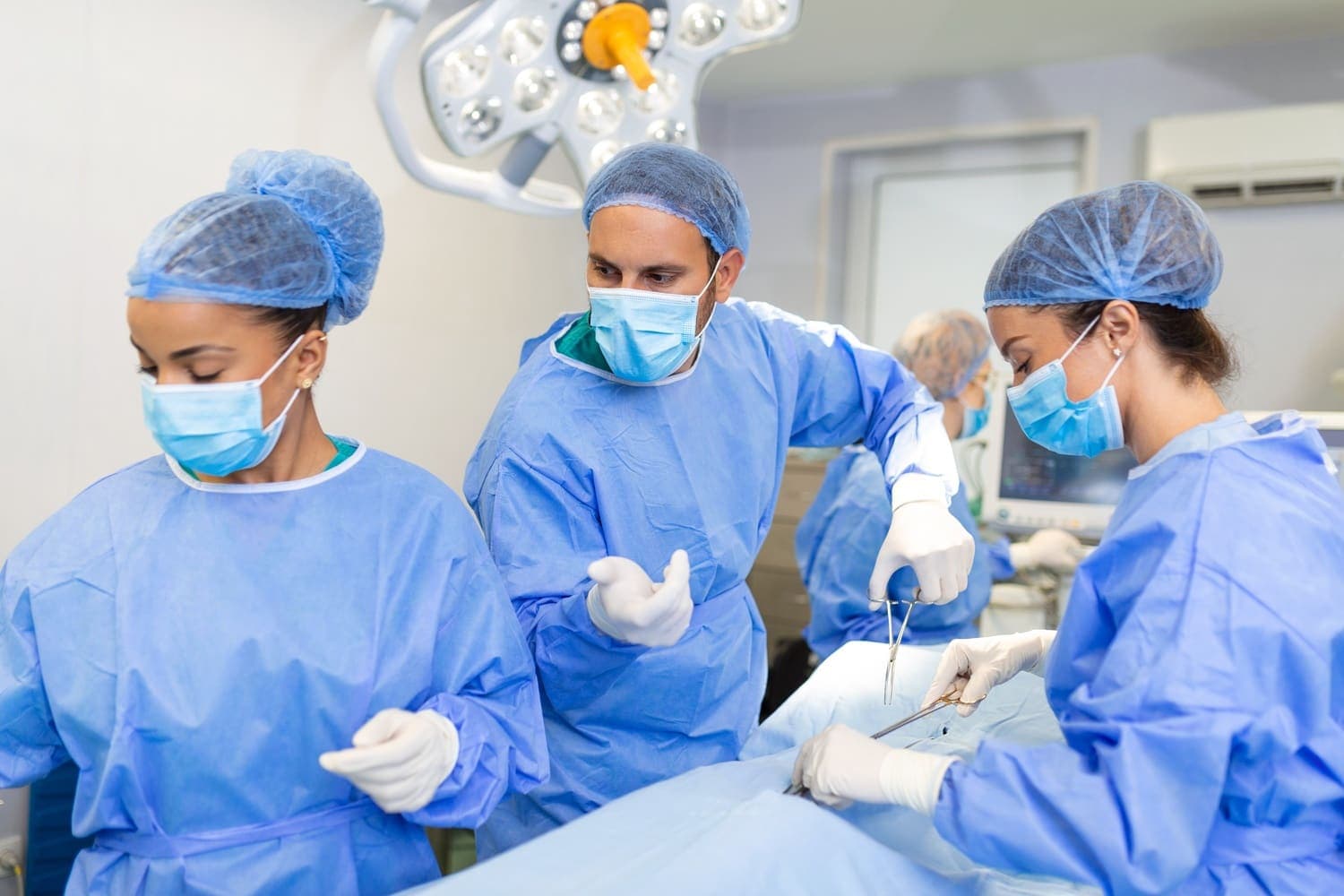
When Is Laparoscopic Hysterectomy Recommended
This procedure is recommended when medical or conservative treatments are no longer effective in managing gynecological conditions. Laparoscopic hysterectomy allows for better visualization of pelvic organs, ensuring accurate treatment while protecting surrounding tissues and organs.
Faster Recovery and Improved Surgical Outcomes
Patients benefit from shorter hospital stays, quicker recovery, and faster return to daily activities. As a preferred option in modern gynecological surgery in Noida, laparoscopic hysterectomy provides both safety and improved surgical outcomes when clinically indicated.
Types of Hysterectomy: Total, Subtotal and Radical
A total hysterectomy involves the removal of the uterus and cervix and is the most commonly performed type. A subtotal or partial hysterectomy removes the body of the uterus while leaving the cervix in place, which may be considered in specific circumstances where cervical preservation is clinically appropriate. A radical hysterectomy, which also removes the upper vagina, parametrial tissue and pelvic lymph nodes, is reserved for cases of cervical or uterine cancer requiring more extensive surgical clearance.
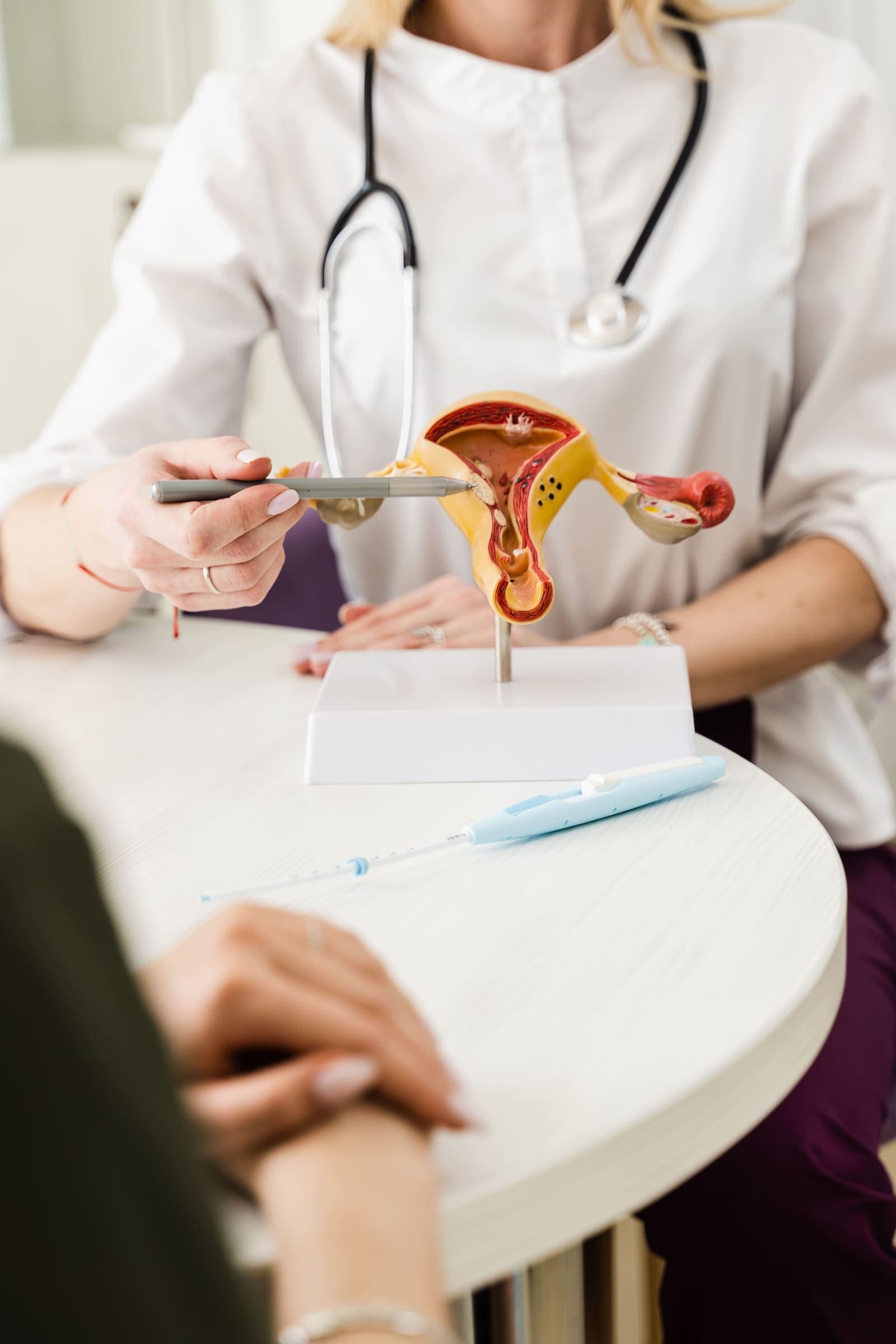
In laparoscopic hysterectomy, the ovaries may be preserved or removed depending on the underlying indication, the patient's age and menopausal status. Preserving the ovaries in premenopausal women avoids surgical menopause and protects hormonal and bone health, whereas removing them may be appropriate if there is significant ovarian pathology or a high risk of ovarian cancer. Dr. Shachi Singh discusses the specific type of hysterectomy most appropriate for each patient in Noida and explains the implications of each approach in detail before obtaining consent.
The choice between total, subtotal and radical hysterectomy is guided by the underlying diagnosis, the extent of disease and the individual patient's circumstances. Not every woman requires the same procedure, and the surgical plan is always individualised. A thorough pre-operative assessment ensures that the right operation is planned for each patient.
Pre-operative Preparation for Laparoscopic Hysterectomy
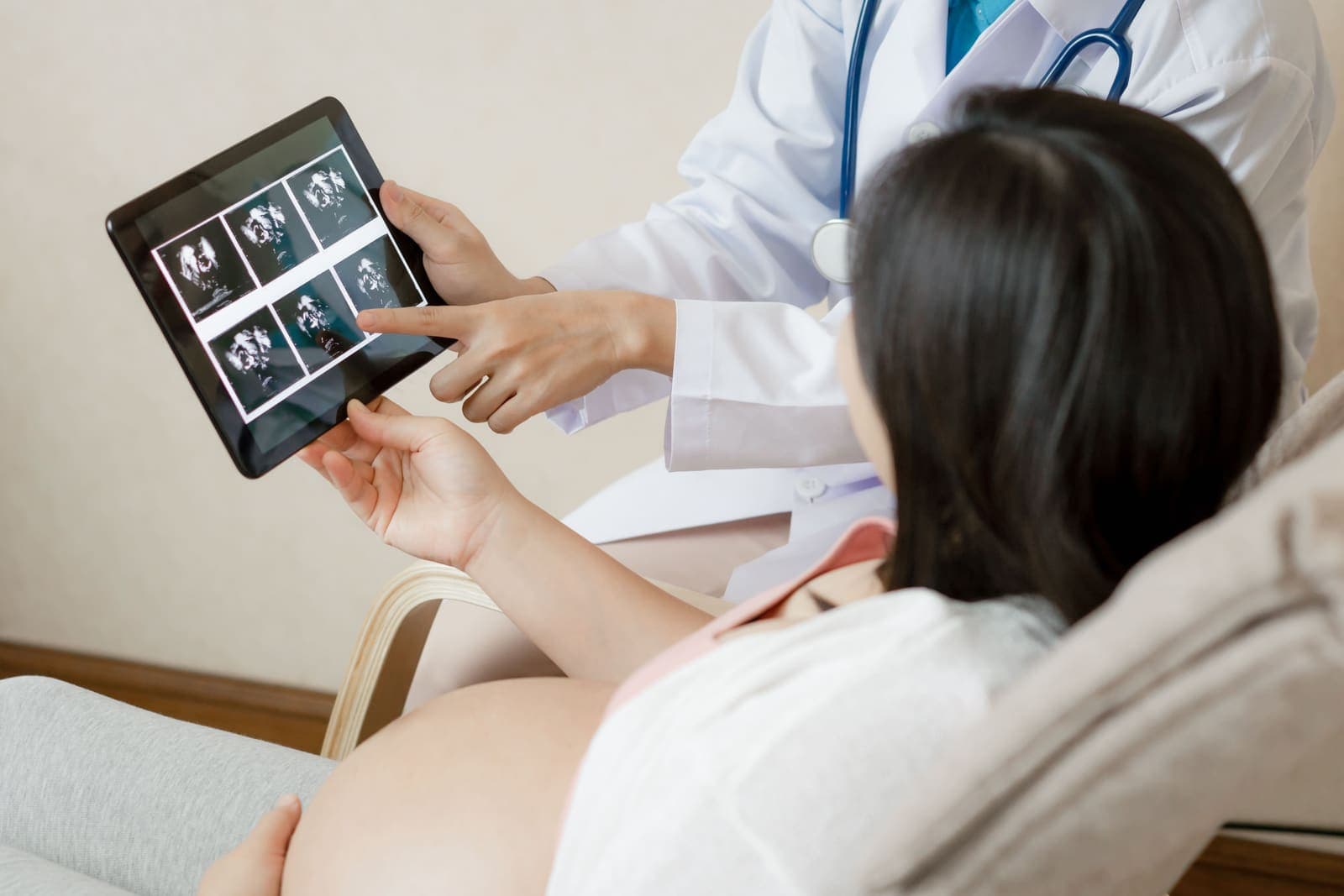
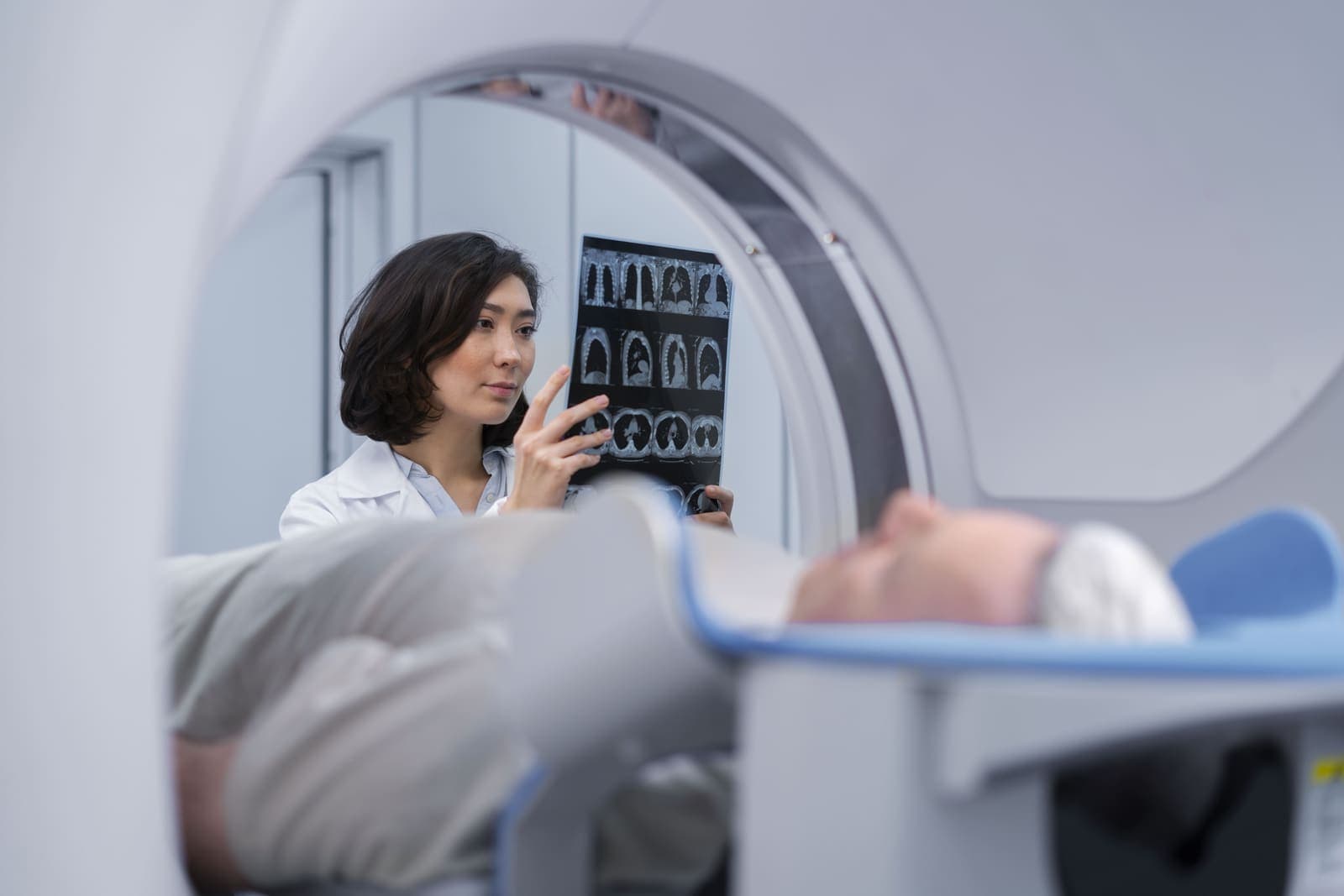
Preparation for laparoscopic hysterectomy begins with a pre-operative assessment that includes a full blood count, coagulation studies, kidney and liver function tests, blood group and crossmatch, and an ECG for patients over a certain age or with cardiac risk factors. Relevant imaging such as pelvic ultrasound or MRI may be obtained beforehand to aid surgical planning, and any existing medical conditions such as diabetes, hypertension or anaemia are optimised prior to the procedure.
A consultation with the anaesthetist is arranged to assess fitness for general anaesthesia, review medications and discuss anaesthetic options. Patients are instructed to fast from solid food for six hours and clear fluids for two hours before surgery, and certain medications such as blood thinners may need to be adjusted in the days preceding the procedure. Written informed consent is obtained after a thorough discussion of the procedure, its benefits, risks and alternatives.
Dr. Shachi Singh ensures that every patient undergoing laparoscopic hysterectomy in Noida feels fully prepared and confident before the day of surgery. Pre-operative education covering what to expect on the day, how to manage recovery at home and when to seek medical attention is provided, along with answers to any questions the patient may have.
Post-operative Recovery: Hospital Stay and Return to Activities
Most patients stay in hospital for one to two nights following laparoscopic hysterectomy. During this time, pain is managed with appropriate analgesia, the wound sites are monitored, oral feeding is resumed once tolerated, and the patient is encouraged to mobilise gently as soon as she feels able. A urinary catheter placed during surgery is typically removed within 24 hours.
During the first week at home, rest is important and most patients experience mild soreness at the port sites, some bloating and fatigue. Light walking is encouraged from the first day, but strenuous activity, heavy lifting and driving should be avoided for at least two to three weeks. Most women can manage personal care and light household tasks within the first week if they are feeling well enough.
By weeks three and four, the majority of patients feel significantly better and can resume most normal daily activities. Return to desk-based work is possible within two to three weeks for many patients, while physically demanding jobs may require a longer period of recovery. Dr. Shachi Singh provides specific guidance on activity restrictions and schedules a post-operative review appointment in Noida to assess healing and address any concerns.
Condition Treated
Laparoscopic hysterectomy is indicated for a range of benign uterine conditions including fibroids causing heavy bleeding or pressure symptoms, adenomyosis, chronic pelvic pain unresponsive to medical treatment, and abnormal uterine bleeding that has not improved with conservative management. Uterine prolapse causing significant discomfort or functional difficulty is another important indication for this procedure. Dr. Shachi Singh in Noida carefully evaluates each patient to confirm that hysterectomy is the most appropriate and necessary treatment before proceeding.