First Trimester Care: What Every Pregnant Woman Should Know
By Dr. Shachi SinghUpdated

A woman holds up photos of early pregnancy ultrasound scans and smiles, enjoying the relaxed atmosphere at home.
Preparing for an Anticipated Life in the Nursery is the first of a series about preparing for pregnancy to full-term fetal development. This chapter will give women a comprehensive guide to this important and often transformative first stage of pregnancy. Taking precautions with care, diet, and habits during these early weeks can be integral to the overall healthy experience and the well-being of the mother and her developing baby.
Awareness is vital to address common problems and issues to help prevent harm and to prepare for upcoming doctor’s appointments and for important prenatal habits. This stage involves many bodily changes from sickness to the need for certain vitamins and taking good care of the body, as well as taking care of the mother's emotional health. Having the knowledge to support this vital and often sensitive stage is the first step toward a healthy pregnancy.
What Is Meant By First Trimester Of Pregnancy?
The first trimester is the first phase of pregnancy, extending from week one through the end of week 13. Conception technically occurs from week one (the start of your last menstrual period), as this is how your doctor will date your pregnancy and calculate your estimated delivery date.
By the end of your first trimester, your fertilised egg will have developed into a fetus, complete with vital organs and body systems in the very early stages of development. Even though many women are not aware of their pregnancy until they are already about 4 weeks pregnant, essential development will have already begun.
The first trimester is a very important part of the pregnancy, and as such requires appropriate care, nutrition, and attention.
Importance Of Extra Care In The First Trimester Of Pregnancy
Your baby’s long-term health will depend significantly on the first trimester. Over this crucial period, the development of some essential organs (brain, spinal cord, heart) begins and will have important implications in later development. Lifestyle habits made during this early period can even affect your baby’s health later in life.
- Crucial weeks for the development of major organs and systems
- Heightened requirement for specific nutrients (e.g., folate and iron)
- Increased susceptibility to infections, toxins and medications
- Regular prenatal visits are vital to identify potential risks or complications
- Laying healthy habits beneficial to both the mother and the baby during pregnancy
Focusing on a nutritious diet, plenty of rest, and early and regular medical care can contribute positively to a safe pregnancy and ensure a healthy start for your baby.
Common Symptoms In The First Trimester Of Pregnancy
The first trimester brings with it the physical and emotional experiences that signal a woman's pregnancy. Hormonal shifts and surges, particularly of progesterone, are responsible for the many signs a woman feels in her early pregnancy.
1. Physical Symptoms
Breast discomfort, most women will find their breasts to be more tender and so, they will grow in size. The area around the nipple will also become darker, and veins might show through the skin due to an increased blood flow to the breasts.
2. Nausea/Morning sickness
This occurs with some women in the early part of pregnancy and affects the digestive system, although it is commonly experienced at any time of day, hence 'morning sickness' is not always accurate. Small, bland meals should ease the feeling. Incorporating foods with ginger is also thought to be beneficial.
3. Mood Swings
The surges and dips in hormones will cause many women to swing rapidly between happy and content, to upset and weepy, or feeling anxious and stressed. This is a typical sign in early pregnancy.
4. Tiredness Or Fatigue
Extreme tiredness is prevalent in the early stages as the body uses its resources to keep the developing baby growing healthy and strong, and needs a good amount of rest.
5. Increased Urination
With an increase in pressure being exerted on the bladder from the ever-growing uterus, the female will notice she needs to use the loo more regularly.
6. Skin Or Other Physical Changes
This might include greasy skin/breakouts and possible breathlessness or an increase in heart rate due to the increased flow of blood through the woman's body.

A pregnant woman yawns while sitting at her desk at work, feeling exhausted in her first trimester.
Critical Tests in First Trimester Pregnancy
The first trimester is critical for ensuring the mother's and the fetus's good health, and also a critical part of assessing any risks associated with the pregnancy.
1. First Prenatal Assessment
You may get your medical history, gynaecological history and family history reviewed at this first check-up. Along with that, your date of delivery will be estimated,d and your general health condition will be checked by the doctor.
2. Physical And Pelvic Examination
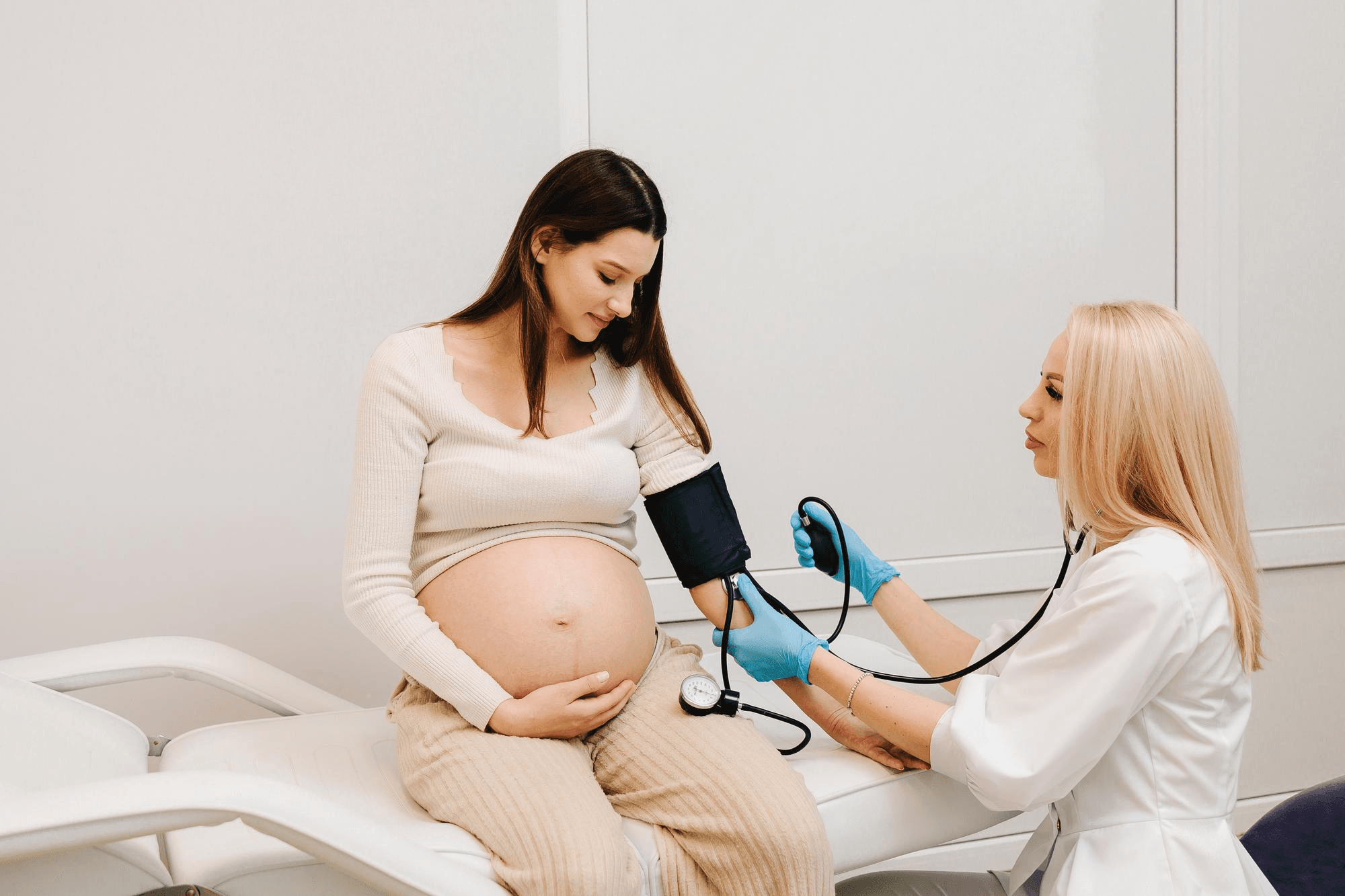
As part of the standard checkups, your weight and blood pressure will be checked. A pelvic exam may be done, including a Pap test (if due), to check for any abnormalities.
3. Blood and Urine tests
The blood test will determine hormone levels, blood group and RH factor. It is also used to screen for iron deficiency and some infections. Urine tests help check the urine for infection and the presence of sugar or proteins.
4. Ultrasound Scan
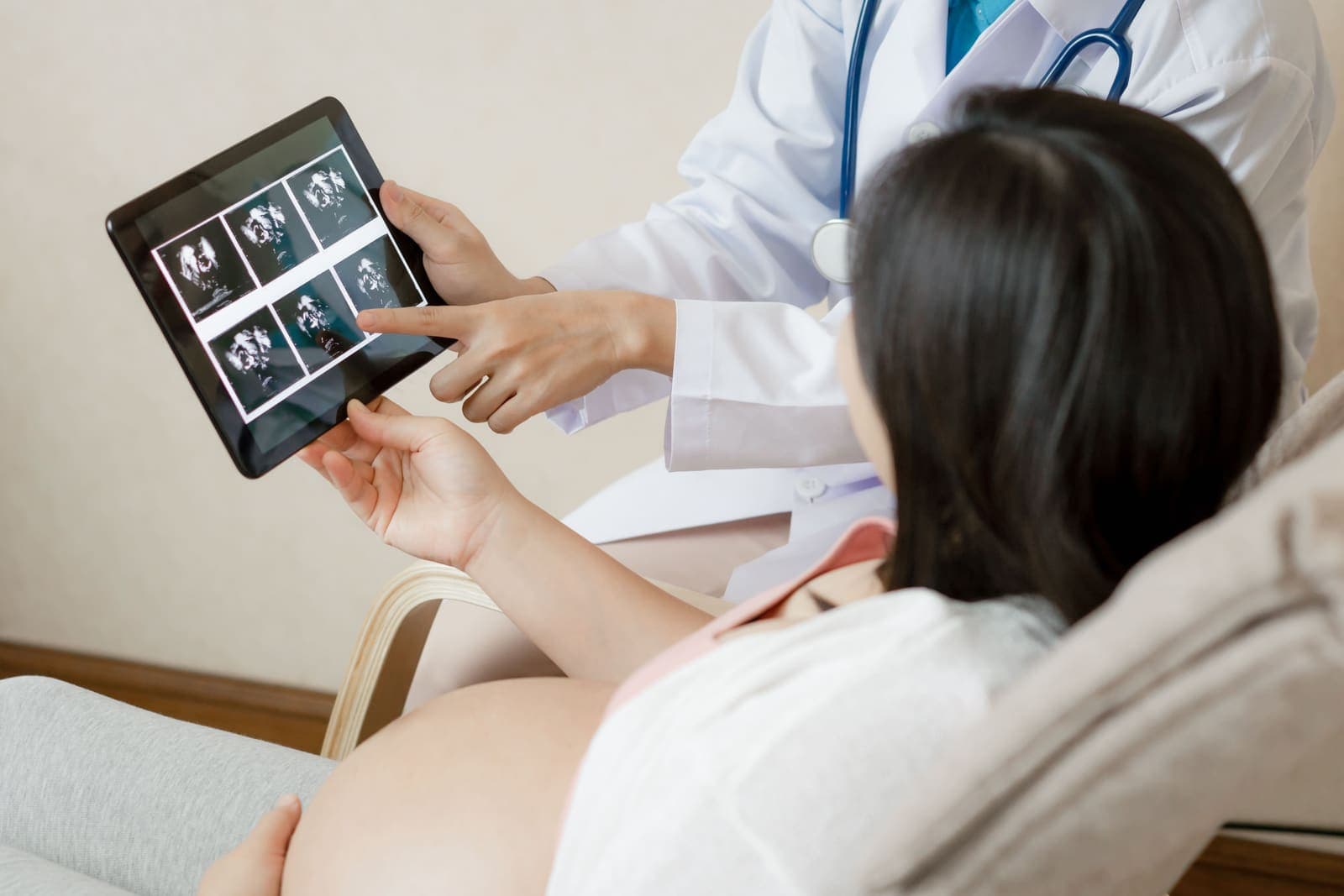
The first ultrasound, typically performed transvaginally, confirms the pregnancy, examines the baby’s heart rate and measures fetal growth or looks for multiple babies.
5. Screening Tests
You might be recommended certain tests to determine the risk of certain conditions in the baby, such as chromosomal problems, including Down syndrome. If a high risk is identified, further tests would be recommended.
Dos In First-Trimester Pregnancy Care
1. Prenatal Vitamin Supplements
Include folic acid and iron in daily intake as it helps the baby's brain and spinal Cord development.
2. Nutritious Food Intake
Include a mixture of fruits, vegetables, whole grains, lean meats and milk for a balanced diet and adequate nutrition for your baby and body.
3. Stay Hydrated
Drink 8-10 glasses of water to stay hydrated and facilitate the digestion of the intake.
4. Enough Rest
Get proper rest for at least 7-8 hours to cope with the fatigue and hormonal changes.
5. Moderate Exercise
Do not exert yourself and engage in activities such as walking or Prenatal Yoga to maintain your body's circulation and manage stress.
6. Regular Checkups
Get yourself regularly checked by your physician at proper intervals to keep track of your body and the baby's growth.
Don’ts In First-Trimester Pregnancy Care
- Do not forget vitamins: Prenatal supplements may prevent certain nutritional deficiencies and complications.
- Do not eat unsafe food: This is for the prevention of infections. Hence, avoid raw, undercooked and unpasteurized foods.
- Do not take alcohol and smoke: This affects the development of the foetus adversely.
- Do not drink too much tea or coffee: Limit your caffeine intake as tea and coffee contain caffeine.
- Do not take too much physical strain: Do not lift heavy weights or put too much physical stress on yourself.
- Do not skip appointments with the doctor: This may delay the detection of certain complications.
When To See The Doctor In The First Trimester?
- Significant or persistent cramping and pain that will not go away.
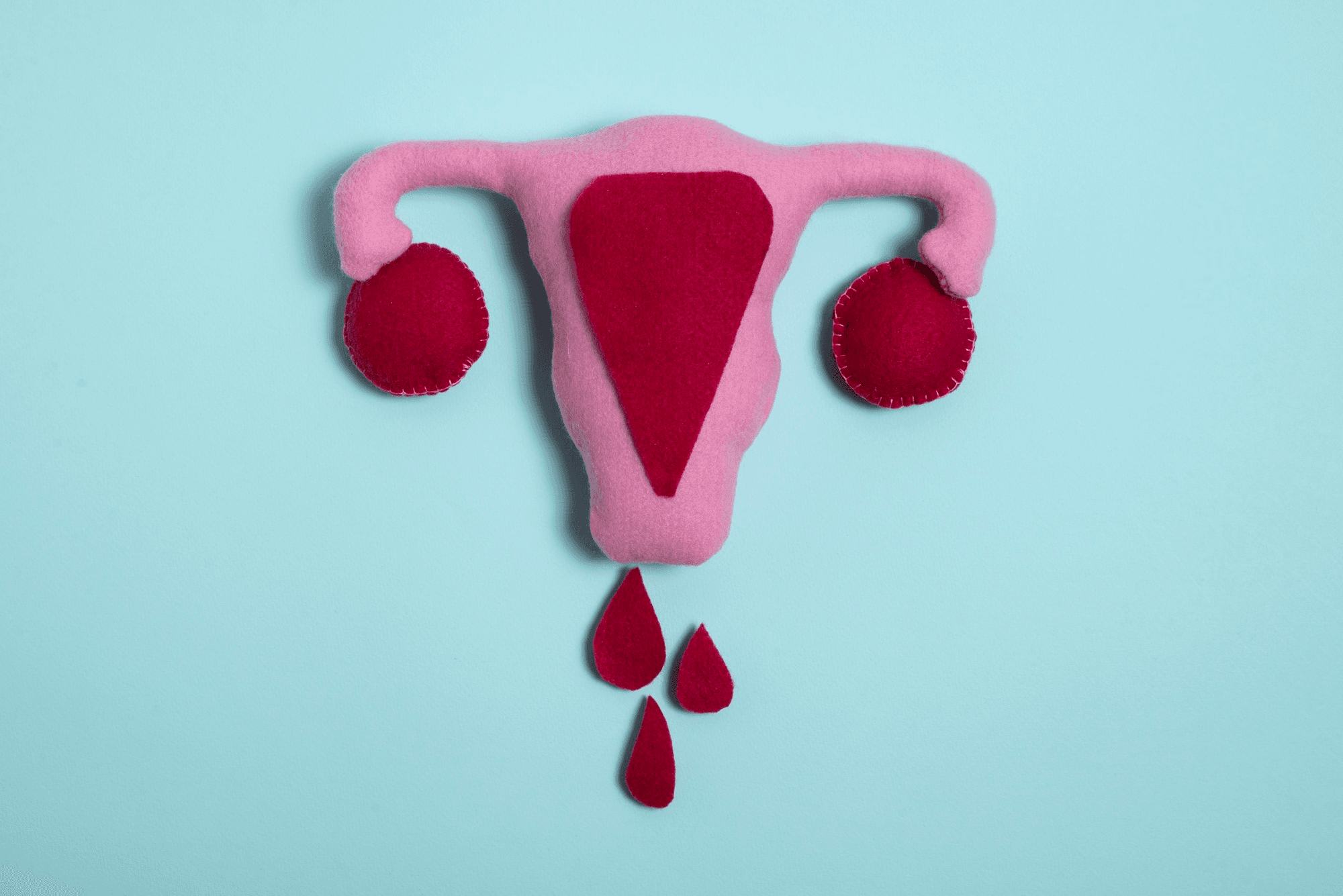
- Heavy vaginal bleeding and/or clots that are tight mean a problem with the pregnancy.
- Non-stop vomiting to the point where you get dehydrated and cannot keep down food and water.
- Fever with chills, which could mean an infection.
- Fainting spells or loss of consciousness.
- Difficulty urinating with painful stinging burning sensation,s which can mean you are developing a urinary infection.
- Swollen face or hands with an extreme headache.
- Symptoms of pregnancy decrease or become absent after they are confirmed.
- You encounter any infections, toxins or medications that you should have sought advice on previously.
The sooner you receive medical care, the sooner diagnosis and treatment can be carried out to avoid significant problems arising for mother and baby.
Expert Care With Dr Shachi Singh
Dr Shachi Singh is a senior gynaecologist consultant in Noida, having 15 years of extensive experience in the field of women's health care. She is recognised for her precision and compassion while taking care of difficult pregnancies, fertility problems and carrying out minimal invasive surgeries.
People of Noida and Delhi NCR rely upon her for patient-friendly pregnancy care, performing complex laparoscopic and hysteroscopy procedures as well as women’s healthcare solutions. She guides expecting mothers through each stage, right from the preliminary prenatal phase through safe delivery. To experience the care you desire at this crucial phase, book an appointment.
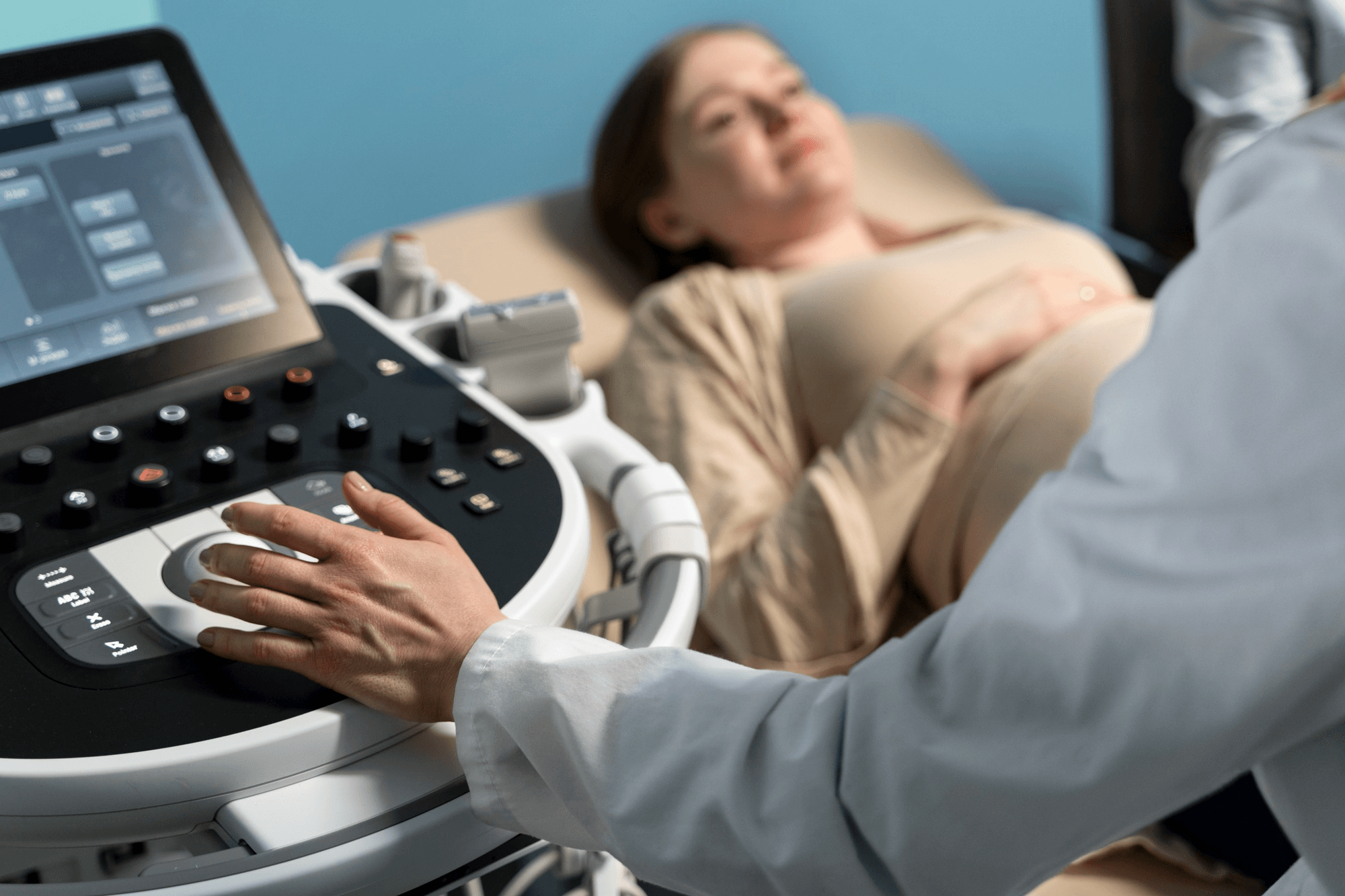
During a routine early pregnancy check-up, a doctor performs an ultrasound examination to evaluate the progress of the fetus.
Frequently Asked Questions (FAQs)
1. Is bleeding normal during the first trimester?
There might be light spotting due to implantation or due to being sensitive down there. Large blood clots or blood and pain can indicate a miscarriage or ectopic pregnancy, so seek immediate medical advice.
2. Is exercising safe during the first trimester?
If the pregnancy is healthy, then it's generally safe to engage in some form of exercise, as it helps with circulation, reduces fatigue, and generally keeps your health. Walking, pregnancy yoga, or simply doing stretches are good types of exercise; however, avoid risky or high-impact sports and consult your physician first.
3. How much rest does the first trimester of pregnancy require?
There's no specific measure of how much rest is needed, but definitely, adequate rest is. Mostly, it will be from 7-9 hours of sleep at night with a few naps in between, as you'll be really fatigued due to the hormonal changes.
4. Can stress cause an effect on the first trimester of pregnancy?
The high levels of stress do indeed affect the pregnancy by disturbing the hormonal balances and overall state. Chronic stress could have some side effects as well, such as sleep disturbances, anxiety or blood pressure alterations.