Why Regular Gynecological Examinations Are Essential for Women’s Health
Gynaecological examinations are essential for maintaining reproductive and overall women’s health at every stage of life. Regular check-ups help assess the condition of the uterus, ovaries, cervix, and vaginal health, allowing early identification of potential concerns. At a trusted women’s healthcare clinic in Noida, these examinations form the foundation of preventive and diagnostic care.

Early Detection of Infections, Hormonal Imbalances and Menstrual Irregularities
Routine gynecological exams are especially important for early detection of infections, hormonal imbalances, menstrual irregularities, and structural abnormalities. Many gynecological conditions may not show noticeable symptoms in the early stages, making regular examinations crucial for timely medical intervention and long-term wellness.
A Safe and Confidential Environment for Every Patient
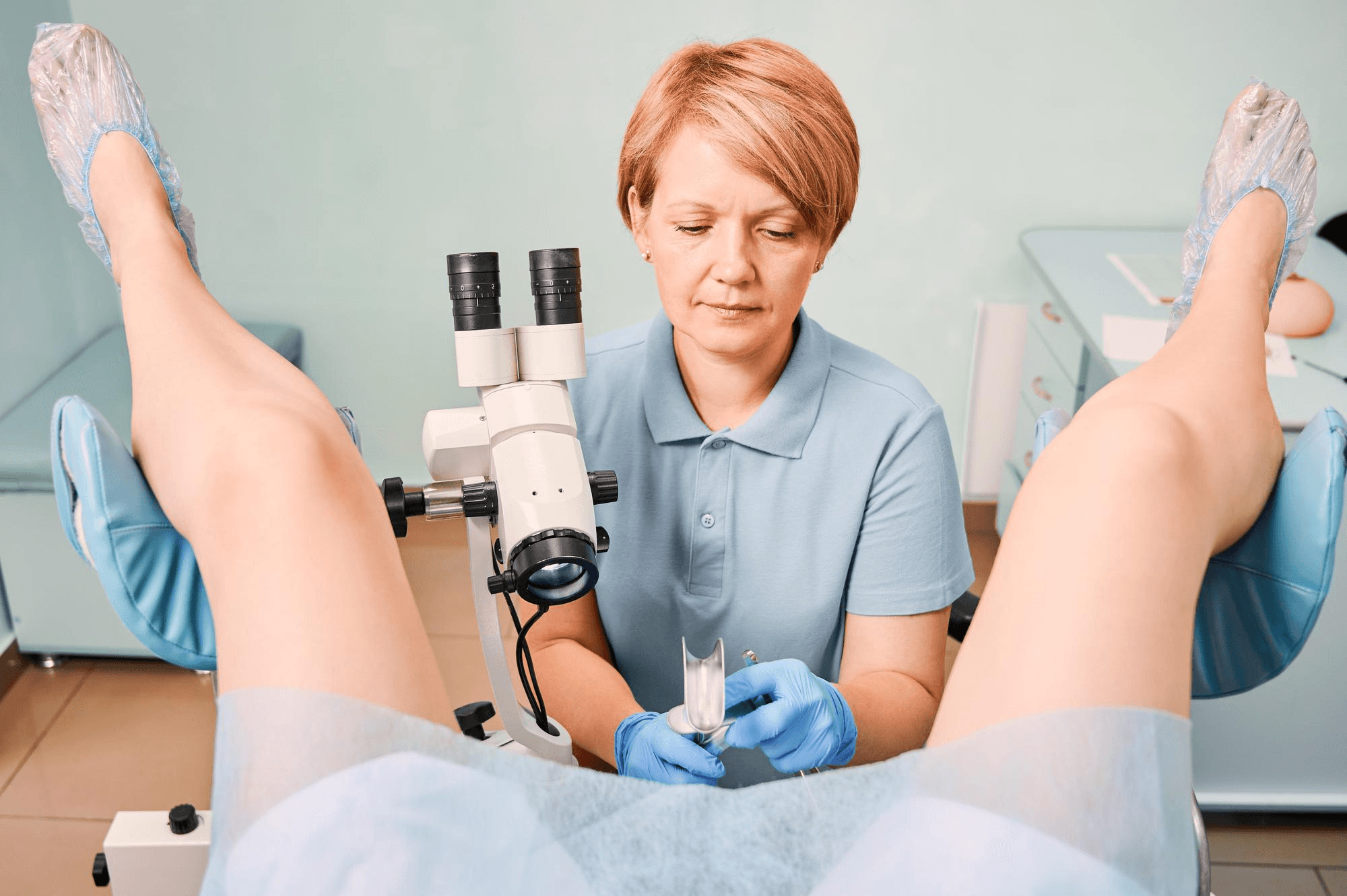
Each examination is conducted in a safe, respectful, and confidential environment, with a strong focus on patient comfort. Clear communication ensures that patients understand the purpose of the examination and feel confident about their health decisions.
How to Prepare for Your Gynecological Examination
Preparing for a gynecological examination is straightforward and does not require any special preparation in most cases. It is advisable to schedule the appointment at a time when you are not menstruating if a Pap smear is planned, as blood can affect the accuracy of the cervical sample. Patients should avoid using vaginal creams, douches or lubricants for at least 24 hours before the appointment.
It is helpful to note down any symptoms or concerns you wish to discuss, including the dates and characteristics of your last few menstrual cycles, any pain, discharge or changes you have noticed. Bringing a list of current medications and any previous relevant investigation results is also useful for the doctor reviewing your history. There is no need to feel anxious, as Dr. Shachi Singh ensures that every patient in Noida is put at ease and fully informed throughout the process.
Pap Smear: What It Detects, How Often and What to Expect
The Pap smear is a simple test that collects a small sample of cells from the surface of the cervix using a soft brush or spatula. These cells are sent to a laboratory where they are examined under a microscope to detect any abnormal changes, including precancerous or cancerous cells. The test can identify changes at a very early stage, often years before cancer could develop, making it one of the most effective cancer prevention tools available.
Current guidelines recommend that Pap smear screening begin at age 21 and be repeated every three years in women with normal results. Women aged 30 and above may have a Pap smear combined with HPV co-testing every five years if both results are normal. Dr. Shachi Singh discusses the appropriate screening interval with each patient in Noida based on their age, history and previous results.
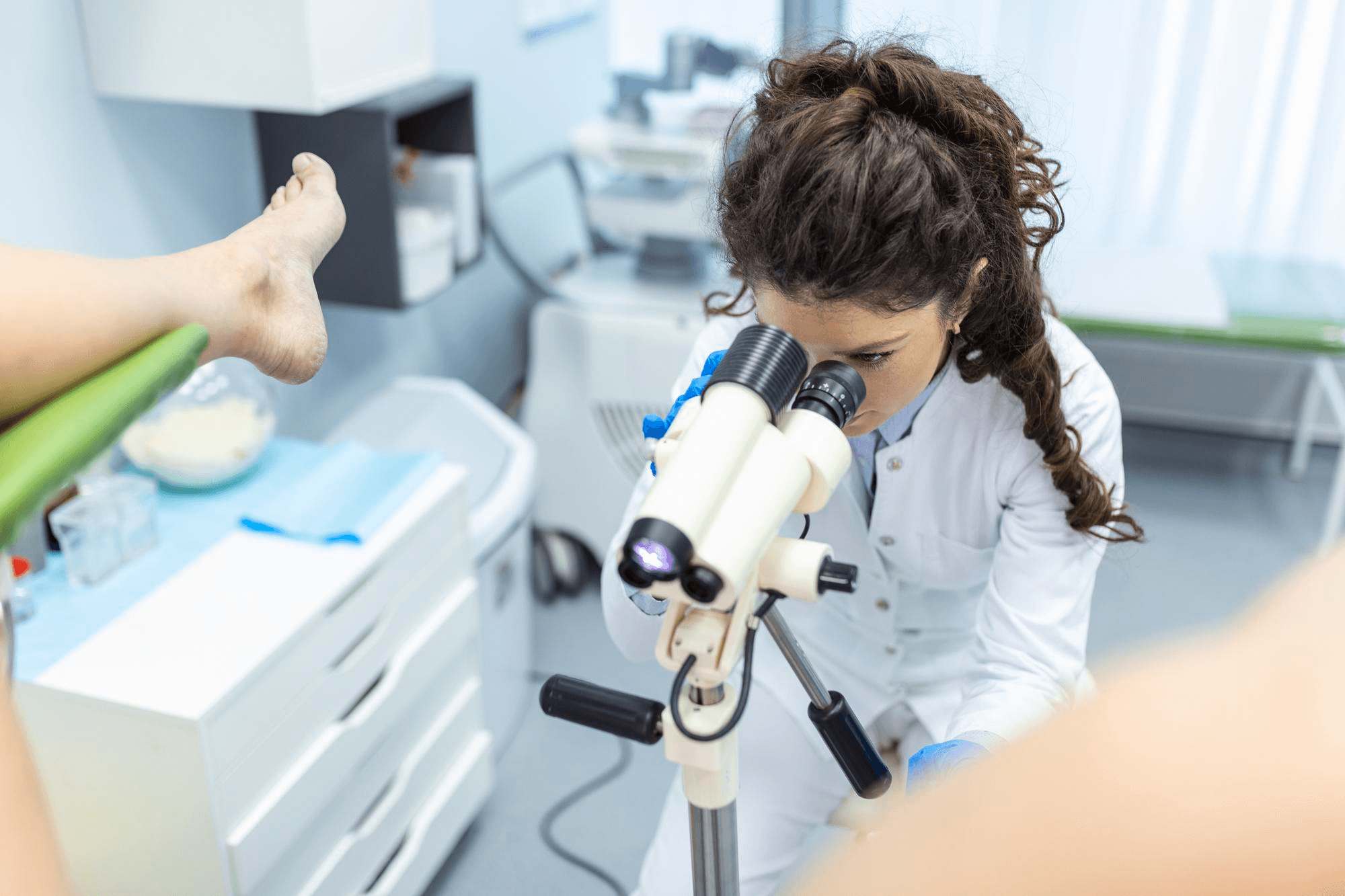
The procedure itself takes only a few seconds, and while some women experience mild discomfort or light spotting afterwards, it is generally well tolerated. Results are typically available within one to two weeks, and any abnormal findings are followed up with appropriate further investigation such as a colposcopy to examine the cervix in more detail.
Ultrasound in Gynecology: Types and What It Detects
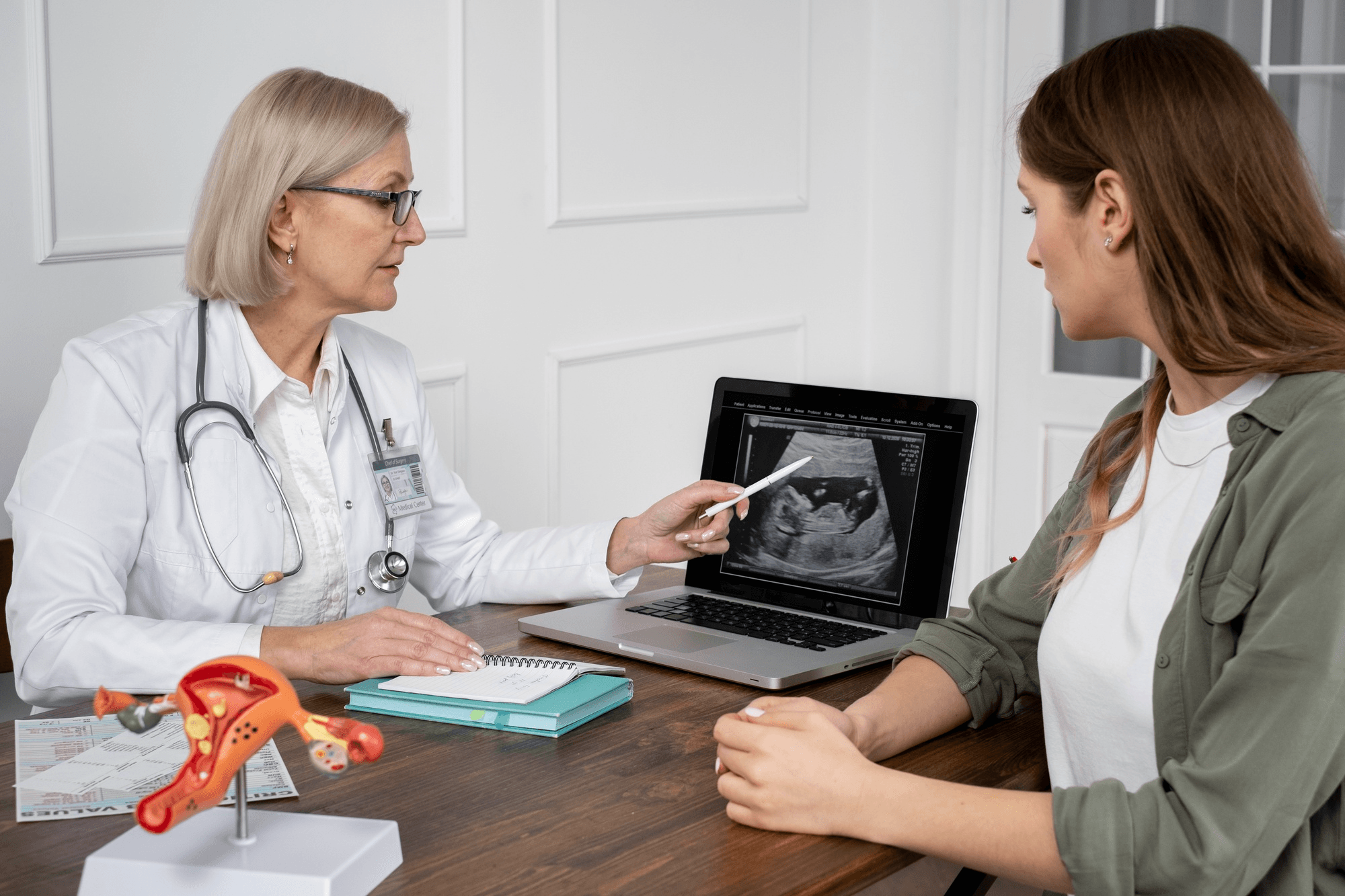
Ultrasound is a safe, non-invasive imaging technique that uses sound waves to produce real-time images of the pelvic organs. An abdominal ultrasound is performed with the transducer placed on the lower abdomen and requires a full bladder for optimal visualisation, while a transvaginal ultrasound uses a small probe placed gently inside the vagina and provides higher resolution images of the uterus, endometrium and ovaries.
Transvaginal ultrasound is generally preferred in gynecological practice because of its superior image quality, allowing the doctor to assess the uterine cavity for fibroids, polyps and adenomyosis, measure the endometrial thickness, evaluate the ovaries for cysts, and check for any other structural abnormalities. It is commonly used in the investigation of abnormal bleeding, pelvic pain, infertility and menstrual irregularities.
At Dr. Shachi Singh's clinic in Noida, ultrasound is an integral part of routine gynecological examination and is also used to monitor treatment response, guide procedures and support pregnancy monitoring. Patients are given a clear explanation of what the scan shows and its significance as part of the consultation.
Condition Treated
Gynecological examinations at Dr. Shachi Singh's clinic in Noida are used to assess and manage a broad range of conditions including menstrual disorders, vaginal infections, pelvic pain and hormonal imbalances such as PCOS. Conditions such as uterine fibroids, ovarian cysts, endometriosis and cervical abnormalities are commonly identified through routine examination and investigation before they cause significant symptoms. Preventive health assessment, including Pap smear screening and reproductive health counselling, is also a core part of every gynecological visit.