Normal Delivery Vs C-Section: Which Is Better For You?

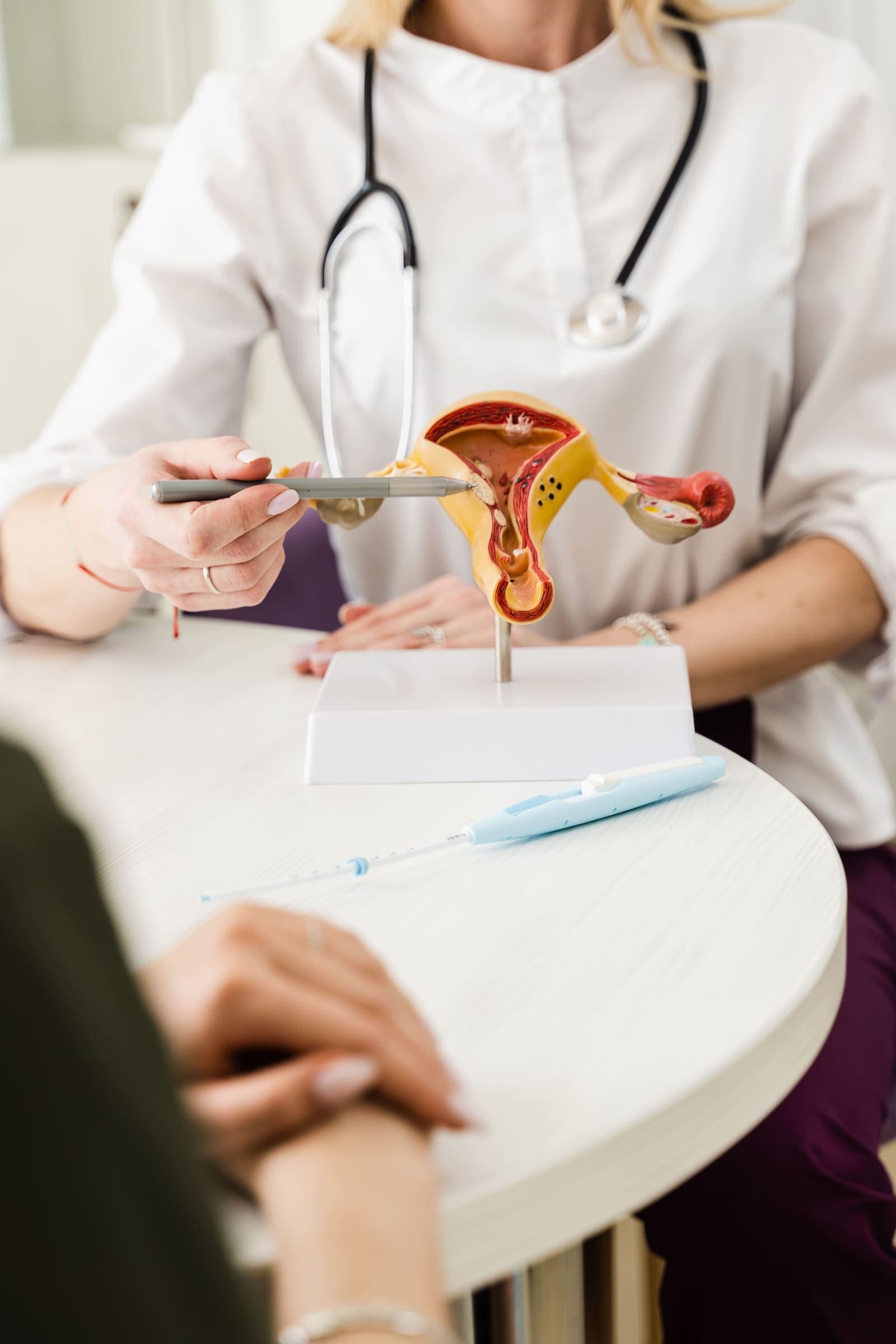
A pregnant woman is giving delivery with the help of doctor and partner is beside her.
Almost every pregnant woman eventually confronts this question, sometimes as a quiet worry in the back of her mind, sometimes as a direct and urgent conversation with her doctor in the final weeks of pregnancy. Which is better? Normal delivery or C-section?
The honest answer is: It depends. And anyone who gives you a single, categorical answer without knowing your specific situation, your baby's condition, and the details of your pregnancy is not giving you complete information.
What you actually need is a clear understanding of both options, what each involves, what the real benefits and genuine risks are, when each becomes the medically correct choice, and what recovery looks like for each. Armed with that understanding, you can have a much more useful conversation with your doctor.
Dr. Shachi Singh, senior obstetrician and gynecologist at Prakash Hospital, Sector 33, Noida, has helped thousands of women through deliveries, both vaginal and caesarean, across Noida and Greater Noida. Her approach is always guided by one priority: the safest outcome for both mother and baby, with honest communication throughout.
What Is A Normal (Vaginal) Delivery?
A vaginal delivery is the birth of the baby through the birth canal, the natural, physiological route. Labour begins with uterine contractions that progressively thin and open the cervix, after which the baby passes through the vagina. Labour can start spontaneously on its own, or it can be induced with medication, when there is a medical reason not to wait for natural onset.
Most obstetricians consider vaginal delivery the first-line recommendation for uncomplicated pregnancies. It is how the body is designed to give birth, and when things go smoothly, the benefits are significant, and the recovery is faster than most people expect.
What Is A C-Section (Caesarean Delivery)?
A caesarean section is a surgical delivery. The baby is born through an incision made in the mother's abdomen and uterus, under spinal or general anaesthesia. The surgery typically takes 45 to 60 minutes, though the actual delivery of the baby happens within the first 10 minutes. C-sections can be:
- Planned (elective) - Scheduled in advance when a medical condition makes vaginal delivery unsafe or inadvisable.
- Emergency - Performed urgently during labour when the safety of mother or baby is at risk.
In India, C-section rates have been rising steadily. Data from The Lancet places India's C-section rate at around 21.5% of all deliveries, and this figure is considerably higher in private urban hospitals. While many of these are medically necessary, the rise in elective C-sections without clear medical indication has become a concern among obstetricians.
Benefits Of Normal Delivery
Normal delivery offers quicker recovery, lower surgical risks, and helps mothers resume daily activities and bonding with the baby more naturally.
1. Faster Recovery
Recovery after vaginal birth is generally faster than after a C-section. Most women can walk within a few hours of delivery, are discharged within one to two days, and return to light activity within two to three weeks. The absence of a surgical wound means one significant source of pain and healing time is removed from the equation.
2. Lower Infection Risk
Without a surgical incision, there is no wound to become infected. The risk of post-delivery infection is lower with vaginal birth than with abdominal surgery.
3. Benefits for the Baby
Babies born through the birth canal pass through beneficial bacteria (Lactobacillus and others) that colonise their gut and skin. Research suggests this early microbial exposure may support the development of the baby's immune system. Additionally, the compression of the chest during passage through the birth canal helps clear amniotic fluid from the lungs, reducing the risk of transient breathing difficulties after birth.
4. Easier Breastfeeding Initiation
Skin-to-skin contact immediately after delivery is easier to establish after vaginal birth, and breastfeeding typically gets established more readily when the mother is not recovering from major abdominal surgery.
5. Fewer Complications In Future Pregnancies
Each C-section creates scar tissue on the uterus, which increases the risk of complications in subsequent pregnancies, including placenta accreta (placenta growing abnormally into the uterine wall), uterine rupture, and the need for a repeat C-section. Women who deliver vaginally face significantly fewer complications in future pregnancies.
Challenges Of Normal Delivery
Normal delivery may involve intense labor pain, physical exhaustion, and temporary complications such as vaginal tears or difficulty during childbirth.
1. Labour Pain
Labour is painful; the contractions of the uterus, particularly in the later stages, are intense. Pain relief options are available and include breathing techniques, epidural anaesthesia (where available and advised), and other medications, but labour pain is a real part of the process that should not be understated.
2. Unpredictability
Labour does not run on a schedule. It can last many hours, and the progression is not always linear or predictable. This unpredictability can be stressful for women who prefer a planned, controlled experience.
3. Risk Of Perineal Tearing And Episiotomy
During delivery, the perineum, the tissue between the vaginal opening and anus, can tear, particularly in first deliveries. Tears range from minor to more significant, and most require stitches. An episiotomy (a controlled cut to widen the vaginal opening) may be performed when necessary to assist delivery. Both heal well with proper care.
4. Possible Emergency C-Section
Sometimes a labour that begins vaginally does not progress as expected, or a complication arises that makes continuing vaginally unsafe. In these cases, an emergency C-section becomes necessary. This is not a failure; it is the system working as it should, prioritising safety.
Benefits Of A C-Section
A C-section can be a safer delivery option in high-risk pregnancies and helps prevent complications when normal delivery is not medically possible.
1. Life-Saving In Emergencies
This is the fundamental reason the procedure exists. When vaginal delivery would place the mother or baby at serious risk, a C-section is not a choice; it is a necessity. In these situations, it saves lives.
2. Planned Timing
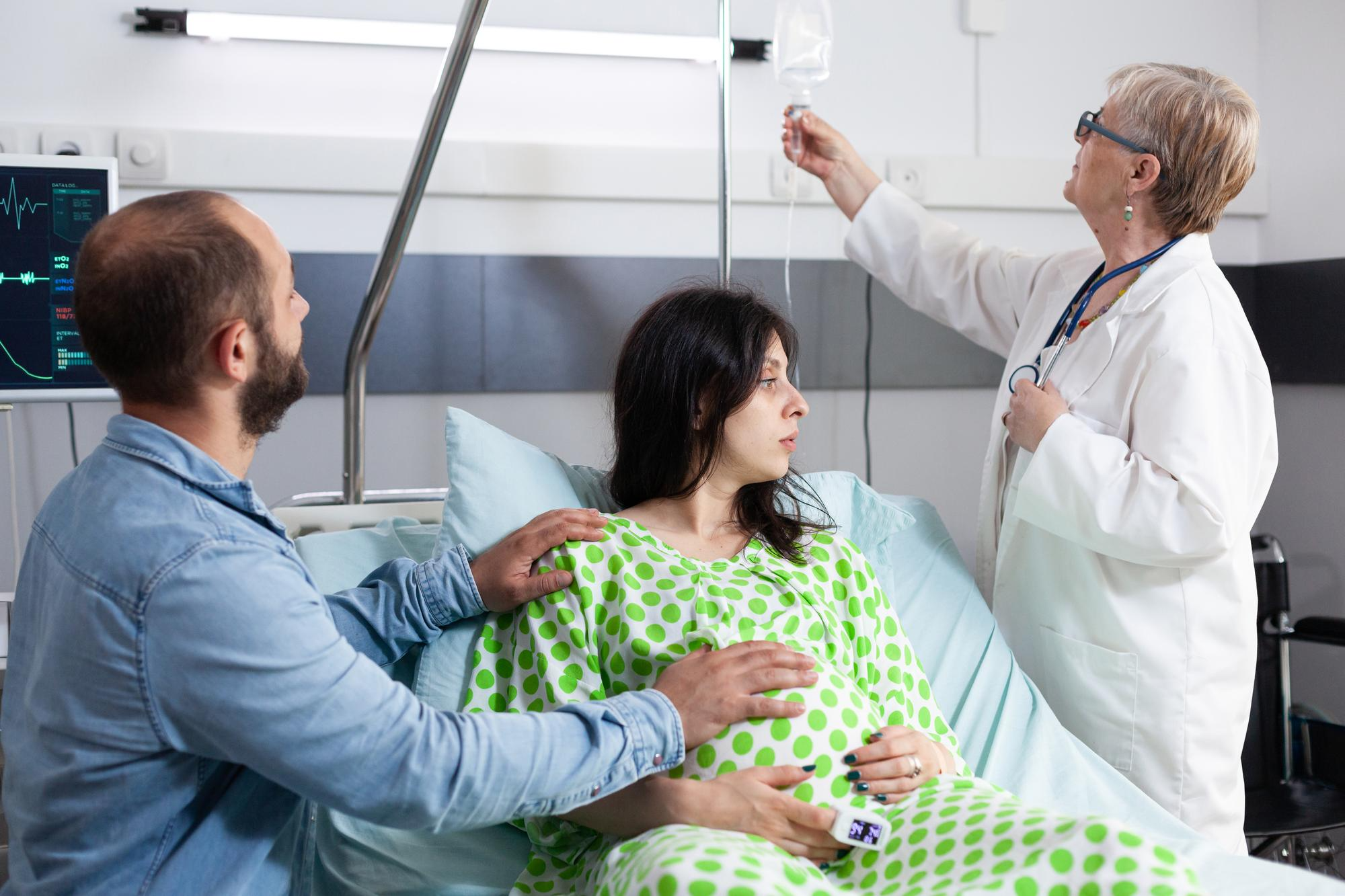
A pregnant woman lies in a hospital bed, hooked up to monitors, as her doctor and partner support her.
An elective C-section can be scheduled, which appeals to women who prefer predictability. There is no waiting for labour to begin, no hours of contractions, and no uncertainty about when the baby will arrive.
3. Avoids Certain Labour Complications
In specific high-risk situations, bypassing labour entirely avoids potential complications, such as shoulder dystocia, cord prolapse, or the strain of prolonged labour on a baby already under stress.
Less Pelvic Floor Impact
Vaginal birth, particularly with large babies or prolonged pushing, can strain the pelvic floor muscles and contribute to urinary incontinence or pelvic organ prolapse later in life. C-section delivery avoids direct trauma to the pelvic floor.
Risks And Challenges Of C-Section
A C-section may involve a longer recovery time, a higher risk of infection, bleeding, and post-surgical discomfort compared to a normal delivery.
1. Major Surgery
A C-section is not a minor procedure. It is abdominal surgery under anaesthesia, with all the associated risks: bleeding, infection of the wound or uterus, anaesthesia reactions, blood clots, and damage to adjacent organs, bladder, or bowel in rare cases.
2. Longer Recovery
Recovery from a C-section typically takes four to six weeks. The first week is the most difficult; moving, lifting, and even getting out of bed are painful due to the abdominal incision. Most women need significant support at home during this period. Returning to normal activity takes considerably longer than after vaginal birth.
3. Impact On Future Pregnancies
As noted above, uterine scarring from a C-section complicates future pregnancies. Research from Indian hospitals shows that repeat C-section patients have significantly higher rates of placenta accreta and uterine rupture in subsequent pregnancies compared to women who had vaginal deliveries. This is why unnecessary C-sections in young women who plan to have more children are a clinical concern, not just a matter of preference.
4. Baby's Breathing At Birth
Because the chest compression of passing through the birth canal does not occur, C-section babies have a slightly higher rate of transient tachypnoea (temporary rapid breathing) immediately after birth. This is usually mild and self-resolving, but warrants monitoring.
5. Higher Overall Risk Profile For Mother
A study from an Indian hospital comparing outcomes across 100 deliveries found that long-term complications, including chronic pelvic pain and complications in subsequent pregnancies, were significantly higher in women who had C-sections compared to those who delivered vaginally.
When Is A C-Section Medically Necessary?
This is the most important section, because the right answer to "normal delivery or C-section" is almost always determined by medical necessity rather than personal preference. Your obstetrician will recommend a C-section when:
- The baby is in breech or transverse position and cannot be safely rotated before delivery.
- Placenta praevia - The placenta is covering or lying close to the cervical opening, blocking the birth canal.
- Previous C-section with certain incision types - Particularly vertical or classical incisions that increase uterine rupture risk.
- Multiple pregnancy - Twins or more in certain presentations.
- Cephalopelvic disproportion - The baby's head is too large to pass safely through the mother's pelvis.
- Fetal distress - The baby's heart rate pattern during labour indicates the baby is not tolerating labour well.
- Failure to progress - Labour has stalled despite adequate contractions and medical support.
- Severe preeclampsia or eclampsia - Where the urgency of delivery outweighs waiting for vaginal birth.
- Placental abruption - Placenta separating from the uterine wall before delivery.
- Active genital herpes lesions - To protect the baby from infection during passage through the birth canal.
Can You Deliver Normally After A Previous C-Section?
Yes, in many cases. This is called VBAC (Vaginal Birth After Caesarean). Whether VBAC is appropriate depends on the type of incision in your previous C-section, the reason for the previous surgery, and the specifics of your current pregnancy. It is not suitable for everyone, but for many women, it is a safe and achievable option. This is a detailed conversation to have with your obstetrician if you have had a previous C-section and wish to attempt vaginal delivery.
Comparing Recovery
| Normal Delivery | C-Section | |
|---|---|---|
| Hospital stay | 1–2 days (no complications) | 3–5 days |
| Walking | Within hours of delivery | Usually next day, with support |
| Pain type | Perineal soreness, afterpains | Abdominal wound pain, restricted movement |
| Driving | Usually 2–3 weeks | 4–6 weeks minimum |
| Full activity | 4–6 weeks | 6–8 weeks |
| Future pregnancy risk | Lower | Higher (uterine scarring) |
The Decision Is Not Yours Alone - And That Is Not A Bad Thing
It is natural to have a preference. Many women come into their third trimester with a strong desire for one type of delivery. That preference matters, and a good obstetrician will listen to it and incorporate it into the plan wherever safely possible. But the final decision about delivery method is a clinical one made based on your health, your baby's wellbeing, how labour is progressing, and what carries the lowest risk at that moment. Sometimes the plan changes at the last minute. That is not a failure. That is appropriate medicine.
What you can do is go into delivery with a realistic understanding of both options, a birth plan that reflects your preferences, and trust in a gynecologist who will be honest with you about what is needed and why.
Delivery Care In Noida And Greater Noida

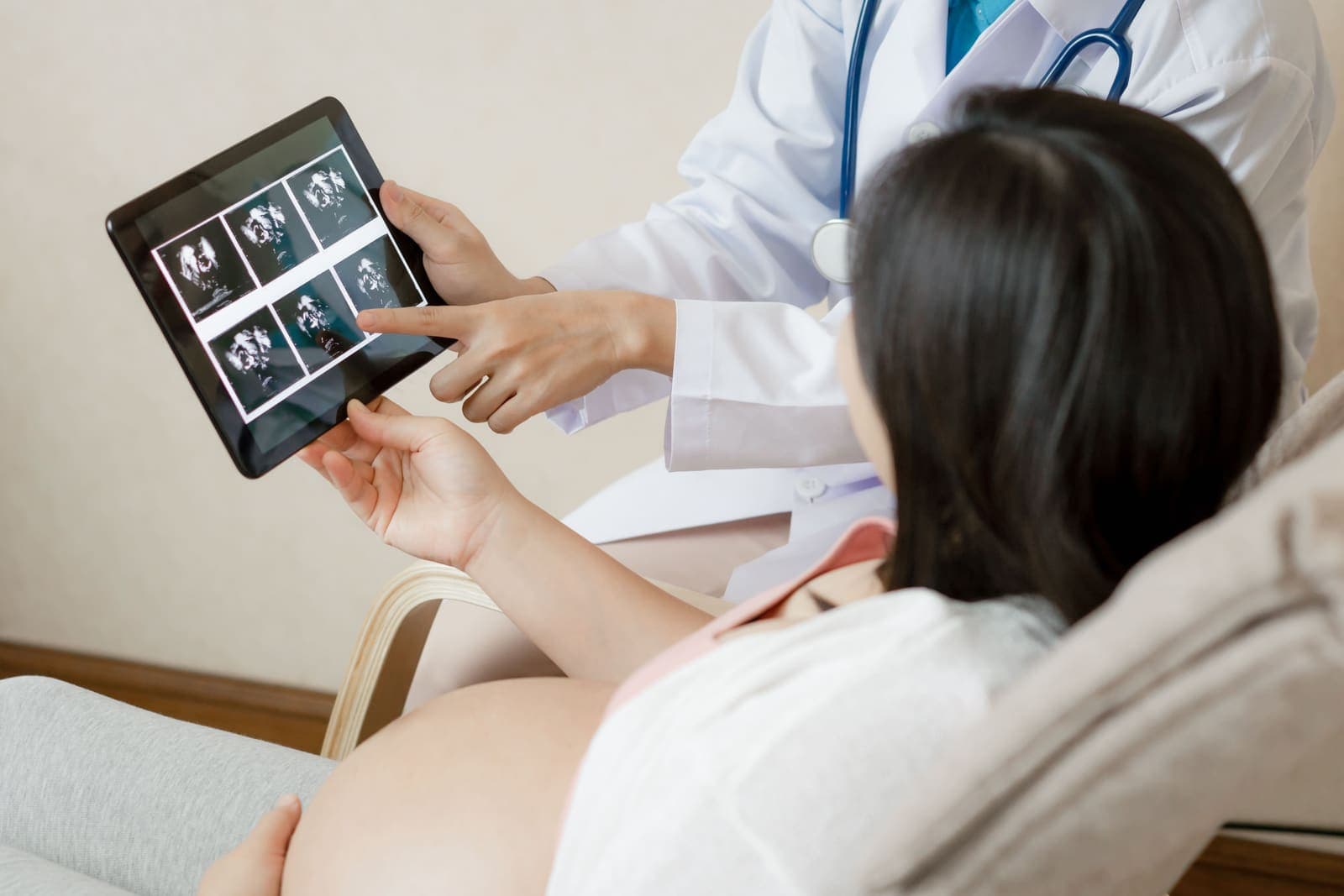
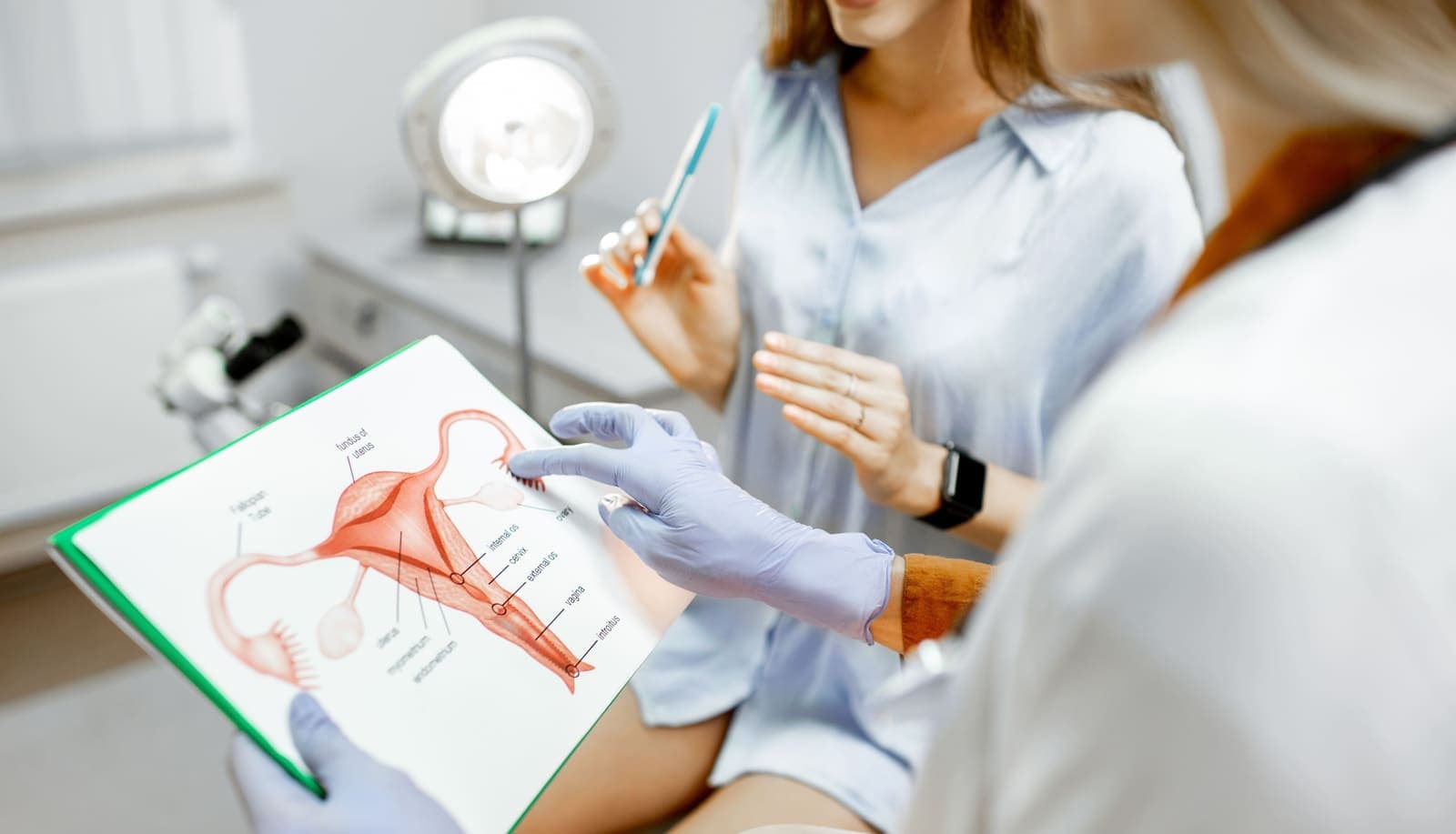
A pregnant woman meets her gynecologist at the hospital to talk about normal delivery and C-section options.
Dr. Shachi Singh at Prakash Hospital, Sector 33, Noida, manages both normal and caesarean deliveries for women across Noida and Greater Noida. Her approach prioritises safe delivery outcomes alongside honest, patient communication so that every woman understands her options and feels supported in her birth experience, whatever form that takes. If you are approaching your delivery date and have questions about which type of delivery is appropriate for your pregnancy, book an appointment for a detailed discussion.
To book a consultation with Dr. Shachi Singh, call: +91 97023 46853
Clinic Hours: Monday to Saturday, 9 AM – 6 PM | Sunday, 10 AM – 2 PM
Clinic Address: D-12A, 12B, Sector-33, G.B. Nagar, Noida, Uttar Pradesh 201301
Frequently Asked Questions
1. Is a normal delivery always safer than a C-section?
Not always. Normal delivery is generally preferred in uncomplicated pregnancies and carries fewer surgical risks. But in specific medical situations, a C-section is the safer option for mother or baby. The safest choice depends entirely on the clinical picture, not a general rule.
2. Is a C-section more painful than a normal delivery?
They involve different types of pain. Labour pain, particularly in the later stages, is intense, but resolves quickly after delivery. C-section surgery is painless due to anaesthesia, but post-operative pain from the incision, restricted movement, and recovery is significant and lasts several weeks.
3. If I had a C-section for my first baby, must I have one for subsequent babies?
Not necessarily. VBAC is possible in many cases, depending on the type of previous incision and your current pregnancy specifics. Discuss this in detail with your obstetrician early in your second pregnancy.
4. Can I request an elective C-section without a medical reason?
In some hospitals, this is possible with discussion. However, it is important to understand the risks, particularly for future pregnancies, before choosing a C-section without medical indication. Your obstetrician will outline these honestly.
5. How long after a C-section can I get pregnant again?
Most obstetricians recommend waiting at least 18 to 24 months after a C-section before conceiving again, to allow the uterine scar to heal adequately. Getting pregnant sooner increases the risk of uterine rupture in the next pregnancy.
6. Does a C-section affect breastfeeding?
A C-section can make the first few days of breastfeeding more challenging due to the mother's limited mobility and recovery from anaesthesia. However, with support and positioning assistance, most C-section mothers can breastfeed successfully. It is not a barrier, just a situation where extra support in the first few days makes a significant difference.
This blog is written for educational and informational purposes only. It is not a substitute for personalised medical advice. Please consult Dr. Shachi Singh or a qualified obstetrician for guidance specific to your pregnancy and delivery situation.