Third Trimester Preparation: Getting Ready For Delivery
By Dr. Shachi SinghUpdated
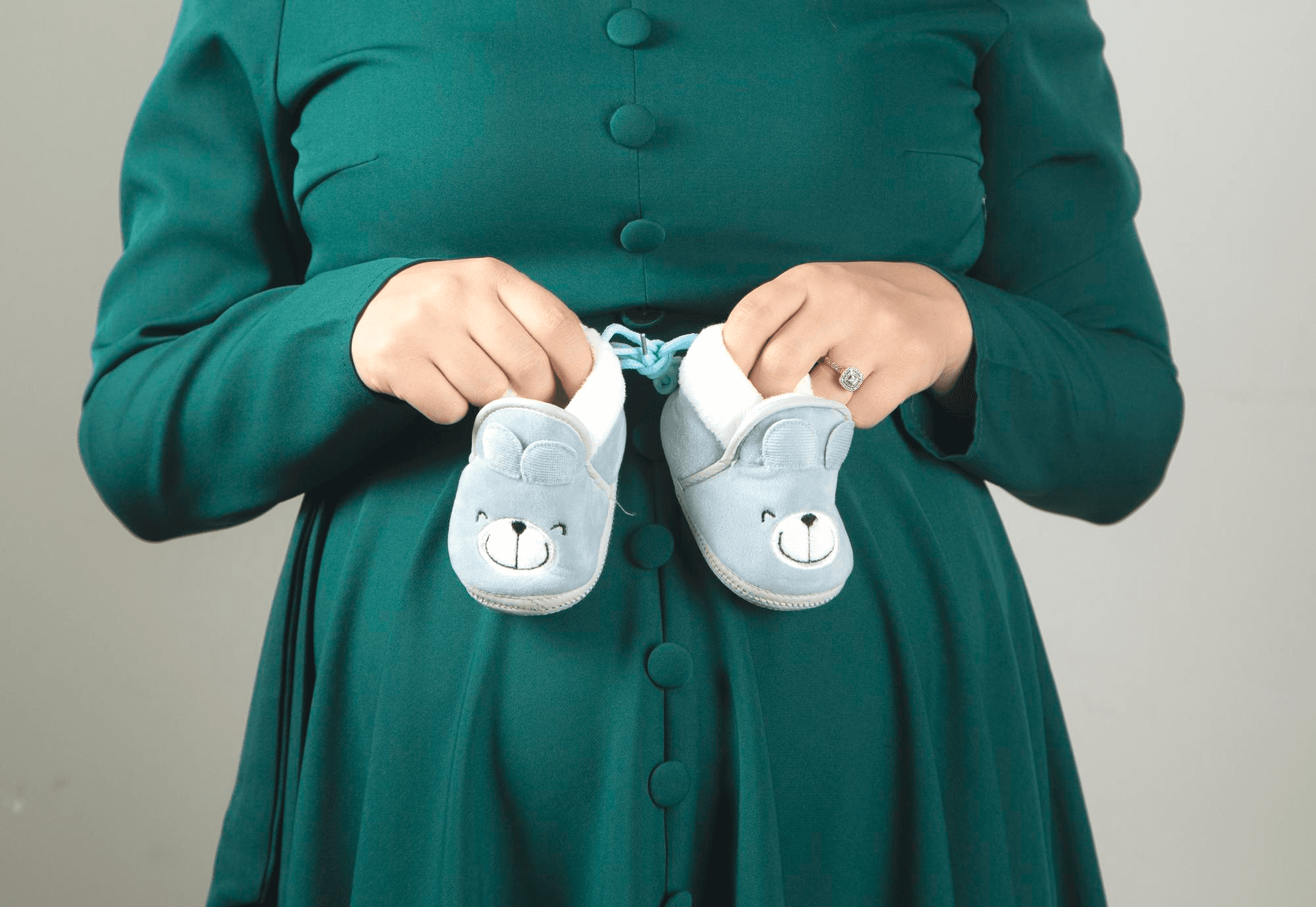
Photo of an expectant woman holding up infant shoes over her bump. Indoors, and gently touching them.
The third trimester is the last stage of pregnancy and is a period of preparation for your baby to enter the world. As the due date approaches, your body and mind may start to ready themselves for birth, labour, and recovery from this experience. Physically, you may have more pain than before,e but emotionally, this stage requires you to look at aspects that can alleviate the challenges in labour, delivery, and postpartum recovery, such as prenatal appointments, hospital bags, and labour and delivery signs and plans.
Knowing what to expect can help manage anxieties and increase confidence, not just to pass the time but to be ready.
What Is The Third Trimester Of Pregnancy?
The third trimester starts at week 28 and runs all the way through to birth, around week 40. This is the final stretch where your baby will really grow and prepare for the birth. As your baby grows it can be a time when you start feeling more physical discomfort such as difficulty moving, becoming out of breath and need to urinate more often as your baby grows.
You will be attending antenatal appointments more frequently and will have your health and the baby's monitored very closely. This is also the part when preparation is paramount for most mums; it's a time to prepare for the birth, buy up everything you need for the baby,y and find out about childcare and newborns. Emotionally, it can feel like both a great and overwhelming time.
Some Common Third Trimester Experiences
1. Physical Changes And Discomfort
You will experience an increased weight and inflexibility of your body as the baby's growth accelerates. Simple movements such as bending or walking can be more strenuous, and you may find you are more clumsy than before.
2. Swelling And Stretch Marks
The common occurrence of swelling in your ankles, feet,t and hands is due to water retention. You may start to notice stretch marks on your abdomen, breasts, and thighs due to the skin being stretched.
3. Fatigue And Breathlessness
Your breathlessness and fatigue increase due to added weight and increased pressure on your lungs, and resting becomes more of a priority.
4. Back And Pelvic Pain
As the ligaments of your body loosen and the baby starts to move lower, you will begin to experience discomfort, which may be sharp or dull and may include pain in the lower back and the pelvic region.
5. Braxton Hicks Contractions
These are irregular, light tightening of your uterus; they will be short, irregular, and not usually very strong. The contraction usually stops if you change position or move, and are the way your body practices labor.
How To Recognize Signs Of Labor?
- Contractions: Regular, getting closer, stronger, and more frequent. They usually don't ease up by resting or shifting your position, unlike the irregular, weaker Braxton Hicks contractions you may have experienced throughout your pregnancy.
- Water breaking: This can be a gush of fluid or just a dribble from the vagina. It won't be urine.
- Backache: Low and constant, may feel like menstrual cramping.
- Blood sign: Vaginal discharge that's tinged with pink, blood, or mucus.
- Pelvic pressure: You'll likely feel a sense of heaviness in the vaginal area as the baby moves down. Some women report diarrhea and/or nausea in early labor.
It's good to have a heads-up regarding these changes so you don't panic. As a general rule, if your contractions become regular, get stronger, and occur more frequently ( every 10 minutes or less) and are increasingly painful, call your doctor immediately.

Pregnant woman in an office holding her head from being tired and having a headache at work.
Get Your Hospital Bag Ready
Get organized by packing your hospital bag early so it's ready when the time comes to go. By the start of your third trimester, it's good to have it packed and ready to go.
Don't Forget To Pack:
- Some loose clothes, nighties, and a dressing gown.
- Any hospital notes, your ID, and your insurance papers.
- Some essentials such as a toothbrush, soap, lip balm, and hair bands.
- Maternity pads and nursing bras.
- Things for your baby, including a change of clothes, blanket, and nappies.
- A phone charger and some snacks for yourself.
- A pair of slippers or some fluffy flip-flops and something to wear home.
Having your hospital bag ready at hand can alleviate worries as you approach your due date. You can relax, rest, and concentrate on the well-being of yourself and the baby, instead of on whatever you have forgotten.
A pre-packed bag provides both practical help during your time in the hospital and reassurance for these first tender days of motherhood.
Plan Your Birth Preferences
Having a plan can make you feel more knowledgeable, comfortable, and in control as the time draws closer. It can also communicate to your health care provider what your wishes are.
- How do you wish to give birth (vaginal delivery or planned cesarean delivery if necessary)
- Pain management, epidural or natural, using things such as breathing and techniques
- Positions of birth, mobility throughout the process of labour
- Who do you wish to have with you at the time of birth?
- What are your preferences with the care of the newborn straight after the birth (e.g., skin to skin contact, and immediate feeding?
A well-thought-out birth plan will have you feeling much more in control of the situation; however, you must also consider that labour does not always go according to plan, and there will be instances when you must do what is safest for you and your baby.
Through an open discussion with your health care professional, they will do their best to meet your requests, but health and safety must be the top priority. Being mentally ready for what is to come can put your mind at ease and help you to have a much more positive outlook on birth.
Keep Up With Your Prenatal Appointments
- Keep all of your doctor appointments-these come more frequently in the third trimester
- The doctor will monitor your baby's growth, position, and heartbeat regularly.
- Your body will be monitored by weighing, testing the urine, and measuring blood pressure.
- The blood, urine, and anemia tests may be run again if it is found that these factors are not healthy.
- Feel free to tell the doctor if you have any symptoms or symptoms of labor that are concerning to you.
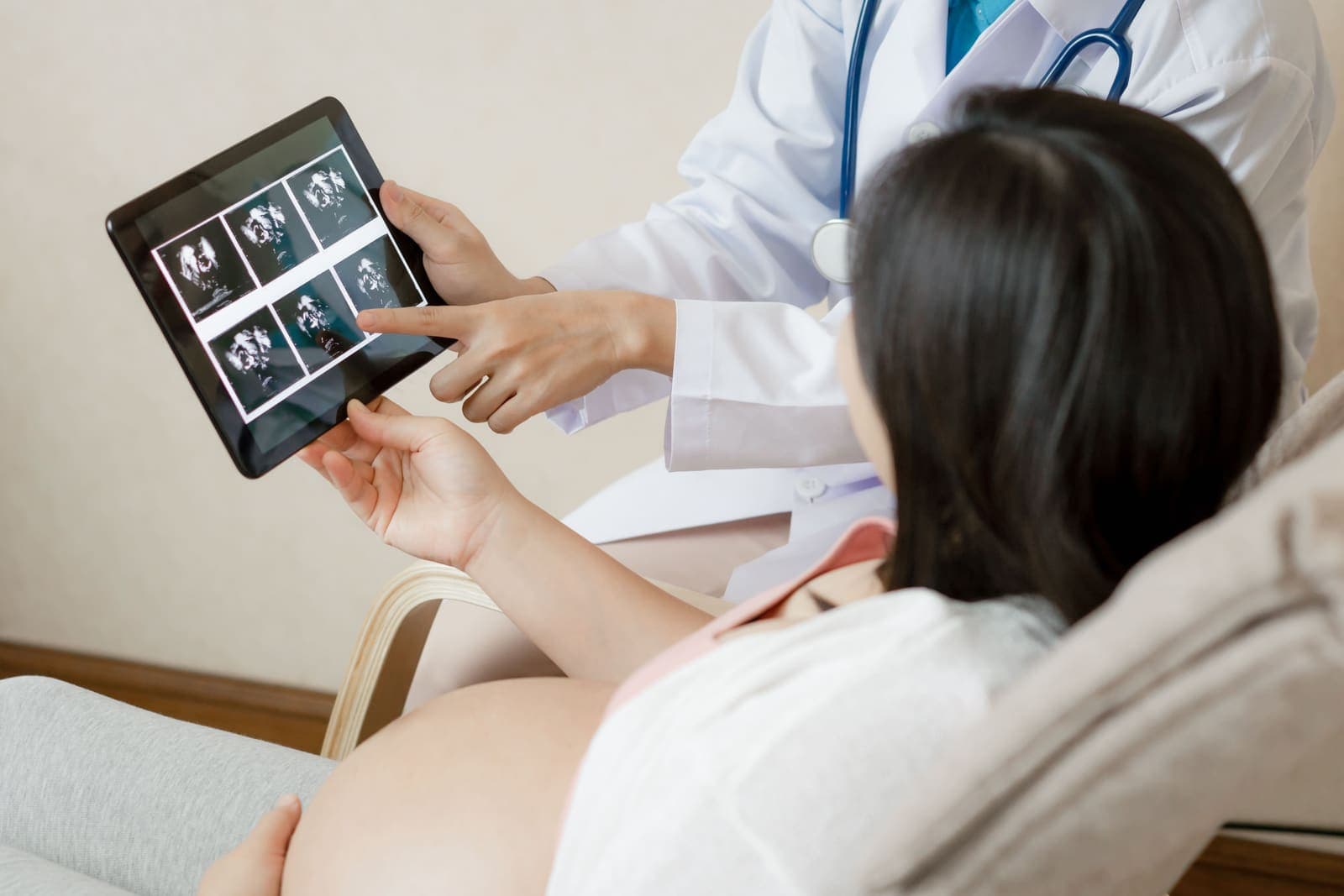
The prenatal visits are important so the doctor can screen you and your baby for health concerns. These visits are the perfect time to detect anything that would need to be addressed, and for the doctor to know what to expect with your labor.
Final Thoughts
The third trimester can be an emotional rollercoaster of excitement, anticipation, and final preparations. While many physical discomforts may arise, it also means your little one is close! Information, regular prenatal checkups, and practical and mental readiness can significantly improve this last stretch of pregnancy.
Listen to your body and don’t push yourself. Rest, stay prepared, and remember to contact your doctor or midwife with any questions or concerns that arise. Each pregnancy is a personal journey, and the information provided herein will help you prepare to give birth confidently and peacefully.

A smiling woman and her female doctor discussing health and plans of pregnancy at a routine doctor appointment.
Expert Care With Dr. Shachi Singh
For excellent, compassionate medical care throughout your pregnancy, make an appointment with Dr. Shachi Singh. Over the course of her 15-year career, she has served countless patients with her skills in gynecology, obstetrics, and laparoscopy. As an experienced and expert professional, she offers her patients individual, compassionate, high-level care from the first moments of conception through birth and recovery.
A leading choice among gynecologists in Noida and Delhi NCR, Dr. Shachi Singh will ensure you receive comprehensive and comforting prenatal care for an assured pregnancy.
Frequently Asked Questions (FAQs)
1. What not to do in the 3rd trimester?
Refrain from heavy lifting, lying flat on your back, participating in risky activities, smoking, consuming alcohol, and eating unsafe or unpasteurized food.
2. What is the most frequent reason for preterm labor?
Preterm labor is primarily caused by infections, premature cervical opening (insufficient), twin and multiple pregnancies, abnormal structure of the uterus, or having uncontrolled medical issues like chronic diabetes or hypertension.
3. What can be expected during the 3rd trimester of pregnancy?
Your baby continues to develop, your need for the restroom will increase, you'll feel tired, and you'll experience swelling, backaches, shortage of breath, and you will have more prenatal appointments as your body is prepping to deliver.
4. What not to do during your third trimester of pregnancy?
Refrain from consuming alcohol or smoking, avoid consuming fish with a high mercury level, stop consuming undercooked foods, limit intake of caffeine, and refrain from overheating, standing for extended periods, or performing any task that poses a risk of fall or damage to your abdomen.