Preventive care is the foundation of long-term women’s health. Rather than waiting for symptoms to appear, preventive medicine focuses on identifying risk factors, detecting early changes and intervening before conditions progress to a stage where treatment becomes more complex. For women, dedicated preventive gynecological care is especially important because many serious conditions, including cervical cancer and hormonal disorders, develop without obvious warning signs in the early stages.
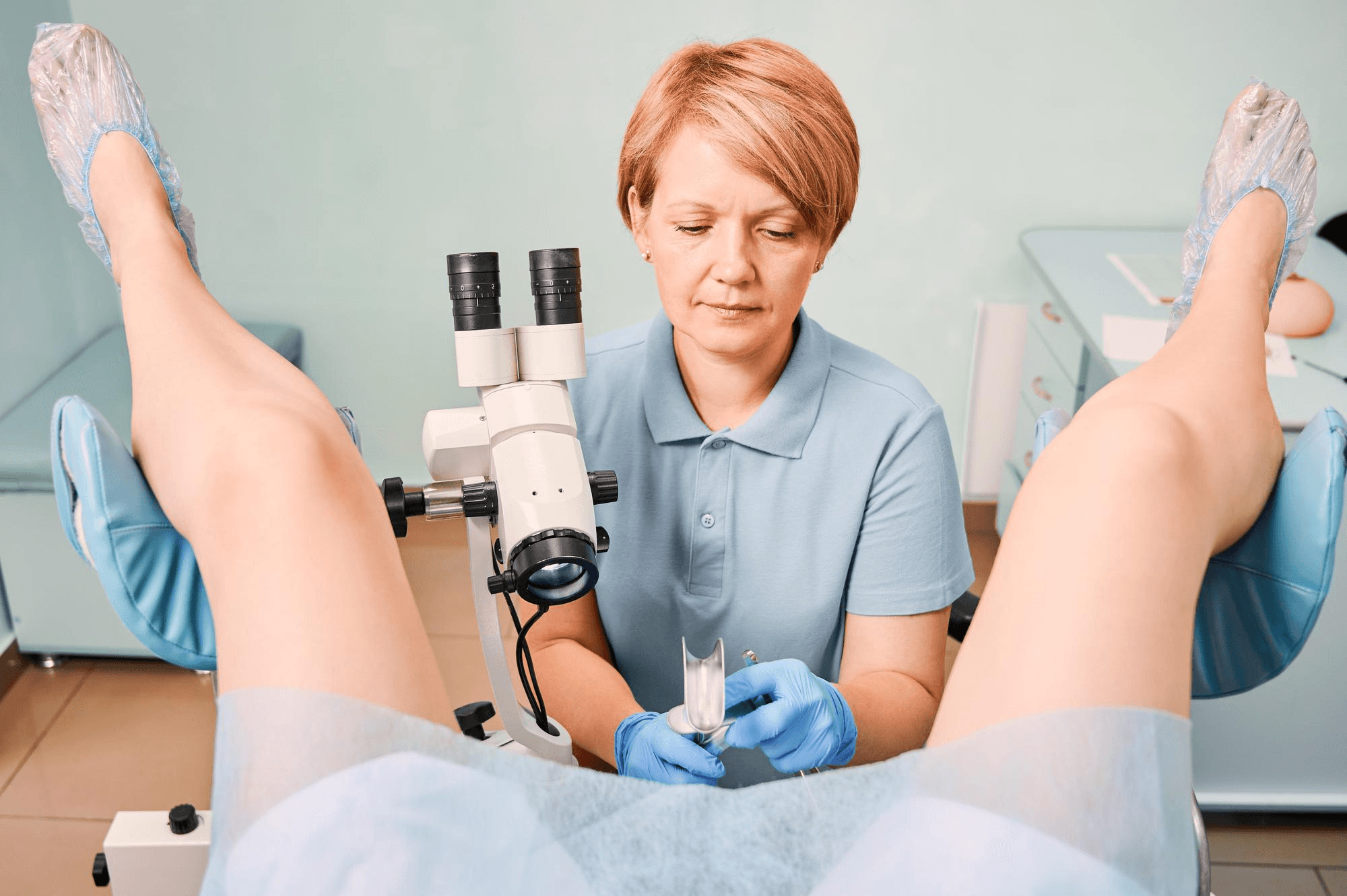
The Pap smear is one of the most important and effective preventive tests available for women. It detects abnormal or precancerous changes in the cells of the cervix before they develop into cervical cancer, which is highly treatable when caught early. Dr. Shachi Singh recommends that sexually active women begin Pap smear screening from the age of 21 and repeat it every three years if results are normal, or more frequently if previous results were abnormal or if additional risk factors are present.
Human papillomavirus, commonly known as HPV, is the primary cause of cervical cancer and is transmitted through skin-to-skin sexual contact. Most people clear the virus naturally, but persistent infection with high-risk HPV strains can lead to cervical changes over time if untreated. The HPV vaccine is highly effective in preventing infection with the most dangerous strains and is recommended for adolescent girls and young women, with vaccination ideally completed before sexual debut for maximum protection.

About This Service
Breast health is another critical component of preventive care for women. Clinical breast examination by a trained doctor can detect lumps, skin changes or nipple abnormalities that may warrant further investigation. All women should also be taught how to perform regular breast self-examination at home and encouraged to report any new changes promptly. Depending on age and risk factors, mammography and breast ultrasound may also be recommended as part of a structured breast screening programme.
Hormonal screening plays an important role in preventive gynecological care, particularly for women experiencing symptoms suggestive of hormonal imbalance or those approaching the perimenopausal period. Key investigations include follicle-stimulating hormone, luteinising hormone, thyroid function tests, anti-Mullerian hormone to assess ovarian reserve, and prolactin levels. Identifying hormonal abnormalities early allows timely management that protects fertility, bone health and metabolic function.
Bone health is a preventive concern that is often underestimated in younger women but becomes increasingly important after menopause. Estrogen plays a key role in maintaining bone density, and its decline during menopause significantly accelerates bone loss, raising the risk of osteoporosis and fractures. At Dr. Shachi Singh’s clinic in Noida, bone density assessment is discussed as part of menopausal care, with calcium and vitamin D supplementation and lifestyle recommendations provided proactively to protect long-term skeletal health.
Several vaccinations are relevant for women’s health beyond childhood immunisation schedules. In addition to the HPV vaccine, hepatitis B vaccination is recommended for women who have not been previously immunised, given the risk of transmission through blood and sexual contact. Annual influenza vaccination is also advised, particularly for pregnant women and those with chronic health conditions. Dr. Shachi Singh reviews vaccination history as part of preventive consultations and advises accordingly.
Building a personalised preventive health schedule by age ensures that the right screenings are completed at the right time throughout a woman’s life. In the twenties and thirties, the focus is on Pap smears, STI screening, hormonal health and pregnancy planning. In the forties, perimenopausal monitoring, bone health and breast screening become increasingly relevant. From the fifties onwards, postmenopausal health management, cardiovascular risk reduction and cancer surveillance become the central priorities. Dr. Shachi Singh helps women in Noida create and maintain an age-appropriate preventive care plan that evolves with their changing health needs.