Pap Smear Test: It’s Important
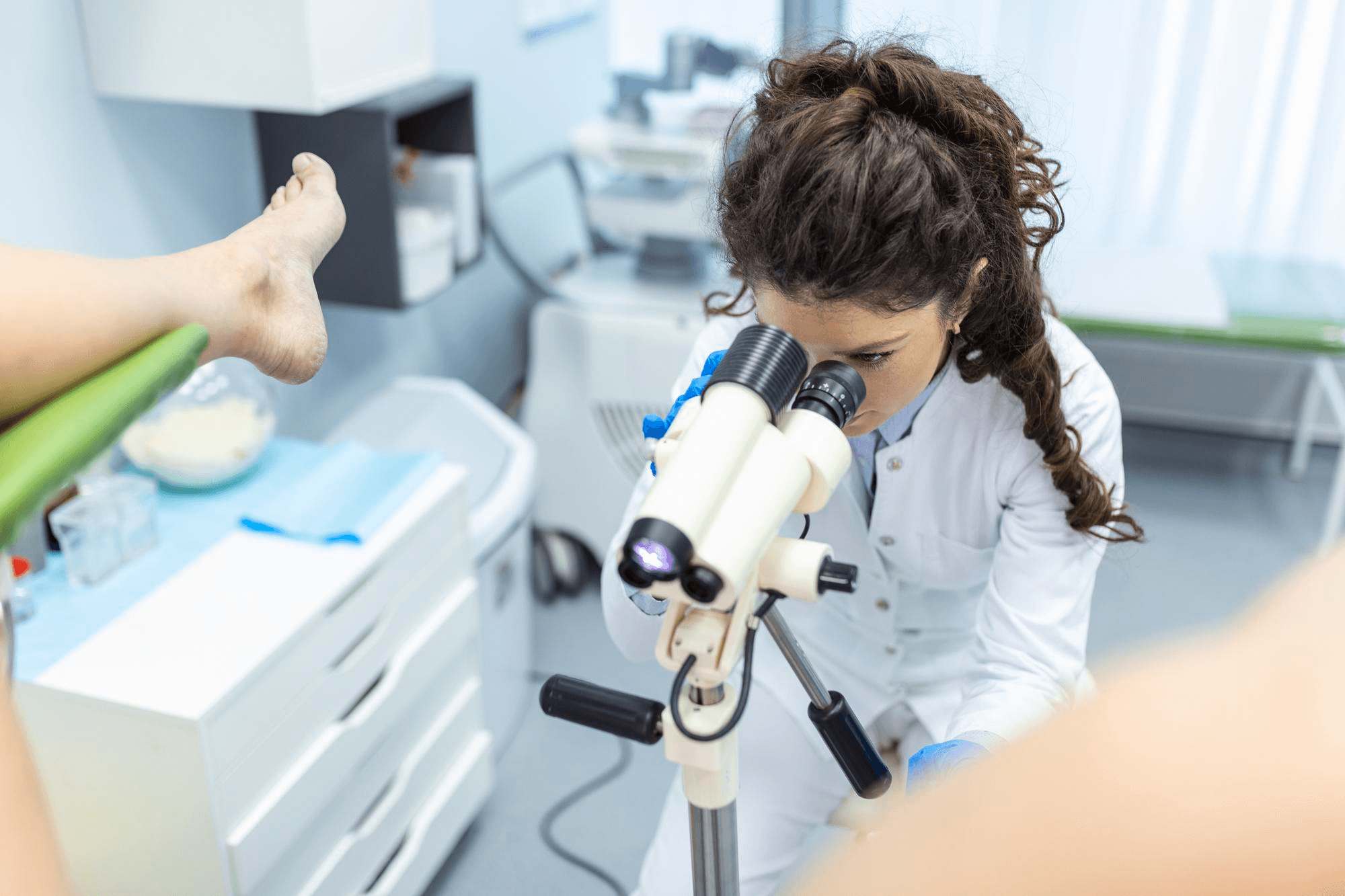
A Gynecologist performs a Pap smear exam with a speculum in a clinic exam room.
What is a Pap Smear Test?
A Pap smear is a quick test that checks for abnormal cells in your cervix, which is the lower part of your uterus. Doctors use it to catch early signs of changes that can turn into cervical cancer if they’re ignored. During the exam, your provider takes a small sample of cells from your cervix, nothing complicated, and sends it to the lab. Getting Pap smears regularly really matters. They catch problems early, so treatment is simpler, and your chances of staying healthy go way up.
Procedure of Pap Smear Test
Step 1: First, you’ll lie back on the exam table, knees up and feet in the supports.
Step 2: The doctor will gently insert a speculum so they can get a clear look at your cervix.
Step 3: Then, using a small brush or spatula, they’ll collect some cells from your cervix.
Step 4: These go into a container or onto a slide, and then off to the lab for testing. The whole thing only takes a few minutes and usually doesn’t hurt.
Step 5: Later, your doctor will look over the results to see if there are any unusual or precancerous changes.
Importance of Pap Smear Test for Cervical Cancer Prevention
1. Spotting Precancerous Changes Early
A Pap smear picks up abnormal cells in the cervix before they turn into cancer. Catching problems this early makes treatment simple and stops the disease before it gets serious.
2. Cuts Cervical Cancer Risk
Getting screened regularly really lowers your chances of getting cervical cancer. Doctors can spot trouble when it’s still easy to treat, or even fix entirely.
3. Keeps Track of Cervical Health
By sticking with routine Pap tests, doctors get a clear picture of how your cervical cells look over the years. That way, if anything changes, they can jump in fast.
4. Simple Test, Big Impact
A Pap smear doesn’t take long and usually isn’t very uncomfortable. But honestly, it’s one of the best ways to protect women’s reproductive health for the long haul.
When Should One Get a Pap Smear Test?
1. Women 21 to 29
Start screening at 21. Most women in this age range just need a Pap smear every three years if everything looks normal. Cervical changes usually take time, so there’s no need to rush things.
2. Women 30 to 65
Once you hit 30, you still need regular screening, but you’ve got options. You can stick with a Pap smear every three years, or do a Pap plus HPV test and stretch it to every five years. Staying on top of these matters more now, since the risk of long-lasting HPV infections goes up.
3. Women Over 65
At 65, you can usually stop screening if your tests have been normal for years and you’ve never had any serious cervical problems. But don’t just quit on your own, talk it over with your doctor to make sure it’s the right move.
4. Higher-Risk Women
If your immune system isn’t strong, you’ve had abnormal Pap results before, or you have certain health conditions, you’ll probably need to get screened more often. Your doctor will let you know what’s best for you.
Pap Smears: Before, During, and After the Test
1. Before the Test
- Pick a day when you’re not on your period.
- For a day or two before the test, skip sex, douching, and any vaginal medicines.
- Wear something comfortable, and try not to stress. The whole thing is over pretty quickly.
2. During the Test
- You’ll lie back on the exam table with your feet up.
- The doctor uses a speculum to gently open the vaginal walls and see your cervix.
- Then, they use a small brush to collect some cells.
- You might feel a little discomfort, but it doesn’t last long.

Lab tech examines a Pap smear sample in a petri dish during clinical testing.
3. After the Test
- You’re free to get back to your usual routine right away.
- You might notice some light spotting for a few hours, but that’s normal.
- Your results should show up anywhere from a few days to a few weeks later.
Routine Follow-Up
For most women, get a Pap smear every 3 years if you’re between 21 and 29. If you’re 30 to 65, you can wait 3 to 5 years, depending on your HPV test. Still, your doctor knows your history best, so go with their advice.
When Results Are Abnormal
If your results show ASC-US, HPV positive, or any abnormal cells, your doctor might want to repeat the test, check for HPV, or do a colposcopy to take a closer look.
When to See a Gynecologist?
Don’t ignore unusual bleeding, pelvic pain, ongoing discharge, or pain during sex, even if your last Pap test was fine. See your gynecologist if you notice any of these signs.
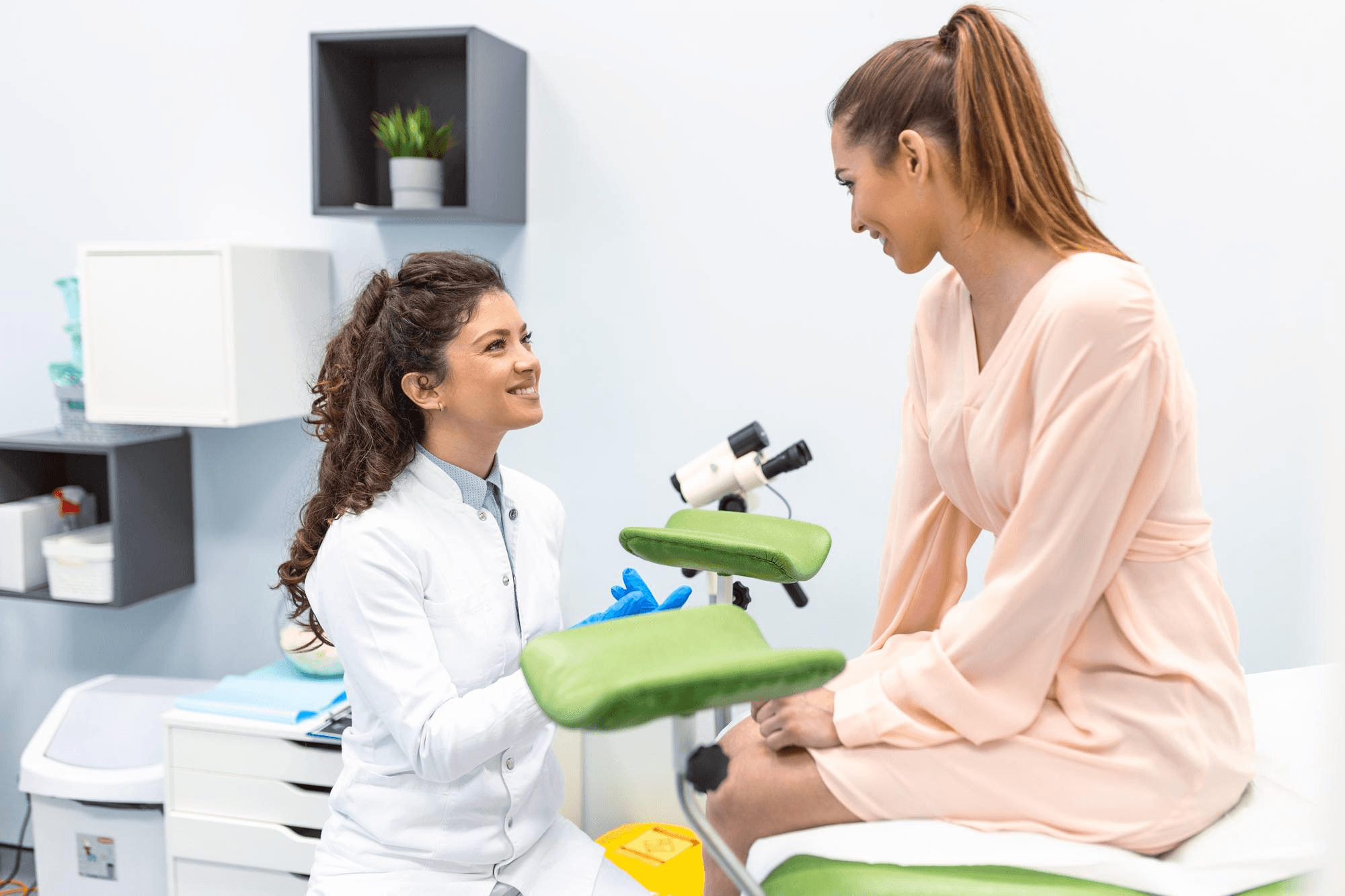
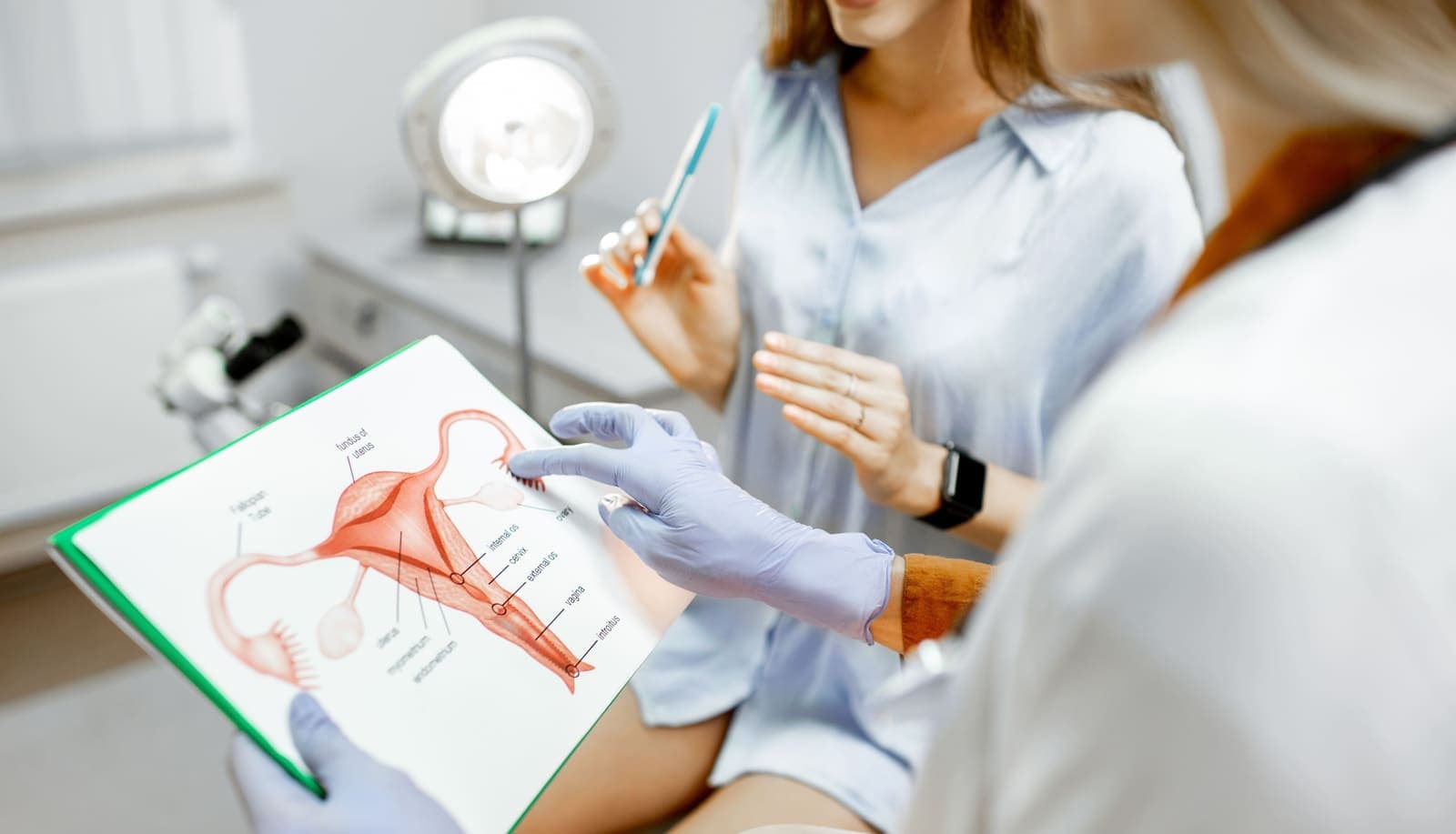
A gynecologist and a patient go over Pap smear screening during a gynecology visit in the exam room.
Final Thought
Getting regular Pap smears is one of those simple things that makes a huge difference for your health. These tests catch changes early, which means treatment gets easier and prevention actually works. When you stay on top of screening, pay attention to your body, and follow up on anything unusual, you’re doing yourself a real favor. Make routine checks a habit; they matter more than you think.
Expert Care with Dr. Shachi Singh
If you’re due for a Pap smear or have questions about your cervical health, reach out to Dr. Shachi Singh. She specializes in Obstetrics, Gynecology, and laparoscopic surgery, offering the kind of personalized care that makes a difference.
Book a visit with her today, take charge of your health, and stay one step ahead.