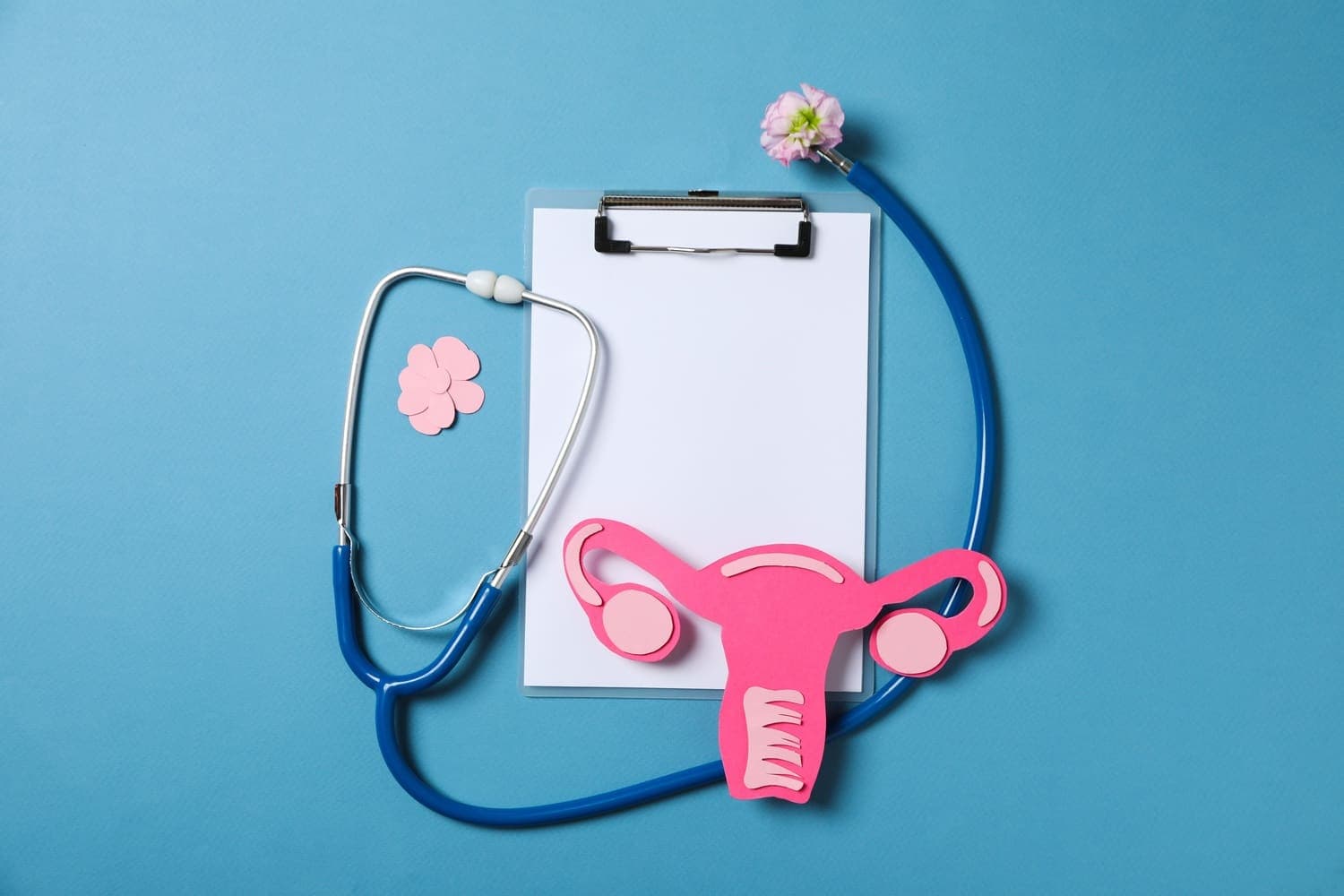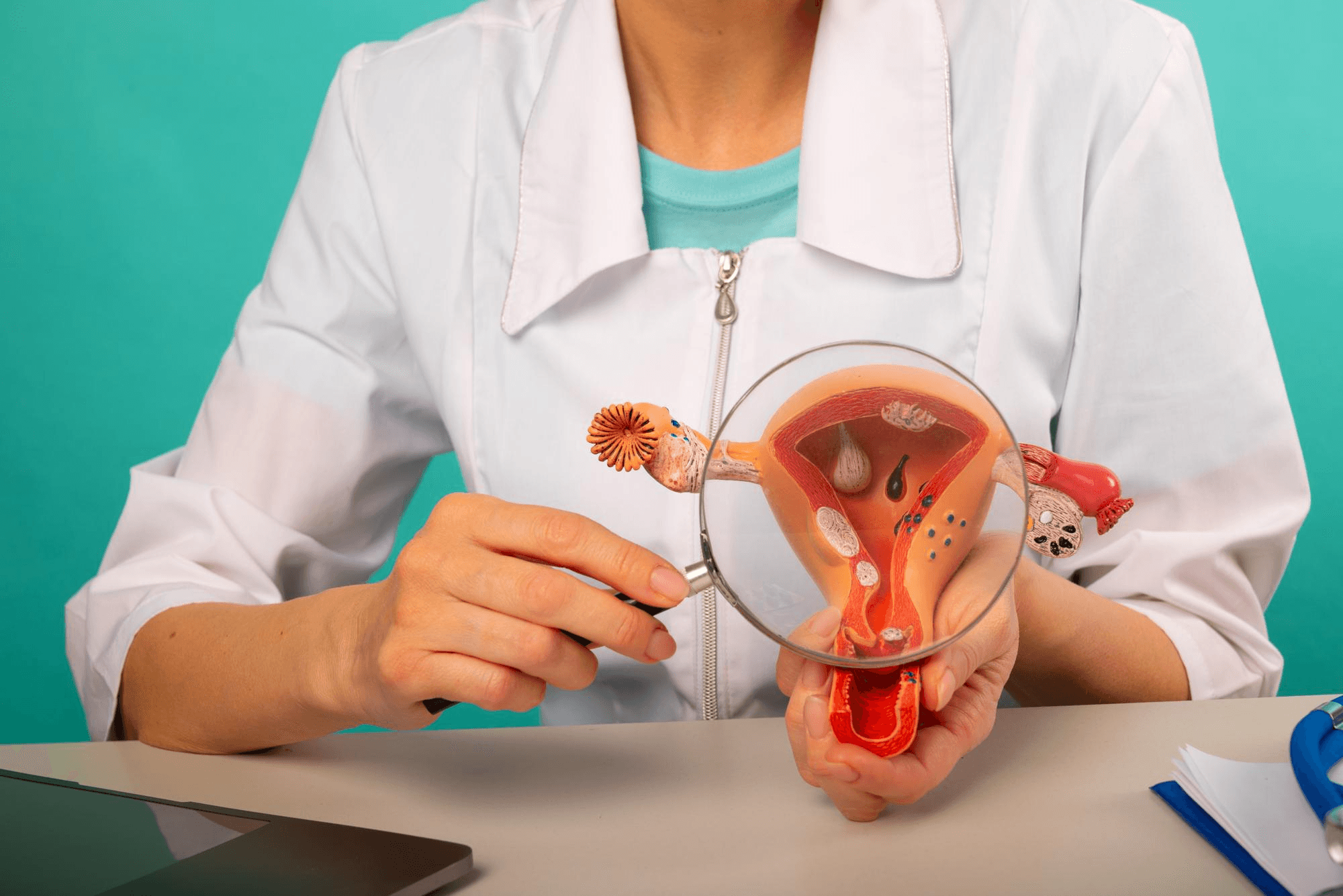
Cosmetic gynaecology is a specialised area of women’s healthcare that addresses both the functional and aesthetic concerns women have about their intimate anatomy. It encompasses a range of surgical and non-surgical procedures designed to restore comfort, improve function and, where desired, address appearance-related concerns that cause distress. Women seek these treatments for a variety of reasons, including physical discomfort during daily activities, pain during intercourse, changes following childbirth, and personal concerns about their intimate health and confidence.
It is important to recognise that cosmetic gynaecology is not purely about appearance, and many of the concerns that bring women to seek these treatments have a significant functional component. Vaginal laxity can affect sensation and intimate relationships, labial asymmetry or enlargement can cause discomfort during exercise and while wearing fitted clothing, and perineal scarring from obstetric injuries can cause ongoing pain and affect quality of life. Addressing these concerns with medical precision improves physical comfort and overall well-being, not just aesthetics.
Vaginal laxity following childbirth is a common concern for many women, particularly after one or more vaginal deliveries. Stretching of the vaginal walls and supporting pelvic floor muscles during delivery can reduce tone and sensation in ways that affect intimate relationships and confidence. Both surgical vaginoplasty and non-surgical energy-based treatments can address vaginal laxity effectively, with the choice of approach depending on the degree of laxity, the patient’s goals and their preference for surgical or non-invasive treatment.

About This Service
Labiaplasty is a surgical procedure that reshapes or reduces the labia minora, the inner lips of the vulva, and is one of the most commonly requested procedures in cosmetic gynaecology. Women seek labiaplasty when enlarged or asymmetrical labia cause discomfort during physical activity, cycling, sexual intercourse or clothing wear, or when the appearance causes significant personal distress. The procedure is performed under local or general anaesthesia and produces natural-looking results with a relatively short recovery period of two to four weeks.
Non-surgical options in cosmetic gynaecology have expanded significantly in recent years, offering women effective treatment without the need for incisions or general anaesthesia. Radiofrequency and laser-based devices deliver controlled energy to the vaginal walls to stimulate collagen production, improving tissue tone, lubrication and mild laxity. These treatments are particularly suited to women experiencing vaginal dryness and mild laxity related to menopause or childbirth, and are performed in a clinic setting with minimal downtime.
Post-childbirth intimate care addresses the range of physical changes that can occur following vaginal delivery, including perineal tears, episiotomy scars, altered anatomy and changes in vaginal tone. Scar management, gentle perineal rehabilitation and surgical repair of unresolved obstetric injuries are all addressed within the framework of cosmetic gynaecology. Dr. Shachi Singh provides thorough assessment and individualised care for postpartum patients in Noida who are experiencing ongoing discomfort or dissatisfaction with their intimate health following delivery.
The psychological benefits of cosmetic gynaecological treatments are as meaningful as the physical outcomes. Women who experience improved comfort, restored tone or resolution of appearance-related concerns frequently report greater confidence in intimate relationships, improved body image and an enhanced overall sense of well-being. These improvements in quality of life are a legitimate and important part of the care that cosmetic gynaecology provides, and they are taken seriously throughout the assessment and treatment process.
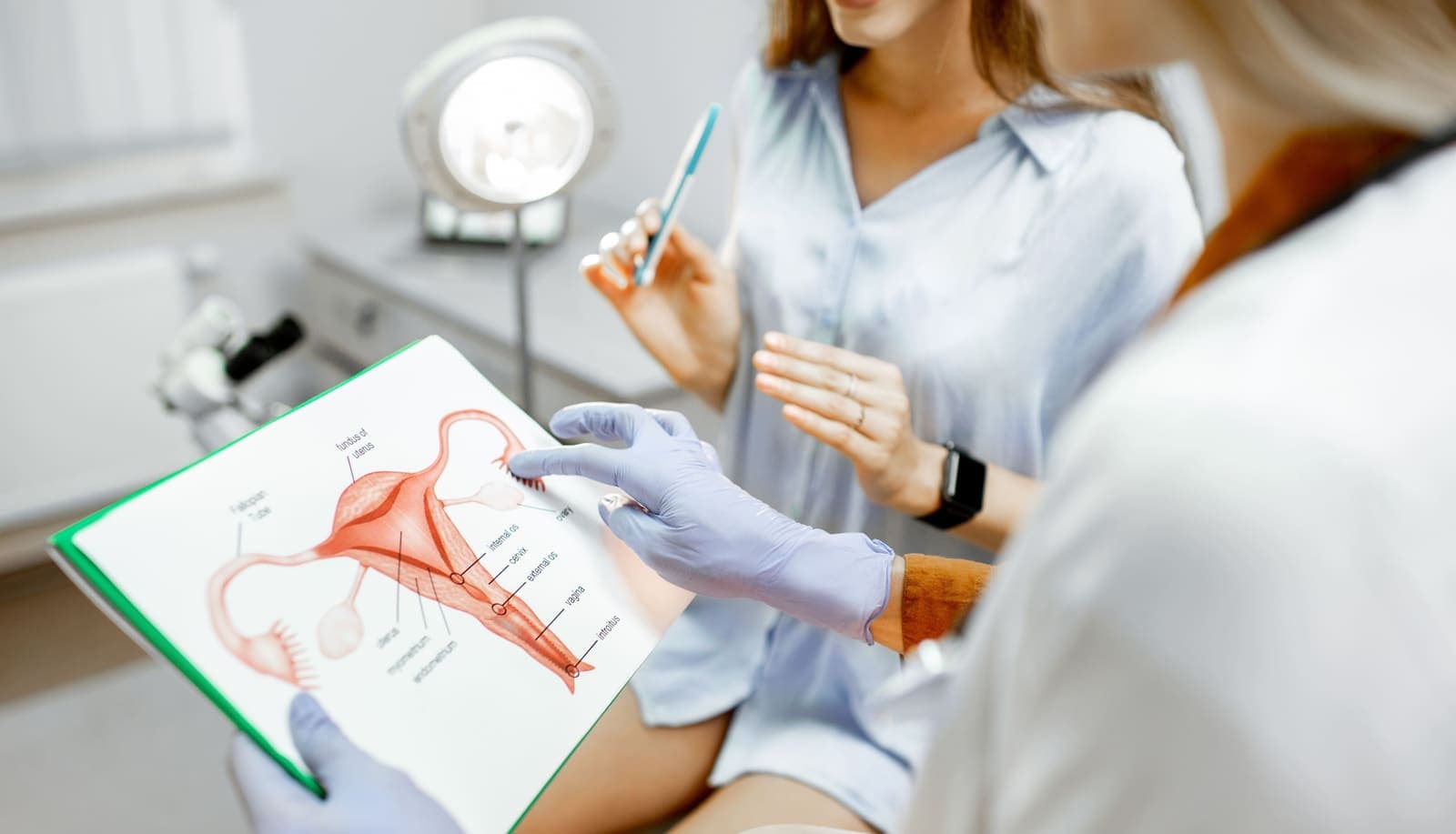
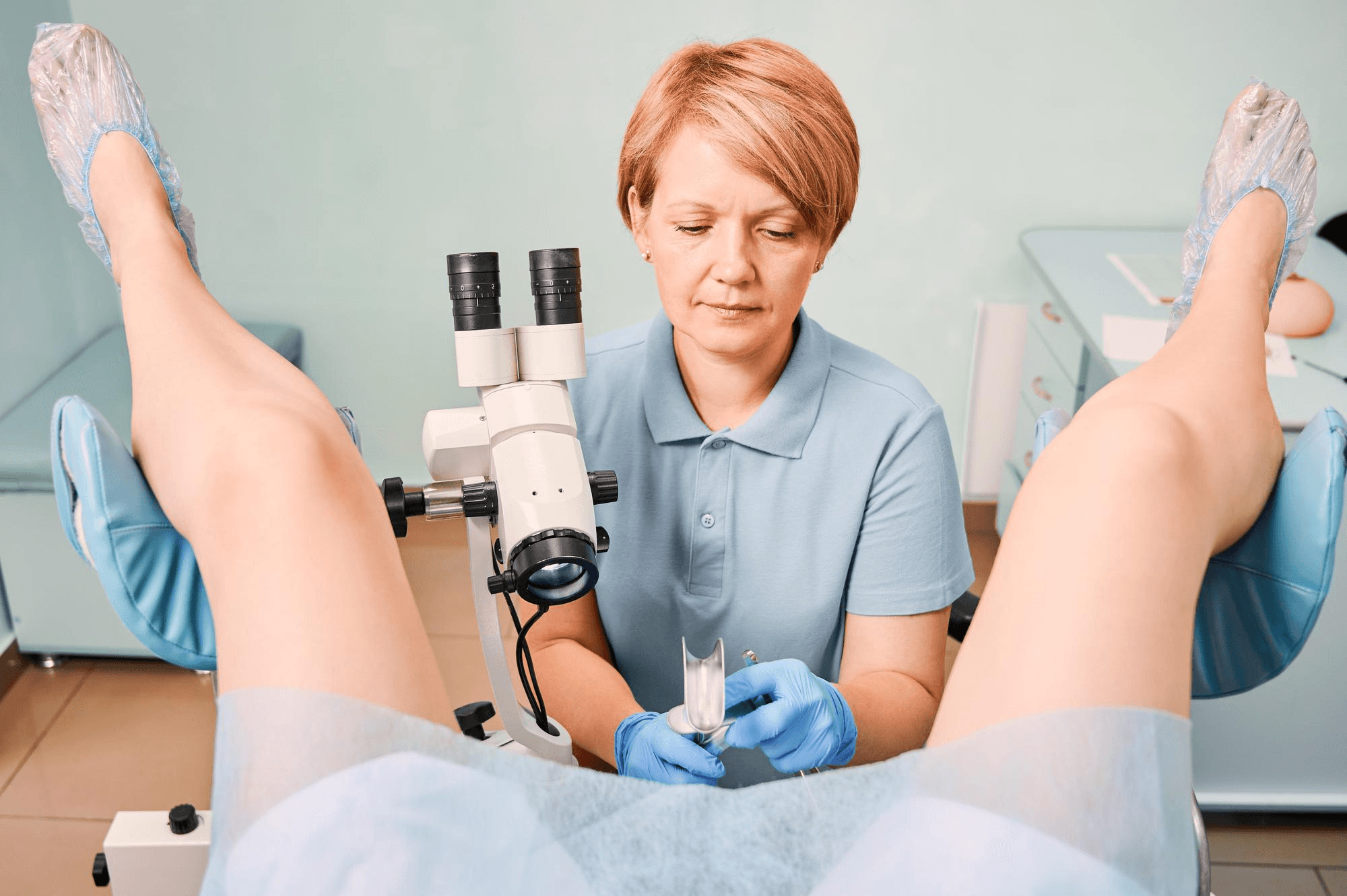
Every cosmetic gynaecology consultation at Dr. Shachi Singh’s clinic in Noida is conducted in a completely confidential and non-judgmental environment. The initial appointment involves a detailed discussion of the patient’s concerns, expectations and medical history, followed by a thorough examination and clear explanation of all available options. Treatment planning is entirely individualised, with honest guidance about what can realistically be achieved, what the procedure involves, and what recovery to expect, ensuring every patient is fully informed before making any decision.