Second Trimester Changes And Essential Pregnancy Care Tips

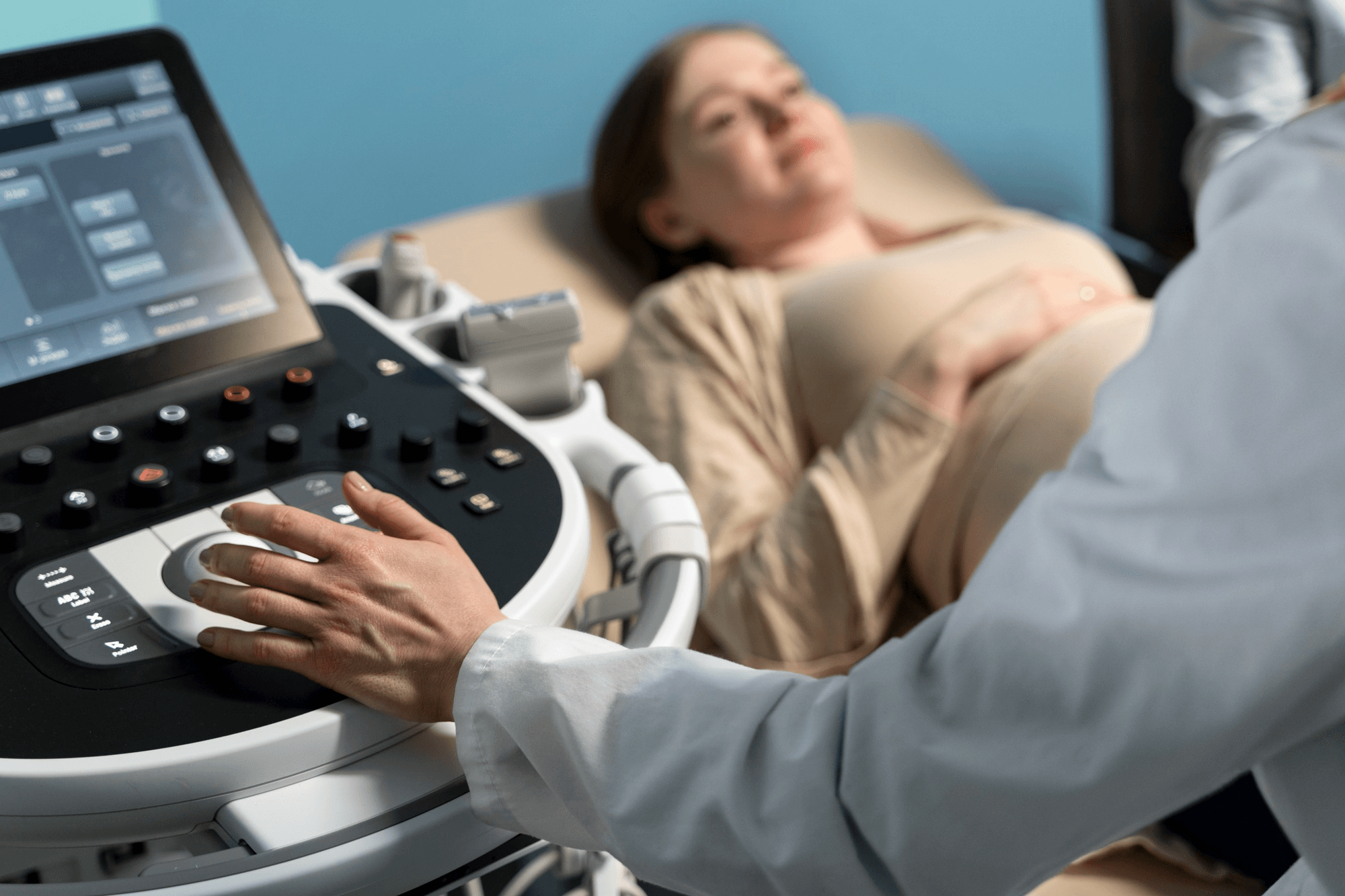
A woman counts down the pregnancy while resting comfortably on the bed and touching her bump.
The second trimester is often referred to as the "easiest" trimester, as many of the symptoms you experienced in early pregnancy have faded, and you have a sense of energy. As you adjust to accommodate your growing baby, you'll begin to notice more physical signs of changes, and the emotional development can be quite marked, too.
There are also developmental changes in the fetus during this second trimester, and your baby will grow rapidly and have major developments, too. While many women do feel better, you can still monitor yourself and remain up-to-date on issues surrounding trimesters.
By understanding changes during this trimester and learning what tests, things you should be doing, things you shouldn't be doing and what things to look out for, it will help your journey to be a happier and healthier one.
What Is The Second Trimester Of Pregnancy?
The second trimester starts at 13 weeks and ends after 27 weeks of pregnancy. It is the middle part of pregnancy, and many women report feeling the most comfortable during this trimester. Most of the first-trimester symptoms, such as morning sickness and fatigue, may have reduced.
You may begin to feel more energetic and notice more changes in your body, including your expanding belly. Some women can feel the first fetal movements between weeks 18 and 20, and this can result in you feeling more emotionally connected to the baby.
While the second trimester can seem like the "easiest" time during pregnancy, some women may still experience some symptoms or discomfort. Routine prenatal care visits are important throughout the second trimester.
Baby's Development In The Second Trimester
In the second trimester, your baby will experience rapid growth and start to resemble a newborn. Facial features are becoming more pronounced, the arms and legs will be fully developed, and your baby will even have little fingers and toes.
By month four, eyelashes, fingernails, eyebrows, and soft hair have appeared. By the fourth month, your baby can also begin to stretch and even suck its thumb. Around 18 weeks, 20 weeks, your baby will start to feel more noticeable as it begins to move. These movements will be subtle at first, like flutterings in your belly. They will then become more noticeable as the second trimester goes on. The sex of the baby can usually be determined on an ultrasound this trimester.
As the trimester approaches its end, their sense of hearing will increase, and the baby will begin to respond to sounds, including your voice. Survival rates for prematurity will also be better with technological advances and the neonate being provided with specialised neonatal care.
Discomforts Faced By Mothers In The Second Trimester Of Pregnancy
1. Appetite And Energy Levels
During this period, many women can experience a rise in appetite along with a feeling of extra energy in their bodies in comparison to the first trimester. This may be beneficial, though it may lead to overeating or digestion problems if not consumed in well-proportioned meals.
2. Skin And Body Changes
A dark line is present along the stomach, areolas become darker, and stretch marks can appear on the stomach, thighs, breasts, etc., as the skin starts stretching.
3. Circulation And Swelling
A mild amount of swelling may be present in the ankles, hands, and feet because of fluid retention. Varicose veins or hemorrhoids may appear due to increased pressure on the blood vessels.
4. Hormonal Changes
Bleeding gums, nasal congestion,n or occasional nosebleeds due to changing hormone levels can appear. Also, round ligament pain may also develop in tomen.
5. Digestive Problems
There may be an occurrence of constipation, bloating, or heartburn because of a slower digestive system.
6. Infections
Urinary Tract Infections and Yeast Infections are more probable. It is essential to observe for any itching, discharge, or burning during urination.
Crucial Tests During The Second Trimester Of Pregnancy
1. Ultrasound Scan
This detailed scan will be performed around the middle of your pregnancy to determine how the baby is developing overall and check that the brain, heart,, etc.bs etc, are all developing as expected.
2. Glucose Challenge Test/Screening for Gestational Diabetes
This test will check to see if your body can cope with the extra glucose you require when pregnant. It allows us to pick up if you have gestational diabetes, which would require careful management for both your and the baby's health.
3. Blood Group and Rh factor
It will be monitored whether you have Rh blood group antibodies; this can occur if your blood group differs from that of your baby.
4. Full Blood Test
This will assess your general health and rule out or check for conditions like anaemia, which can be prevalent in pregnancy.
5. Infection Screening
You will be screened for diseases such as syphilis to ensure any infection is detected and treated quickly.
These are a variety of tests, each performed for a different reason, to ensure you are healthy throughout your pregnancy.

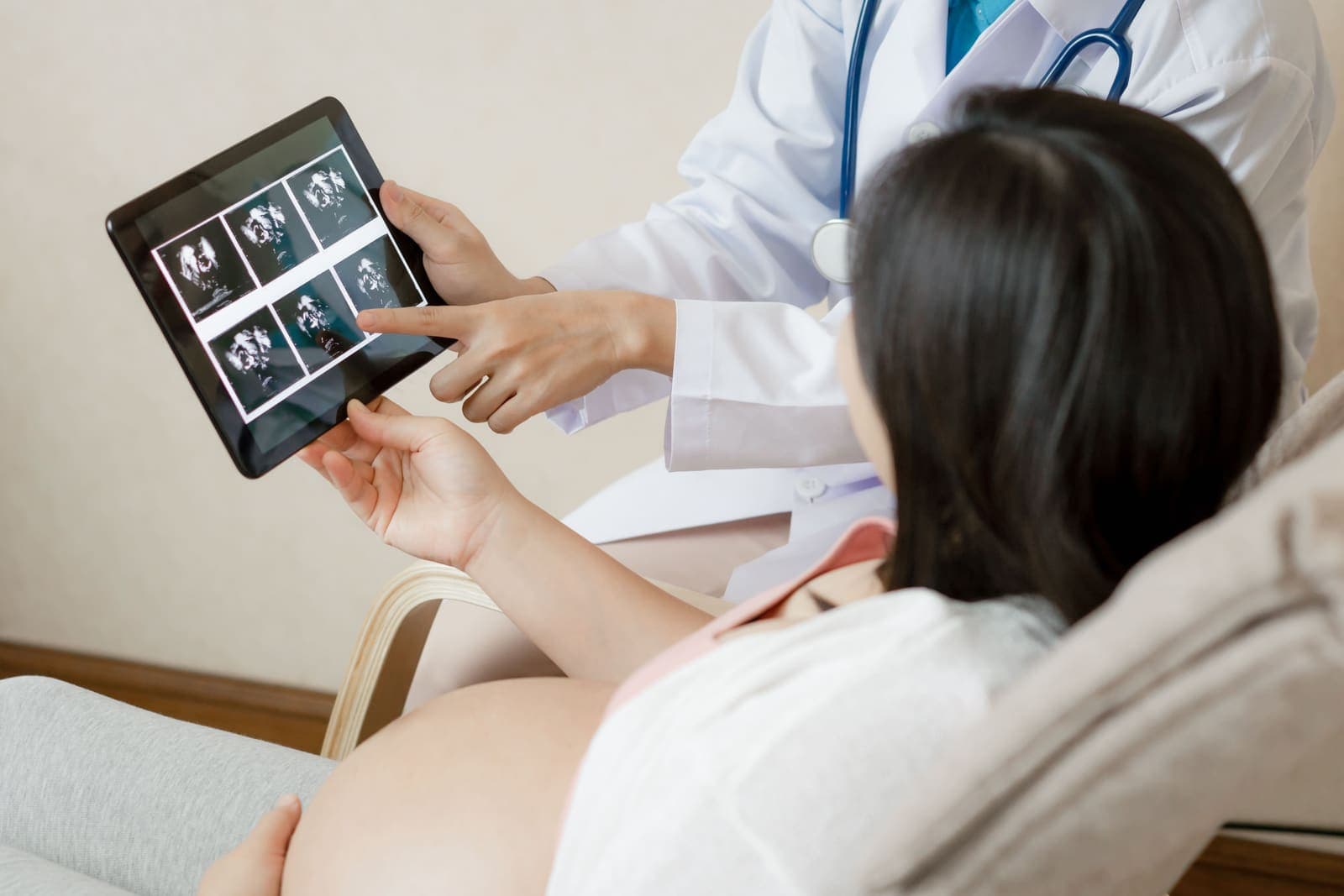
The mother admires sonogram photographs while having a relaxed and peaceful pregnancy
Dos In The Second Trimester Of Pregnancy To Stay Healthy
1. Be Moderately Active
Aim for light to moderate activity of about 20 minutes on a daily basis. This could be anything from walking, swimming or even prenatal yoga, that help to circulate your blood flow and promote energy. Remember to consult your physician before engaging in any form of exercise and discontinue any risky activity or contact sports.
2. Eat Balanced Meals
Nutritious meals are to be eaten from all of the protein groups, as well as whole grains, fruits, vegetables, and unsaturated fats. Eating well promotes the healthy growth of the baby and also helps to keep you energetic throughout the trimesters.
3. Take Prenatal Vitamins
Prenatal supplements are important to take in order to achieve a higher level of iron, calcium and folic acid intake.
4. Regular Check-Ups
Never miss an appointment with your healthcare provider so that your health and the baby's development may be monitored accordingly.
5. Get Adequate Sleep And Hydration
Always make sure that yoan u get an ample amount of rest and drink a lot of fluids to keep energised.
Don’ts In The Second Trimester Of Pregnancy
1. Avoid Harmful Foods
Do not eat raw or undercooked meat, unpasteurized dairy products, and lunch meats, as they are more likely to harbour bacteria. Limit consumption of high-mercury fish, which can be harmful to your baby's developing nervous system.
2. Steer Clear Of Dangerous Substances
Do not drink alcohol, smoke, or use drugs for recreational purposes. These can all be detrimental to your baby's growth and development.
3. Limit Heat Exposure
Do not use hot tubs or saunas, and try to avoid prolonged exposure to extreme heat, as this can be unsafe during pregnancy.
4. Exercise With Caution
Refrain from participating in contact sports or activities that put you at risk of falling or being injured, as your body is more fragile in pregnancy.
5. Hold Off On Certain Chores
Do not clean up cat litter boxes during pregnancy, due to the risk of contracting infections like toxoplasmosis.
6. Mind Your Sleep Position
Try not to lie flat on your back for prolonged periods of time. Sleeping on your side is preferable because it will increase the circulation to the baby and make you feel more comfortable.
When To Seek Medical Help?
- If you feel an unusual or very painful contraction of your abdomen, or cramping that does not subside with rest, contact your doctor.
- Contact your doctor if you see any bleeding from your vagina, even if it is very light.
- Seek medical assistance if you find you are having any difficulty breathing or have shortness of breath that seems to get steadily worse or is abnormal.
- Ring your healthcare provider if you are feeling steady, repetitive tightening, pain or pressure in your lower abdomen and or back more than four times an hour.
- Contact your healthcare provider if you feel a constant trickle or flow of fluid from your vagina, as this may be amniotic fluid.
- It is important not to ignore an abnormal amount of vaginal discharge, particularly if it is painful or causes itching and or smells different in pregnancy.
Final Thoughts
The second trimester is a crucial period for growth throughout the pregnancy and a more involved awareness of what your body is doing, so although it may seem faster and smoother than the first, you must continue to care for yourself and keep up with your routine appointments, staying healthy and watching for changes, but consulting with your doctor should you see anything and because all pregnancies are unique.
You should always be attentive to your body's symptoms, and with careful attention and the correct help, you will experience a second trimester that is happy and healthy as you prepare for the final third of your pregnancy.
Expert Care With Dr Shachi Singh
ConsDr Dr. Shachi Singh for reliable care, customised pregnancy treatment. A specialist in gynaecology, obstetrics and laparoscopy, she can offer you comprehensive support and care for every phase of womanhood. With compassion and excellence in medical procedures and treatment, Dr Shachi Singh makes sure you get the right, advanced and focused care from her.
From regular pregnancy checkups to treatments of various gynaecological disorders, she can offer you trusted, reliable medical care in a comforting space. Known as one of the most reliable gynecologists in Noida and Delhi NCR, she is committed to giving you a healthy and safe pregnancy.
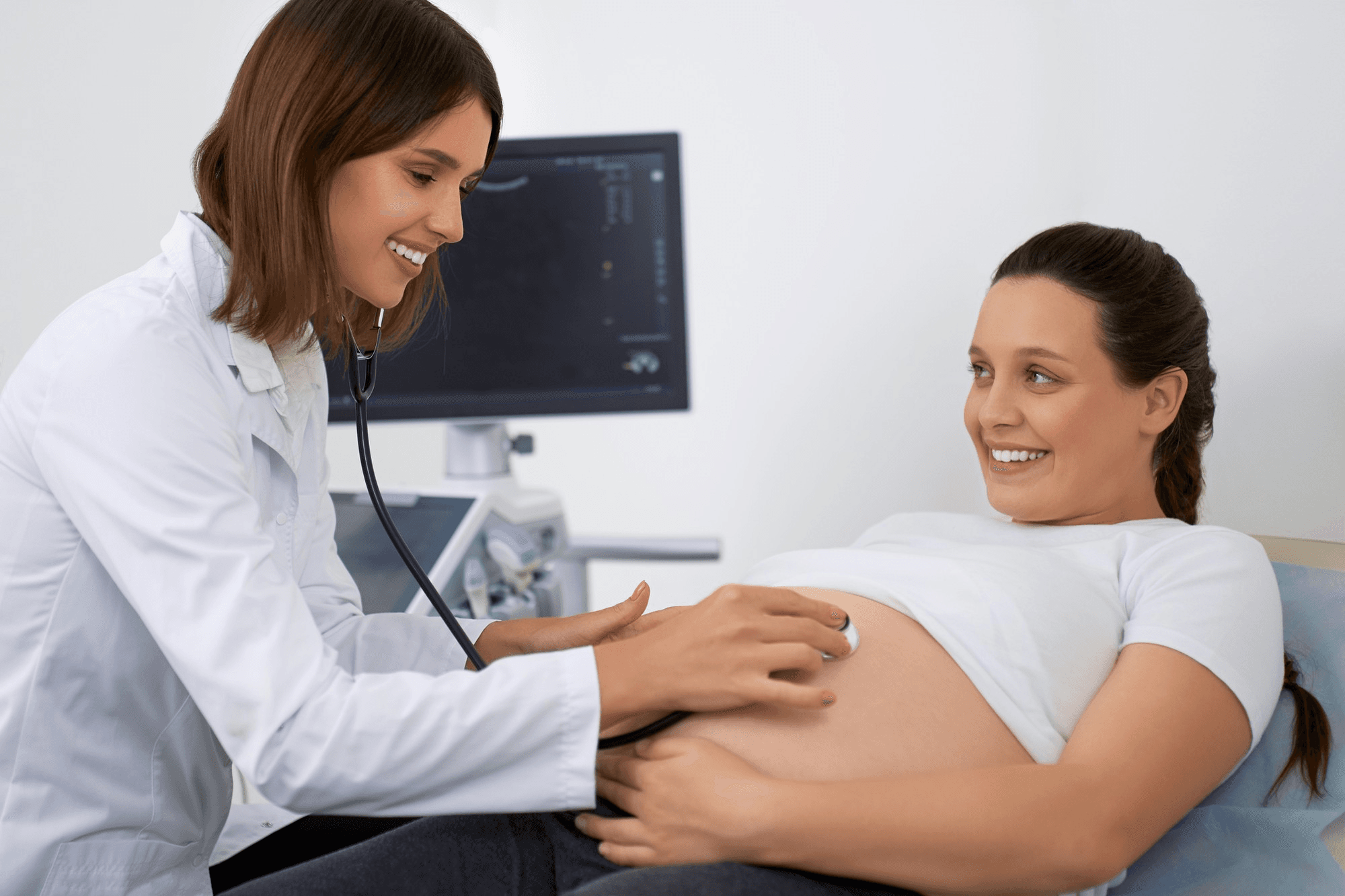
The patient is undergoing a pregnancy examination by a medical doctor.
Frequently Asked Questions (FAQs)
1. What's the healthy weight gain for the second trimester?
Your weight should ideally increase at the rate of about 0.4-0.5 kg per week (this rate varies as per pre-pregnancy BMI, condition of the mother).
2. Should I get the anomaly scan done in the second trimester?
Yes. The anomaly scan should ideally be conducted at about 18-22 weeks for a detailed assessment of fetal structure, growth, and to check for abnormalities.
3. How do I get the fetal growth checked in the second trimester?
It is done through routine antenatal check-ups, fundal height measurements, an ultrasound scan, and monitoring maternal weight gain, as well as general progression of the pregnancy.
4. When will I be able to feel fetal movements in the second trimester?
The mother can typically feel fetal movements between and 1820, weeks which may feel like fluttering to start with.