Lower Abdominal Pain in Women: Possible Causes
By Dr. Shachi SinghUpdated

Woman suffering from lower abdomen pain, unable to move, showing how severe these aches can get.
Lower abdominal pain in women is common and may originate from the reproductive organs, urinary tract, intestines, or muscles in the lower abdomen and pelvis. Some causes are mild and temporary, while others may require urgent medical care. Understanding the possible reasons and recognising warning symptoms is important for timely and appropriate treatment.
Key Areas That Can Cause Lower Abdominal Pain
In women, pain below the navel may originate from:
- Reproductive organs: uterus, ovaries, fallopian tubes
- Urinary system: bladder, urethra, and sometimes pain referred from the kidneys
- Digestive system: small and large intestine, appendix, rectum
- Muscles, ligaments and nerves in the abdominal wall and pelvic floor
Because these structures are located close to one another, the pain may feel similar even though the underlying cause is different.
Gynaecological Conditions That May Trigger Lower Abdominal Pain
1. Menstrual Cramps (Dysmenorrhoea)
- You usually feel cramping, aching pain right before or during your period.
- It shows up most often in your lower belly, your lower back, or sometimes even down in your thighs.
- Sometimes, it is accompanied by nausea, loose stools, headaches, or just feeling wiped out.
- Mild cramps are pretty normal. But if your pain suddenly gets worse or changes in a way that doesn’t feel right, it’s better to check in with your Gynaecologist.
2. Ovulation Pain (Mittelschmerz)
- You might notice a sharp or dull ache on one side of your lower belly, usually halfway through your cycle.
- Sometimes it’s over in a few minutes, other times it lingers for a day or two. Some people also spot a little or feel a weird twinge or heaviness in their pelvis.
- Most of the time, it’s nothing to worry about. But if the pain gets worse, then you need to consult your gynaecologist.
3. Endometriosis
- With endometriosis, tissue a lot like the lining of your uterus starts growing where it shouldn’t, outside the uterus.
- This often means really painful periods, ongoing pain in your pelvis or lower belly, pain during or after sex, heavy or unpredictable bleeding, and sometimes trouble getting pregnant.
- Endometriosis usually needs care from a gynaecology specialist.
3. Ovarian Cysts
- These are fluid-filled sacs that form in or on the ovaries.
- Tiny ones often fly under the radar with no symptoms at all. But when they grow bigger or get complicated, you notice.
- There’s sudden or nagging pain on one side of your lower belly, maybe some bloating or a heavy feeling.
- The pain can ramp up if you move around, exercise, or have sex.
- If a cyst bursts or twists, you might feel nauseous and abdominal pain.
4. Pelvic Inflammatory Disease (PID)
- An infection of the uterus, fallopian tubes, or ovaries, often caused by untreated sexually transmitted infections.
- Symptoms may include persistent lower abdominal or pelvic pain, pain during intercourse, abnormal vaginal discharge, irregular bleeding or spotting, and fever, chills, or a general feeling of illness.
- Early diagnosis and treatment are important to prevent long-term fertility problems.
5. Ectopic Pregnancy (Emergency)
- A pregnancy that develops outside the uterus, usually in a fallopian tube.
- Possible signs include sharp one-sided lower abdominal pain, vaginal spotting or bleeding, shoulder tip pain, dizziness or fainting, and a missed period or positive pregnancy test.
- This condition requires immediate hospital care.

Woman having painful abdominal aches, with the uterus beside her showing that various gynaecological issues may cause this.
Common Urinary Causes of Lower Abdominal Pain in Women
1. Urinary Tract Infection (UTI)
An infection affecting the bladder or lower urinary tract. Common symptoms of UTI are:
- Burning or pain while passing urine
- Frequent urge to urinate, often with small volumes
- Pressure or dull pain low in the abdomen
- Cloudy, strong‑smelling or blood‑tinged urine
- Mild fever or feeling nauseous.
2. Kidney Infection (Pyelonephritis)
A UTI that has spread to the kidneys. Symptoms may include:
- Fever and chills
- Pain in the side or back, as well as the lower abdomen
- Nausea, vomiting and general weakness
This also needs prompt medical attention.
Digestive Causes Behind Lower Abdominal Pain in Women
1. Constipation
Infrequent, hard or difficult‑to‑pass stools can cause the following problems:
- Dull, crampy lower abdominal pain
- Bloating and gas
- A feeling of incomplete emptying
2. Irritable Bowel Syndrome (IBS)
A functional gut condition where you experience the following problems:
- Cramping abdominal pain, often eased after a bowel movement
- Alternating diarrhoea and constipation
- Bloating, gas and abdominal discomfort
- Mucus in the stools
3. Gas and Bloating
Trapped gas can trigger sharp, cramp‑like pain in the lower abdomen. Often associated with:
- Swollen or tight feeling in the tummy
- Audible bowel sounds
- Relief after passing gas or stool
4. Appendicitis (Emergency)
Inflammation of the appendix has the following pattern:
- Pain often starts near the belly button and moves to the lower right side
- Pain becomes sharper and more constant over hours
- Loss of appetite, nausea and vomiting
- Fever and worsening tenderness
Untreated appendicitis can lead to rupture and serious infection.
Musculoskeletal and Other Causes
Not all lower abdominal pain comes from internal organs. Some possible sources include:
- Strained abdominal or pelvic muscles (heavy lifting, intense exercise)
- Pelvic floor muscle tension or spasm
- Nerve pain or pain referred from the lower back or spine
- Scar‑related pain after previous surgery or caesarean section
These pains are often linked to specific movements and may improve with rest, stretching and physiotherapy.
Warning Signs: When to Seek Urgent Medical Care
- Don’t wait, get medical help right away if you suddenly feel intense or quickly worsening pain in your lower belly.
- If that pain comes with a high fever, chills, nonstop vomiting, or if you feel faint or like you might pass out, that’s a warning signal.
- Also, if you have severe pain on one side and you’ve missed your period or have a positive pregnancy test, especially if there’s any bleeding or spotting, don’t ignore it; go straight to urgent care.
- Blood in your urine or stool, black or tarry stools, or pain after a fall or an accident all need immediate attention too.
- These symptoms can mean serious problems like ectopic pregnancy, appendicitis, a ruptured cyst, a bad infection, or even internal bleeding.
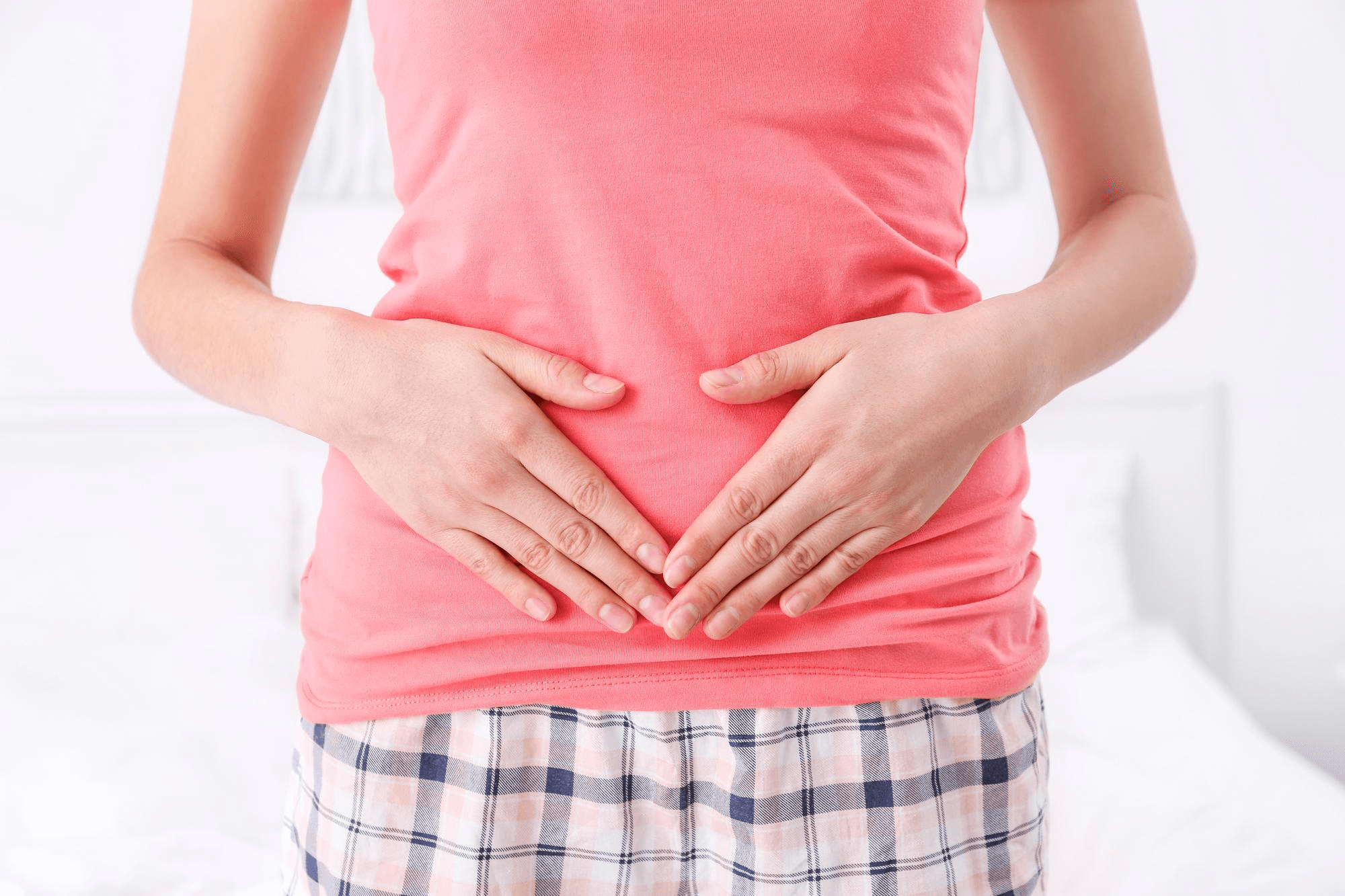
Woman holding her abdominal area, conveying that it should be cared for and routinely checked.
Final Thoughts
Lower abdominal pain in women shows up for all sorts of reasons; sometimes it’s just part of your cycle, but it can also signal something more serious. Noticing when it starts, how strong it feels, and what else is going on really matters. Getting checked early means you find answers fast, get the right treatment, and protect your health in the long run.
Expert Care with Dr Shachi Singh
If lower abdominal pain persists or becomes intense, contact Dr Shachi Singh. She’s an expert in gynaecology, obstetrics, and laparoscopic surgery. With her, you’ll get a thorough diagnosis and treatment designed for you.
Book a consultation and take charge of your health today.