Back Pain During Periods: Why It Hurts & What Actually Helps
By Dr. Shachi SinghUpdated
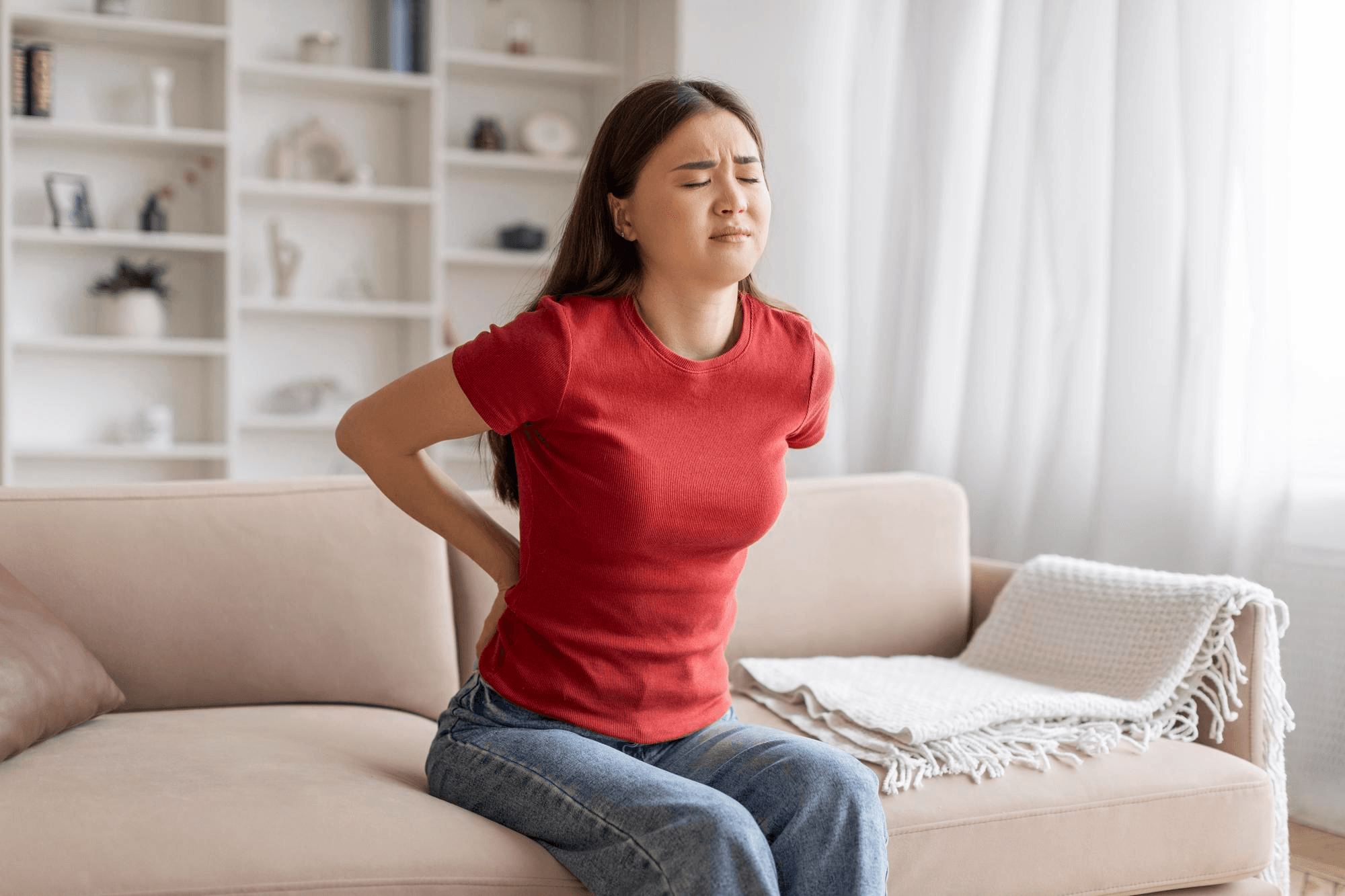
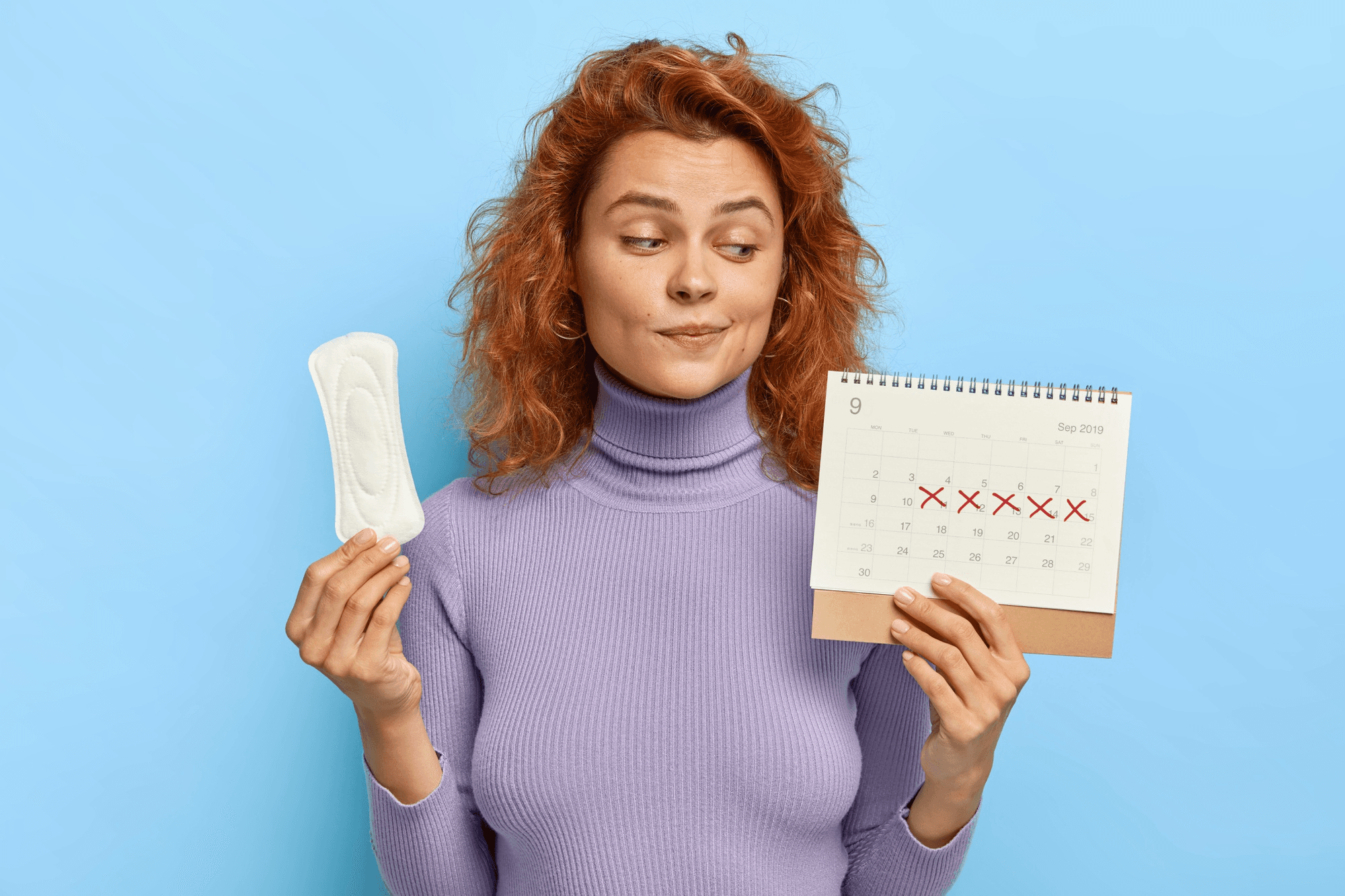
Woman experiencing lower back pain during her periods.
Lower back pain that shows up when your period starts is something a lot of women deal with. Although people say it’s just part of having a period, sometimes the pain gets so bad that it throws off your whole day. When it messes with your job, plans with friends, or just getting through regular stuff, you want real answers and some relief.
What's Making Your Back Hurt?
When you’re on your period, your uterus contracts hard to get rid of its lining. That pain doesn’t always stay put; it often creeps into your lower back and hips, making everything feel sore.
Main Triggers:
- Those uterine contractions can send pain shooting into your sacroiliac joints and lower back muscles.
- Prostaglandins, those chemicals that ramp up both pain and cramping, crank up the discomfort even more.
- Bloating and water retention leave your lower back muscles feeling stiff and achy.
- And honestly, it’s easy to start slouching or tensing up when cramps hit, which just makes your back feel worse.
Common Reasons for Menstrual Back Pain
1. Typical Menstrual Cramps
- These show up like clockwork, usually on the first or second day of your period.
- You’ll feel that familiar cramping pain, sometimes with a side of nausea. Most of the time, the pain sticks around for a day or two and responds pretty well to a heating pad or some ibuprofen.
2. Endometriosis
- This one’s different. The pain runs deep and just won’t quit, often starting even before your period begins.
- It gets worse with every cycle, and sex can be uncomfortable or even painful.
- You might notice heavier periods, blood clots, or even have trouble getting pregnant.
3. Fibroids
- Periods get heavier, and you might feel pressure in your pelvis.
- The back pain comes from fibroids pushing against your lower back.
- If they’re pressing on your bladder or bowel, you’ll probably run to the bathroom more often or feel constipated.
4. Adenomyosis
- With this condition, your uterus can feel swollen or sore.
- Period pain isn’t just uncomfortable, but it can get so intense that you dread your next cycle.
5. Pelvic Inflammatory Disease (PID)
- If you’ve got PID, you might notice a low fever and vaginal discharge that seems off.
- Back pain is common, and sex or even a bowel movement can hurt.
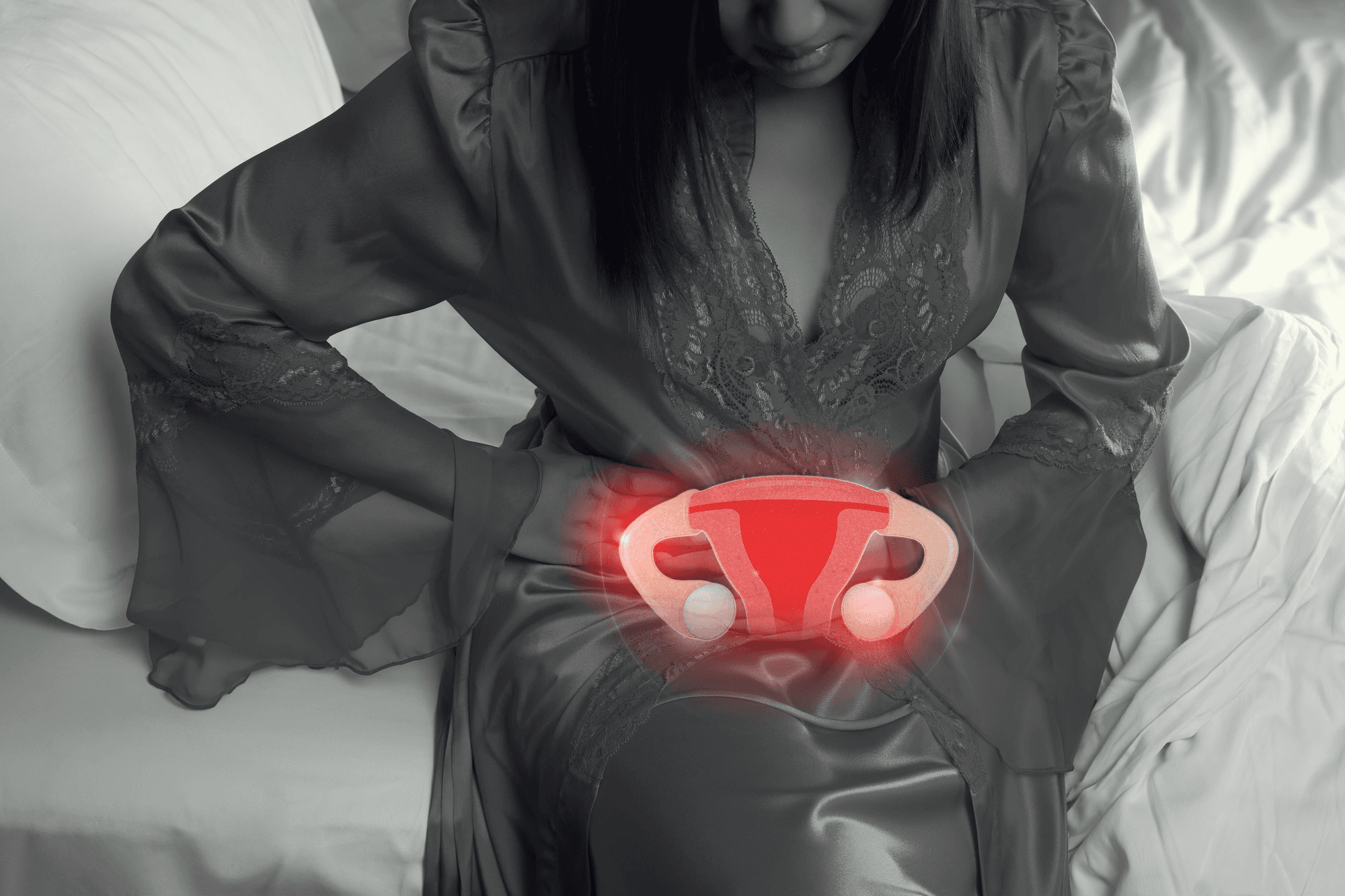
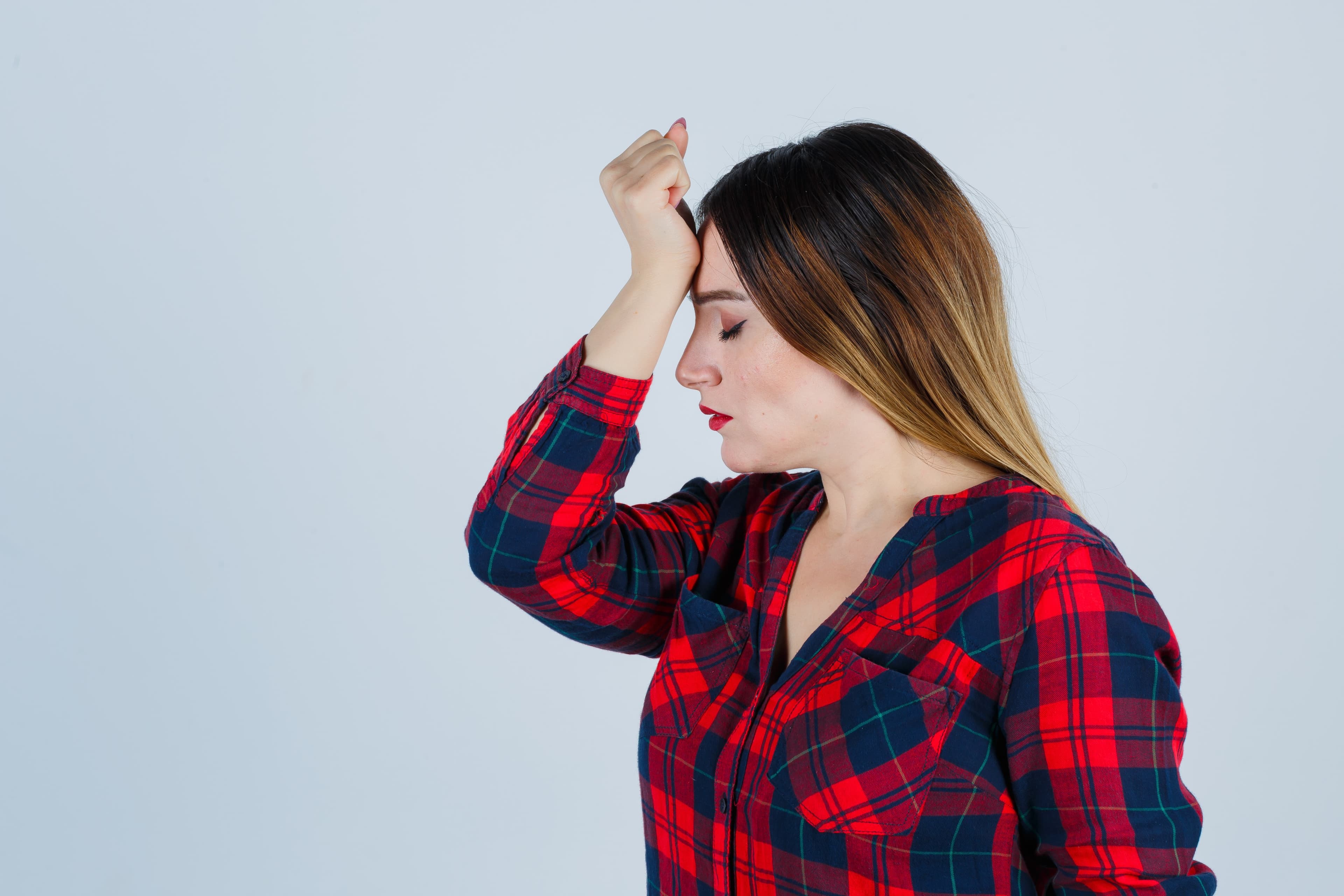
Woman suffering from severe period cramps as she sits on her bed.
Effective Relief Strategies for Menstrual Back Pain
1. Heat Therapy
Use a heating pad on the lower back for 20 minutes on and off, or a hot water bottle wrapped in a towel. A warm bath or shower can also help, especially with Epsom salts.
2. Posture and Movement
Lie on your side with a pillow between your knees, sit with a lumbar roll or rolled towel, try child’s pose or knees-to-chest stretch, and walk for five minutes every hour.
3. Medication Timing
Take ibuprofen 400–600 mg at the first sign of cramps and repeat every 6–8 hours for one to two days with food.
4. Diet Tips
Ginger tea may ease nausea and cramps. Eat bananas for potassium and avoid excess salt to reduce bloating. Smaller, more frequent meals are often better tolerated.
When Over-The-Counter Medicines Are Not Effective
- When over-the-counter painkillers aren’t cutting it, doctors usually turn to stronger options. Sometimes that means prescription-strength NSAIDs or combo pain meds to get the inflammation and pain under control.
- Hormonal birth control or a hormonal IUD can also help, since they lower prostaglandin levels and make periods less painful.
- For really bad muscle cramps, doctors might prescribe muscle relaxants.
- Some women find real relief with other therapies, too, such as acupuncture, TENS units that use mild electrical pulses, or even gentle, prenatal-style massages (nothing too intense).
- These treatments can make a big difference, especially for conditions like endometriosis.
When To Seek a Gynaecologist's Help
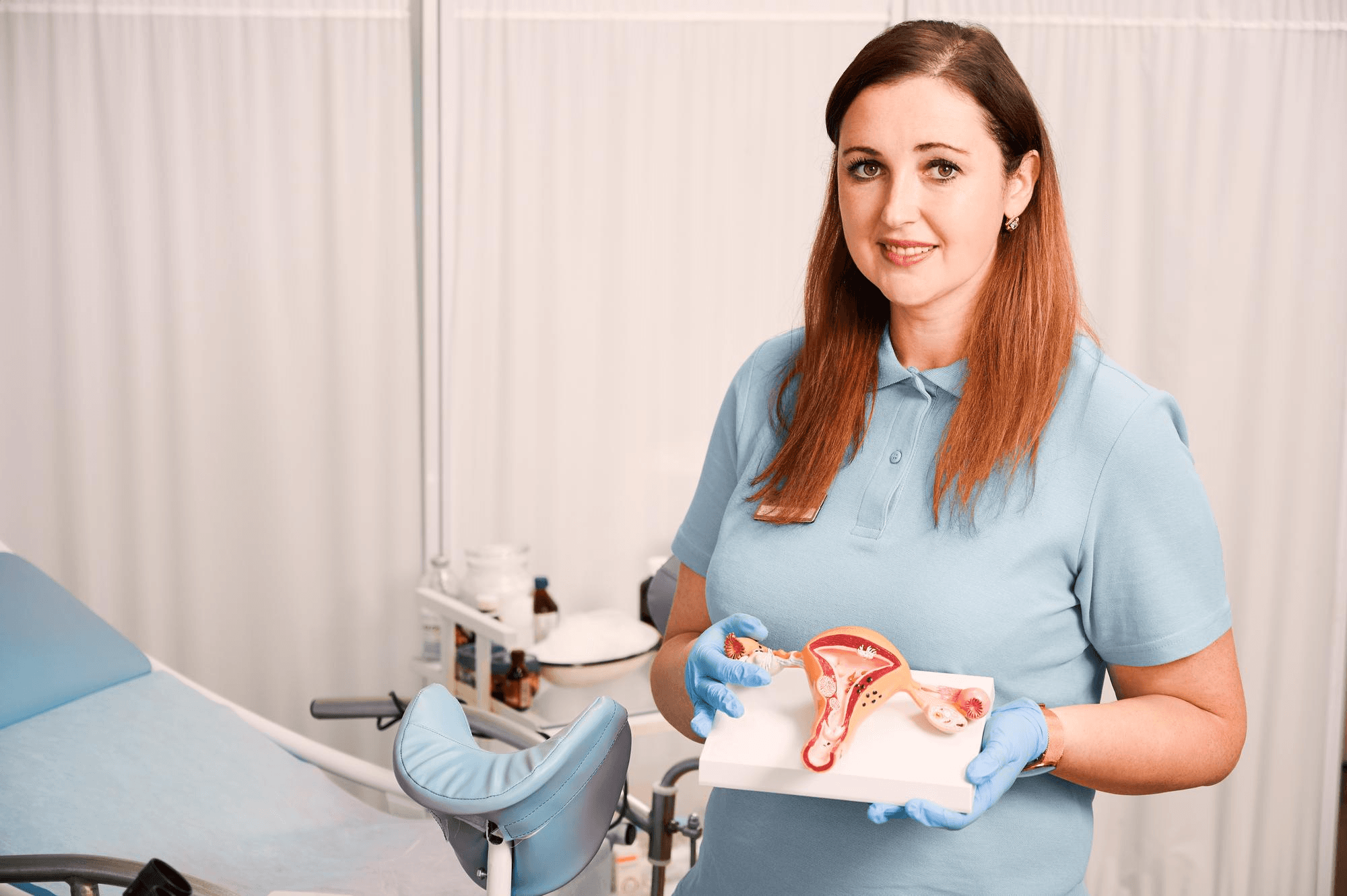
If your period or back pain messes with your work, school, sleep, or just gets in the way of your day-to-day life, it’s time to book a regular gynaecologist’s visit. You should see a gynaecologist:
- If you’re bleeding so much you have to change pads every hour, if you start having weird or new pain after age 35, or if it hurts during sex or when you go to the bathroom.
- If you have a fever with serious back pain.
- If you test positive for pregnancy and feel sharp pain on one side.
- If you keep throwing up and can’t hold down fluids for more than half a day.
Go to urgent care or the ER if you suddenly get the worst pain you’ve ever felt, which could also mean a ruptured ovarian cyst. When things get really worse, don’t wait; get help right away. These can be signs of serious problems that need quick treatment.
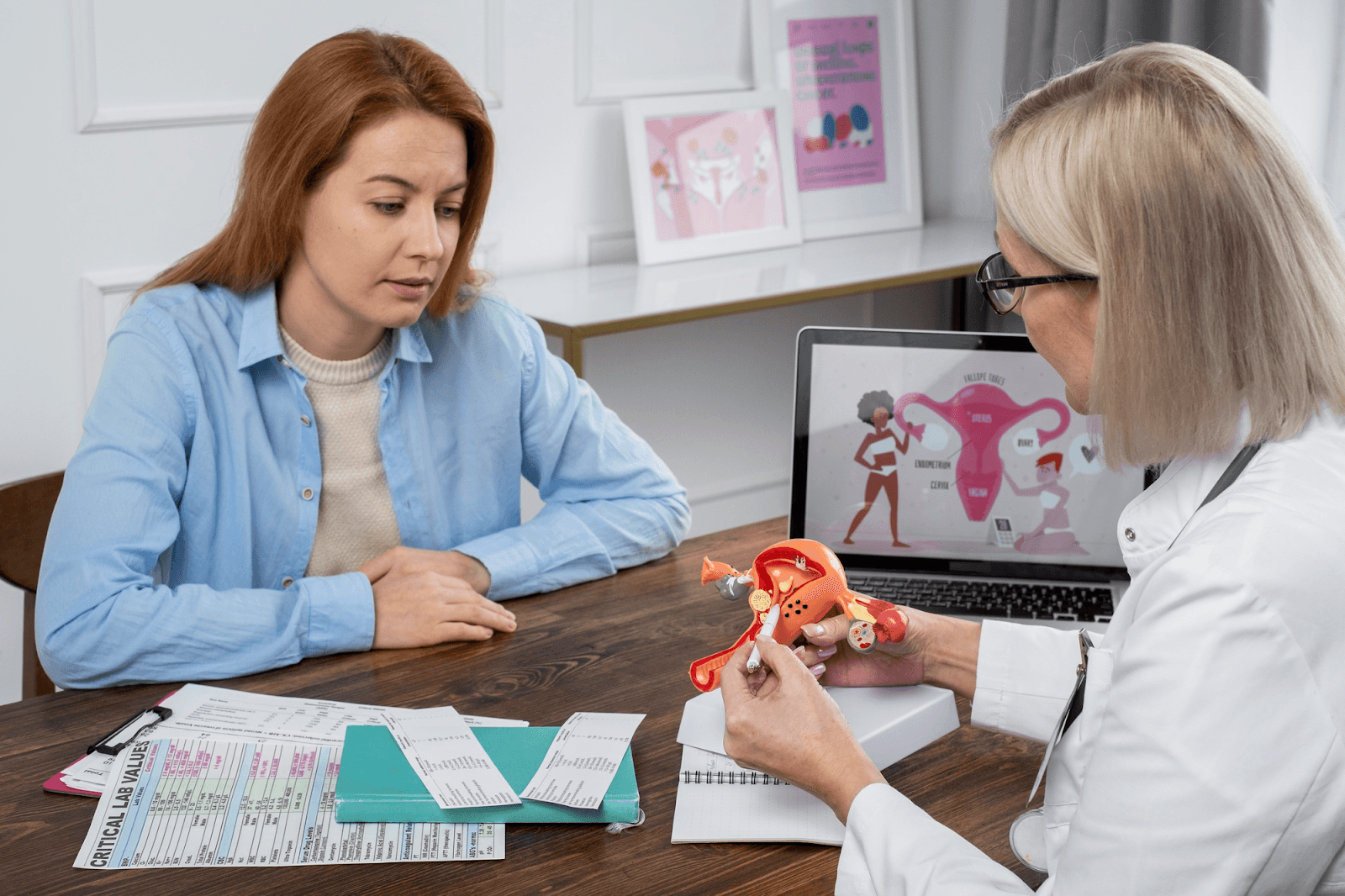
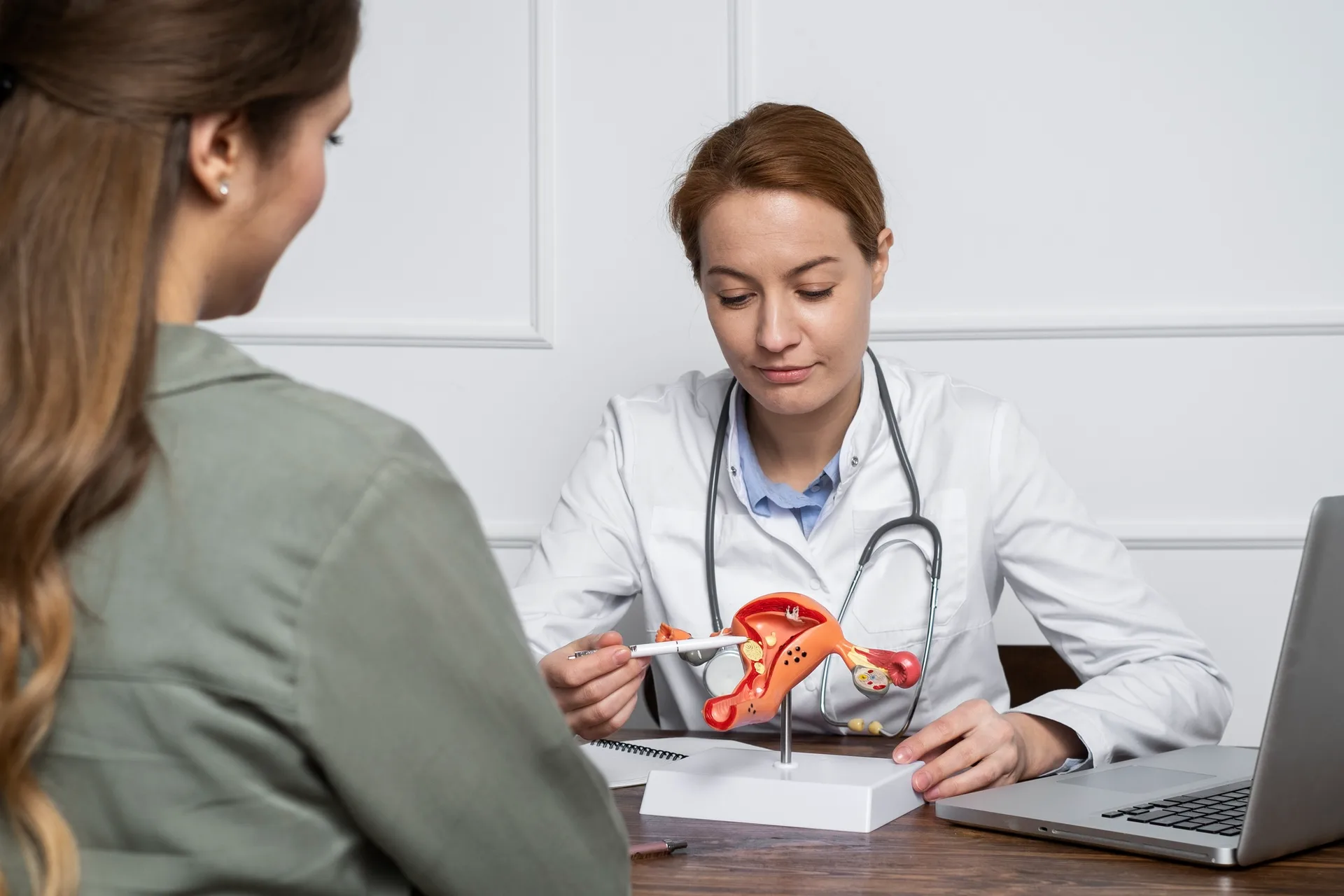
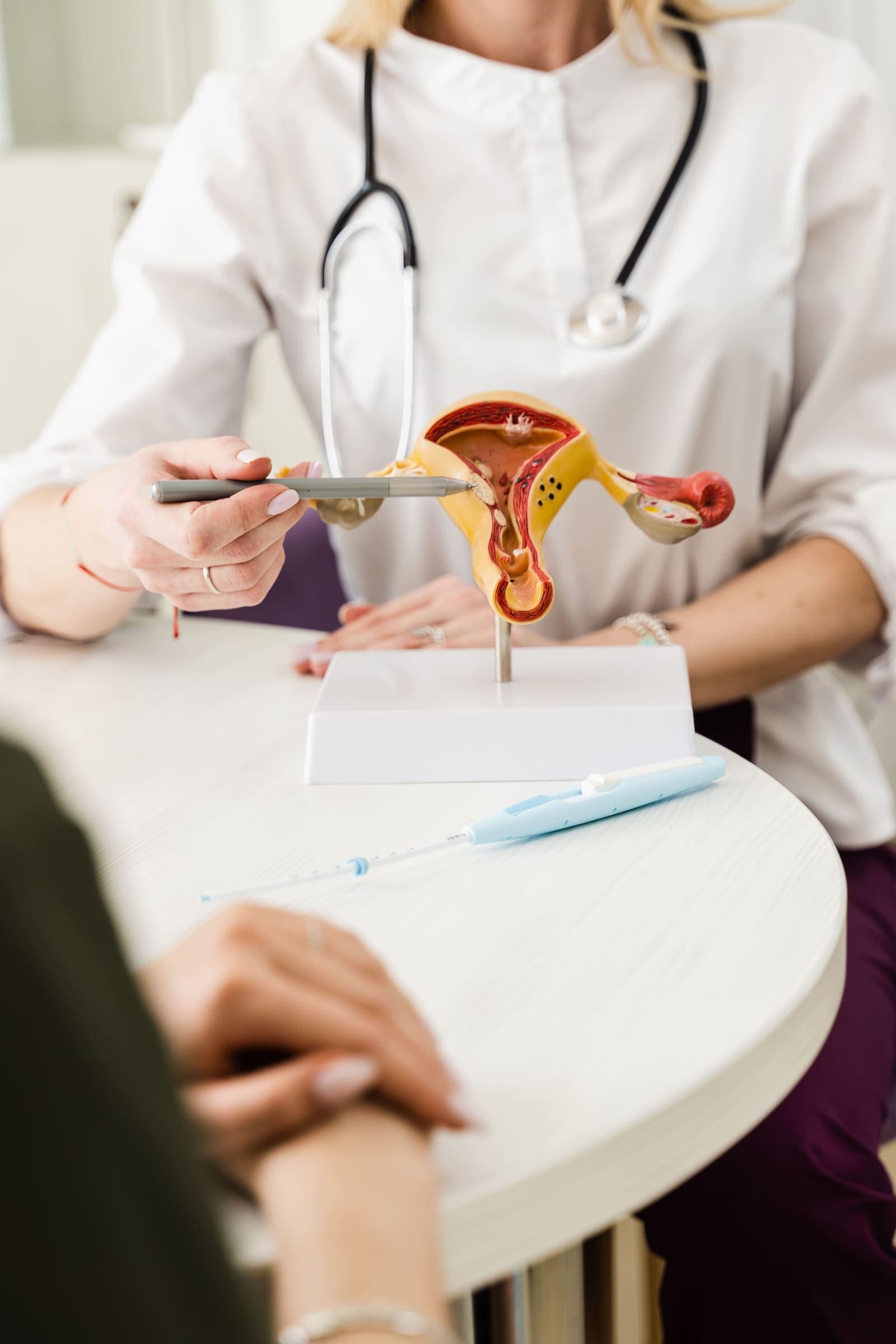
Woman consulting a gynaecologist due to experiencing pain during her periods.
Final Thoughts
Menstrual back pain is pretty common; usually, it’s your uterus contracting or those pesky prostaglandins at work. Things like a heating pad, the right meds, some gentle movement, and eating well can really help. But don’t just push through if the pain sticks around or feels intense. Figure out what’s going on and consult your gynaecologist to keep your periods manageable and comfortable.
Expert Care With Dr Shachi Singh
If your period pain or back aches are making daily life hard, it’s time to get some real help. Dr Shachi Singh- an experienced Gynaecologist, Obstetrician, and Laparoscopic Surgeon. She knows how to get to the bottom of tricky menstrual issues. She offers everything from advanced surgical solutions to personal, thoughtful care.
Book a visit and take control of your menstrual health now.