Early Detection Through Preventive Cancer Screening for Women
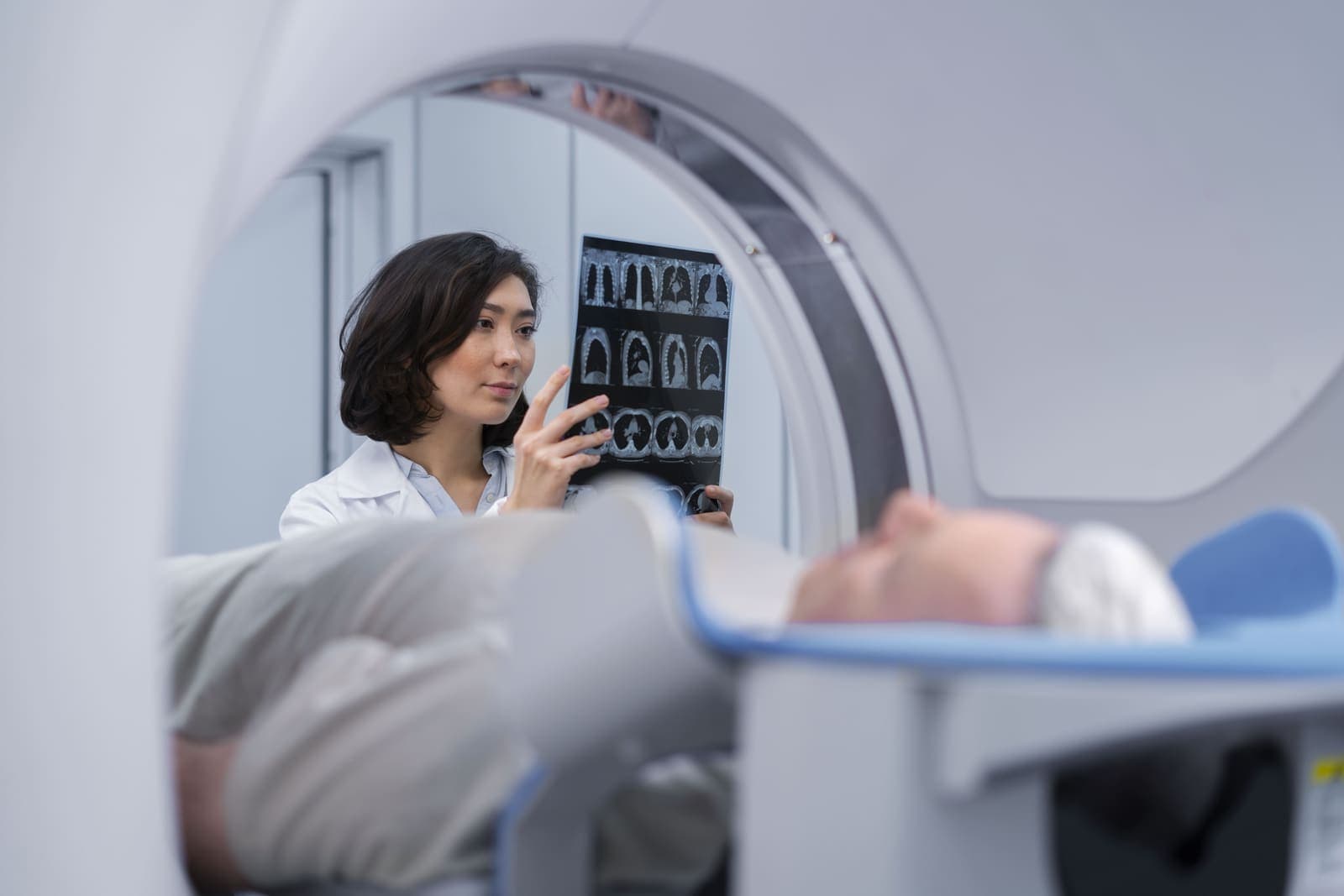
Cancer screening is a vital component of preventive women’s healthcare, aimed at detecting abnormalities at an early and treatable stage. Regular screening significantly improves outcomes by identifying precancerous changes before they develop into advanced disease. It is an essential part of long-term health planning for women.

Cervical and Breast Screening for Timely Intervention
Screening procedures such as cervical and breast evaluations are simple, effective, and recommended at regular intervals based on age and medical history. Early detection through screening reduces the need for aggressive treatments and increases the chances of successful management.
Empowering Women Through Proactive Healthcare
Proactive cancer screening empowers women to take control of their health through informed and timely medical care. Regular screening forms a critical part of comprehensive gynecological services in Noida focused on prevention and early intervention.
Cervical Cancer Screening: Pap Smear, HPV Co-testing and Colposcopy
Cervical cancer screening begins with the Pap smear, which collects cells from the cervical surface for microscopic examination to detect abnormal or precancerous changes. Guidelines recommend beginning screening at age 21, with a Pap smear every three years for women aged 21 to 29 with normal results. From age 30, HPV co-testing, which checks for the presence of high-risk human papillomavirus strains alongside the Pap smear, may be offered every five years if both results are normal.
HPV is the primary cause of cervical cancer, and identifying a persistent high-risk HPV infection allows for closer surveillance even when the Pap smear result appears normal. The combination of Pap smear and HPV co-testing provides greater sensitivity for detecting early cervical abnormalities than either test alone. Dr. Shachi Singh discusses the most appropriate screening schedule for each patient in Noida based on age, previous results and individual risk factors.
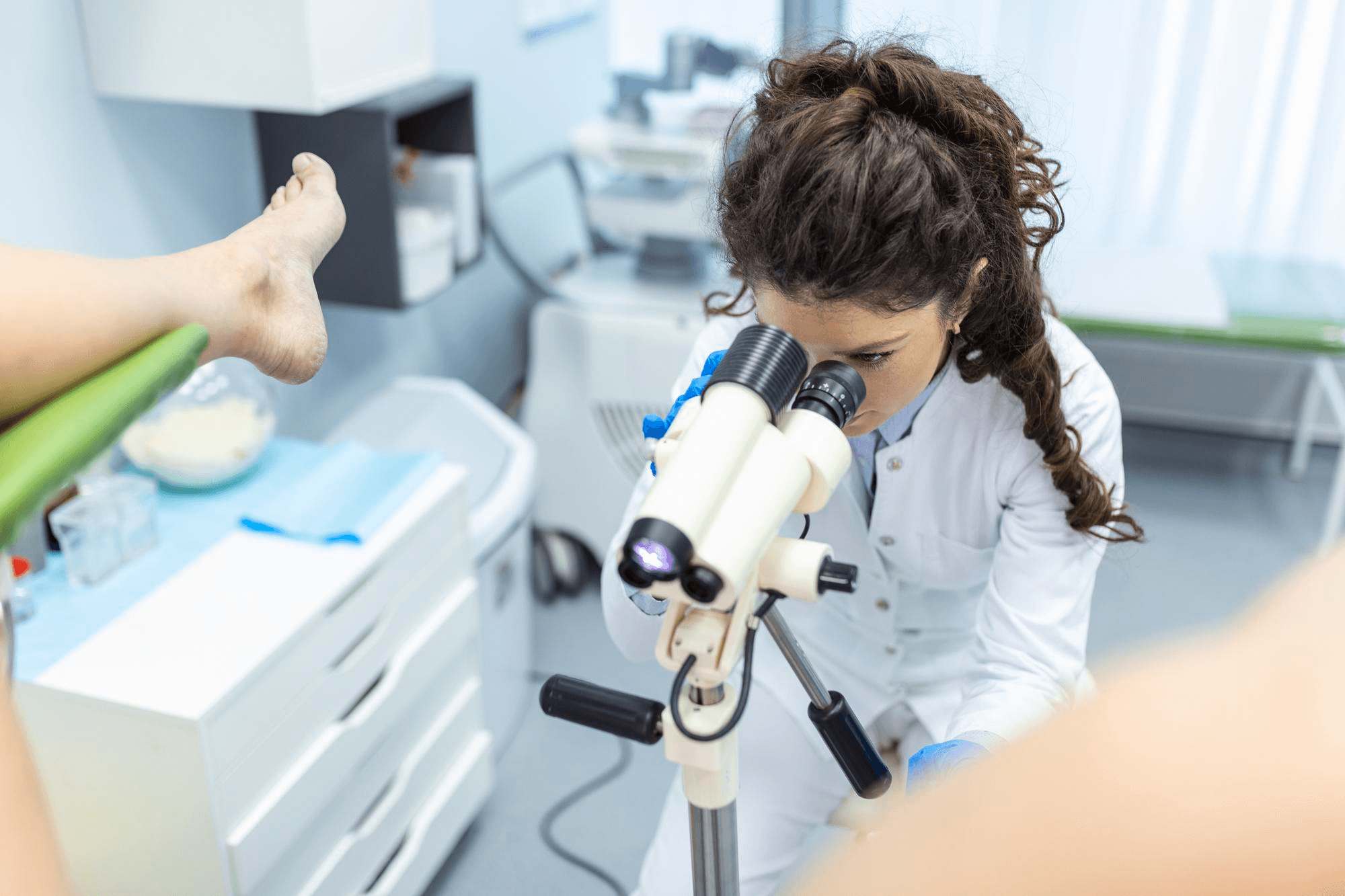
If an abnormal Pap smear result is returned, a colposcopy may be recommended as the next step. This is an outpatient procedure in which the cervix is examined using a magnifying instrument called a colposcope, with acetic acid or iodine applied to highlight any abnormal areas. Targeted biopsies can be taken during colposcopy to confirm the diagnosis and determine whether treatment such as LLETZ is required to remove the abnormal tissue.
Breast Cancer Screening: Clinical Exam, Mammography and Ultrasound
Breast cancer is the most common cancer affecting women, and regular screening significantly improves the chances of detecting it at an early, treatable stage. Clinical breast examination by Dr. Shachi Singh forms part of every routine gynecological check-up and assesses for lumps, skin changes, nipple discharge and lymph node abnormalities. Women are also taught to perform monthly self-examination at home to complement clinical review.
Mammography is the standard imaging tool for breast cancer screening and is typically recommended for women from the age of 40 to 50 onwards, with the exact starting age and frequency guided by individual risk factors and clinical history. It uses low-dose X-rays to detect abnormalities such as microcalcifications and masses that may not be palpable on examination. For younger women or those with dense breast tissue, breast ultrasound provides better visualisation and is commonly used alongside or instead of mammography.
Women with a family history of breast or ovarian cancer, those who carry BRCA gene mutations, or those with other high-risk factors may need to begin screening earlier and at more frequent intervals. Dr. Shachi Singh reviews each patient's family and personal history as part of the cancer screening assessment at the clinic in Noida and recommends an appropriate imaging schedule accordingly.
Understanding Pap Smear Results: Normal, ASCUS, LSIL and HSIL
A normal Pap smear result means that no abnormal cells were detected in the cervical sample and that routine repeat screening at the recommended interval is all that is required. ASCUS, which stands for atypical squamous cells of undetermined significance, is the most common abnormal result and indicates that some cells look slightly unusual but are not clearly precancerous. In this case, HPV testing is often used to determine whether further investigation is needed.
LSIL, or low-grade squamous intraepithelial lesion, indicates mild dysplasia and is associated with HPV infection. Many LSIL results resolve on their own without treatment, particularly in younger women, though close follow-up with repeat testing is recommended to confirm resolution. HSIL, or high-grade squamous intraepithelial lesion, represents more significant cellular changes and requires colposcopy and likely treatment to prevent progression to cervical cancer.
Dr. Shachi Singh ensures that all patients in Noida who receive abnormal Pap smear results are given a clear and thorough explanation of what the result means, what it does not mean, and what the recommended next step involves. Receiving an abnormal result does not automatically mean cancer is present, and understanding the result accurately helps reduce unnecessary anxiety while ensuring appropriate follow-up is completed.
Who Is at Higher Risk and Needs Earlier or More Frequent Screening
Certain women have a higher baseline risk of developing gynecological cancers and benefit from earlier initiation or more frequent intervals of screening. For cervical cancer, women who became sexually active at a young age, have had multiple sexual partners, have a history of HPV infection, smoke, or have a compromised immune system are at increased risk and should be screened diligently. Those with a history of abnormal Pap smear results or previous cervical treatment also require closer surveillance.
For breast cancer, a first-degree family history of breast or ovarian cancer, known BRCA1 or BRCA2 gene mutation, personal history of atypical breast biopsy findings, and prior radiation therapy to the chest area all confer significantly elevated risk. Women in these categories are typically advised to begin annual mammography and possibly MRI screening from the age of 30 or earlier, depending on the level of risk.
Dr. Shachi Singh conducts a thorough risk assessment during cancer screening consultations at the clinic in Noida, reviewing personal and family history in detail to identify women who need an individualised, more proactive screening programme. Understanding personal risk empowers women to make informed decisions about the frequency and type of screening that is right for them.
Condition Treated
Cancer screening at Dr. Shachi Singh's clinic in Noida is designed to detect cervical precancerous changes, HPV-related cervical abnormalities, early-stage cervical cancer, breast abnormalities and other gynecological cancers at the earliest possible stage when treatment is most effective. Women with risk factors such as a family history of cancer, prior abnormal Pap results or immunocompromise receive an individualised, more frequent screening protocol to ensure thorough surveillance. The programme also addresses post-screening follow-up for women with abnormal findings, guiding them through colposcopy, biopsy and treatment pathways with clear communication and compassionate support at every step.