High-Risk Pregnancy: Causes and Care

A pregnant woman looks unwell, clutching her stomach, showing symptoms often seen in high-risk pregnancies.
A high-risk pregnancy means there’s a bigger chance of health problems for the mother, the baby, or both. This can happen for a bunch of reasons, maybe the mom has high blood pressure, diabetes, is carrying twins or more, is older, or had trouble with past pregnancies. The label “high-risk” sounds scary, but honestly, most of these pregnancies turn out just fine with good care. Catching issues early, showing up for regular checkups, making healthy choices, and listening to your doctor all make a huge difference. That’s how you give yourself and your baby the best shot at a smooth, healthy pregnancy.
High-Risk Pregnancy
A high-risk pregnancy means there’s a bigger chance that either the mother, the baby, or both could face health problems at some point, before, during, or after birth. Sometimes, things like high blood pressure, diabetes, infections, carrying twins, being an older mom, or having trouble in past pregnancies set the stage for these risks. Still, when doctors spot the issues early and keep a close eye on things, most women with high-risk pregnancies go on to have safe deliveries and healthy babies.
Key Medical Issues that Make Pregnancy High-Risk
1. Multiple Gestation (Twins, Triplets, or More)
- Carrying more than one baby really pushes your body.
- The chances of early labor, low birth weight, and high blood pressure go up.
- You’ll need more frequent ultrasounds and checkups to keep an eye on things.
2. Placental Problems
- Sometimes the placenta covers the cervix (that’s called placenta previa) or starts to separate too soon (placental abruption).
- Both can cut off oxygen and nutrients to the baby. They can also cause bleeding, so doctors watch these situations closely.
3. Cervical Insufficiency
- If the cervix starts to open too soon and there aren’t any contractions, there’s a risk of miscarriage or early birth.
- Doctors sometimes use a stitch, called a cerclage, or keep a close watch to help prevent problems.
4. Gestational Hypertension & Preeclampsia
- High blood pressure while you’re pregnant isn’t something to mess around with.
- It can mess with your organs and slow the baby’s growth.
- Regular checkups, keeping blood pressure under control, and planning when to deliver all matter here.
Causes of High-Risk Pregnancy
1. Maternal Health Conditions
Long-term health problems like diabetes, high blood pressure, thyroid issues, or heart disease can make pregnancy more complicated.
2. Age-Related Factors
Getting pregnant before 18 or after 35 bumps up the risks. You’re more likely to face things like early labor or problems with the baby’s chromosomes.
3. Lifestyle Factors
Smoking, drinking, eating poorly, or carrying extra weight all put extra stress on both mom and baby. These habits can slow down the baby's growth and take a toll on the mother's health.
4. Pregnancy-Related Issues
Carrying twins or more, dealing with infections, or having trouble during a previous pregnancy-these all push a pregnancy into the high-risk category.
Symptoms of High-Risk Pregnancy
1. Physical Warning Signs
Intense belly pain, headaches that won’t quit, blurry vision, or your face and hands swelling up out of nowhere.
2. Vaginal Changes
If you notice heavy bleeding, fluid leaking, or anything weird with your discharge, don’t ignore it.
3. Fetal Concerns
Pay attention if your baby moves less than usual or stops moving altogether.
4. General Health Symptoms
A high fever, feeling dizzy, struggling to catch your breath, throwing up a lot, or putting on weight really fast-these matter too.
High-Risk Pregnancy: Treatment and Management
1. Regular Monitoring
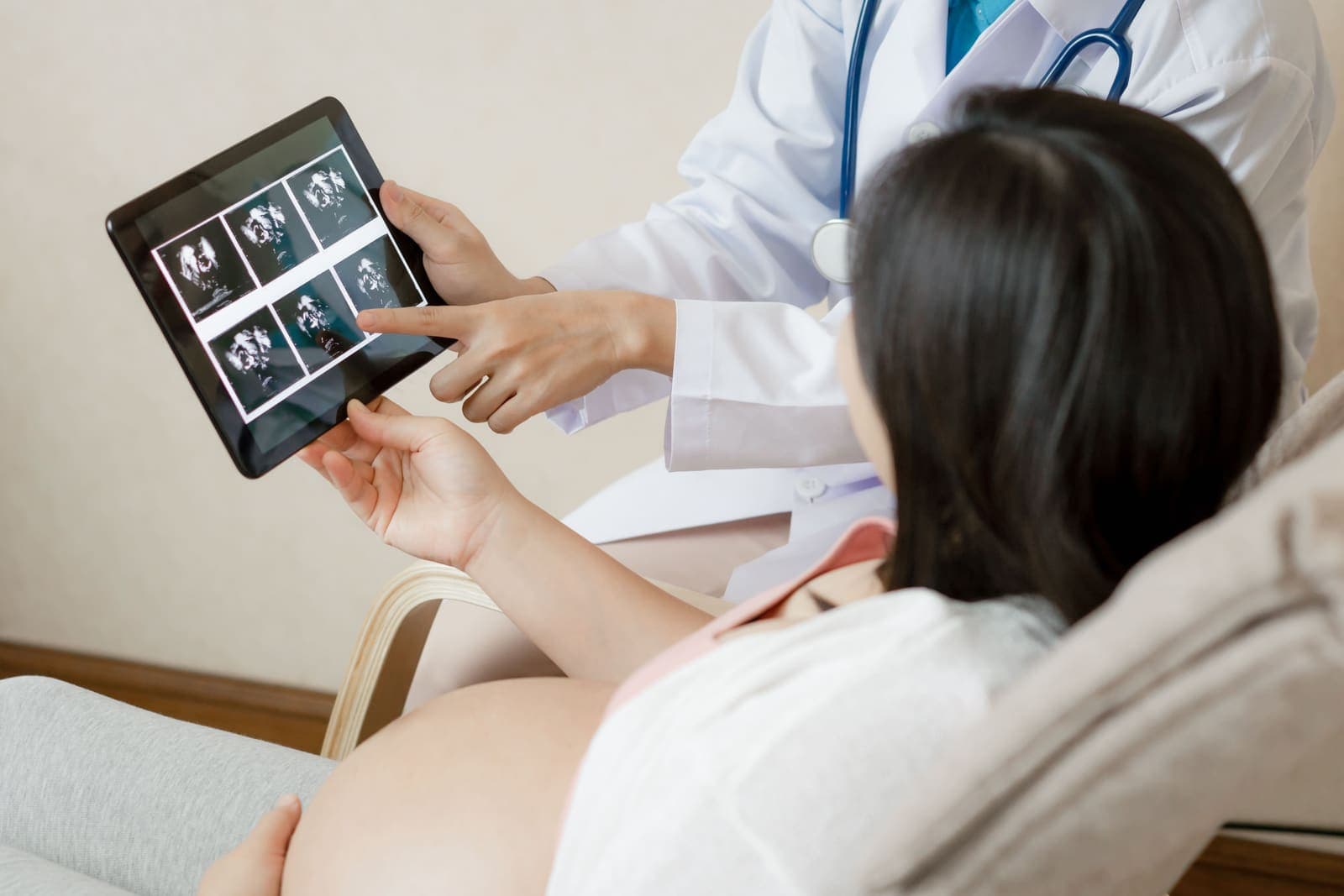
You’ll have more prenatal visits, ultrasounds, and blood tests than usual. These help your care team keep an eye on your baby’s growth and catch any problems early.
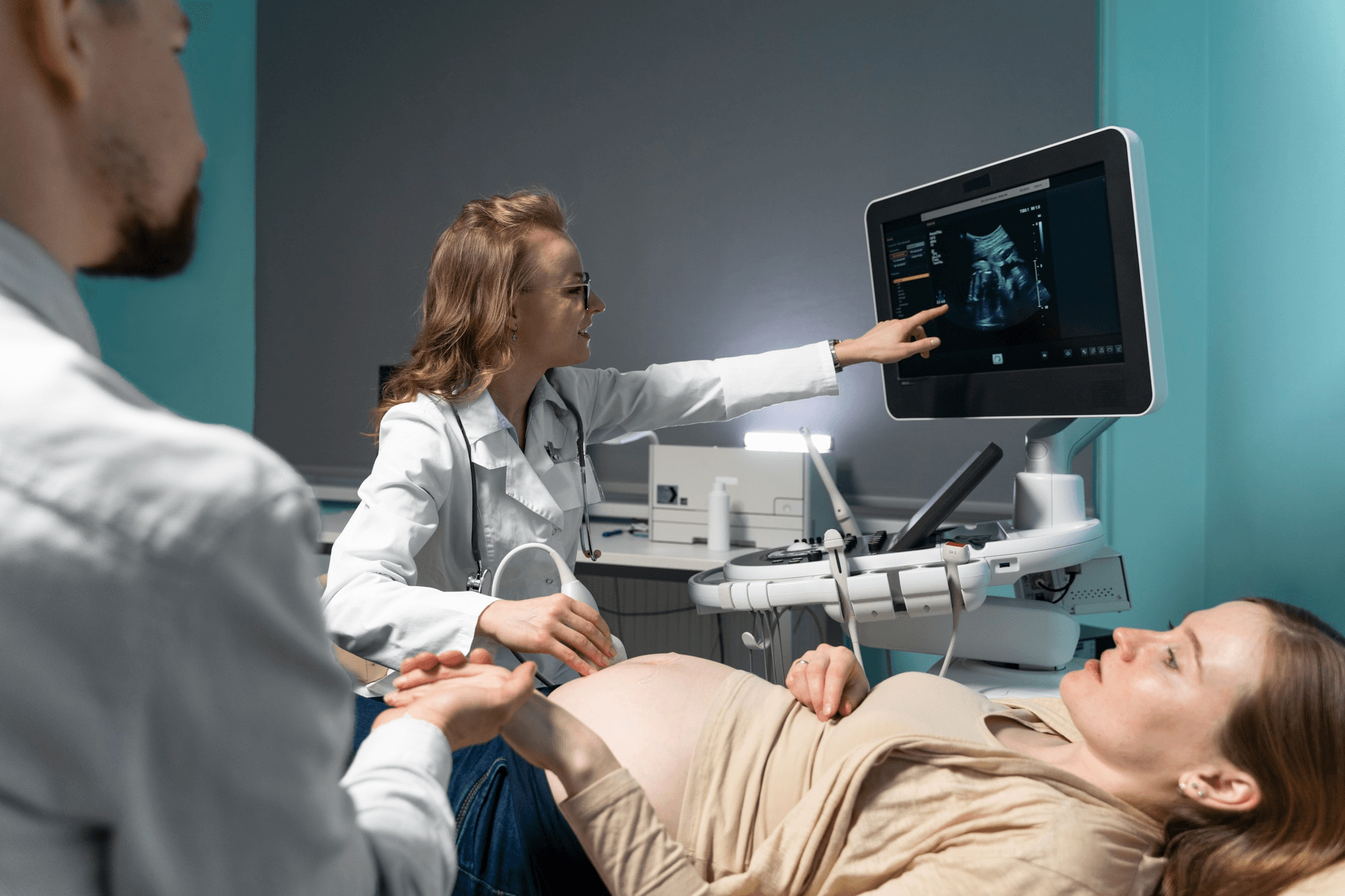
An expectant mom talks with her doctor about ultrasound results, stressing the need for checkups in risky pregnancies.
Imager Description: A pregnant woman gets an ultrasound while the doctor checks the scan routine, prenatal care in action.
2. Medications and Medical Care
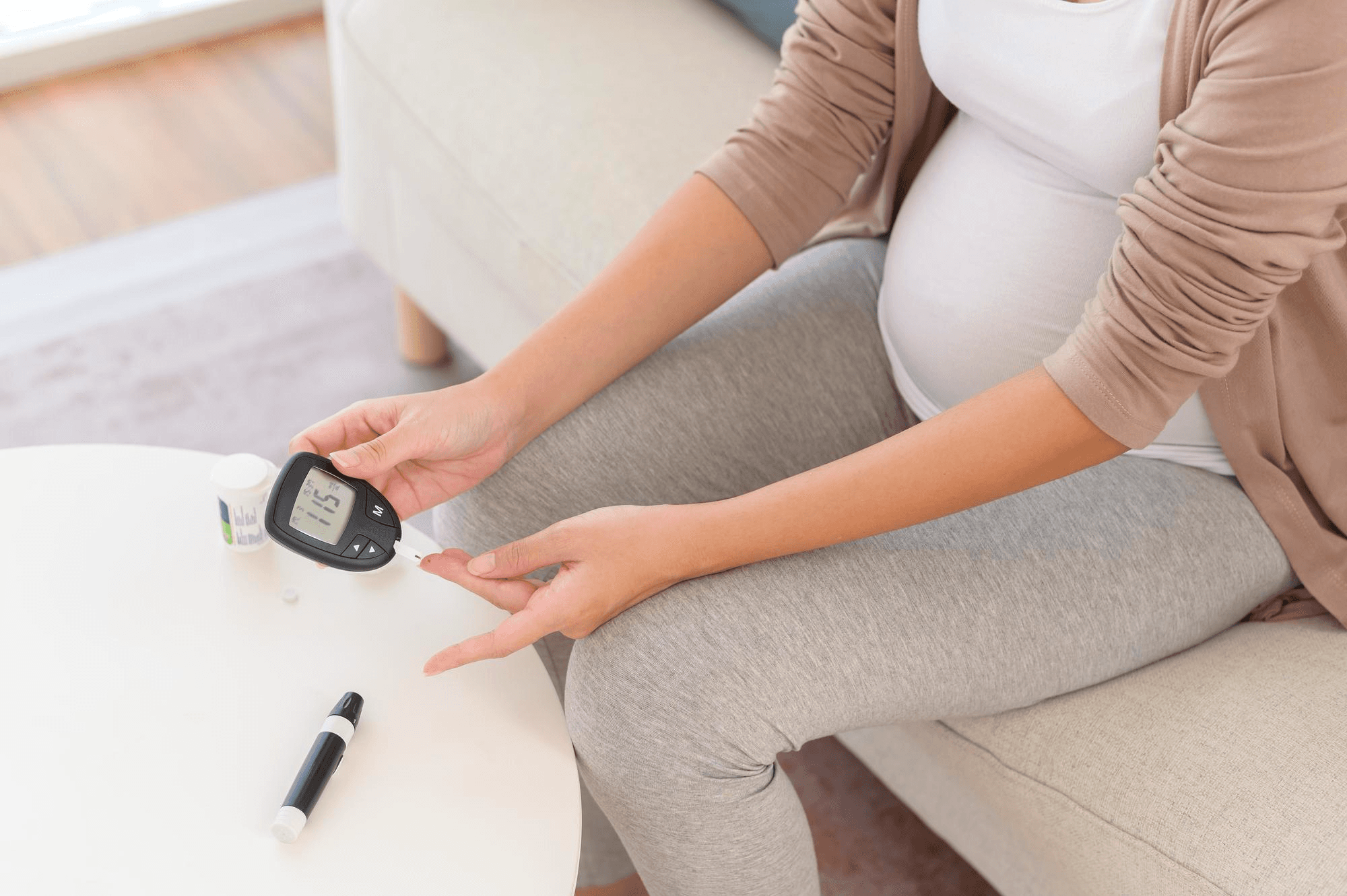
Doctors step in with medicine when you need it, whether that’s to manage your blood pressure, keep your blood sugar on track, fight off infection, or help prevent preterm labor.
3. Lifestyle and Diet Support
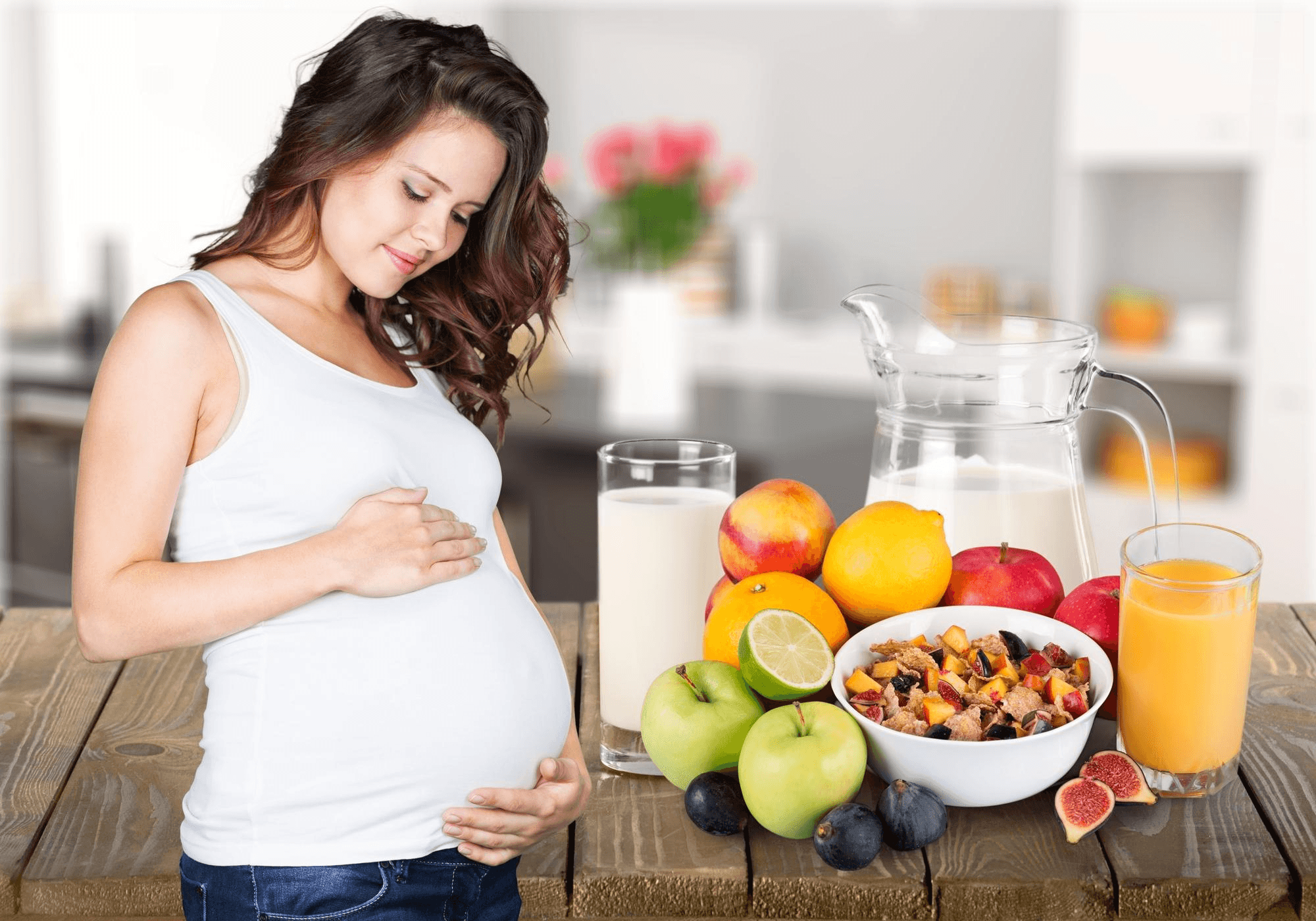
Eating well, getting enough sleep, staying hydrated, and skipping cigarettes and alcohol really matter. These choices make a big difference in lowering risk.
4. Specialized Interventions
Sometimes, you need extra help. That might mean a procedure like cervical cerclage, a hospital stay, or planning for an early delivery if things get complicated.
5. Team-Based Care
You’re not alone in this. An obstetrician, a maternal-fetal medicine specialist, and a nutritionist work together to give you and your baby the best shot at a healthy outcome.
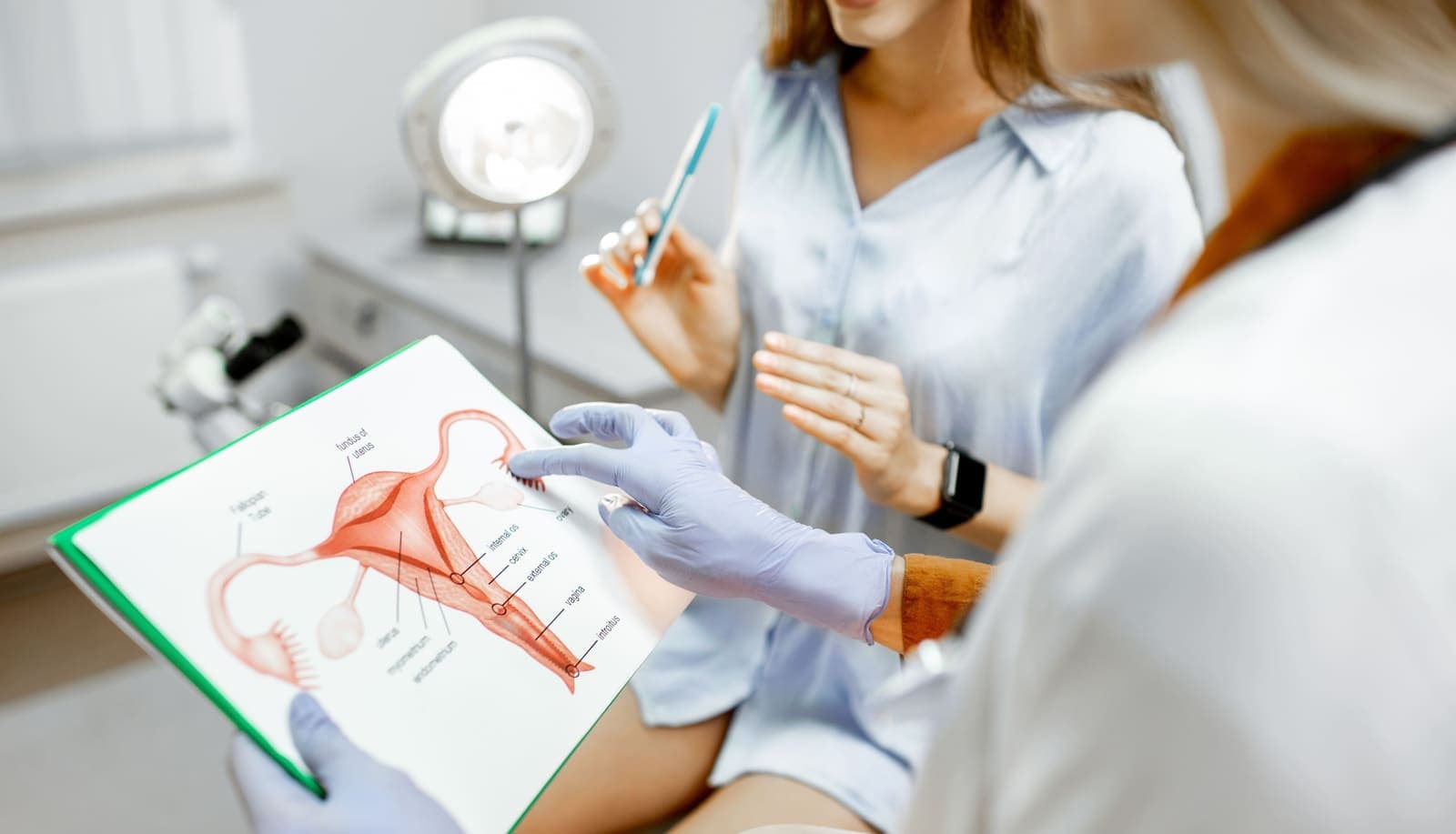
When To Visit a Gynecologist During a High-Risk Pregnancy?
- Go as soon as you know you’re pregnant, don’t wait. Your doctor needs a baseline check to see where things stand from the start.
- Don’t ignore new or worsening symptoms. If you feel severe pain, notice bleeding, have swelling that won’t go down, get strong headaches, or your vision changes, call your gynecologist right away.
- Pay attention to your baby’s movements. If your baby starts moving less or you notice a drop in activity, it’s time for a visit.
- If you already have health issues like diabetes, high blood pressure, thyroid problems, or heart conditions, schedule regular check-ins.
- Always stick to your follow-up appointments. High-risk pregnancies need extra monitoring; don’t skip any visits your doctor recommends.
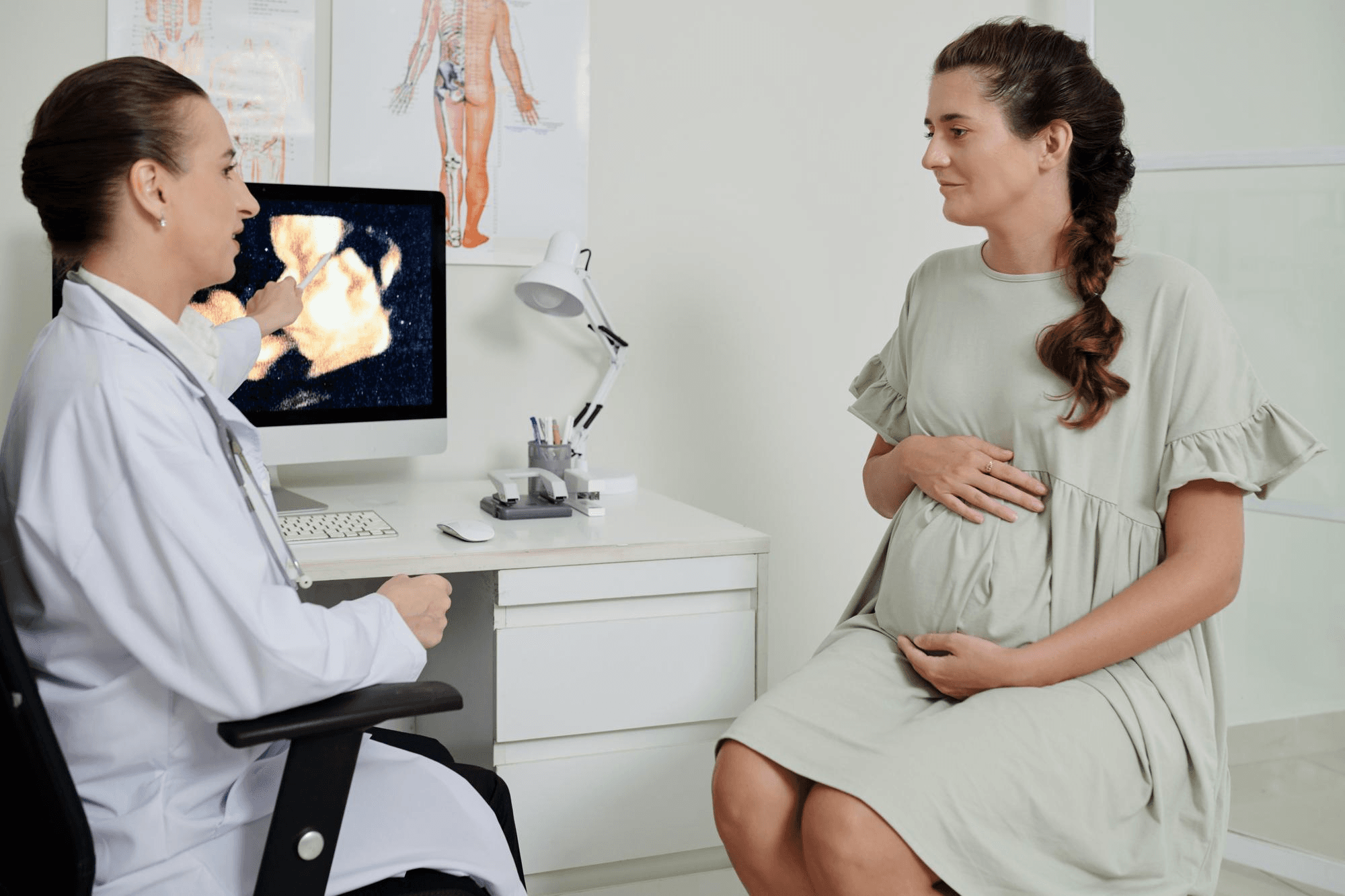
An expectant mom talks with her doctor about ultrasound results, stressing the need for checkups in risky pregnancies.
Final Thought
High-risk pregnancy can feel scary, but with early checkups, regular monitoring, and the right care team, most women do well. Learn the warning signs, follow your doctor’s advice, and keep up healthy habits-these steps really lower the risks.
Stay informed, ask questions, and you’ll help keep both you and your baby safe from start to finish.
Expert Care With Dr. Shachi Singh
Facing a high-risk pregnancy? Don’t wait, get expert help right away. Dr. Shachi Singh specializes in Obstetrics, Gynecology, and Laparoscopic Surgery, offering personalized care, advanced monitoring, and real support. With the right plan and close attention, you and your baby get the best start possible.
Book a consultation now for answers, reassurance, and the care you deserve.