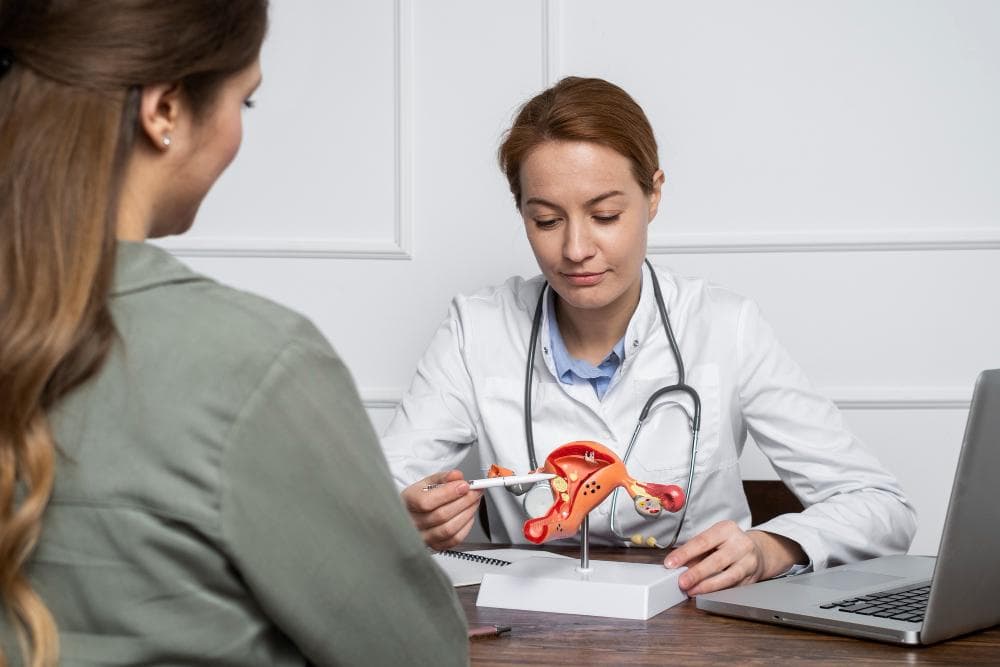
Infertility is defined as the inability to conceive after twelve months of regular unprotected intercourse in women under the age of 35, or after six months in women aged 35 and above. For older women or those with known risk factors such as irregular cycles, a history of pelvic infection or previous reproductive surgery, seeking evaluation sooner is advisable. Dr. Shachi Singh in Noida recommends that couples do not delay consultation if there are any identifiable concerns, as earlier investigation often leads to more effective and less invasive treatment.
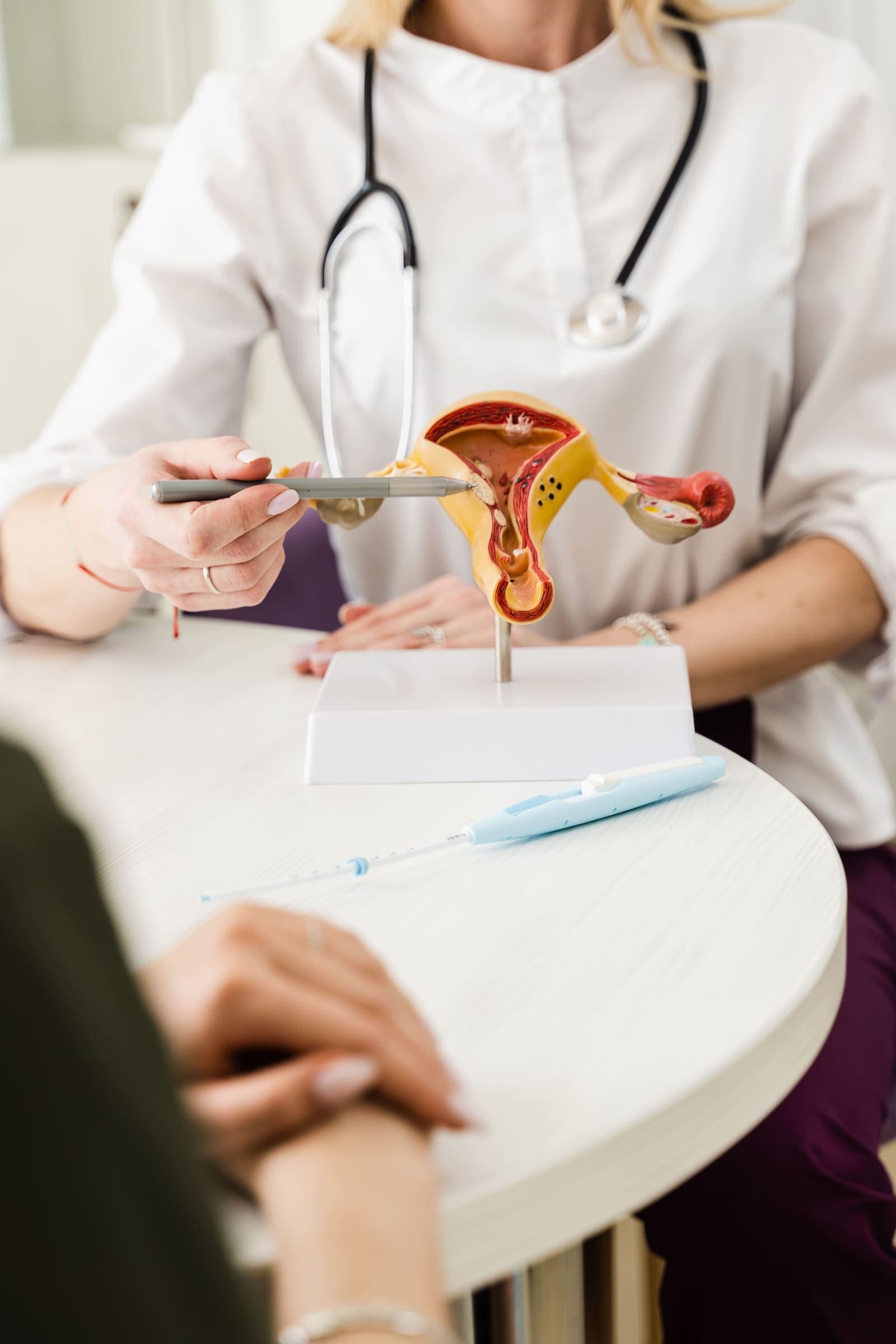
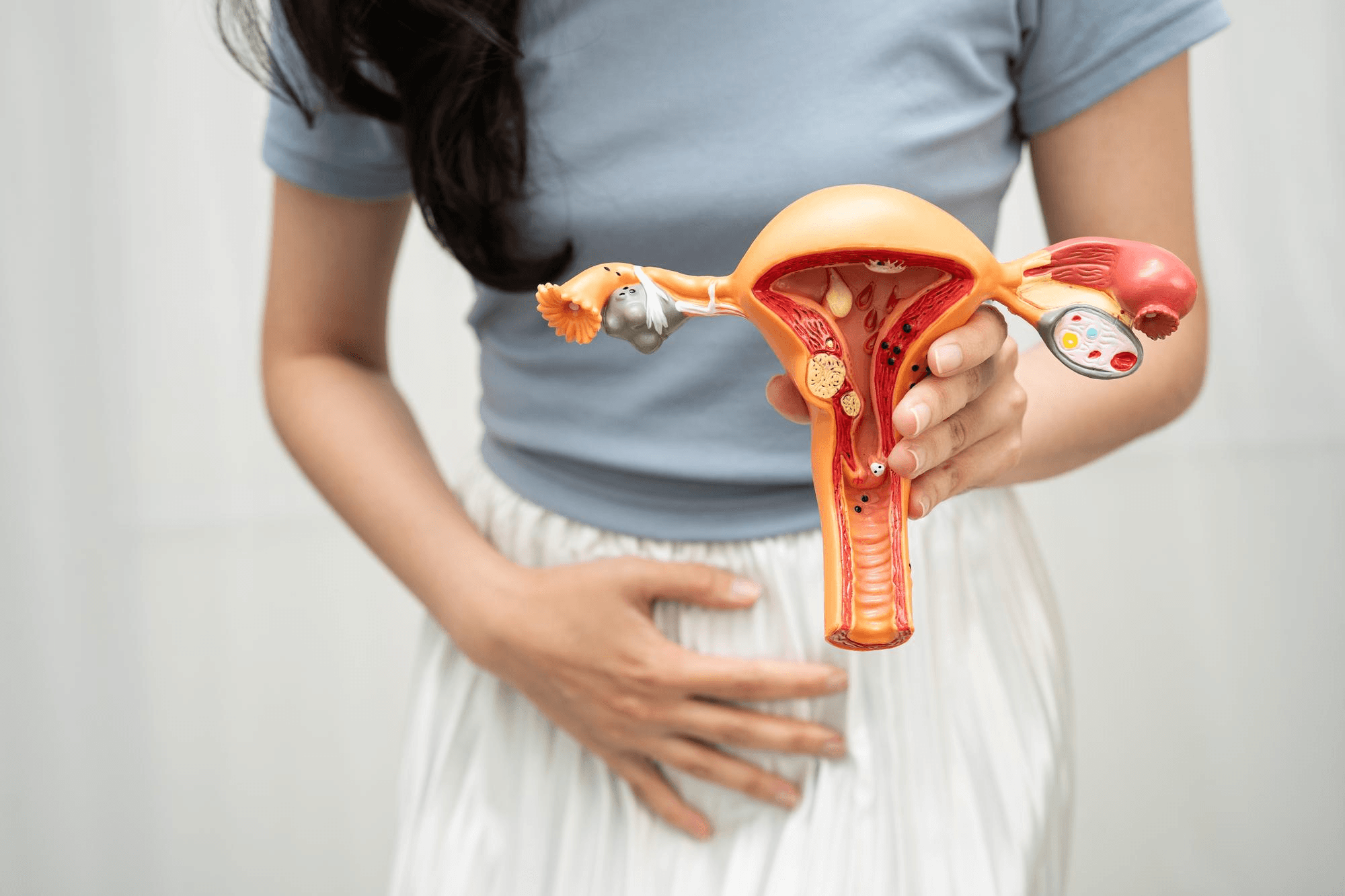
Female infertility has a range of causes, each requiring a specific investigative and treatment approach. Polycystic ovary syndrome is the most common hormonal cause, impairing regular ovulation. Blocked or damaged fallopian tubes, often resulting from previous pelvic infections or endometriosis, prevent the egg and sperm from meeting. Diminished ovarian reserve, uterine anomalies such as fibroids or polyps, and endometrial irregularities can also significantly affect the ability to conceive and carry a pregnancy.
Infertility is a shared concern for couples, and male factor infertility accounts for approximately half of all cases. A semen analysis assessing sperm count, motility and morphology is therefore an essential first-line investigation alongside the female evaluation. Dr. Shachi Singh advises that both partners undergo initial assessment simultaneously, as this provides a comprehensive picture of the couple’s reproductive health and allows the most targeted treatment plan to be developed.

About This Service
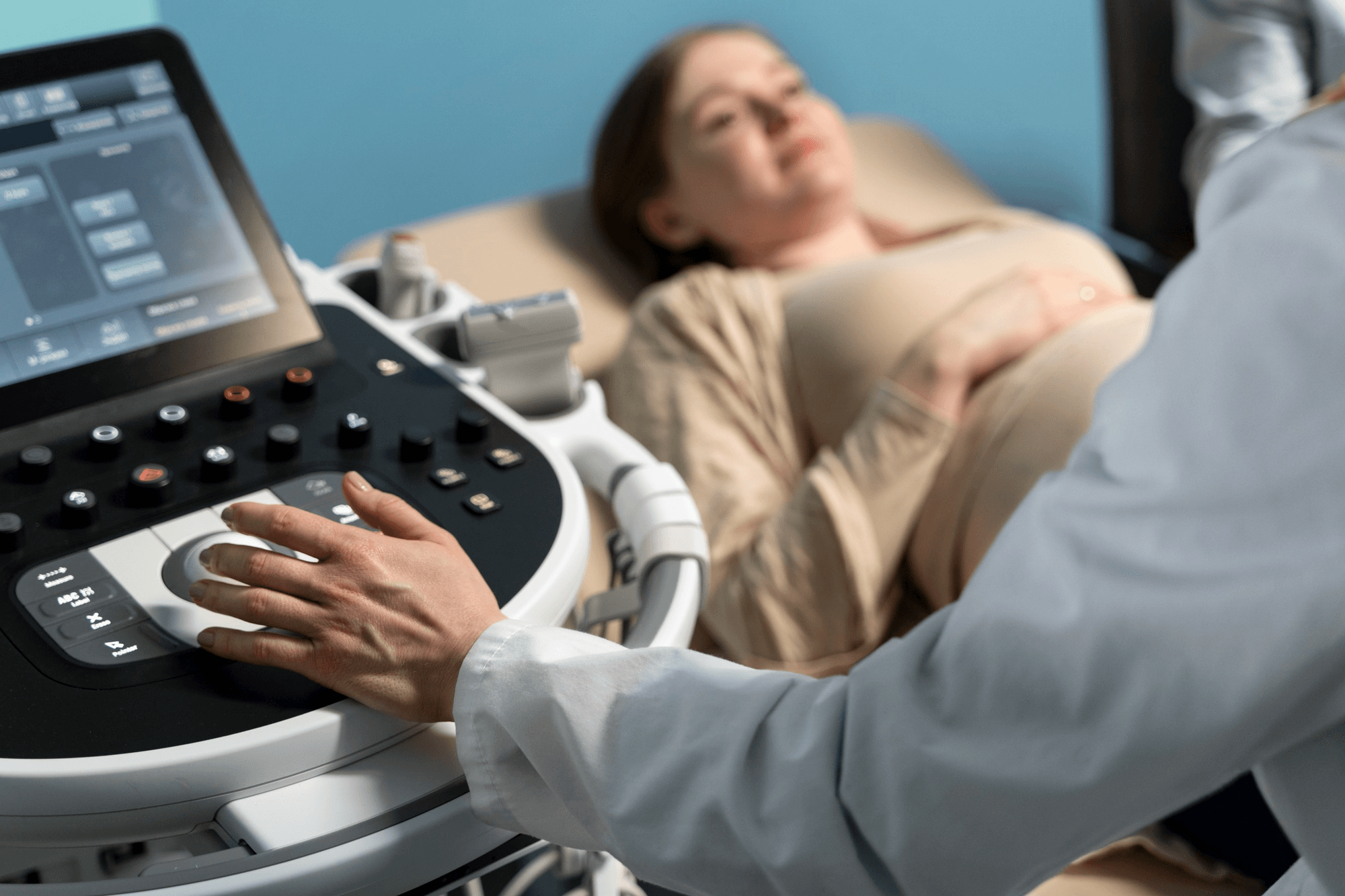
Initial investigations for female infertility include a detailed hormonal blood panel covering FSH, LH, estradiol, thyroid function, prolactin and anti-Mullerian hormone to assess ovarian reserve. A hysterosalpingogram, or HSG, is used to evaluate the shape of the uterine cavity and the patency of the fallopian tubes. Pelvic ultrasound provides additional information about ovarian morphology, uterine structure and endometrial thickness, together forming a comprehensive fertility baseline assessment.
Ovulation induction is often the first line of treatment for women who do not ovulate regularly or predictably, particularly those with PCOS. Oral medications such as clomiphene citrate or letrozole are used to stimulate the development and release of a mature egg, monitored through serial ultrasound follicular tracking. The timing of intercourse or intrauterine insemination is then guided by the scan findings to maximise the chances of conception within each treatment cycle.
Intrauterine insemination, or IUI, is a fertility procedure in which a prepared sperm sample is placed directly into the uterine cavity around the time of ovulation. It is most suitable for couples where the fallopian tubes are patent, sperm parameters are adequate or mildly abnormal, and the female partner is responding to ovulation induction. IUI is a relatively simple, cost-effective procedure that increases the chances of conception compared to timed intercourse alone, and is often recommended before considering more advanced assisted reproductive techniques.
When simpler treatments have been unsuccessful or when there are specific indications such as severe tubal damage, significantly poor sperm parameters or failed IUI cycles, referral to a fertility specialist for in vitro fertilisation or intracytoplasmic sperm injection may be recommended. Dr. Shachi Singh provides thorough counselling about when and why these advanced procedures are appropriate, and assists with referrals to reputable IVF centres in Noida and the Delhi NCR region for patients who require this level of care.
Emotional support and lifestyle optimisation are integral parts of the fertility treatment journey. Stress, poor nutrition, excess weight, smoking and sedentary habits can all negatively affect reproductive outcomes and are addressed as part of a holistic care approach. Dr. Shachi Singh ensures that patients in Noida receive not only accurate medical treatment but also compassionate guidance, clear communication and realistic expectations at every stage of their fertility journey.