Common Myths About Pregnancy You Should Stop Believing

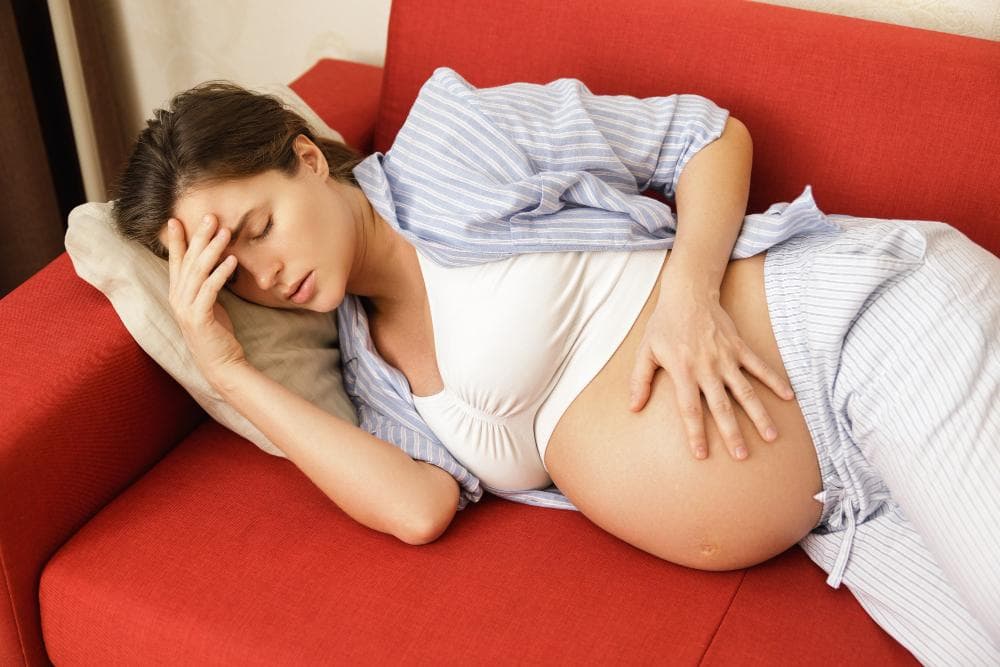
A pregnant woman is holding her belly happily.
Pregnancy is a challenging yet fascinating physiological process, with various physical and hormonal changes. In this day and age of medical and scientific advances, there are still many myths and old beliefs about pregnancy and childbirth that exist and cause much undue worry and often wrong practices, such as the types of food eaten and not eaten, amount of exercise, etc., or development of the fetus, the expected physical changes,s and much more.
Such misconceptions about pregnancy can be attributed to a culture where many myths are formed and believed without an iota of scientific backup. Basing decisions regarding a pregnancy on an untrue fact could compromise both the health of the mother and the development of the child. Medical science has proven that from a myth to a mother-to-be,that knowledge and the right information about a pregnancy is very crucial.
10 Common Myths About Pregnancy That Need To Be Debunk
During pregnancy, there is always tons of advice floating around from family, friends, and different cultures. While much of the advice you get is useful, a lot of pregnancy myths persist, and most are not based on medical evidence. Knowing what a myth is and what a fact is can help make for a safer, healthier pregnancy. Here are a few common pregnancy myths and the truth behind them:
1. Myth: You Can Guess Your Baby's Sex Based On Your Pregnancy Symptoms
Fact: None of the many pregnancy theories-whether based on what your belly shape looks like, what food cravings you have, or your baby's heart rate-has any evidence to back them up as reliable ways of predicting your baby's sex. So far, the only ways to determine the sex of your baby are via ultrasound imaging (most common at 18-20 weeks) or prenatal blood tests such as non-invasive prenatal testing (NIPT).
2. Myth: Exercise Is Dangerous During Pregnancy
Fact: If you have a healthy, uncomplicated pregnancy and don't risk going into labor too early, exercise can be a highly recommended activity. It can help your blood circulation, ease your back and give you a general feeling of well being. If your pregnancy is at high risk, some exercise won't be appropriate for you so you must speak to your health professional.
3. Myth: You Must Refrain From Sexual Intercourse
Fact: For a healthy pregnancy, having sex should be perfectly safe unless your health professional tells you otherwise,e because conditions such as having placenta previa, risking preterm labor, or having ruptured membranes could prohibit the act. This is because the baby is protected by the womb and amniotic fluid.
4. Myth: Hair Coloring Is Detrimental To The Baby
Fact: Contemporary hair dyes use minimal levels of chemicals, and minimal quantities are absorbed through the skin. Many medical professionals will still recommend waiting until after your first trimester to get your hair dyed, mostly as a precaution against any negative health effects the process might have on your developing baby, rather than any impact it will have on the baby directly.
5. Myth: High Temperatures And Baths Should Be Avoided
Fact: Warm baths can be safe in pregnancy, but you should avoid any temperatures exceeding 38-39 C (100-102 F), particularly in your first trimester. It has been warned that a very hot bath over a prolonged period may be linked to birth defects, so keeping baths warm, remaining hydrated, and limiting access to hot tubs is crucial.
6. Myth: Lifting Your Arms Above Your Head Will Harm Your Baby
Fact: There is no physical, physiological explanation as to why lifting your arms over your head will harm your baby. Lifting your arms will have no effect on the position of the baby or umbilical cord. Wrapped umbilical cords do occur naturally as a result of fetal movement, and should cause no problem at all.
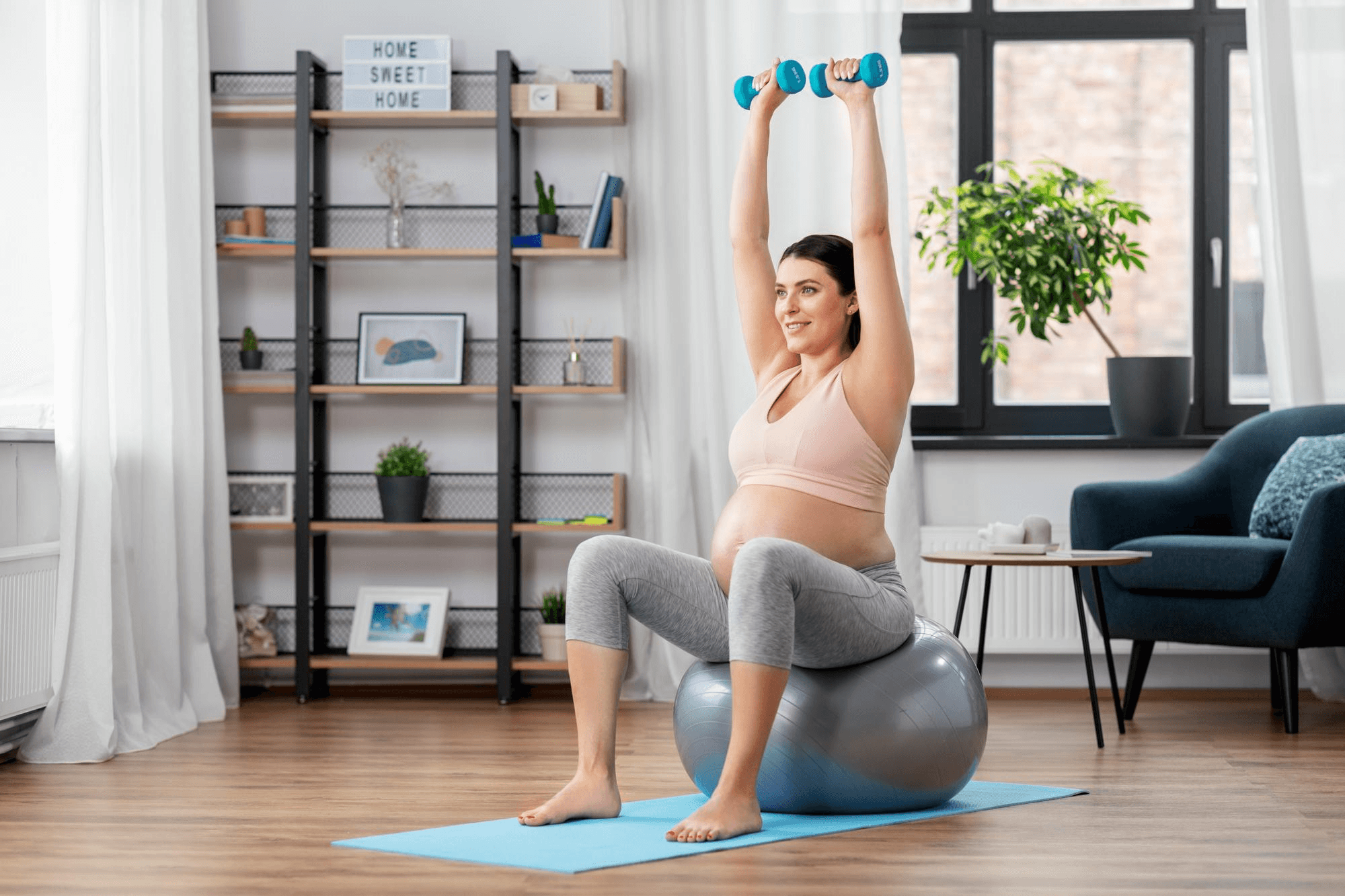
A pregnant woman is exercising with a yoga ball and dumbbells.
7. Myth: You Have To Eat For Two.
Fact: Although you need to take in more nutrition while pregnant than at any other time in your life, there is not twice as much food you will need to be taking in. Generally speaking the recommendation is an increase of 300-350 calories in the second and third trimesters of pregnancy. Eating a high amount of food will cause you to gain a lot of weight, increasing your chance of developing gestational diabetes and high blood pressure.
8. Myth: You can Never Eat Caffeine While Pregnant
Fact: A moderate amount of caffeine is safe while pregnant, with a recommended daily maximum of 200 milligrams of caffeine, or one to two cups of coffee, depending on the type of drink. Too much caffeine has been linked to an increased risk of miscarriage, and a low birth weight.
9. Myth: You Have To Cut Out Some Foods Completely
Fact: Not all foods that you have been told you can't have can harm you or your baby. Although you will need to steer clear of fish high in mercury such as shark and swordfish, fish lower in mercury, such as salmon, have been proven safe and are very good for the baby, and are very high in nutrition.
Soft raw cheeses and deli meats can be dangerous, because they are not hot enough and can transmit certain bacteria such as Listeria; but when they are heated until steam comes off of them they are still safe, and they only need to be safe enough for you while you are pregnant, and they don't need to be safe enough for someone else to consume. Safety of foods is only going to be so safe whether you are pregnant or not pregnant.
10. Myth: If You Get Heartburn Then You'll Have A Baby With A Lot Of Hair
Fact: Heartburn has been linked to pregnancy by an increase of hormones during pregnancy as well as pressure from the enlarging uterus pushing on your stomach; some scientific studies are available linking heartburn with lots of hair on the baby but it is not enough evidence, so there is no knowing from this information if the baby is going to have a lot of hair or not.
Final Thoughts
Pregnancy, myths abound. These myths, while well-intentioned (usually stemming from tradition and advice given by family members), are at best frustrating and, at worst, harmful and stressful. It is therefore crucial to discriminate between fact and myth, and that facts be relied on in place of myths, scientific facts, that is, that is evidenced-based and validated by professional practitioners.
Awareness of what constitutes pregnancy-related myths allows expectant mothers to feel confident and empowered in their decision-making regarding pregnancy-related health, diet,t and behavior. The assistance and reassurance of a medical professional provides a foundation of individualized care throughout the course of pregnancy, enabling expectant mothers to ensure safe and comfortable pregnancies that result in positive outcomes for mother and baby.
Expert Care With Dr. Shachi Singh

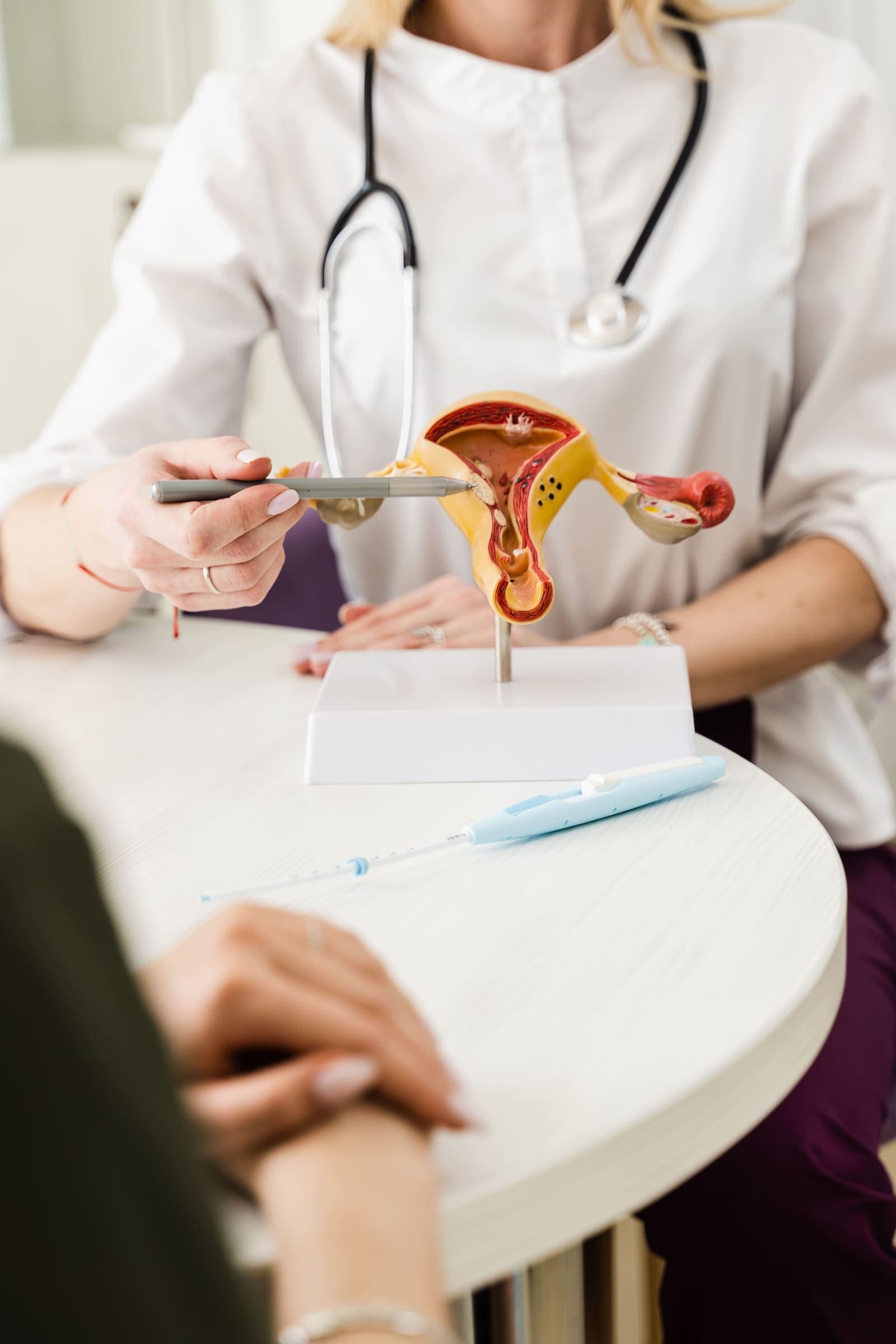
A pregnant woman is consulting with her doctor.
For trustworthy, professional advice and treatment for pre-pregnancy and pregnancy conditions, look no further than Dr. Shachi Singh, who is among the top consultant gynecologists in Noida, with more than 15 years of experience in women’s health with a focus on obstetrics and minimally invasive laparoscopic surgery.
She has an expert approach, a compassionate nature, and always offers patient-specific, precise advice and advanced treatment protocols. Patients from all over Noida and Delhi NCR come to her for expert support during pregnancy and childbirth, and women can book an appointment for her to manage pre-pregnancy complications and pregnancy-related health conditions.
Frequently Asked Questions (FAQs)
Should I "eat for two" during pregnancy?
No, it's not necessary to consume twice as much, just an additional 300 calories with good nutritional content.
Can't women during pregnancy avoid exercising or remaining physically active?
No, moderate exercising should be fine and often recommended, unless medically contraindicated.
Is coffee considered harmful during pregnancy?
No, a moderate intake of coffee (approximately 200mg/day) is usually thought of as harmless.
Will cravings determine baby's needs and sex?
No, cravings are a common pregnancy symptom linked to hormones and there is no evidence that they are indicators of a baby's needs or its sex.