Best Foods To Eat During Pregnancy: A Complete Indian Guide
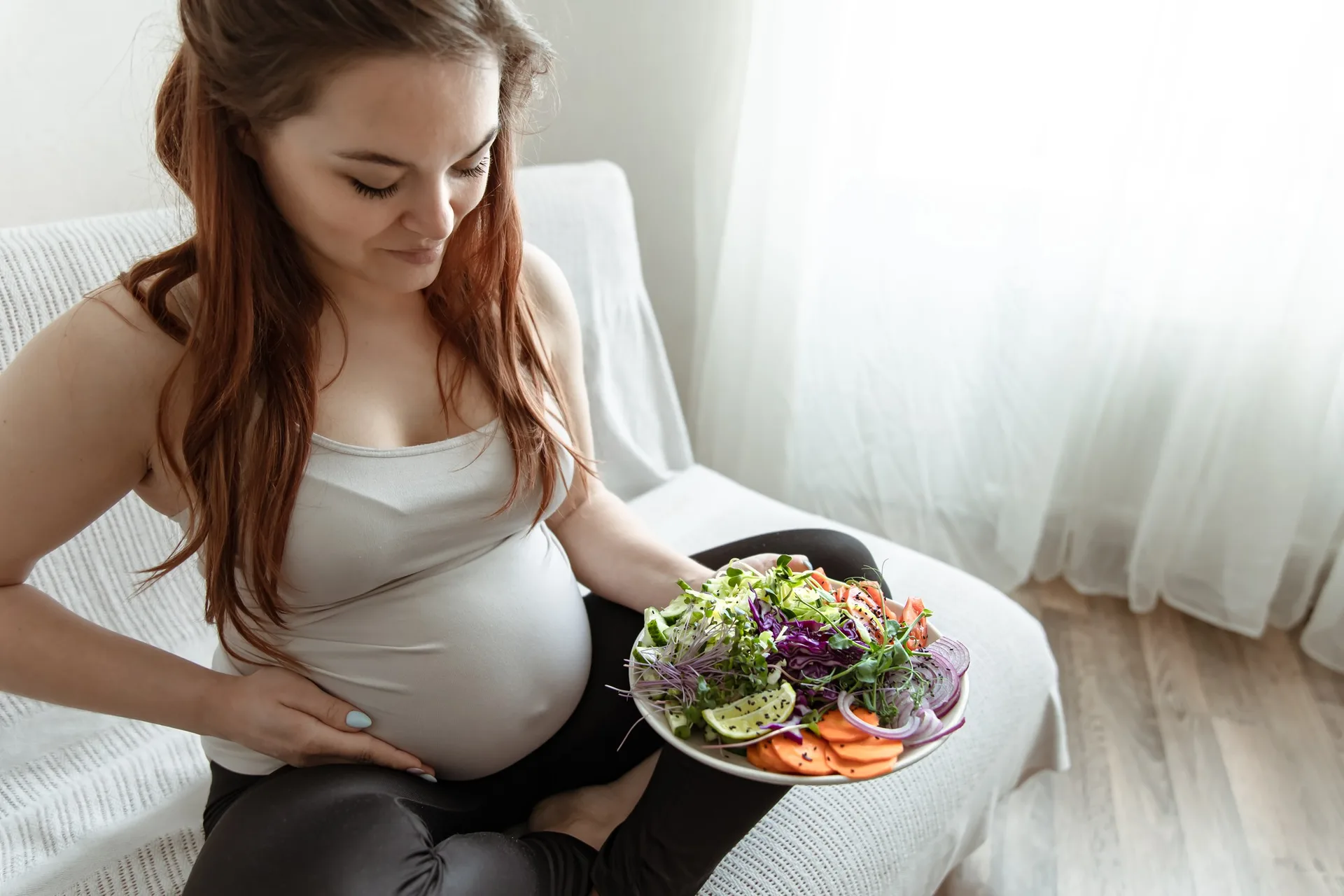
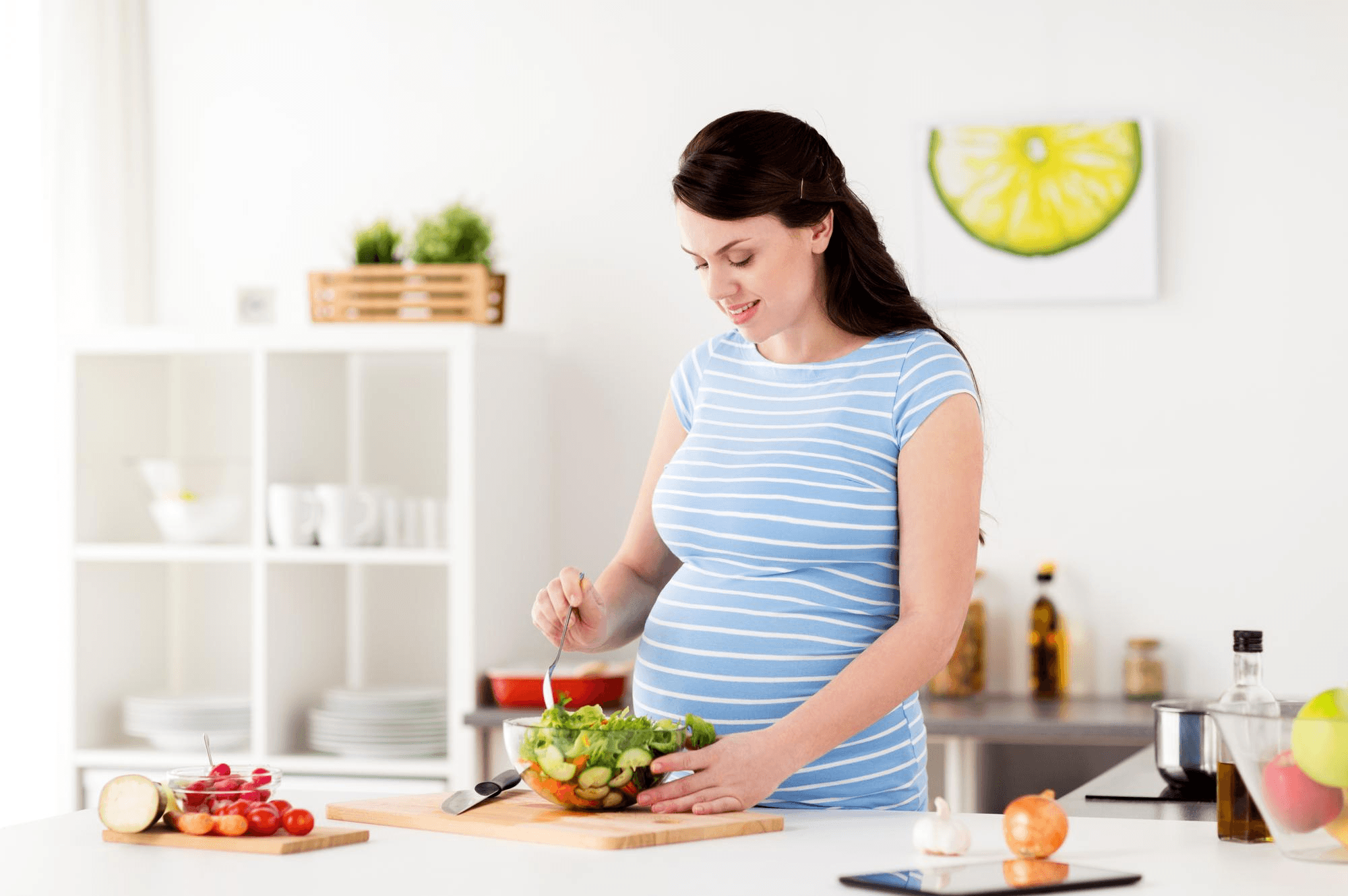
A pregnant woman seated on the couch with a nutritious food plate, representing the importance of balanced eating and proper nourishment during pregnancy.
Pregnancy changes everything: your sleep, your energy, your emotions, and definitely your relationship with food. One day you want nothing but curd rice; the next day the smell of your favourite sabzi makes you nauseous. Cravings arrive without warning, and the internet will helpfully tell you seventeen contradictory things about what you should and should not be eating. So let us cut through all of that.
Eating well during pregnancy does not mean eating expensive superfoods or following complicated plans. India has one of the most nutritionally rich and diverse cuisines in the world. The answer, for most women, is already in your kitchen. It is just about knowing which foods to prioritise, which to limit, and why each nutrient actually matters for your baby's development.
Dr. Shachi Singh, senior gynecologist and obstetrician at Prakash Hospital, Sector 33, Noida, guides women across Noida and Greater Noida through every stage of pregnancy, including the nutrition questions that come up at every appointment. This guide is a practical, India-grounded resource on what to eat, trimester by trimester.
Why Pregnancy Nutrition Matters More Than You Think
Here is the reality: everything your baby needs to grow from brain cells to bone tissue to organs comes entirely from what you eat. Your body is a remarkably efficient system, but it cannot manufacture nutrients from nothing. When your diet falls short, your body draws on its own reserves first, which is why many women end up with anaemia, calcium depletion, or fatigue during pregnancy, not because they are doing anything wrong, but because the baby's needs are simply that significant.
Your calorie needs during pregnancy increase by roughly 300 to 500 calories per day in the second and third trimesters. But the focus should be on the quality of those extra calories, not just the quantity. A plate of deep-fried snacks adds calories; it does not add the iron, folate, or protein your baby needs at the same time.
The Key Nutrients Your Body Needs During Pregnancy
Before getting into specific foods, it helps to understand what your body is actually asking for and why.
1. Folic Acid (Folate)
This is the one most gynecologists emphasise from the moment you start trying to conceive. Folic acid supports the development of the neural tube, the structure that becomes your baby's brain and spinal cord, in the very first weeks of pregnancy, often before a woman even knows she is pregnant. You need 600 mcg per day during pregnancy. Spinach, methi (fenugreek leaves), dals, and fortified atta are good Indian sources. A folic acid supplement is almost always recommended alongside food sources.
2. Iron
Your blood volume nearly doubles during pregnancy to support the placenta and your growing baby. Iron is what makes that possible; it helps produce haemoglobin, the protein in red blood cells that carries oxygen. A deficiency leads to anaemia, which causes fatigue, breathlessness, and can affect your baby's birth weight and brain development. You need 27 mg of iron per day during pregnancy. Palak (spinach), rajma, chana, dates (khajoor), jaggery (gur), and lean meat are all excellent sources.
3. Calcium
Your baby's bones and teeth develop using calcium drawn from your diet, and if you are not eating enough, your body will take it from your own bones. You need 1,000 mg of calcium per day. Dairy, milk, curd, paneer, and buttermilk are the most accessible sources in an Indian diet. Ragi (finger millet) is one of the best plant-based calcium sources available and is deeply underused.
4. DHA (Omega-3 Fatty Acids)
DHA is essential for your baby's brain and eye development, particularly in the third trimester when the brain is growing rapidly. Walnuts (akhrot), flaxseeds (alsi), chia seeds, and fatty fish (when consumed) are the main dietary sources. Many gynecologists recommend a DHA supplement if dietary intake is limited.
5. Protein
Every cell in your baby's body is built from protein. Your protein needs increase significantly during pregnancy, roughly 1.1 grams per kilogram of your body weight per day. Dals, legumes, paneer, eggs, curd, and lean chicken are all strong sources, and most are already staples in Indian cooking.
6. Vitamin D
Vitamin D works alongside calcium to support bone development and immune function. Deficiency is extremely common among Indian women; sun exposure alone is often insufficient. Fortified milk and eggs are the main dietary sources; many women need a supplement.
7. Iodine
Iodine is essential for thyroid function in both mother and baby and plays a direct role in brain development. Using iodised salt consistently is the simplest way to meet this need.
Best Indian Foods To Eat During Pregnancy
A balanced Indian pregnancy diet rich in nutrients, proteins, healthy fats, and vitamins can support both maternal health and the baby’s healthy development.
1. Dairy Products - Milk, Curd, Paneer, Buttermilk
Dairy is the backbone of calcium intake for most Indian women. A glass of milk, a bowl of curd with meals, and some paneer in your sabzi give you calcium, protein, and vitamin B12 together. Curd (dahi) also supports gut health, which matters because pregnancy slows digestion, and good gut bacteria help reduce bloating and constipation. Buttermilk (chaas) with a pinch of jeera and salt is an underrated pregnancy drink. It is hydrating, cooling, easy on the stomach, and provides calcium and probiotics.
2. Dals And Legumes - Lentils, Rajma, Chana, Moong
Dals are one of the most complete pregnancy foods in the Indian kitchen. They provide protein, iron, folate, and fibre in a single bowl. Moong dal is particularly easy to digest and gentle on the stomach, making it ideal for the first trimester when nausea is common. Masoor, toor, and chana dals all contribute well to your daily protein and iron needs. Rajma (kidney beans) and chana (chickpeas) are particularly iron-rich. Cooking them with a squeeze of lemon or alongside vitamin C-rich foods helps your body absorb iron more efficiently.
3. Leafy Green Vegetables - Palak, Methi, Bathua
Spinach (palak) is a pregnancy powerhouse. It provides folate, iron, calcium, and Vitamin C, several key nutrients in a single vegetable. Methi (fenugreek leaves) is similarly nutritious and is traditionally used in Indian cooking to support digestive health. These greens are best lightly cooked rather than raw during pregnancy to reduce any risk of foodborne bacteria. Bathua (Chenopodium), often used in winter months, is another highly nutritious leafy green that deserves a place in your pregnancy diet.
4. Eggs
If you eat eggs, they are among the most complete foods you can have during pregnancy. They provide high-quality protein, choline (essential for brain development), iron, Vitamin D, and B12, all in one affordable, versatile food. Aim for fully cooked eggs scrambled, boiled, or in a bhurji. Raw or undercooked eggs carry a risk of salmonella and should be avoided.
5. Nuts And Seeds - Almonds, Walnuts, Flaxseeds
A small daily handful of soaked almonds provides Vitamin E, calcium, and healthy fats. Walnuts are one of the richest plant-based sources of DHA and are easily added to your morning breakfast or as a snack between meals. Flaxseeds and chia seeds are excellent omega-3 sources and also add fibre, which helps with the constipation that many pregnant women experience. Soaking almonds overnight before eating them makes them easier to digest and improves nutrient absorption.
6. Whole Grains - Dalia, Oats, Ragi, Whole Wheat
Whole grains provide slow-releasing energy, B vitamins, and fibre. Dalia (broken wheat) is an excellent breakfast option, filling, easy to digest, and nutritious. Ragi (finger millet) deserves special mention: it is one of the highest plant-based sources of calcium and iron available in India, and ragi roti, ragi porridge, or ragi khichdi are all practical ways to include it. Oats are another good option, particularly for women dealing with nausea in the first trimester. They are bland, easy on the stomach, and provide sustained energy.
7. Fresh Seasonal Fruits - Bananas, Guava, Oranges, Pomegranate, Amla
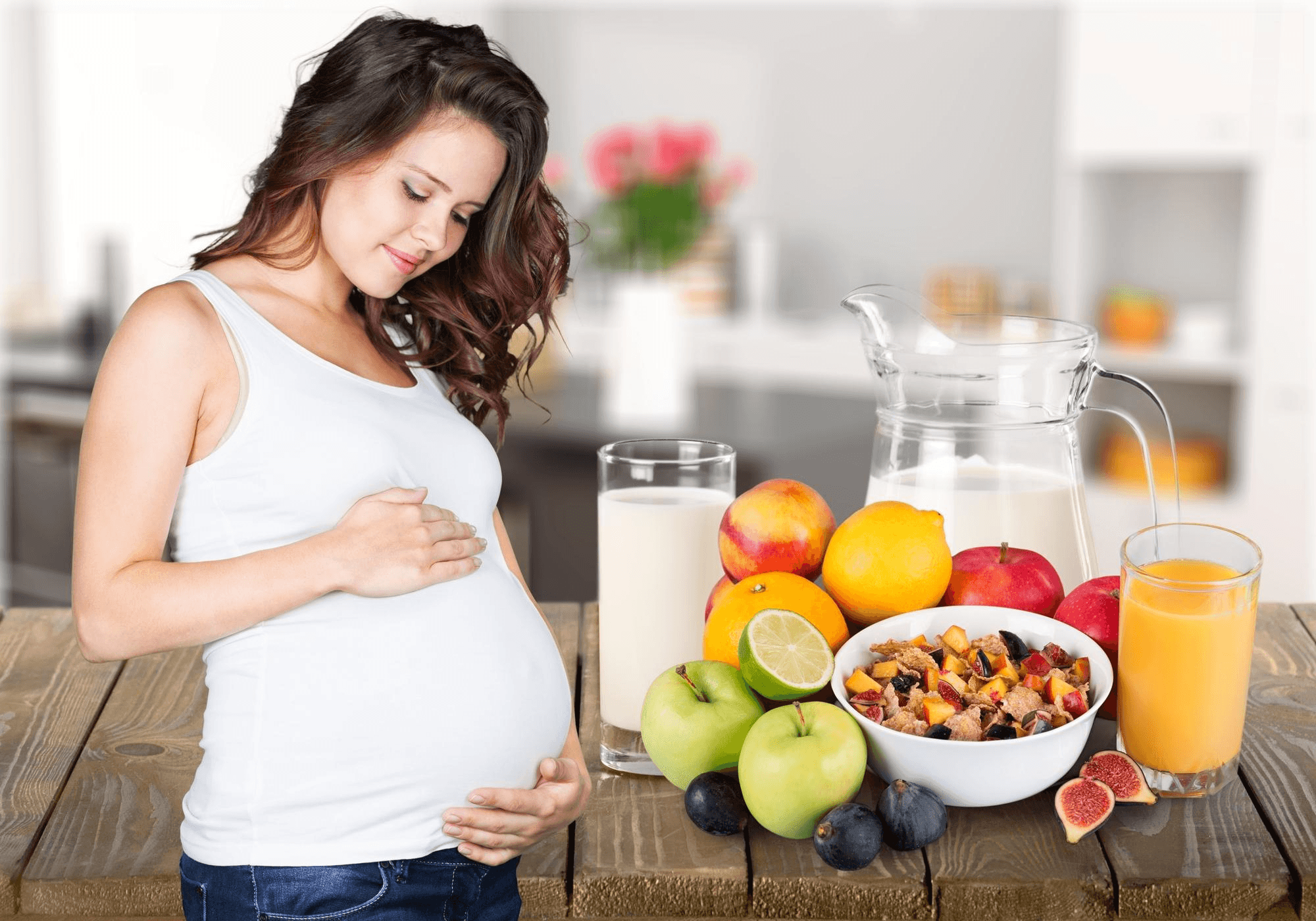
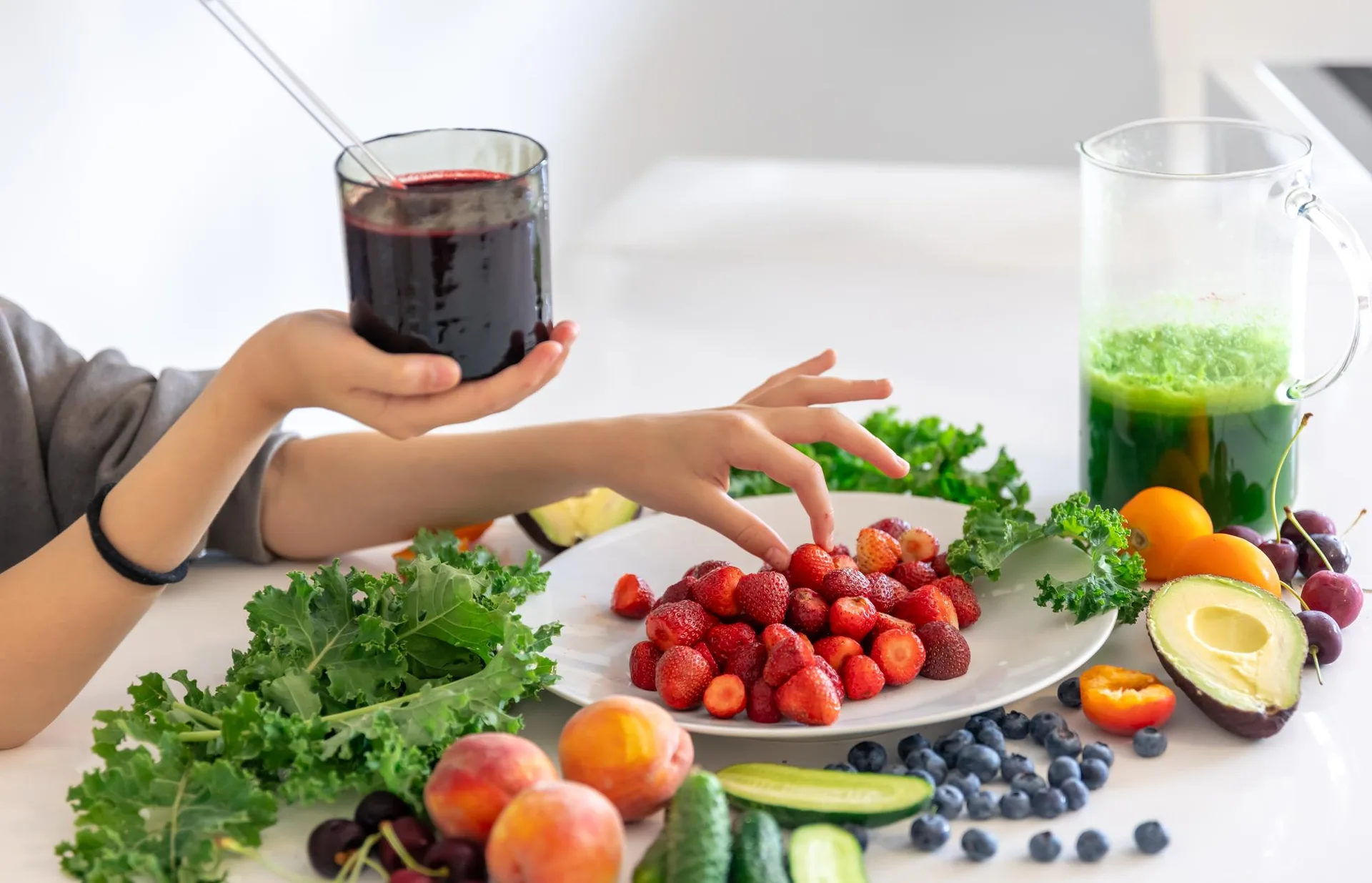
A pregnant woman embracing her belly, near a table exhibiting a collection of fruits, juice, and milk to signify nutrition and prenatal care at home.
Fresh, seasonal fruit is an easy way to meet your Vitamin C, folate, and fibre needs every day.
- Bananas are easy to eat even during nausea, provide potassium, and help with leg cramps.
- Guava (amrood) is one of the highest Vitamin C fruits available and very affordable.
- Oranges and sweet lime (mosambi) provide Vitamin C, which also helps iron absorption.
- Pomegranate (anar) is iron-rich and deeply beneficial for blood health.
- Amla (Indian gooseberry) is exceptionally high in Vitamin C and supports immunity.
Fully ripe papaya in moderate amounts is considered safe; raw or semi-ripe papaya is traditionally avoided during pregnancy, and most gynecologists advise caution, particularly in the first trimester.
8. Sweet Potato (Shakarkandi)
Sweet potato is rich in beta-carotene (which converts to Vitamin A), Vitamin C, fibre, and potassium. It is also one of those foods that tends to be easy to eat even during first-trimester nausea and is genuinely satisfying as a snack or side dish.
9. Coconut Water (Nariyal Pani)
Coconut water is a natural source of electrolytes, potassium, sodium, and magnesium, which help maintain hydration and reduce leg cramps. Many women find it far easier to drink than plain water during the nauseous early weeks. It also supports kidney function and can help with the fluid retention common in later pregnancy.
Trimester-Wise Eating: What Changes And When
Trimester-wise nutrition during pregnancy changes according to the baby’s growth and the mother’s evolving nutritional and energy requirements at each stage.
1. First Trimester (Weeks 1–12)
This is the most critical period for neural tube and organ development, and also the hardest to eat through for many women. Nausea, food aversions, and fatigue make a perfectly balanced diet feel impossible.
Focus on: Folic acid-rich foods (palak, dals, fortified atta), small, frequent meals, foods you can actually keep down. Moong dal khichdi, oats, banana, plain curd, toast, whatever your stomach tolerates is a good start. Do not force yourself to eat large portions.
Start your prenatal supplements: folic acid, especially immediately, as this is when the neural tube closes.
2. Second Trimester (Weeks 13–26)
Most women feel significantly better by this stage. Appetite returns, energy improves, and the baby's growth accelerates sharply. This is the time to be intentional about nutrition.
Focus on: Protein (dals, paneer, eggs, curd), calcium (dairy, ragi), iron (palak, rajma, dates, jaggery), and DHA (walnuts, flaxseeds). Add healthy snacks, a handful of nuts, fruit, or a glass of milk between meals.
3. Third Trimester (Weeks 27–40)
The baby gains most of its birth weight during this period. The growing uterus takes up significant abdominal space, making large meals uncomfortable for many women.
Focus on: Smaller, more frequent meals 5 to 6 times a day. Fibre to prevent constipation (which becomes worse as the uterus presses on the bowel). Calcium and protein remain critical. Reduce oily and heavily spiced food, which can worsen heartburn and acidity.
Foods To Avoid During Pregnancy
Some foods carry genuine risks during pregnancy and are worth avoiding:
- Raw papaya - contains latex that may stimulate uterine contractions, particularly in the first trimester.
- Raw or undercooked eggs - risk of salmonella
- Unpasteurised milk and soft cheeses - risk of listeria
- Undercooked or processed meat - risk of listeria and toxoplasma
- High-mercury fish - shark, swordfish, king mackerel; opt for low-mercury options like rohu or catla, where fish is part of your diet.
- Excess caffeine - more than 200 mg per day (roughly 1–2 cups of tea or coffee) is advised against.
- Raw sprouts - grown in warm, humid conditions that encourage bacterial growth.
- Street food and outside food - not because all street food is harmful, but because food handling hygiene is difficult to verify during pregnancy, when your immune system is more vulnerable.
- Alcohol - there is no safe amount during pregnancy.
A Note On Supplements
A good diet reduces but rarely eliminates the need for prenatal supplements during pregnancy. Most gynecologists recommend folic acid (especially in the first trimester), iron, Vitamin D, and often calcium and DHA based on individual blood reports and dietary patterns. Do not self-prescribe. Your gynecologist will assess what you specifically need based on your haemoglobin levels, dietary habits, and stage of pregnancy.
Pregnancy Nutrition Care In Noida And Greater Noida

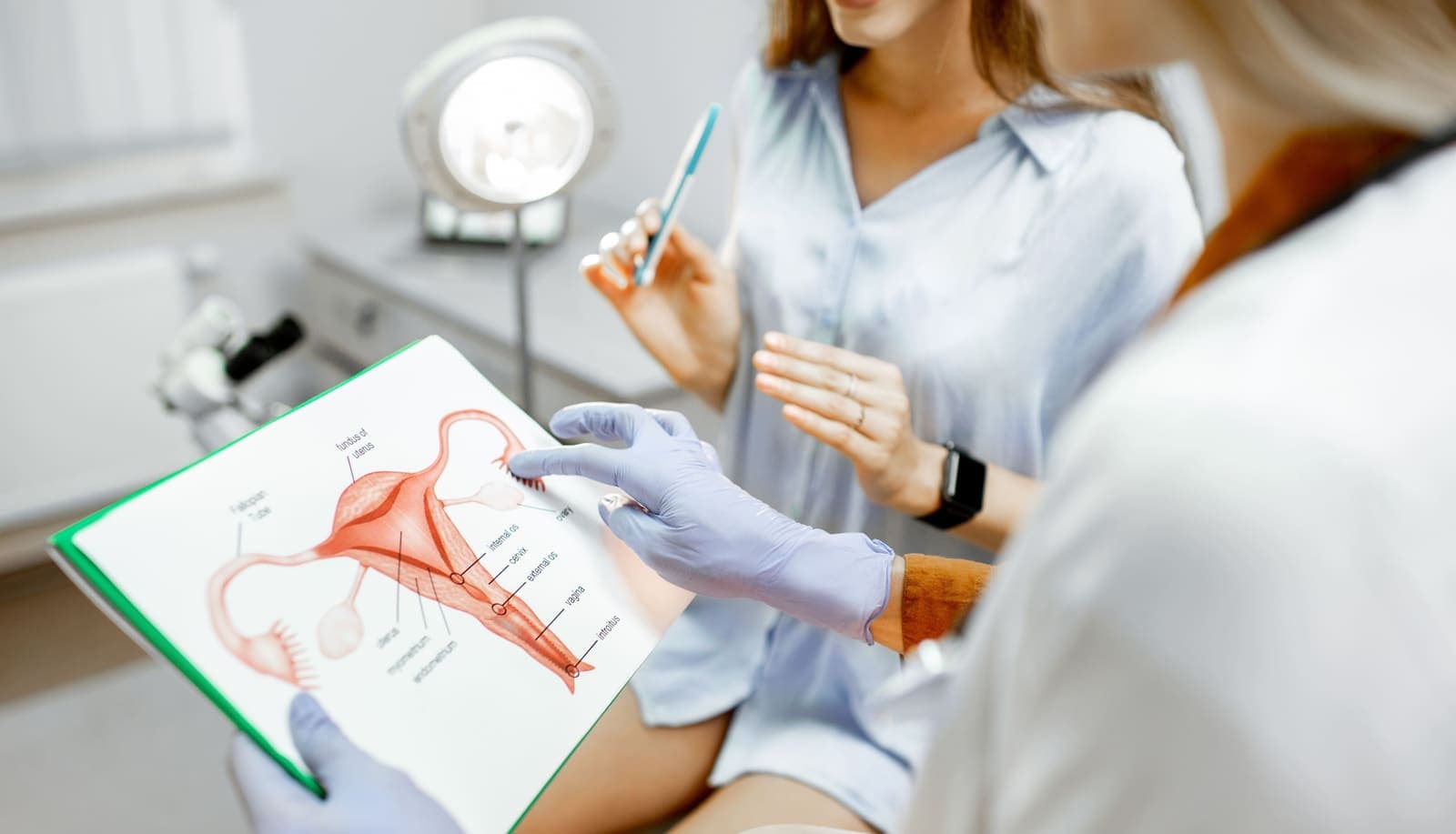
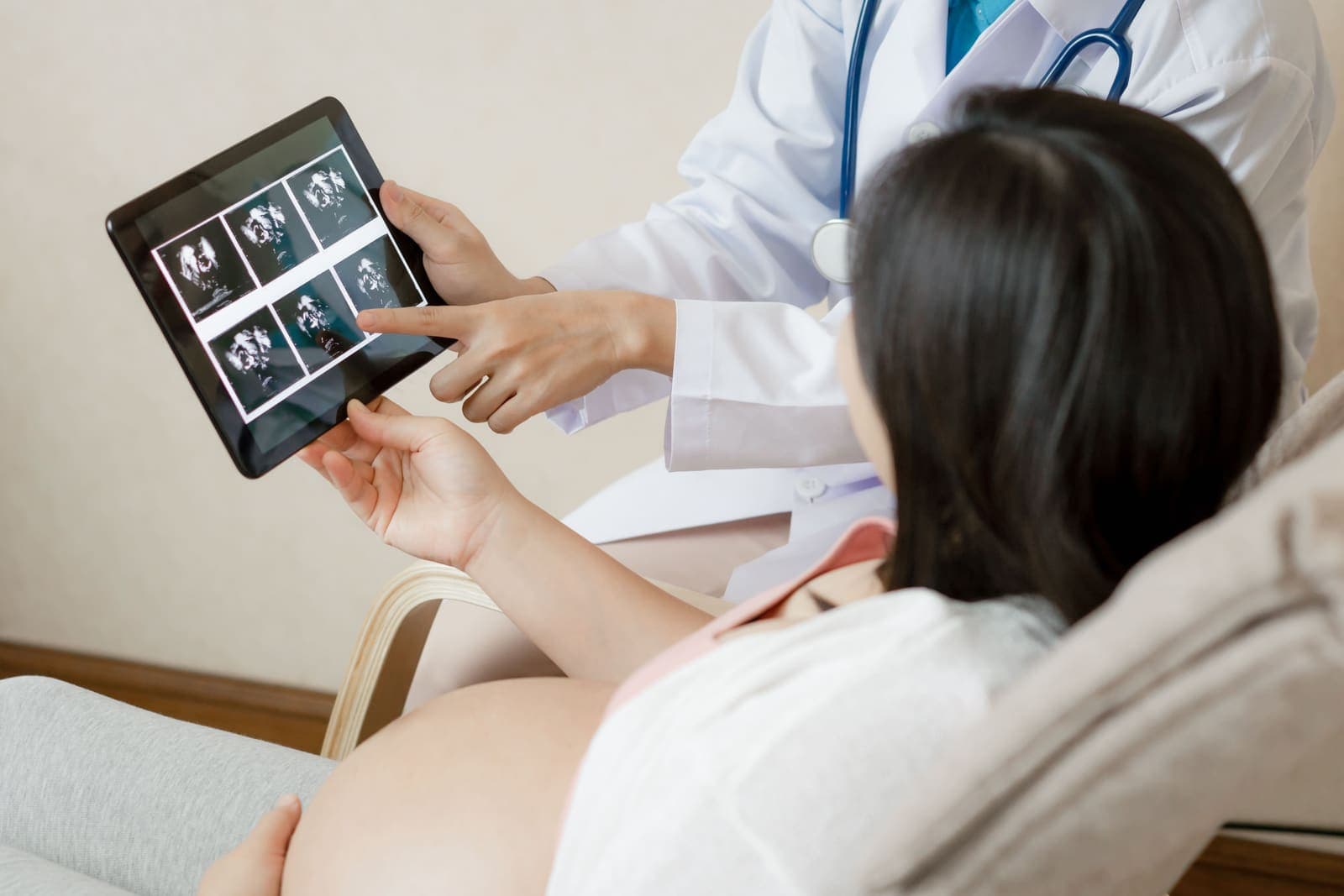
A pregnant woman speaking with a doctor in a clinical setting, highlighting routine prenatal care, medical guidance and support for a healthy pregnancy journey.
If you have questions about what to eat, what to avoid, or whether your diet is supporting your pregnancy properly, these are exactly the conversations to have with your gynecologist at every antenatal visit, not something to leave to guesswork or Google alone.
Dr. Shachi Singh at Prakash Hospital, Sector 33, Noida, provides comprehensive antenatal care to women across Noida and Greater Noida, including guidance on pregnancy nutrition tailored to your health, trimester, and any existing conditions like gestational diabetes, anaemia, or thyroid issues. If you are looking for the best gynecologist in Noida for pregnancy care, we encourage you to book an appointment.
To book a consultation with Dr. Shachi Singh, call: +91 97023 46853
Clinic Hours: Monday to Saturday, 9 AM – 6 PM | Sunday, 10 AM – 2 PM
Clinic Address: D-12A, 12B, Sector-33, G.B. Nagar, Noida, Uttar Pradesh 201301
Frequently Asked Questions
1. Should I eat for two during pregnancy?
No, the phrase is misleading. You need roughly 300 to 500 extra calories per day in the second and third trimesters, not double the food. The focus should be on nutrient quality, not volume.
2. Which Indian foods are highest in iron for pregnancy?
Palak, rajma, chana, whole masoor dal, dates (khajoor), jaggery (gur), and ragi are among the best Indian sources of iron. Always pair iron-rich foods with a source of Vitamin C, like lemon juice or amla, to improve absorption.
3. Is it safe to eat curd (dahi) every day during pregnancy?
Yes. Curd is an excellent source of calcium, protein, and probiotics. It is safe and beneficial during pregnancy. Some families advise against it at night. There is no strong medical basis for this, but if it causes bloating for you personally, eat it earlier in the day.
4. Can I eat outside food or restaurant food during pregnancy?
Occasionally, and from trusted, clean establishments, yes. Regularly, it is better to avoid it. The risk is less about the food itself and more about hygiene in preparation and handling, which can lead to food poisoning when your immune system is already working harder than usual.
5. How much water should I drink during pregnancy?
Aim for at least 8 to 10 glasses of water per day. Coconut water, buttermilk, and fresh fruit juices (without added sugar) can all count toward your daily fluid intake.
6. Is ragi good during pregnancy?
Very much so. Ragi (finger millet) is one of the richest plant-based sources of calcium available in India and also provides iron and B vitamins. Ragi porridge, ragi roti, or ragi khichdi are all excellent additions to a pregnancy diet.
This blog is written for educational and informational purposes. It is not a substitute for personalised medical or nutritional advice. Please consult Dr. Shachi Singh or your gynecologist for guidance specific to your pregnancy and health needs.