Gas During Pregnancy: Causes, Relief & When To See A Doctor

A pregnant woman is lying down on the couch, looking tired and distressed as she holds her forehead with her left hand and her belly with her right. She has an expression on her face indicating sadness or that she is weary.
Nobody warns you about this part. You brace for morning sickness, maybe some fatigue, the usual suspects. But the relentless bloating, burping at the worst possible moments, the gas that seems to have no off switch, catches most women completely off guard. And then comes the quiet worry: Is this normal, or is something wrong?
Short answer: It is normal. Very normal. Uncomfortable, occasionally sharp, sometimes embarrassing, but overwhelmingly common among pregnant women at every stage. Knowing why your body is doing this, and what actually helps, makes the whole thing easier to live with.
At Prakash Hospital, Noida, Dr. Shachi Singh - a senior gynecologist with over 15 years of experience in obstetrics and women's healthcare addresses this concern regularly with patients across Noida and Greater Noida. This guide walks through the real reasons behind pregnancy gas, what relieves it, what makes it worse, and when the discomfort crosses a line that needs medical attention.
Why Does Pregnancy Cause So Much Gas?
Your digestive system behaves very differently during pregnancy. Two things drive most of the trouble: one hormonal, one physical, and both tend to worsen as the months go on.
1. The Progesterone Effect
The moment you conceive, your body ramps up progesterone production sharply. This hormone is essential; it keeps the uterine lining stable and prevents early contractions. But progesterone does not restrict its relaxing effect to just the uterus. It relaxes smooth muscle tissue across your entire body, including the muscles that line your intestines and digestive tract.
The result is that your digestion slows down significantly, by as much as 30% compared to your pre-pregnancy normal. Food spends longer sitting in your gut, giving gas-producing bacteria more time to do their work. Gas builds up faster, moves through you more slowly, and because the same muscle relaxation affects your sphincters, controlling when that gas exits becomes considerably less reliable. This is not something you have done wrong or eaten wrong. It is your hormones working exactly as they are meant to, with a rather inconvenient side effect.
2. The Growing Uterus Pressing In
As pregnancy progresses into the second and third trimesters, the expanding uterus physically presses against your intestines and stomach. This mechanical pressure adds another layer. Digestion slows further, available space in the abdomen shrinks, and bloating tends to get noticeably worse. Many women who manage mild gas in their first trimester find that it returns with more force in their final months as the baby takes up more room.
3. Other Things That Make It Worse
Beyond hormones and anatomy, a few other factors quietly add to the problem:
- Iron in prenatal vitamins - Iron commonly causes constipation, and constipation is a major gas trap.
- Eating habits - Eating too fast, using straws, or chewing gum means swallowing air throughout the day.
- Diet changes - Pregnancy cravings, aversions, or switching to higher-fiber foods increases fermentation in the gut.
- Stress - Tension causes you to unconsciously hold gas in, and anxiety directly affects how your gut moves.
- Carbonated drinks - Even fizzy water or nimbu soda adds gas to an already pressurized system.
When Does It Start And Which Trimester Is the Worst?
Gas and bloating can begin earlier than most women expect, sometimes before a missed period, within one to two weeks of conception. Progesterone rises rapidly, and the digestive slowdown starts almost immediately. Research shows that close to half of women in their first trimester report bloating as a regular symptom. For many, it eases somewhat through the middle months, then returns in the third trimester as the uterus expands further. For some women, it stays throughout. Pregnancy varies widely from person to person, and so does digestive discomfort.
Foods That Make Gas Worse During Pregnancy
When the gut is already slower than usual, certain foods make things considerably more uncomfortable. You do not need to avoid all of these entirely, but moderating them and being aware of your personal triggers helps a lot.
1. Foods Known To Increase Gas
- Legumes - Rajma, chhole, moong dal, masoor dal, peas.
- Cruciferous vegetables - Cabbage (patta gobi), cauliflower (phool gobi), broccoli.
- Excess dairy - Especially if you have any degree of lactose sensitivity.
- Fried and oily foods - Deep-fried snacks slow digestion even more.
- Carbonated drinks - Soda, packaged juices with carbonation, sparkling water.
- Artificial sweeteners - Found in diet drinks and many packaged snacks.
- Whole grains in large portions - Nutritious, but high fermentation potential.
2. What To Do Instead Of Eliminating
Many of these foods, dals, vegetables, and whole grains carry important nutrients for your growing baby. Rather than cutting them out, try soaking legumes overnight before cooking, pressure-cooking vegetables until soft, and using digestive spices like jeera (cumin), ajwain (carom seeds), and hing (asafoetida) in your meals. These have been used in Indian kitchens for exactly this reason for generations, and they genuinely help.
10 Practical Ways To Relieve Gas During Pregnancy
Most gas relief during pregnancy comes from small, consistent changes, not a single remedy that fixes everything overnight.
1. Switch To Smaller, More Frequent Meals
Three large meals overload a digestive system that is already working at reduced capacity. Six smaller meals spaced throughout the day are much easier to process. Think of it as giving your gut manageable portions rather than one heavy load at a time.
2. Slow Down And Chew Properly
Rushing through food means swallowing air, and insufficiently chewed food gives gut bacteria more to ferment. Sit down, take your time, put the phone away. It sounds basic because it is, and it genuinely helps.
3. Drink 8 To 10 Glasses Of Water Daily
Good hydration keeps digestion moving and reduces constipation, which is one of the primary contributors to trapped gas. Warm water, in particular, can stimulate gentle bowel movement and ease bloating. Start your morning with a glass of warm water before anything else.
4. Walk After Meals

A pregnant woman seated on the couch with a nutritious food plate, representing the importance of balanced eating and proper nourishment during pregnancy.
Even a 10 to 15-minute walk after eating makes a real difference. Upright movement helps gas transit through the digestive system. Lying down flat immediately after eating does the opposite.
5. Try These Positions For Trapped Gas
Certain body positions help move trapped gas along:
- Modified Child's Pose: Get on all fours, spread your knees wider to accommodate your belly, and gently lower your hips back toward your heels. Let your torso drop forward. Hold for 30 seconds, breathing slowly.
- Side-lying Knee Tuck: Lie on your left side (better for digestion), bring both knees gently toward your chest. Breathe deeply. Do not hold this position flat on your back in later pregnancy.
- Gentle Squats: Stand with feet wider than shoulder-width, toes turned slightly out, and slowly squat down while holding a wall or chair for support. This shifts pressure across your abdomen and often helps gas pass.
Check with Dr. Shachi or your gynecologist before trying new exercises or yoga poses during pregnancy.
6. Wear Loose, Comfortable Clothing
Tight waistbands and fitted clothes press directly on your abdomen and make bloating feel significantly worse. Loose, breathable clothing around your midsection is not just more comfortable; it genuinely supports better digestion.
7. Keep A Food Diary
Your triggers may not be the same as someone else's. A simple diary tracking what you eat and when you feel most gassy helps you identify patterns. Once you know your specific problem foods, the solution becomes straightforward.
8. Try Ginger Tea Or Chamomile Tea (With Doctor's Approval)
Adrak chai (ginger tea) is one of the oldest digestive remedies in Indian households, and it works. Ginger has genuine properties that ease nausea and improve gut movement. Chamomile has mild antispasmodic effects that can soothe cramping. That said, not all herbal teas are safe during pregnancy. Always ask your gynecologist before making any herbal tea a regular part of your routine.
9. Cut Carbonated Drinks And Straws
Both introduce extra air into your digestive system. Switching to plain water, coconut water (nariyal pani), or fresh juices makes a quiet but consistent difference over time.
10. Address Stress
Your gut and your stress response are closely connected. Anxiety tightens muscles, including your intestinal muscles, and disrupts normal gut movement. Five minutes of slow, deep breathing before meals, light prenatal yoga, or simply sitting quietly for a short time each day reduces the tension that worsens gas.
Is The Gas Harming Your Baby?
No. This is one of the first questions women ask, and the answer is straightforward: gas is entirely a digestive issue. Your baby sits inside the uterus, separated from your gut, cushioned by amniotic fluid. The discomfort is real and yours to manage, but it does not reach your baby in any way.
Gas pain can sometimes feel sharp or alarming in the moment. The important distinction is that gas pain typically shifts when you change position or eases after you pass gas. Pain that stays fixed in one location and does not change with movement is something else, and worth noting.
Gas Or Baby Kicks? How To Tell The Difference
One of the genuinely confusing aspects of mid-pregnancy is that early fetal movement and trapped gas can feel remarkably similar; both produce a fluttering, bubbling sensation in the lower abdomen.
- Sensation- Rumbling, bubbling, crampy pressure vs. light fluttering, gentle tapping, eventually distinct kicks.
- Response to position change- Often shifts or eases vs. does not change with position.
- After passing gas- Discomfort typically reduces vs. no change.
- Timing pattern- Unpredictable, often after eating, vs. becomes more regular over weeks, often after meals or at night.
Baby movements are typically first felt between 16 and 25 weeks of pregnancy. Before that window, most fluttering sensations in the abdomen are digestive. Even after, it takes time and experience to tell the two apart reliably. Your gynecologist can help you understand what to expect at each stage.
When Should You Call Your Gynecologist?
Gas is normal. Certain symptoms alongside it are not, and knowing the difference matters. Contact your gynecologist without delay if you experience:
- Severe abdominal pain that stays in one spot and does not ease with position changes or passing gas.
- Pain lasting longer than 30 minutes without any improvement.
- Fever accompanying abdominal discomfort.
- Vaginal bleeding or spotting with abdominal pain.
- Regular contractions every 10 minutes or less.
- Inability to pass gas or have a bowel movement for more than 24 hours.
- Blood in your stool.
- Sudden swelling in your hands, face, or feet. This can signal preeclampsia.
- Severe nausea and vomiting where you cannot keep fluids down.
These can point to conditions that need evaluation, such as appendicitis, gallstones, placental issues, or preterm labour in the later stages. When in doubt, call. No gynecologist will fault you for checking.
Getting The Right Care In Noida And Greater Noida

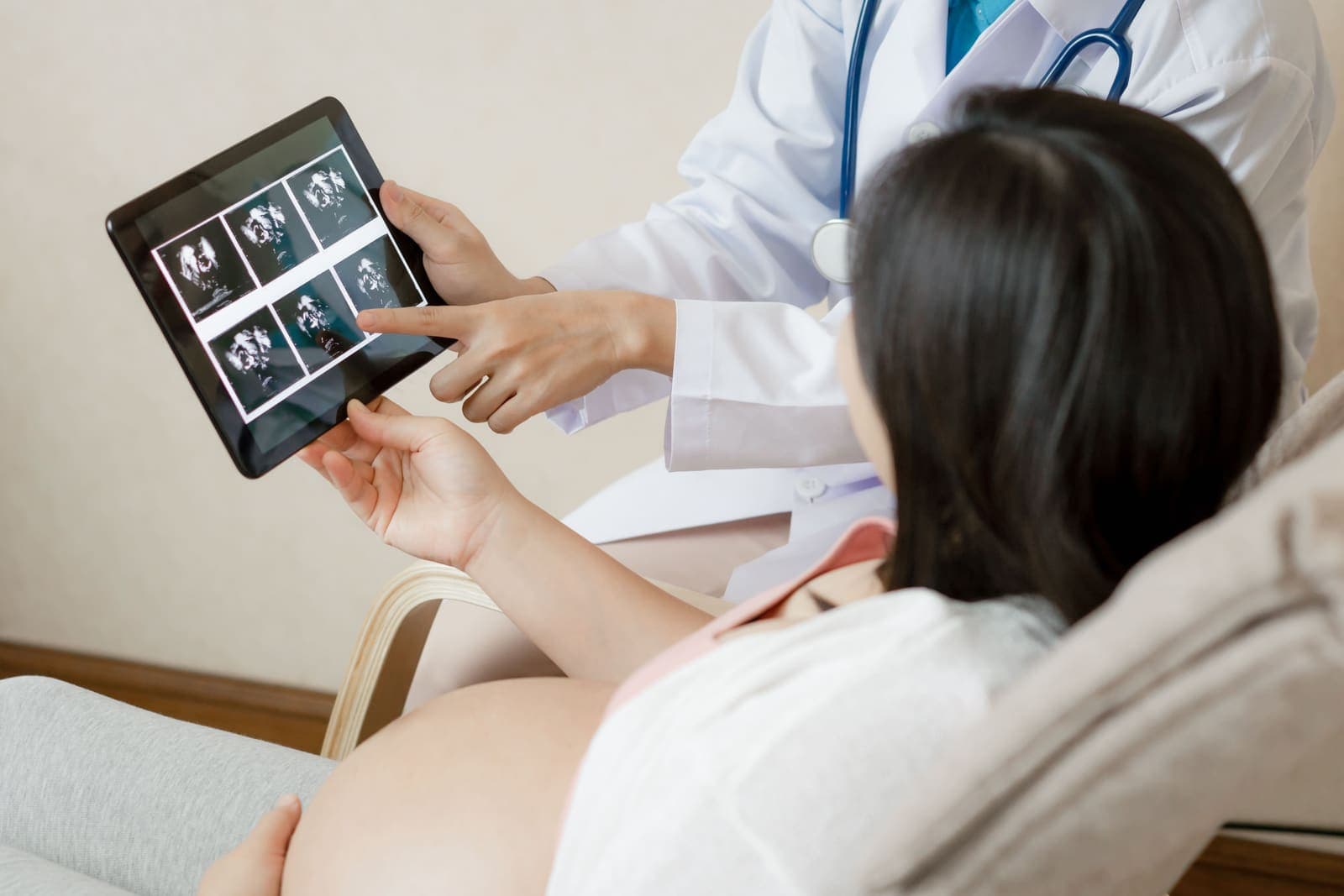
A pregnant woman speaking with a doctor in a clinical setting, highlighting routine prenatal care, medical guidance and support for a healthy pregnancy journey.
Persistent or painful bloating during pregnancy should not be something you simply put up with. If it is affecting your daily life, your sleep, or your ability to eat properly, that is worth discussing with your doctor.
Dr. Shachi Singh, practicing at Prakash Hospital, Sector 33, Noida, provides comprehensive obstetric and pregnancy care for women across Noida and Greater Noida. From routine antenatal check-ups to managing high-risk pregnancies, her focus is on making sure every stage of your pregnancy, including the uncomfortable parts, is properly understood and addressed.
If you are looking for the best gynecologist in Noida for pregnancy care, a doctor who takes your day-to-day concerns seriously alongside the clinical ones, we encourage you to get in touch.
To book a consultation with Dr. Shachi Singh, call: +91 97023 46853
Clinic Hours: Monday to Saturday, 9 AM – 6 PM | Sunday, 10 AM – 2 PM
Clinic Address: D-12A, 12B, Sector-33, G.B. Nagar, Noida, Uttar Pradesh 201301
Frequently Asked Questions About Gas During Pregnancy
1. Is it normal to have a lot of gas in early pregnancy?
Yes, very. Rising progesterone relaxes your digestive muscles from early in the first trimester, making gas and bloating one of the most common early pregnancy symptoms.
2. Can gas pain feel like contractions?
Gas pain can occasionally feel like cramping. True contractions, however, come in rhythmic waves that build, peak, and fade. If you are unsure whether what you are feeling are contractions, call your gynecologist.
3. Which Indian foods cause the most gas during pregnancy?
Rajma, chhole, certain dals (especially whole masoor or whole moong), raw cabbage and cauliflower, and carbonated drinks tend to produce more gas. Cooking legumes well and using digestive spices like jeera and ajwain can reduce the effect.
4. Can I take gas relief medicine during pregnancy?
Some options, like simethicone, are considered relatively safe, but no medication, even over-the-counter, should be taken during pregnancy without first checking with your gynecologist.
5. Does gas during pregnancy ever go away?
For many women, it improves during the second trimester as the body adjusts to hormonal changes. It may return in the third trimester. For some, it persists throughout. Your doctor can help you manage it at every stage.
This blog is written for informational and educational purposes. It is not a substitute for professional medical advice. Always consult Dr. Shachi Singh or a qualified gynecologist for guidance specific to your pregnancy.