Normal Delivery vs C-Section: What You Should Know
By Dr. Shachi SinghUpdated

An expectant mom gets ready for childbirth with her medical team in a hospital labor room.
Every birth story is unique, and knowing your options makes a big difference. You can go for a normal delivery or a cesarean section; both are safe, but they come with their own pros, cons, and recovery times. When you understand why doctors suggest one over the other, you can make choices that feel right for you and your baby. It’s about working with your doctor so you feel stronger, calmer, and ready for whatever comes next.
What is Normal Delivery?
Normal delivery, or vaginal birth, means giving birth through the birth canal without surgery. Labor kicks off when contractions start, and the cervix begins to open. After that, the baby is born, and then the placenta is expelled. Most of the time, recovery is quicker, there are fewer complications, and parents get to bond and start breastfeeding sooner than with surgery.
What is a C-Section?
A C-section, or cesarean delivery, means doctors deliver a baby by making cuts in the mother’s belly and uterus. Sometimes it’s the safest option, like if there are problems during labor or if the mom or baby has certain health issues. Recovery takes a bit longer than with a regular vaginal birth, so moms need some extra care and time to heal.
Difference Between Normal Delivery and C-Section
1. Definition
Normal Delivery (Vaginal Birth)
- Childbirth happens naturally through the birth canal.
- Labor starts on its own with regular uterine contractions.
- The cervix opens up to 10 cm before the baby comes out.
- Afterward, the placenta follows naturally.
C-Section (Cesarean Section)
- The doctor delivers the baby through a surgical cut in the abdomen and uterus.
- This surgery uses spinal, epidural, or sometimes general anesthesia.
- The baby comes out directly through the uterine incision.
- The placenta is removed by the surgeon.
2. Medical Indications
Normal Delivery
- Pregnancy is low-risk.
- The baby is head-down (vertex position).
- No serious health problems for the mother.
- Baby’s heart rate stays stable during labor.
C-Section
- Signs of fetal distress.
- Baby isn’t head-down, breech, or lying sideways.
- Problems with the placenta, like previa or abruption.
- Sometimes with twins or more.
- Previous C-section.
- Labor that stalls and doesn’t progress.
3. Nature of Procedure
Normal Delivery
- No surgery, just the body doing its thing.
- Sometimes doctors use an episiotomy or tools like forceps or a vacuum.
- Labor can last from 6 to 18 hours (really depends).
C-Section
- Major surgery on the abdomen.
- Usually takes 45 to 60 minutes.
- Needs a sterile operating room.
- Involves stitching up both the abdominal wall and uterus.
4. Anesthesia
Normal Delivery
- Sometimes, you don’t need any anesthesia.
- Epidural or spinal pain relief is optional.
- Local anesthesia if there’s an episiotomy.
C-Section
- Most often, spinal or epidural anesthesia.
- General anesthesia if it’s an emergency.
- You’re numb from the chest down.
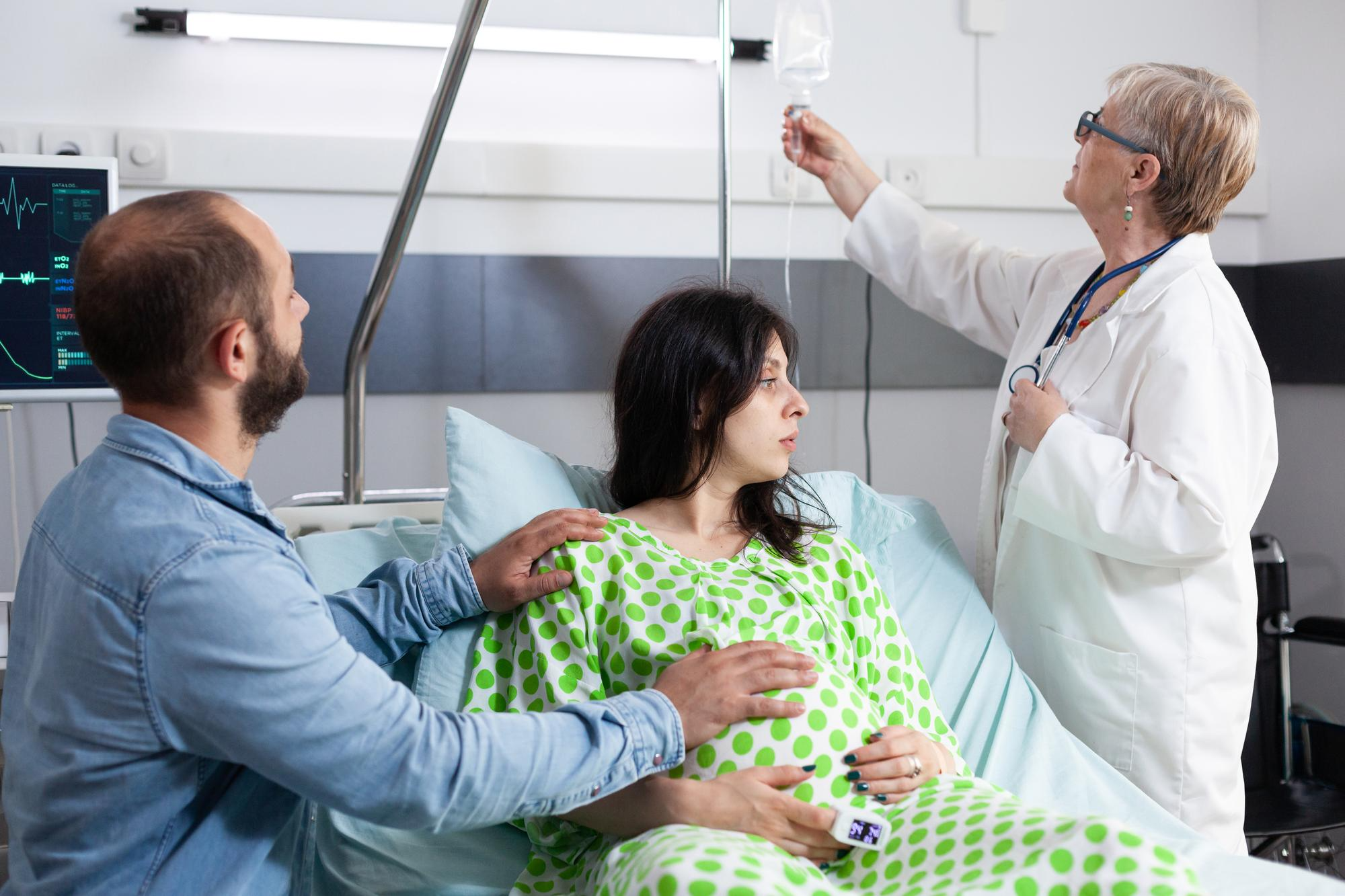
An expectant mother rests in a hospital room, being monitored and prepped for childbirth.
5. Recovery Time
Normal Delivery
- Hospital stay: about 1 to 2 days.
- Full recovery: 2 to 6 weeks.
- You’re up and moving faster.
- Generally, less pain after delivery.
C-Section
- Hospital stay: 3 to 4 days.
- Recovery takes about 6 to 8 weeks.
- You’ll need to take it easy for a while.
- There’s pain at the incision site.
6. Pain Comparison
Normal Delivery
- Labor hurts a lot because of contractions.
- Pain drops off quickly once the baby’s out.
- Breathing techniques or an epidural help manage pain.
C-Section
- No labor pain during the surgery.
- But there’s significant pain after, from the incision.
- Pain meds are needed for several days.
7. Risks and Complications
Normal Delivery
- Tearing in the perineal area.
- Pelvic floor muscles can weaken.
- Rarely, trouble with bladder control.
- Postpartum bleeding can happen, but it isn’t common.
C-Section
- More blood loss compared to vaginal birth.
- Higher risk of wound or uterine infection.
- Blood clots (like deep vein thrombosis).
- Scar tissue and adhesions.
- It can cause issues in future pregnancies.
8. Impact on Baby
Normal Delivery
- Helps baby clear fluid from the lungs.
- Baby gets exposed to helpful bacteria from mom.
- Lower chance of short-term breathing trouble.
C-Section
- Babies are a bit more likely to have breathing issues right after birth.
- Less exposure to mom’s microbiota.
- Sometimes necessary to avoid birth trauma when things get complicated.
9. Future Pregnancy Considerations
Normal Delivery
- No scar on the uterus.
- Fewer risks for future pregnancies.
- Easier to have another vaginal birth next time.
C-Section
- Leaves a scar on the uterus.
- There’s a risk of uterine rupture if laboring in future pregnancies.
- Higher chances of placenta problems like previa or accreta.
- You might need another C-section later.
10. Safety Perspective
- For low-risk pregnancies, Normal (vaginal birth) is usually the first choice; it’s safer, and recovery is quicker.
- C-sections save lives when things get risky, but they come with more complications.
- The best approach always depends on the mother’s health, the baby’s condition, what’s happened in previous pregnancies, and the doctor’s call.

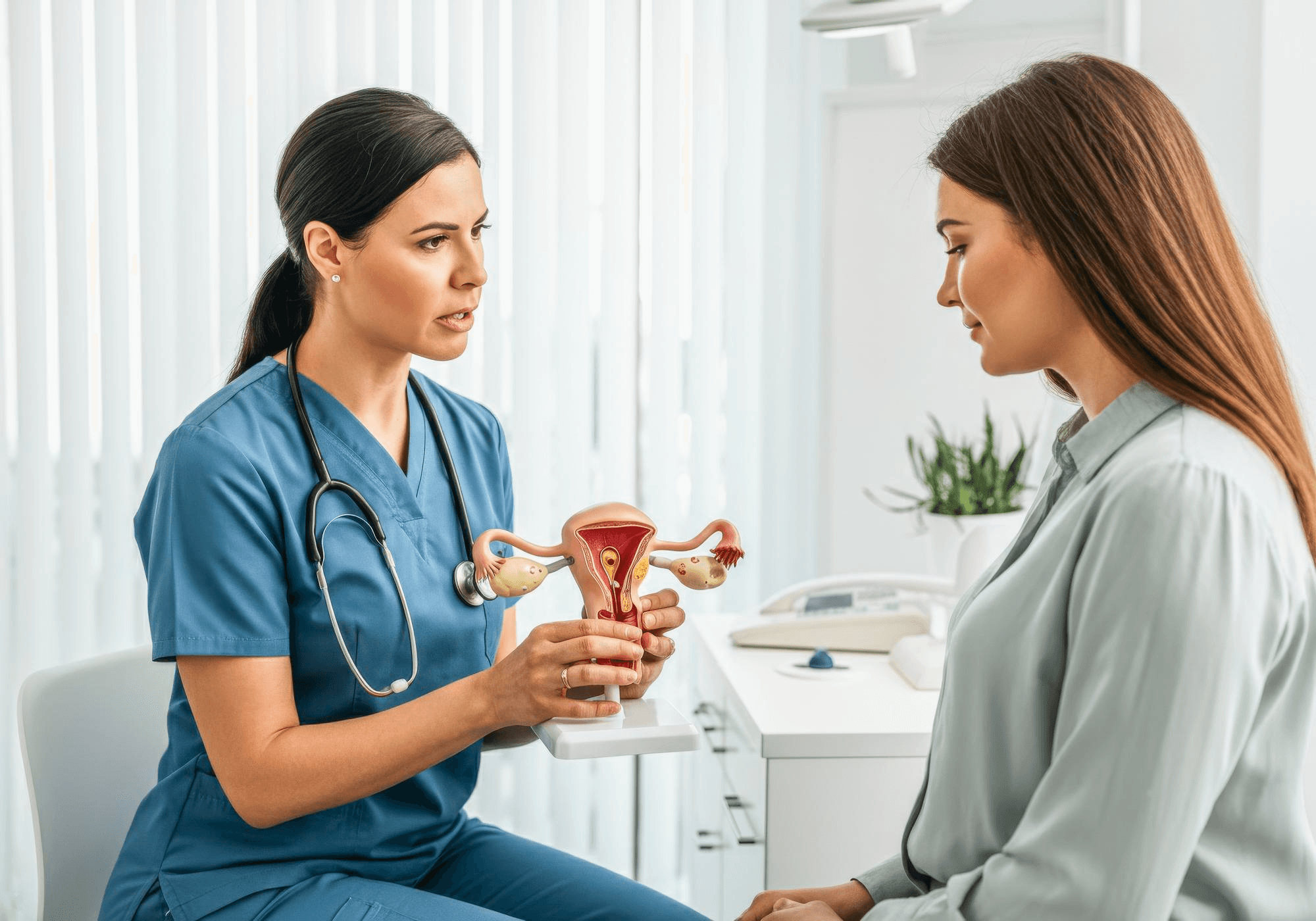
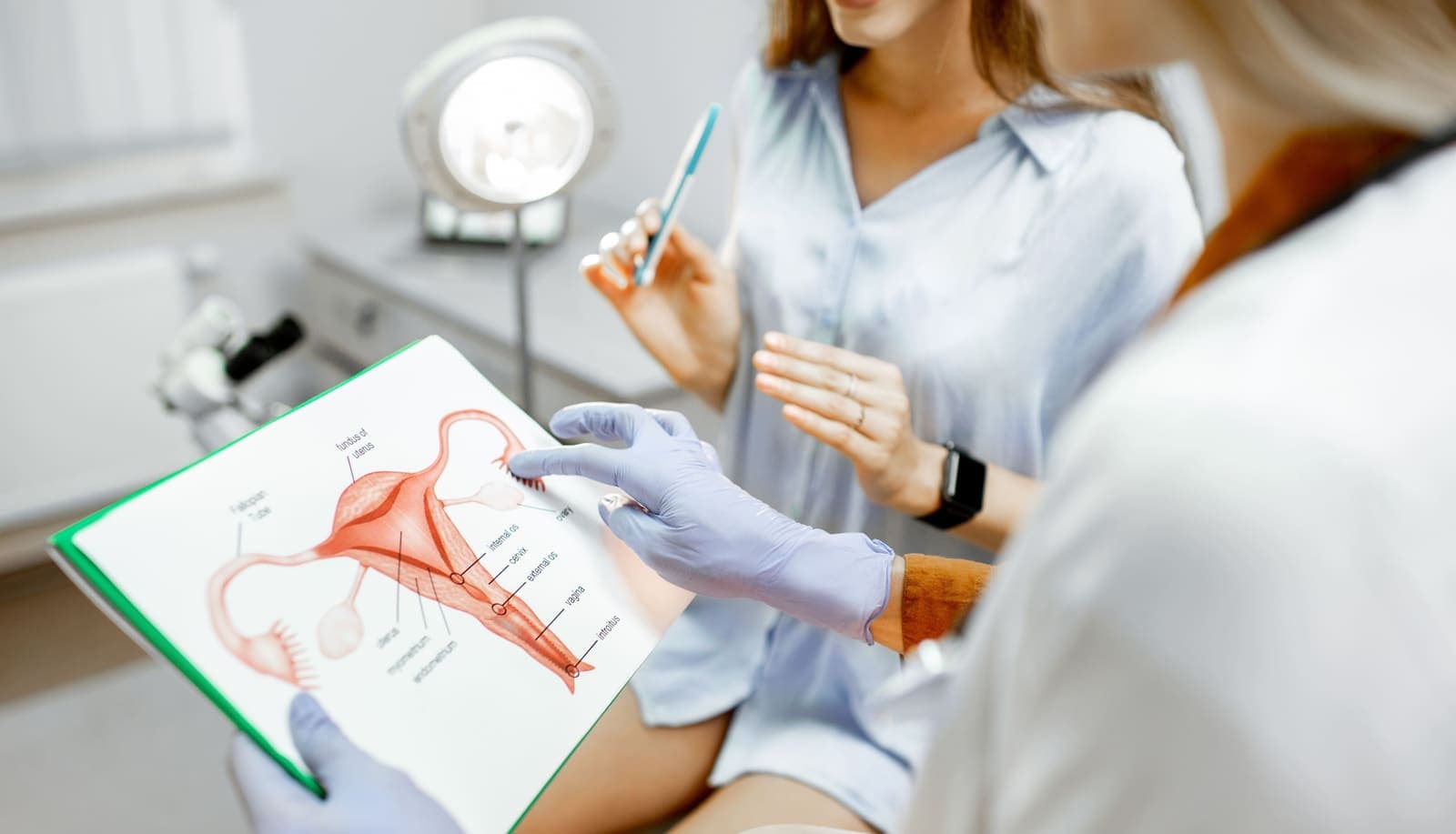
An expectant mom consults her gynecologist about delivery choices during a prenatal hospital visit.
Final Thoughts
Normal delivery and C-section are both safe ways to give birth when you have the right medical care. With vaginal birth, you usually bounce back faster and face fewer surgical risks. But sometimes things get tricky, and a C-section is the best, sometimes life-saving, option. The right call really comes down to your health, your baby’s needs, and your doctor’s advice. Ask questions, talk things through, and choose whatever keeps you and your baby safest.
Expert Care with Dr. Shachi Singh
Need expert care for your pregnancy and delivery? Dr. Shachi Singh brings years of experience in Obstetrics, Gynecology, and Laparoscopic Surgery. She handles everything from high-risk pregnancies to both natural births and C-sections with a steady, compassionate approach.
Ready for the next step? Book an appointment and get the support you deserve for a healthy, confident birth.