Warning Signs During Pregnancy: Early Detection Can Save Lives
By Dr. Shachi SinghUpdated

A pregnant woman is standing in the kitchen looking tired and has one hand on her forehead and one on her belly.
Being pregnant is indeed a wonderful experience, but it comes with responsibility and being knowledgeable. Several symptoms are indeed normal during pregnancy, but a few may highlight serious complications. Early detection of certain signs can be a lifesaver for the mother and the child.
Most women fail to give importance to certain subtle symptoms of pregnancy, assuming that they are a normal part of pregnancy. With early detection of certain alarming signs, most complicated pregnancy can turn out normal. Knowing which symptoms are normal or not is of utmost importance for every pregnant woman.
In this guide, let's learn about the vital warning signs of pregnancy, the importance of its early detection, and the need for consulting a specialist in this field.
Why Early Detection During Pregnancy Is Important?
Early screening for complications is vital to managing conditions before they get out of hand. High blood pressure, infection, or fetal distress, for example, will not lead to significant problems when detected and monitored correctly. Consistent monitoring of progress and keeping mothers aware of these factors enable preventive measures and minimize the hazards of pregnancy and childbirth, for both the woman and child.
The best advice and full pregnancy care can be sought at Dr. Shachi Singh is in Noida, where due care and diagnosis will protect the wellness of you and your baby.
Common Warning Signs During Pregnancy
These are important warnings during your pregnancy. Do seek immediate medical attention:
1. Severe Abdominal Pain Or Cramping
Mild cramping may be expected at certain points of your pregnancy as your body adapts, but you should seek immediate attention for any sharp or persistent cramping. These can be indicators of such problems as ectopic pregnancy, miscarriage, or placental problems. If you experience acute pain, one-sided pain, feel dizzy, or notice bleeding accompanying the pain, do not hesitate to call your healthcare provider.
2. Heavy Vaginal Bleeding
Spotting is quite common during early pregnancy and is generally nothing to worry about. However, heavy bleeding, particularly if it includes clots or is accompanied by pain, should be checked by your healthcare provider immediately.
3. Severe Headaches And Blurred Vision
Occasional headaches can be related to hormone changes in pregnancy, but persistent, severe headaches, often coupled with blurred vision, can be signs of dangerously high blood pressure or preeclampsia. This condition, left unchecked, can affect vital organs and the growth of the baby.
4. Sudden Swelling Of The Face, Hands, Or Feet
Some swelling of your extremities is normal during the last months of pregnancy. A sudden, drastic swelling of the face and hands, however, can be indicative of preeclampsia. Be sure to inform your healthcare provider if you notice sudden, excessive swelling in these areas, especially if you have a headache or vision disturbance.
5. Fetal Movement Slowdown Or Stopping
As you approach your third trimester, your baby's movements should be regular and noticeable. A slowing or complete lack of fetal movement can be an early warning sign of distress in the baby. Be sure to check your baby's kicking counts and let your healthcare provider know of any changes immediately.
6. High Fever Or Chills
A high fever, particularly one coupled with chills, during pregnancy can signify an infection which, if untreated, can have damaging effects on the baby's growth and development. It may also result in other complications, such as premature labor.
Less Obvious Signs That Need Attention

A pregnant woman is on a couch and appears tired and sad.
Although these symptoms might appear to be small, they should not be dismissed by a doctor:
- Pain or a burning sensation when you pass urine
- Recurrent fainting or dizzy spells
- Vaginal discharge, which seems unusual
- Chronic back pain
- Shortness of breath
Failure to notice these symptoms can lead to delay and associated risk factors.
High-Risk Pregnancy Warning Signs
For women who are experiencing high-risk pregnancies, they need to be aware and seek attention from their healthcare provider for any or all of the following:
- High blood pressure and or diabetes
- Past pregnancy complications
- Having multiples, such as twins or triplets
- Having children late in life
Even for these kinds of cases, you can take note of even the mild symptoms and contact your provider.
How To Reduce Risks During Pregnancy?
Taking preventive actions can help ensure a healthy pregnancy:
- Go to all your scheduled doctor’s appointments.
- Eat healthily
- Stay hydrated
- Do not take medication yourself.
- Take all medications as prescribed by your doctor.
- Watch fetal movements closely.
Consequences can be greatly minimized through awareness and treatment.
Difference Between Normal Pregnancy Symptoms And Warning Signs
Realizing which symptoms are normal and which are red flags saves unnecessary panic and guarantees the appropriate medical attention.
- Light cramps compared with severe, ongoing pain - Light cramping occurs from time to time because of all the changes happening to your body. If the pain persists or worsens, it may be a sign that something is wrong.
- Light spotting versus heavy bleeding - Spotting from time to time may be normal, and painful bleeding with clots is a sign of a problem for which you should seek professional medical help.
- Intermittent headaches versus strong headaches with blurred vision - Headaches, mild to severe, over the long term. Mild to severe headaches with vision issues. These could be the signs of high BP or pre-eclampsia.
- Normal swelling versus abnormally exuberant swelling - Mild swelling of the foot is common. Swelling of the face and hands in an acute manner can be a warning sign.
- Normal baby movement compared to some loss or no movement - Healthy to experience the fetal movement regularly; a drastic reduction of such indicates possible fetal jaundice.
- Morning sickness versus continuous vomiting - Feeling sick is fine, but ongoing vomiting can lead to dehydration, and you will need to be seen by a doctor.
- Mild tiredness/weakness versus dizziness/endurance - Getting tired is normal, but being overly tired or passing out says there might be something wrong.
- Typical discharge versus abnormal or excessive foul-smelling discharge - An increase in vaginal discharge is common, but abnormal color, smell, or irritation suggests an infection.
- A mild degree of elevation of temperature vs a high temperature - Body temperature can vary slightly, but a high fever indicates infection and should not be ignored.
Role Of Regular Prenatal Checkups In Early Detection
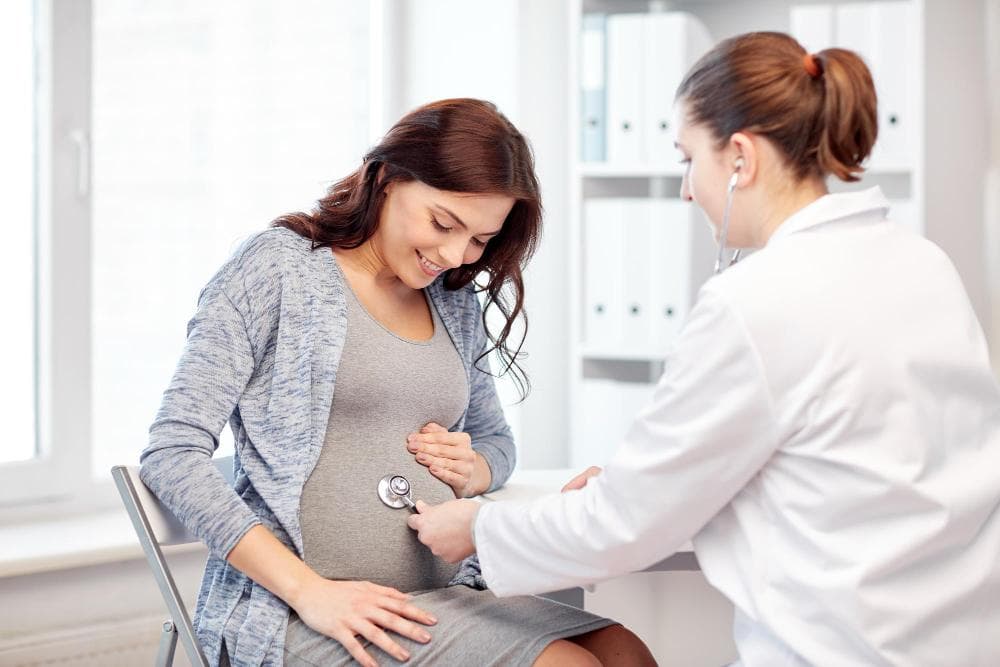
A healthcare professional is listening to a pregnant woman’s belly.
The regular check-ups are instrumental in detecting certain pregnancy complications at an early stage for a healthier gestation:
- The doctor can check on the vital parameters and overall health of the pregnant woman, including weight, blood pressure, etc. So that problems such as hypertension can be tackled efficiently.
- The baby's heart rate and position can be tracked to make sure that it is growing healthily.
- Testing during the regular check-ups helps to screen and identify possible conditions such as anemia, diabetes in pregnancy, or infections in their early stages.
- Structural abnormalities or abnormalities of any sort in the baby can be identified and checked using ultrasounds during the check-ups.
- The medical expert guides about food, activities, and other important health issues associated with pregnancy.
- Mothers can monitor the baby's movements closely. An early sign of possible complications can be noticed from this factor.
- Any condition can be diagnosed early to allow for timely treatment and prevent harmful consequences on the mother or the child.
- The check-ups help the women deal with problems during pregnancy, and anxiety levels are lowered, building her confidence throughout.
Final Thoughts
Every milestone of pregnancy is accompanied by significant signals that you shouldn't ignore. Identifying the norms and exceptions in pregnancy will be incredibly helpful in preventing complications. Early detection of warning signals can truly make the difference to a healthy and safe experience for you and your little one. Information, awareness, and an alert nature are paramount to a healthy and worry-free pregnancy journey.
Expert Care With Dr. Shachi Singh
Every pregnancy has its own individuality and demands appropriate care and support from medical experts. The right medical support will go a long way in detecting the risks and threats of pregnancy. Dr. Shachi Singh in Noida practices comprehensive care throughout pregnancy, keeping all parameters under check, and the process of early detection and accurate diagnosis is considered paramount to patient-centered treatment, be it normal pregnancies or high-risk ones. Her care will help your pregnancy move on in the most opportune direction.
If you happen to encounter any symptoms, however unusual, consult her for the benefit of your health and the future of your baby. Seek care and treatment on time.
Frequently Asked Questions (FAQs)
1. What are the signs of problems during pregnancy?
Severe pain, extensive bleeding, blurring of vision, swelling, and decreased baby movement can be identified as the most common warning signals in pregnancy.
2. What is the frequency of check-ups during pregnancy?
The schedule of check-ups during pregnancy typically begins with an interval of one month, and is gradually increased toward the end of the pregnancy term.
3. Can baby movement fluctuate and drop from time to time?
Although an occasional drop can be expected, an excessive decline should immediately be checked with your medical practitioner.
4. Are pregnancy complications preventable?
Although you may not be able to prevent every single complication from arising, consistent medical care will minimize the probability of developing complications during pregnancy.