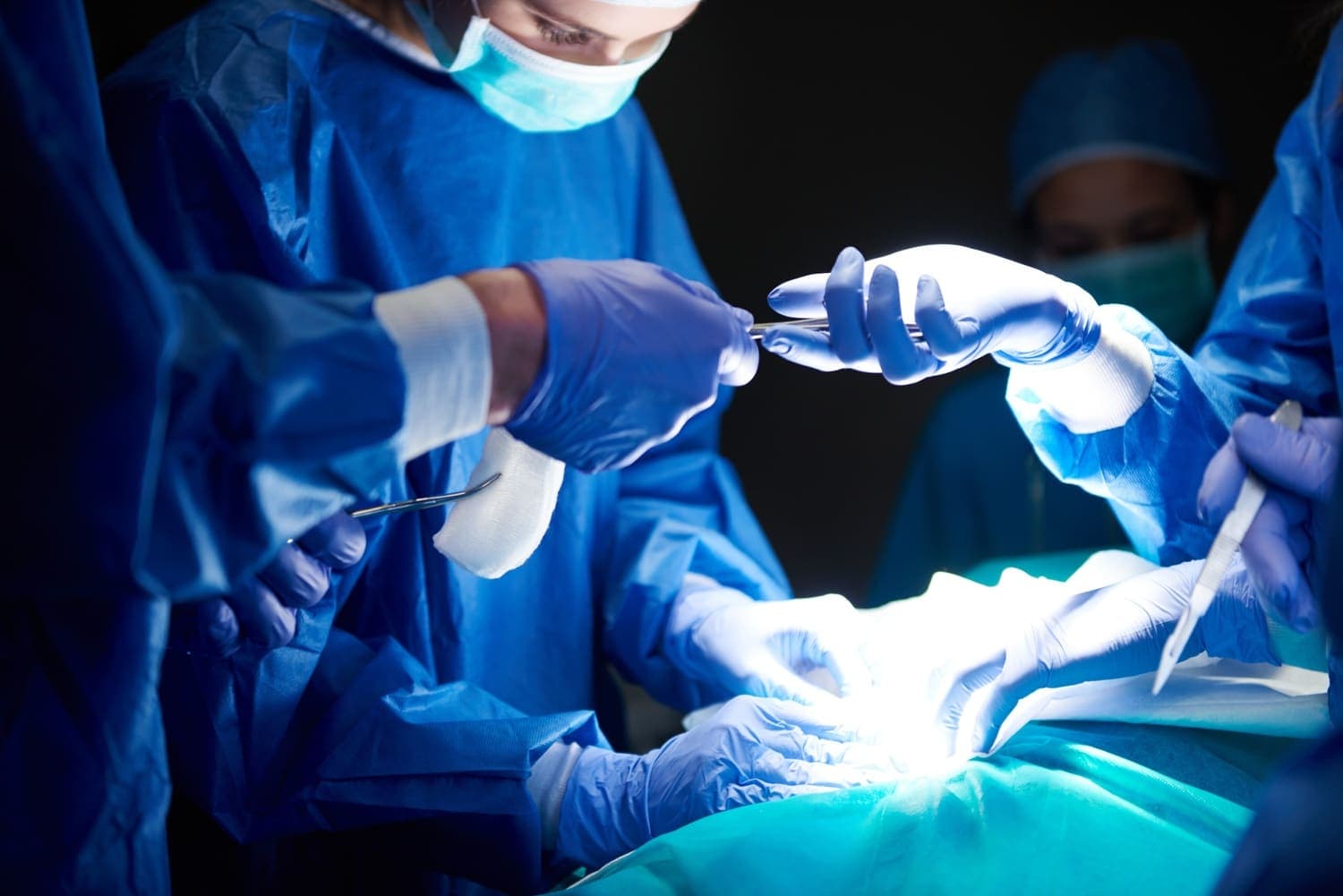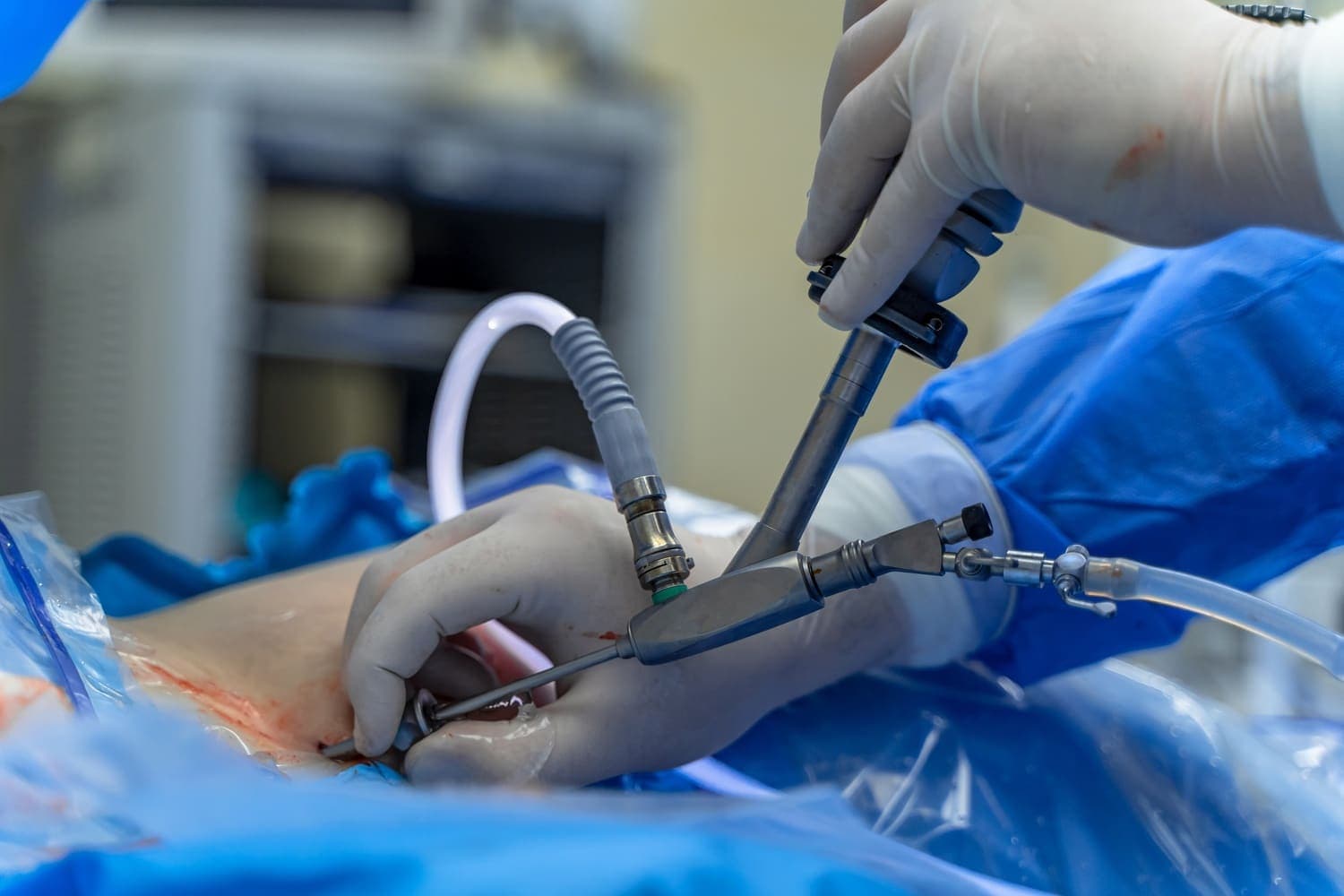
Laparoscopic surgery is a modern, minimally invasive surgical approach that allows gynecological conditions to be treated through small keyhole incisions rather than a single large cut. Unlike traditional open surgery, which requires a long abdominal incision and lengthy recovery, laparoscopy uses a camera and specialised instruments inserted through ports typically less than one centimetre in diameter. This technique offers the surgeon a magnified, high-definition view of the pelvic organs while minimising trauma to surrounding tissue.
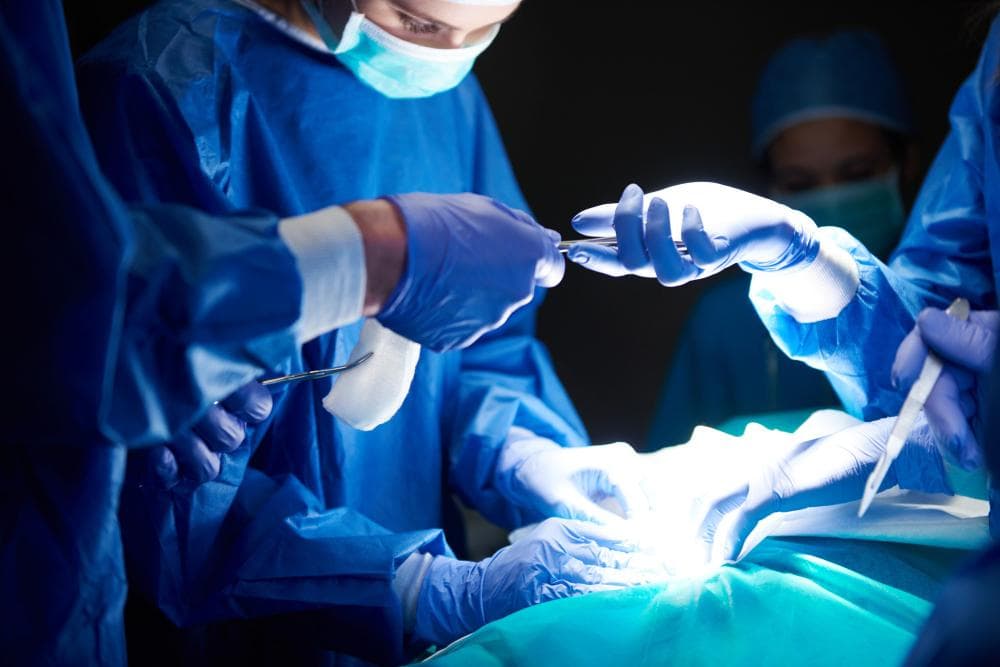
During the procedure, the abdomen is gently inflated with carbon dioxide gas to create space, allowing the surgeon to see and work within the pelvic cavity clearly and safely. A small camera called a laparoscope transmits live images to a monitor in the operating theatre, guiding every movement with precision. Instruments introduced through additional small ports allow the surgeon to cut, remove, suture or cauterise tissue with controlled accuracy.
The benefits of laparoscopic surgery over open surgery are significant and well established. Patients experience considerably less post-operative pain because the incisions are much smaller and muscles are not cut in the way they are during open procedures. Blood loss during surgery is also reduced, hospital stays are shorter, and most patients return to normal daily activities within one to two weeks rather than four to six weeks as with open surgery.

About This Service
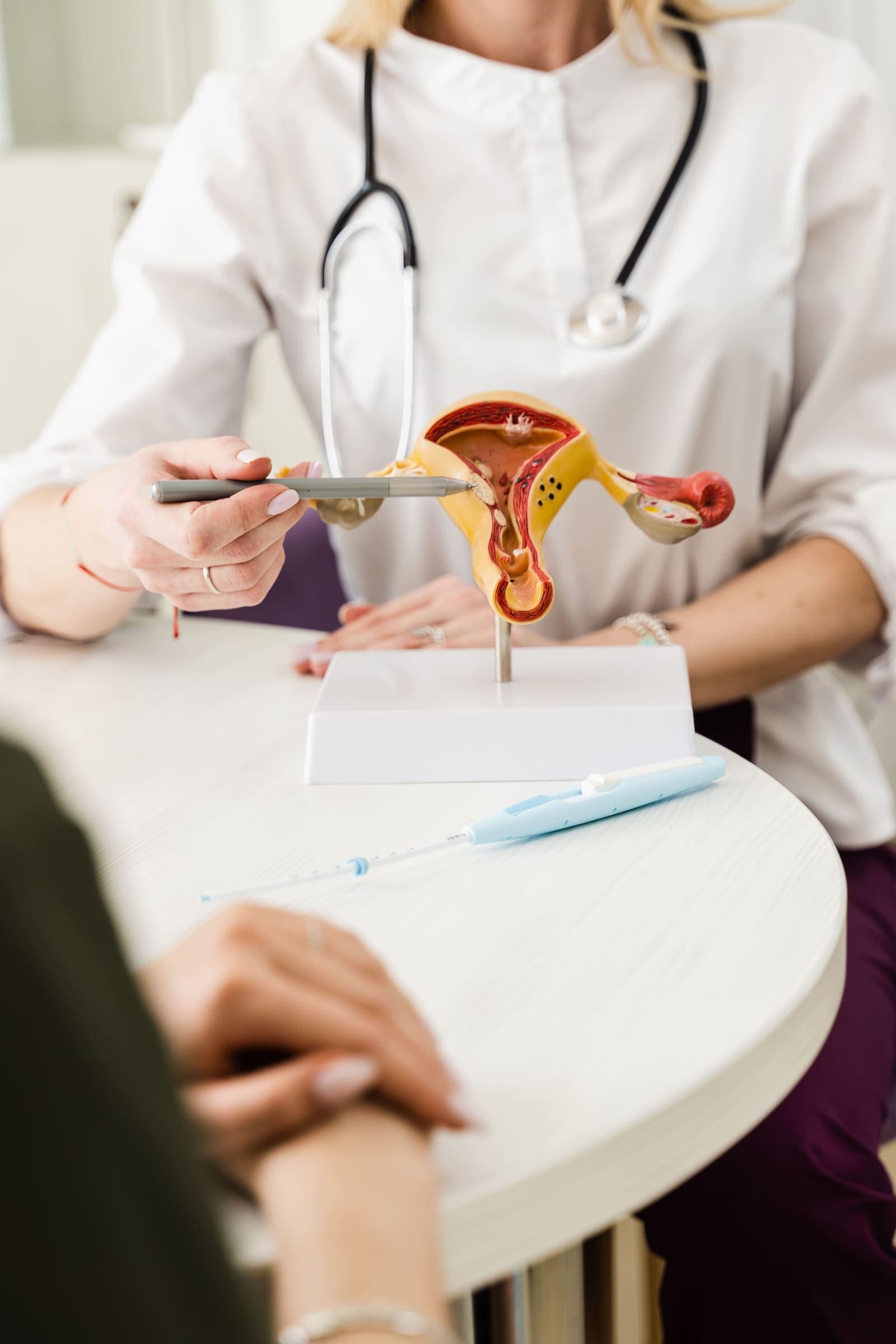
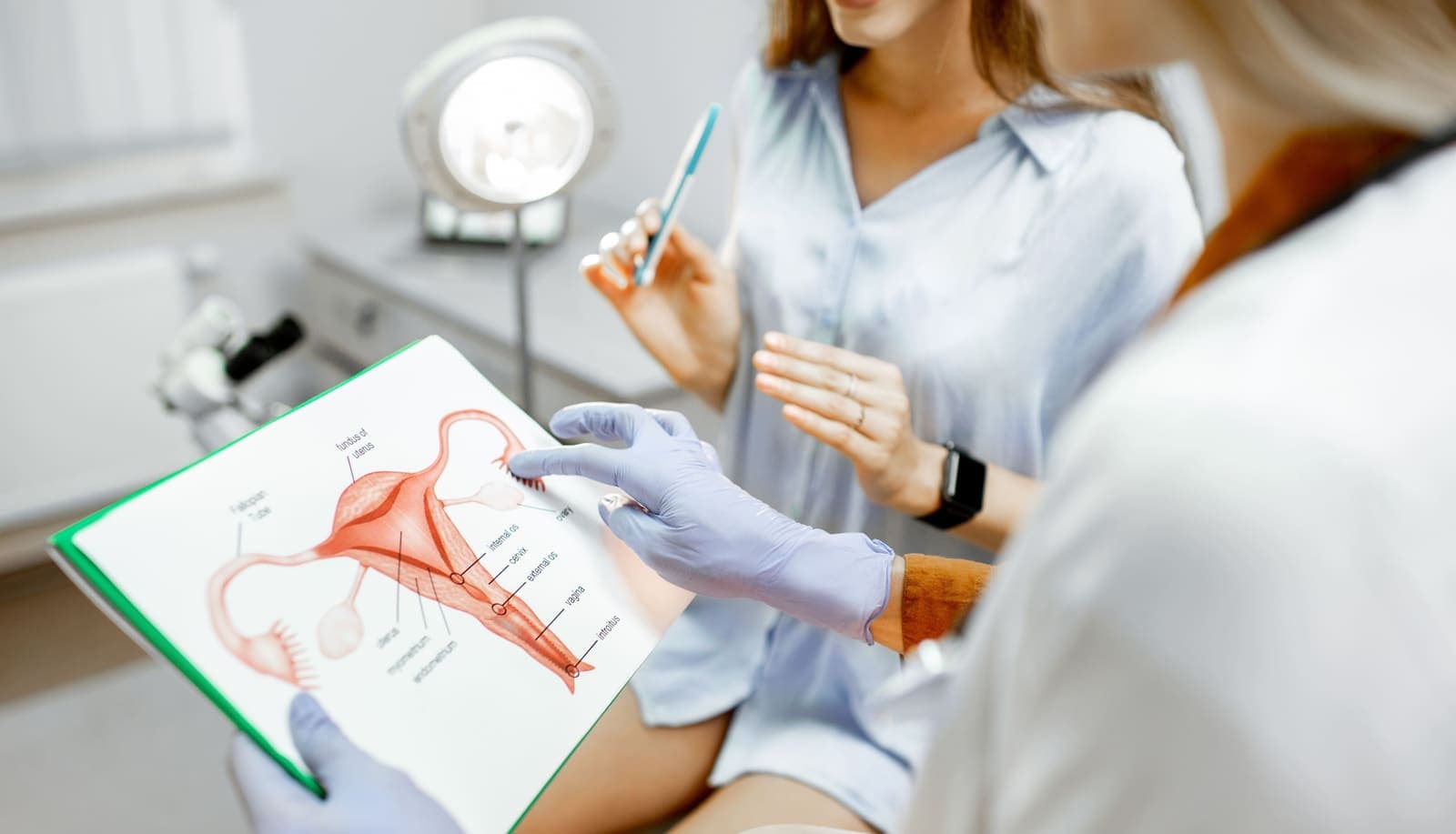
A wide range of gynecological conditions can be treated effectively using laparoscopic techniques. These include uterine fibroids, ovarian cysts, endometriosis, fallopian tube blockages, pelvic inflammatory disease, ectopic pregnancies and conditions requiring hysterectomy. Dr. Shachi Singh in Noida performs both diagnostic laparoscopy, which investigates unexplained pelvic symptoms, and operative laparoscopy, which treats identified conditions in the same sitting.
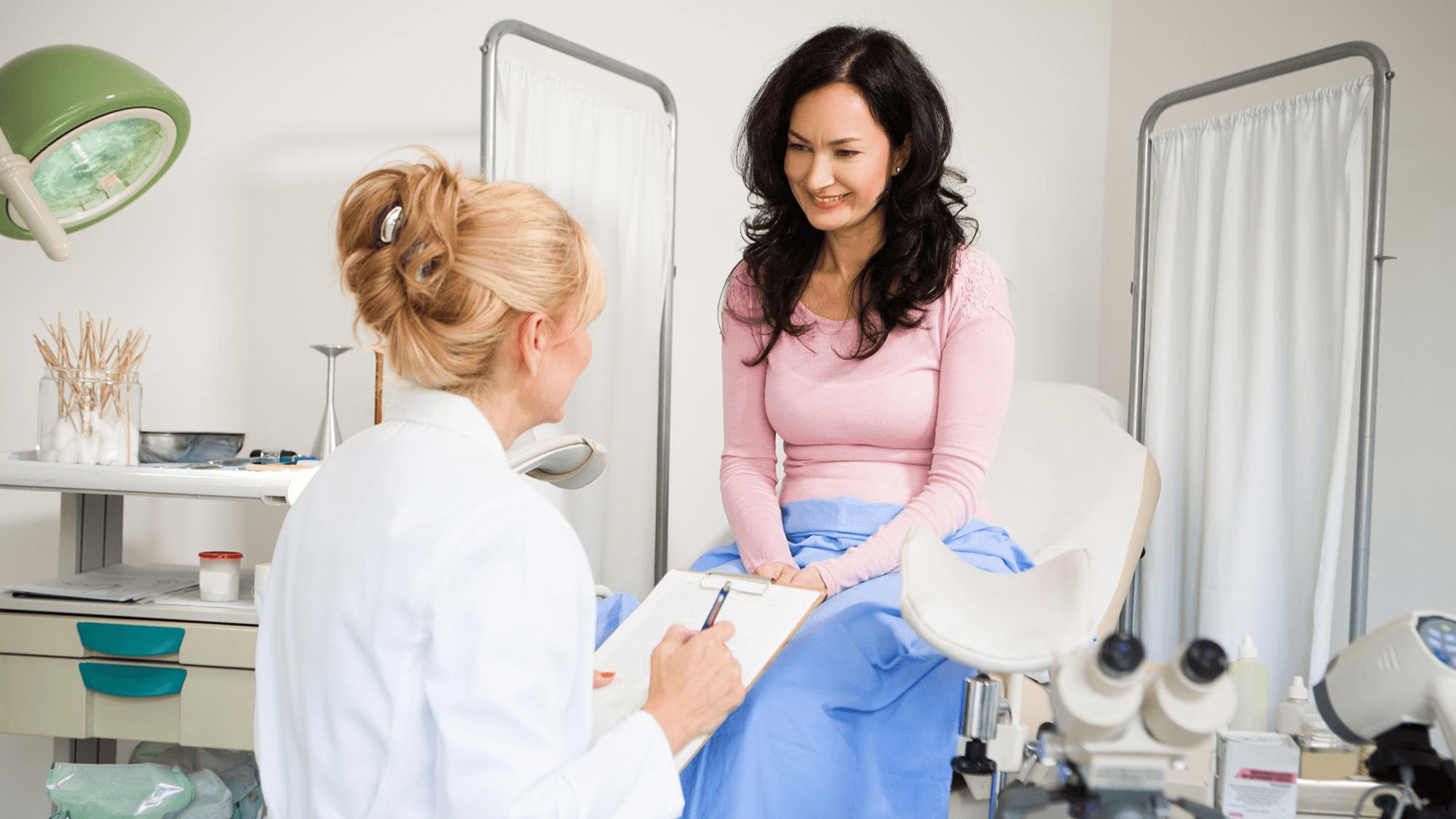
Preparation for laparoscopic surgery involves a pre-operative assessment that includes blood tests, an ECG if indicated, and a consultation with the anaesthetist. Patients are instructed to fast for a specified period before the procedure, typically six hours for solid food and two hours for clear fluids. Written informed consent is obtained after a thorough discussion of the procedure, its risks, benefits and alternatives, ensuring every patient feels fully prepared and confident.
During surgery, general anaesthesia is administered by a qualified anaesthetist to ensure complete comfort throughout. The surgeon then inserts the laparoscope and any additional ports before performing the planned procedure with precision. Operative time varies depending on the complexity of the condition being treated, but most routine laparoscopic procedures in Noida are completed within one to two hours.
Recovery after laparoscopic surgery is generally straightforward and much faster than after open surgery. Most patients experience mild soreness at the port sites and some shoulder discomfort due to the residual carbon dioxide gas, both of which resolve within a few days. Light activities can typically be resumed within a week, and most patients return to full normal functioning, including work, within two weeks of the procedure.
While laparoscopy is suitable for the majority of gynecological surgical patients, there are some situations where it may not be the preferred approach. Patients with extensive pelvic adhesions from previous surgeries, very large uterine fibroids or significant obesity may require modification of the surgical plan or conversion to open surgery for safety. Dr. Shachi Singh discusses these considerations openly during the pre-operative consultation so that each patient has realistic expectations before proceeding.