Women's Health Screening After 30: The Tests You Need And Why They Matter

Clinician takes Pap smear cell sample with brush from patient sitting in a gynecological exam chair.
Most women are good at managing other people's health. They get children vaccinated on schedule, remind partners about check-ups, and remember everyone's allergies. Their own preventive health appointments are frequently the ones that fall off the list.
The consequence is that conditions that are highly treatable when caught early, cervical pre-cancer, thyroid disorders, high blood pressure, diabetes, and breast abnormalities, go undetected. The treatment story changes, sometimes dramatically, between catching something at stage 1 and catching it at stage 3.
This guide, written with input from Dr. Shachi Singh, consultant gynaecologist at Prakash Hospital, Sector 33, Noida, covers the screening tests that matter for women after 30, what each one detects, when to do it, and what a normal schedule looks like for women at average risk.
Why Screening Is Different from Diagnostic Testing
Screening tests are done in the absence of symptoms in women who feel well. Their purpose is to detect conditions at an early stage when treatment is simpler, more effective, and far less disruptive to quality of life. Diagnostic tests are done when something has already been noticed, such as a lump, a symptom, or an abnormal result. Screening comes first, ideally before anything is noticed.
This distinction matters because waiting until you have symptoms to have these tests done defeats their purpose. By the time symptoms appear, many conditions have advanced beyond their most treatable stage.
Pap Smear (Cervical Cancer Screening)
What it detects: Pre-cancerous changes in the cervix, caused by Human Papillomavirus (HPV) infection. The vast majority of cervical cancers develop from these precancerous changes, which take 10 to 15 years to progress to cancer. Detecting and treating the precancerous changes prevents cancer from developing.
Why it matters in India: India has one of the highest cervical cancer burdens globally, approximately 77,000 women die from it annually. Almost all of these deaths are preventable through regular Pap smear screening.
When to start: Age 21, or within 3 years of first sexual activity.
Frequency:
- Ages 21 to 29: Every 3 years
- Ages 30 to 65: Every 3 years (Pap smear alone) or every 5 years (Pap smear + HPV co-test combined)
- After 65: May be discontinued if the previous 10 years of results have been consistently normal
What it involves: A 2 to 3-minute clinic procedure. A speculum is placed in the vagina, and a small brush collects cells from the cervix. Mild cramping or discomfort for some women, nothing for many. Results take 1 to 2 weeks.
Breast Examination And Mammography
What it detects: Breast cancer and precancerous breast changes. Breast cancer is the most common cancer in Indian women.
Clinical breast examination (CBE): Done by your gynaecologist at your annual health check-up, a physical examination of the breasts and underarm lymph nodes for lumps, skin changes, or nipple discharge. Recommended annually from age 30.
Breast self-examination (BSE): Monthly self-examination, done 5 to 7 days after the period when breasts are least likely to be naturally tender. Any new lump, thickening, skin dimpling, or nipple changes should be promptly evaluated.
Mammography: Breast X-ray that detects tumours before they are large enough to feel. For average-risk women, typically recommended from age 40 to 45 onward, every 1 to 2 years. For women with a first-degree relative (mother, sister) with breast cancer, screening often begins 10 years earlier than the relative's age at diagnosis.
Ultrasound: Particularly useful in younger women with denser breast tissue, where mammography can be less informative. Your gynaecologist or breast specialist will advise based on your specific situation.
Blood Pressure Measurement
What it detects: Hypertension is a major risk factor for heart attack, stroke, kidney disease, and, in pregnancy, preeclampsia. Hypertension has no symptoms in the vast majority of people until something goes wrong.
Why it matters: India's urban population, including Noida, has rapidly rising rates of hypertension related to stress, salt intake, physical inactivity, and obesity. Many women in their 30s have elevated blood pressure that they are not aware of.
When to check: At least every 2 years if normal (below 120/80 mmHg). At every medical visit, if elevated or borderline. More frequently, if known hypertension or at risk.
Target: Below 120/80 mmHg is optimal. 120 to 129/less than 80 is elevated. 130/80 or above is hypertension requiring attention.
Fasting Blood Sugar And Diabetes Screening
What it detects: Type 2 diabetes and pre-diabetes (impaired fasting glucose or impaired glucose tolerance). India has the second-highest number of diabetic adults globally. Many are undiagnosed.
Why it matters: Type 2 diabetes develops silently over the years. By the time symptoms appear, significant damage to the kidneys, nerves, and blood vessels may already have occurred. Detecting pre-diabetes allows intervention lifestyle changes that can prevent or delay progression to full diabetes.
When to screen:
- Every 3 years from age 35 for women without risk factors
- From age 30 (or earlier) if risk factors are present: family history of diabetes, previous gestational diabetes, PCOS, overweight or obesity, history of delivering a baby over 4 kg
Tests: Fasting blood glucose or HbA1c (reflects average blood sugar over 3 months) are the primary screening tools.
Thyroid Function Test (TSH)
What it detects: Hypothyroidism (underactive thyroid) and hyperthyroidism (overactive thyroid). Both are significantly more common in women than in men. In India, iodine deficiency and autoimmune thyroid disease (Hashimoto's thyroiditis) are particularly common causes.
Why it matters: Thyroid disorders can masquerade as depression, fatigue, weight changes, hair loss, menstrual irregularity, and difficulty conceiving. They are frequently missed or misattributed. They are easily treated once identified.
When to screen:
- At least once in the 30s as a baseline
- Every 5 years thereafter if normal
- More frequently if symptoms develop, if there is a family history of thyroid disease, or if autoimmune thyroid antibodies are elevated
- Essential before and during pregnancy, thyroid function has direct effects on fetal brain development
Haemoglobin And Iron Studies

A woman sits quietly with her head down, reflecting feelings of sadness, hopelessness, and fatigue due to Vitamin B12 deficiency.
What it detects: Iron deficiency and anaemia are extremely common in Indian women due to monthly menstrual blood loss, dietary insufficiency, and multiple pregnancies.
Why it matters: Chronic iron deficiency causes fatigue, reduced concentration, hair thinning, exercise intolerance, and, in pregnancy, serious complications for mother and baby. Many women have lived with mild to moderate anaemia for so long that they consider their fatigue normal.
When to check: Annually, particularly for women with heavy periods, a vegetarian diet, multiple pregnancies, or those who feel chronically tired. Complete blood count (CBC) and serum ferritin (iron stores) give the most complete picture.
Lipid Profile (Cholesterol)
What it detects: Elevated LDL cholesterol, low HDL cholesterol, elevated triglycerides, risk factors for cardiovascular disease that begin accumulating in the 30s and accelerate after menopause.
Why it matters: Cardiovascular disease is the leading cause of death in Indian women, yet the perception that heart disease is a "man's disease" persists. Women's cardiovascular risk rises significantly after menopause, but the trajectory toward it begins much earlier.
When to screen:
- First lipid profile by age 35 for average-risk women
- From age 20 to 25, if there is a family history of heart disease or hypercholesterolaemia
- Every 4 to 5 years is normal
- More frequently if elevated, or if you have diabetes, hypertension, or other risk factors
Bone Density Scan (DEXA)
What it detects: Osteopenia (low bone density) and osteoporosis (significantly low bone density with fracture risk). Indian women are at elevated risk due to widespread Vitamin D deficiency, lower average calcium intake, and smaller body frames.
Why it matters: Osteoporosis causes bones to fracture with minimal trauma; a simple fall can fracture a hip or vertebra in a severely osteoporotic woman, with serious consequences for independence and quality of life. Bone density loss accelerates dramatically in the first decade after menopause.
When to screen:
- Women with menopause under 45 (premature): At the time of menopause
- Average-risk women: At menopause, or by age 50
- Any woman with significant risk factors: family history of hip fracture, chronic steroid use, low body weight, history of fracture earlier and more frequently
Vitamin D Level
What it detects: Vitamin D deficiency is extremely common in India despite abundant sunlight. Dark skin, covered clothing, indoor occupations, and air pollution all reduce natural synthesis.
Why it matters: Vitamin D is essential for calcium absorption, bone health, immune function, and mood regulation. Severe deficiency is associated with bone loss, muscle weakness, and impaired immune response. In pregnancy, Vitamin D deficiency affects fetal bone and brain development.
When to check: At least once in the 30s. Annually, if a deficiency has been identified and treated (to confirm correction). Most Indian women who have not specifically supplemented are deficient.
Pelvic Ultrasound
What it detects: Uterine fibroids, ovarian cysts, endometrial changes, and other pelvic pathology. A baseline transvaginal ultrasound provides a reference point for follow-up comparison.
When: Your gynaecologist will advise based on symptoms, family history, and examination findings. For women with heavy or irregular periods, pelvic pain, or a palpable pelvic mass, a pelvic ultrasound is essential. As part of a general gynaecological check-up, it is useful from the mid-30s onward.
Building Your Screening Schedule
For an average-risk woman in Noida with no significant personal or family medical history, a practical schedule looks like:
Annually:
- Clinical breast examination
- Blood pressure measurement
- Haemoglobin (if heavy periods or tiredness)
Every 3 years:
- Pap smear
Every 3 to 5 years:
- Fasting blood glucose
- Thyroid function test (TSH)
- Lipid profile
At least once in your 30s, then as indicated:
- Vitamin D level
- Baseline pelvic ultrasound
From age 40 to 45:
- Annual mammography
At menopause:
- DEXA bone density scan
Modify this schedule if you have specific risk factors, family history of cancer, PCOS, previous gestational diabetes, thyroid family history, early menopause, or heavy periods, by starting relevant screenings earlier or doing them more frequently.
Preventive Gynaecological Care In Noida And Greater Noida

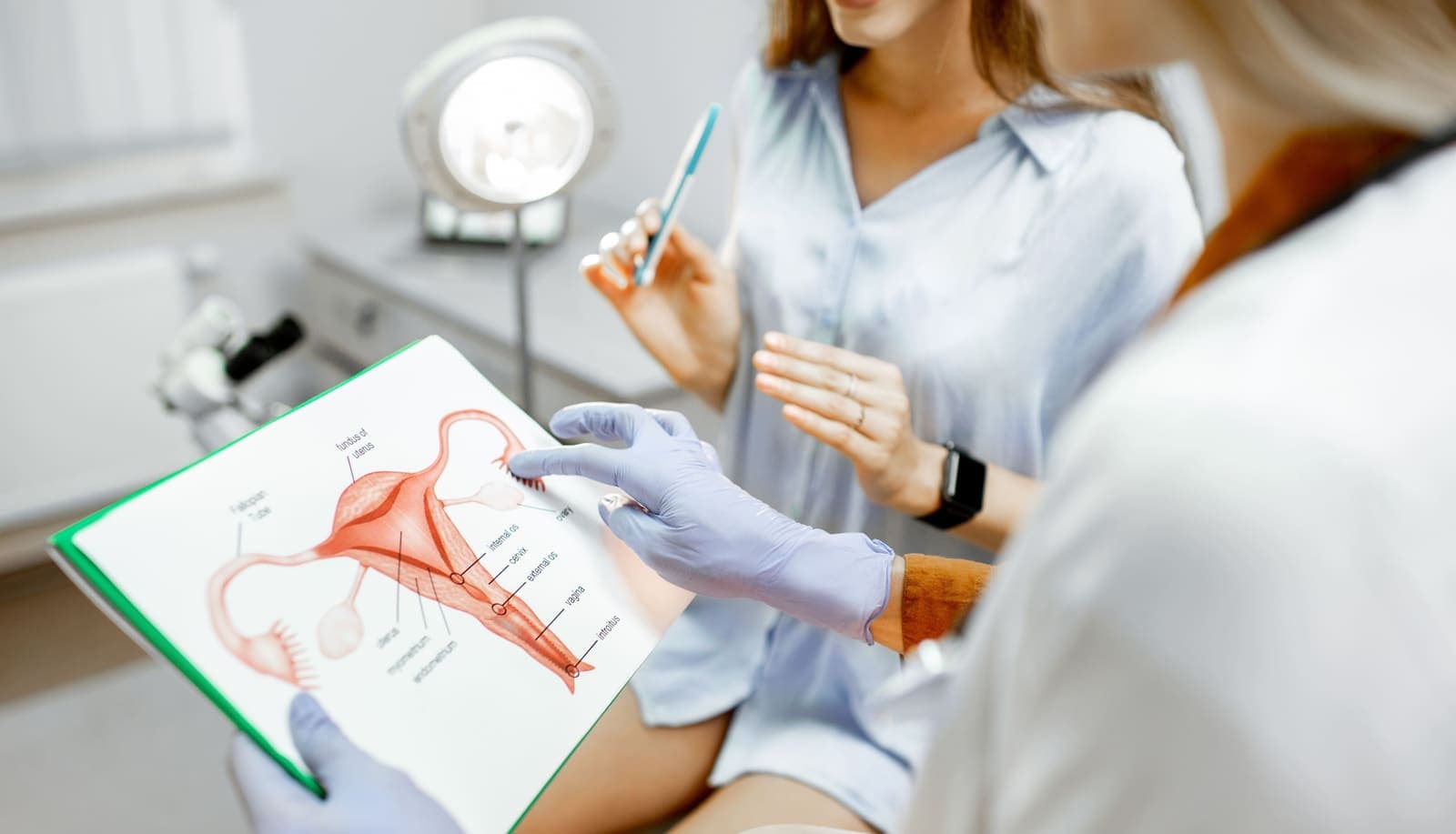
Doctor teaches patient about female anatomy using reproductive model while discussing Pap smear.
Dr. Shachi Singh at Prakash Hospital, Sector 33, Noida, provides preventive women's health consultations, cervical screening (Pap smear), clinical breast examination, and referral for all relevant screening investigations for women across Noida and Greater Noida. If you are overdue for any of the tests listed here, particularly the Pap smear, this is the appointment to make.
To book a consultation with Dr. Shachi Singh, call: +91 97023 46853
Clinic Hours: Monday to Saturday, 9 AM – 6 PM | Sunday, 10 AM – 2 PM
Clinic Address: D-12A, 12B, Sector-33, G.B. Nagar, Noida, Uttar Pradesh 201301
Frequently Asked Questions
1. Which is the most important screening test for women?
The Pap smear (cervical cancer screening) and blood pressure measurement arguably have the largest individual impact, the first because cervical cancer is almost entirely preventable through screening, and the second because hypertension is so common and so silent. Both should be at every woman's regular health check-up from their 30s onward.
2. Do I need a full health check-up every year?
Not necessarily a full comprehensive check-up annually, but blood pressure, clinical breast examination, and haemoglobin (if relevant) are annual. Other tests follow their respective intervals as listed above.
3. Is a Pap smear still needed after menopause?
Yes, until age 65 as long as you have a cervix. After 65, if the previous 10 years of results have been consistently normal, screening may be discontinued on your doctor's advice.
4. How often should I see a gynaecologist even if I have no symptoms?
An annual gynaecological visit is recommended from age 21 for sexually active women, or from age 30 for all women regardless of sexual activity. This allows for Pap smear scheduling, breast examination, and a general health conversation about any concerns.
This blog is written for educational and informational purposes only. Please consult Dr. Shachi Singh or a qualified gynaecologist for a personalised screening schedule based on your health history and risk factors.