Vaginal Dryness After Childbirth and Menopause: Causes, Treatments, and Why You Should Not Ignore It
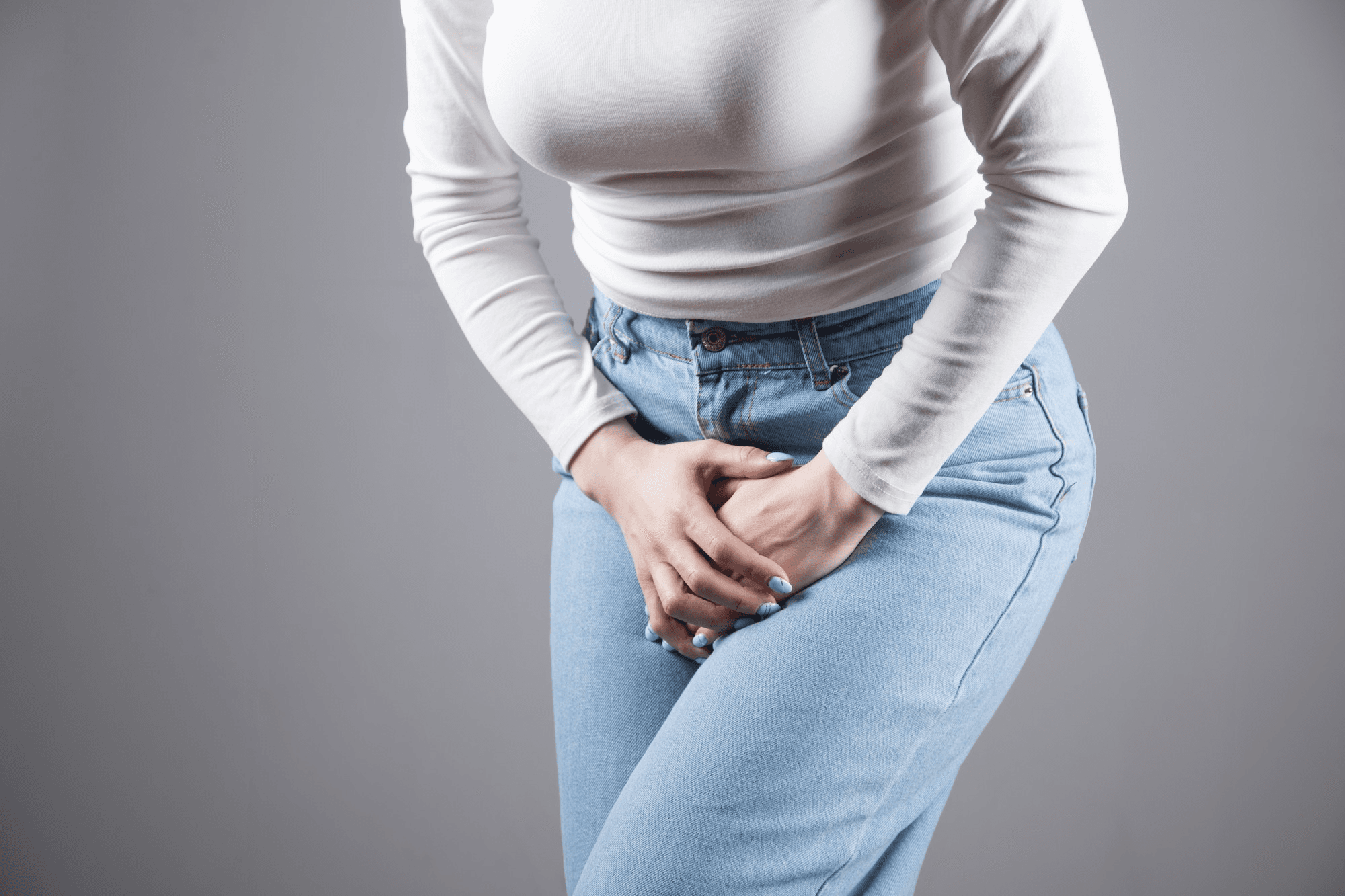
A woman holding a sad face card up in front of her lower abdomen, with red flowers positioned next to her vagina and vulva, and vaginal care is hinted at for and related to feminine hygiene and female health.
Vaginal dryness is one of those symptoms that affects a very large number of women and is discussed by almost none of them — not with their doctors, not with their partners, and often not with themselves.
It is estimated to affect over 50% of postmenopausal women. A significant number of breastfeeding and postpartum women experience it. It makes daily life uncomfortable, makes intercourse painful, contributes to urinary symptoms, and quietly erodes intimate relationships — and yet the majority of women who experience it simply accept it, assume it is permanent, and never raise it in a clinical setting.
It is not permanent. It has well-established causes. It has multiple effective treatments. And it worsens progressively over time if left untreated — which is why addressing it when it first becomes a problem, rather than years later, produces better outcomes.
Dr. Shachi Singh, consultant gynaecologist at Prakash Hospital, Sector 33, Noida, explains why vaginal dryness happens, which women are most affected, and what the treatment options look like — from the simplest to the more specialised.
What Causes Vaginal Dryness?
The vaginal tissues are oestrogen-dependent. Oestrogen maintains the thickness, elasticity, and lubrication of vaginal tissue. It supports the production of vaginal secretions that keep the tissue moist. It also maintains the health of the vaginal microbiome and the slightly acidic vaginal pH that protects against infections.
When oestrogen levels fall, these functions diminish. The vaginal walls become thinner, less elastic, and less lubricated. The tissue becomes more fragile and more prone to irritation, tearing, and infection. This is the mechanism behind virtually all vaginal dryness.
After Childbirth and During Breastfeeding
Oestrogen levels fall dramatically after delivery — as part of the normal hormonal recalibration. In women who breastfeed, the hormone prolactin (which drives milk production) suppresses ovarian oestrogen production for the duration of breastfeeding. This creates a sustained low-oestrogen state that can last for as long as exclusive breastfeeding continues.
The result is that many breastfeeding women experience significant vaginal dryness, reduced vaginal secretions, and pain during intercourse — sometimes from as early as 6 to 8 weeks postpartum and persisting through the breastfeeding period. This is entirely normal physiologically, but it is rarely discussed in postnatal care because it sits at the uncomfortable intersection of new parenthood and sexual health.
Once breastfeeding stops and ovarian function resumes, oestrogen levels recover, and vaginal tissue typically improves — though it may take 2 to 4 months after weaning.
During Perimenopause
The erratic oestrogen fluctuations of perimenopause cause fluctuating vaginal symptoms — some months worse, some months better. This is often the phase where women first notice intercourse discomfort and attribute it to stress or age, without recognising the hormonal mechanism.
After Menopause — Genitourinary Syndrome of Menopause (GSM)
The sustained oestrogen deficiency of postmenopause produces what is now called genitourinary syndrome of menopause (GSM) — a term that better captures the full picture than "vaginal atrophy," which many women find alarming.
GSM includes:
- Vaginal dryness — the most common symptom
- Vaginal irritation, itching, or burning
- Dyspareunia — pain during or after intercourse
- Vulvar discomfort
- Urinary frequency or urgency
- Recurrent urinary tract infections
- Urinary incontinence (stress or urge) — the urethra is similarly affected by oestrogen deficiency
Unlike vasomotor symptoms (hot flashes, night sweats), which often improve after the first few years of menopause, GSM does not improve without treatment. It worsens progressively as the oestrogen deficiency continues.
Other Causes
Anti-oestrogenic medications: Tamoxifen (used for breast cancer), aromatase inhibitors, GnRH analogues, and Depo-Provera (injectable contraceptive) all lower oestrogen levels and can cause vaginal dryness.
Sjögren's syndrome: An autoimmune condition causing dryness of all mucous membranes — eyes, mouth, and vagina.
Other medications: Antihistamines, antidepressants, and anticholinergic medications can reduce vaginal secretions.
Why Painful Intercourse from Vaginal Dryness Should Not Be Accepted
A very common experience for Indian women is to experience pain during intercourse after delivery or in the perimenopausal years and to attribute it to something they cannot change — "it happens after children," "it is part of getting older" — without seeking assessment.
Painful intercourse (dyspareunia) from vaginal dryness has a clear physiological cause and effective treatments. Accepting it silently has consequences:
- It frequently worsens over time as the tissue becomes progressively more atrophic
- It affects intimate relationships, often silently and without the couple understanding why
- It contributes to the avoidance of intimacy and the relationship dynamics that follow
- Ongoing pain and friction on fragile vaginal tissue increase the risk of vaginal infections
Raising this with a gynaecologist is not embarrassing — it is appropriate use of healthcare for a documented medical condition.
Diagnosing Vaginal Dryness
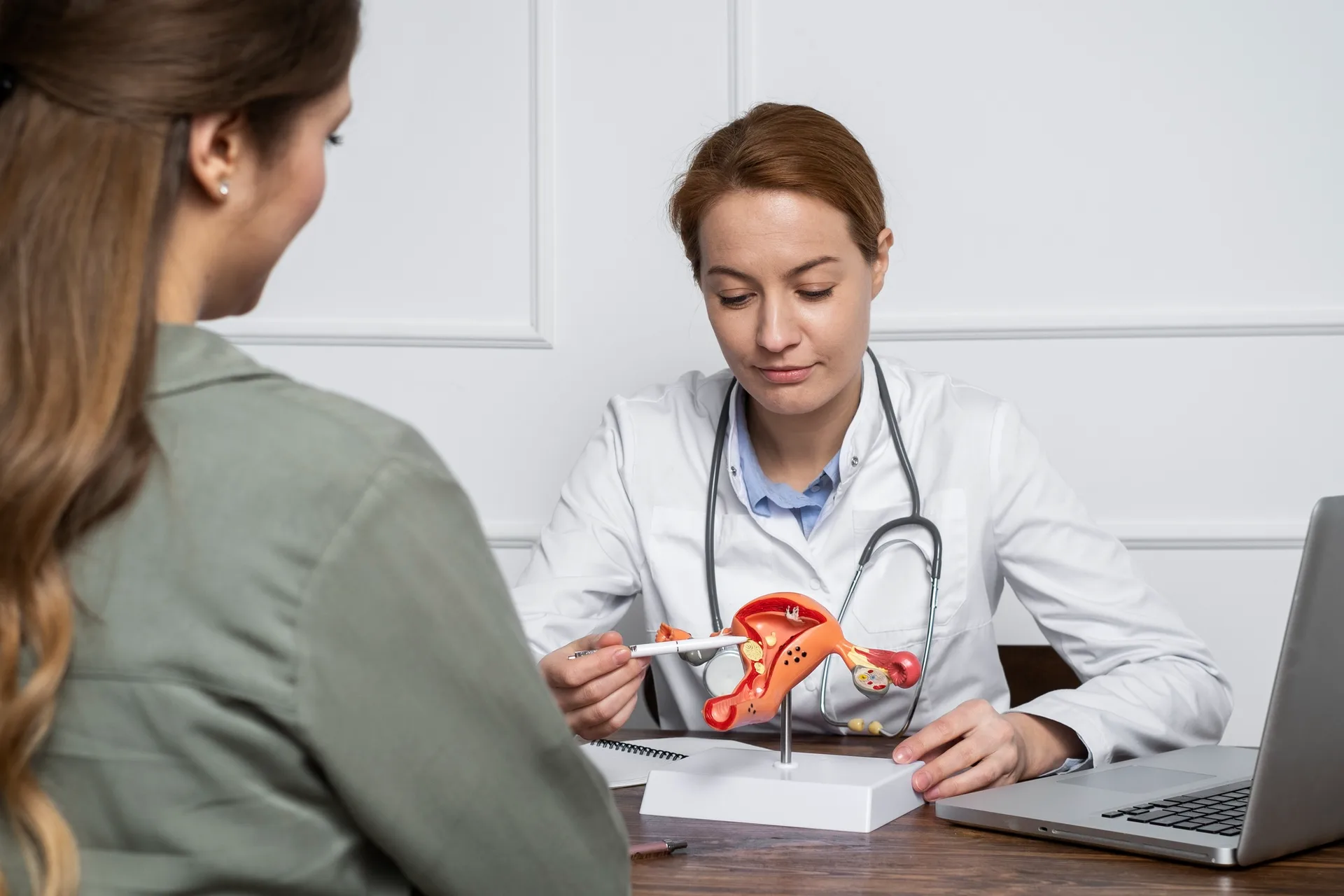
A clinical consultation includes:
- Discussion of symptoms, duration, when they began (postpartum, perimenopausal, or postmenopausal), and their impact
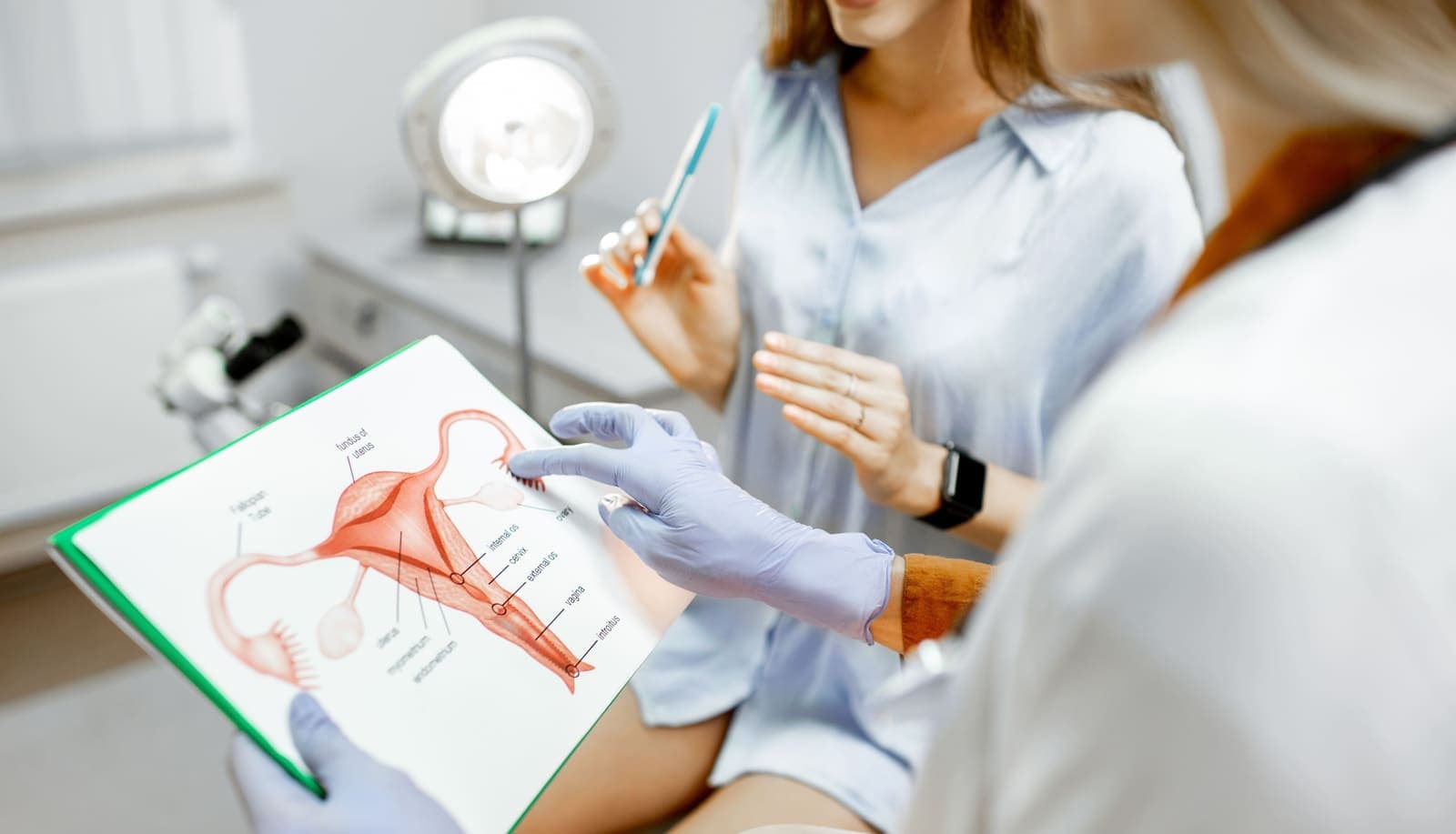
- A brief pelvic examination to assess the vaginal tissue condition — whether it appears well-oestrogenised (pink, moist, resilient) or atrophic (pale, thin, fragile)
- Vaginal pH measurement (in postmenopausal women, elevated pH above 5 is a marker of GSM)
Blood tests are generally not required to diagnose vaginal dryness, but hormonal assessment (FSH, oestradiol) may confirm menopausal status if it is uncertain.
Treatment Options
Non-Hormonal Options — For All Women
Vaginal moisturisers: Used 2 to 3 times per week (not during intercourse), vaginal moisturisers provide sustained hydration to vaginal tissue. They work by providing a water-retaining layer on the tissue rather than simply lubricating the surface. Available over the counter (e.g., Replens-style products). Safe for all women, including those with a history of breast cancer.
Lubricants: Used specifically during intercourse to reduce friction. Water-based lubricants are the preferred choice (silicone-based lubricants are compatible with condoms but may degrade some sex toy materials). Lubricants manage the symptom during intercourse but do not treat the underlying tissue change.
Pelvic floor physiotherapy: For women with dyspareunia from vaginismus (involuntary muscle contraction) — which can coexist with vaginal dryness — pelvic floor physiotherapy addresses the muscular component. This is often relevant in postpartum women.
Local Oestrogen Therapy — The Most Effective Non-Surgical Option
Local oestrogen — applied directly to the vaginal tissue — is the most effective treatment for GSM. It is available as:
- Vaginal oestrogen cream: Applied with an applicator to the vaginal walls. Initially used daily for 2 weeks, then 2 to 3 times per week for maintenance.
- Vaginal oestrogen pessary/tablet: Inserted with an applicator. Same frequency as cream.
- Vaginal oestrogen ring: Inserted by a clinician and releases low-dose oestrogen continuously for 3 months.
The key safety point: Local vaginal oestrogen is minimally absorbed into the systemic circulation. Blood oestrogen levels rise only trivially with vaginal oestrogen at standard doses. This is why it is considered safe even for women who cannot take systemic hormone therapy — including many women who have had breast cancer (though breast cancer survivors should discuss it with their oncologist). The major guidelines from gynaecological societies in the UK, USA, and Europe confirm the safety of low-dose local oestrogen for women with a history of hormone-receptor-positive breast cancer.
Systemic Hormone Replacement Therapy (HRT)
Systemic HRT — oestrogen (with progesterone in women who have a uterus) taken as patches, gel, or tablets — treats both the vasomotor symptoms of menopause and GSM. For women with both hot flashes and vaginal symptoms, systemic HRT addresses both simultaneously.
Many women whose vaginal symptoms are the primary or only concern find local vaginal oestrogen sufficient and preferable to systemic HRT.
Laser Therapy — CO2 Laser and Radiofrequency
Non-ablative fractional CO2 laser applied to the vaginal walls stimulates collagen production, restores vaginal mucosal thickness and elasticity, and improves lubrication. It is a non-hormonal approach that is particularly relevant for women who cannot or prefer not to use any form of oestrogen.
A course of 3 sessions, each 6 weeks apart, with annual maintenance sessions, is the typical protocol.
Who it helps most:
- Postmenopausal women with GSM who cannot use oestrogen
- Breast cancer survivors on aromatase inhibitors experiencing severe vaginal dryness
- Postpartum women with persistent dryness not resolving with conservative measures
- Women with mild stress urinary incontinence alongside vaginal dryness
Evidence for laser therapy in GSM is growing and positive. It is not a replacement for local oestrogen (which has decades of evidence) but is a well-tolerated alternative for women where oestrogen is not an option.
Radiofrequency-based devices work through a similar principle — thermal energy stimulating collagen remodelling — and are available alongside or instead of laser in some centres.
Vaginal Dryness After Delivery — A Practical Note
If you are breastfeeding and experiencing vaginal dryness and dyspareunia:
- Use a lubricant during intercourse. This is the simplest, safest immediate measure.
- Low-dose local vaginal oestrogen (at standard doses used for GSM) is considered safe during breastfeeding — it does not significantly affect milk supply or content. Discuss with your gynaecologist if symptoms are significantly affecting your comfort.
- Pelvic floor physiotherapy, if intercourse discomfort has a muscular component.
- Once breastfeeding stops, ovarian function and oestrogen levels typically recover within 1 to 3 months, and symptoms usually resolve.
Intimate Wellness Care in Noida and Greater Noida
Vaginal dryness is treatable. Painful intercourse from vaginal changes is treatable. Urinary symptoms associated with GSM are treatable. None of these require permanent acceptance.
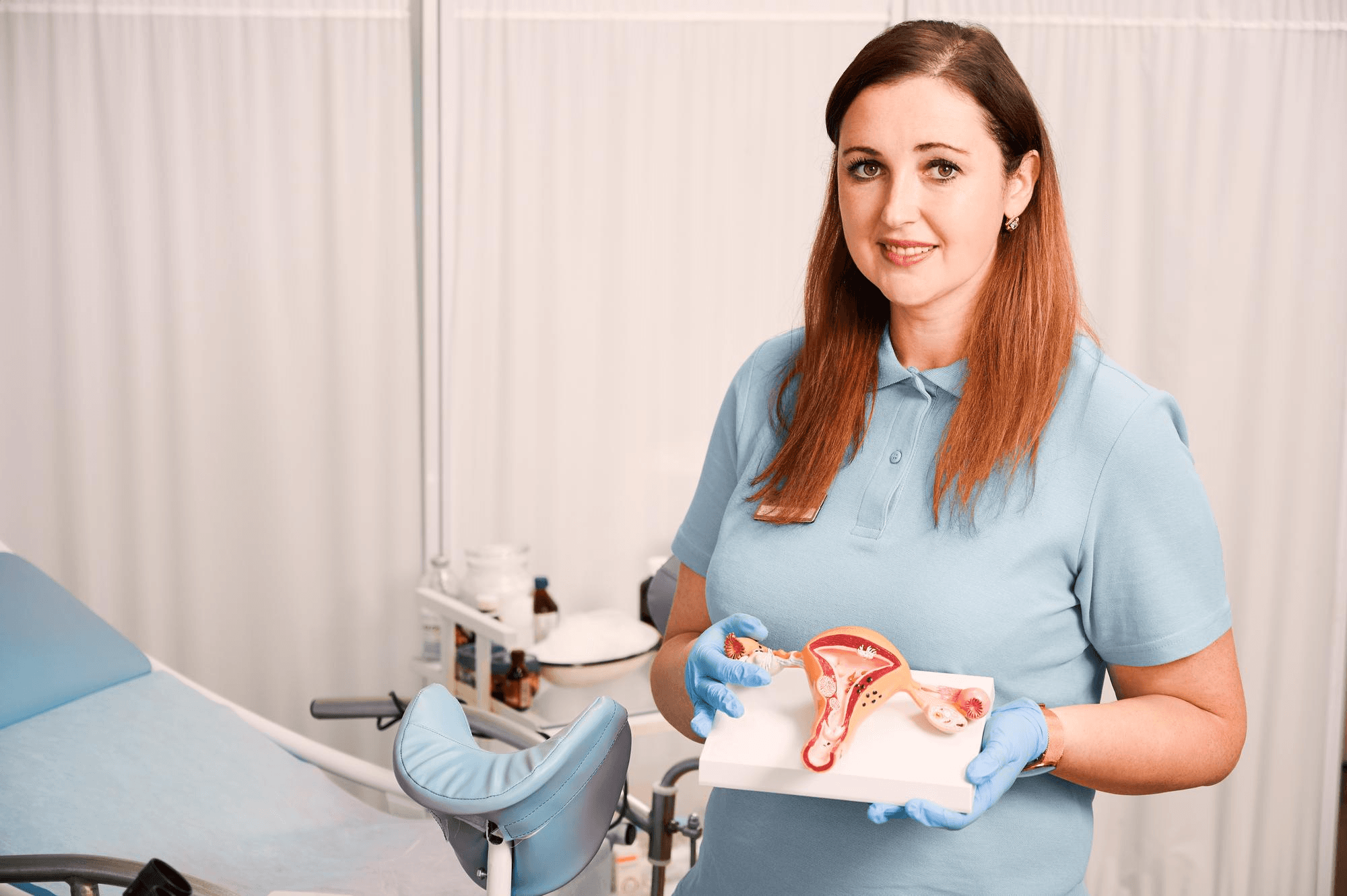
Dr. Shachi Singh at Prakash Hospital, Sector 33, Noida, provides comprehensive assessment and management of vaginal dryness and GSM for women across Noida and Greater Noida — including local oestrogen management, laser therapy for appropriate candidates, and pelvic floor referral. These are consultations you can have directly, without embarrassment, and with clinical guidance that makes a practical difference.
To book a consultation with Dr. Shachi Singh, call: +91 97023 46853
Clinic Hours: Monday to Saturday, 9 AM – 6 PM | Sunday, 10 AM – 2 PM
Clinic Address: D-12A, 12B, Sector-33, G.B. Nagar, Noida, Uttar Pradesh 201301
Frequently Asked Questions
Is vaginal dryness normal after delivery?
Yes — it is physiologically expected, particularly in breastfeeding women. Prolactin (which drives milk production) suppresses ovarian oestrogen production during breastfeeding, causing vaginal dryness that typically resolves once breastfeeding stops. Lubricants during intercourse and, in more significant cases, low-dose local oestrogen are safe management options.
Does vaginal dryness go away after menopause, or does it get worse?
Unlike hot flashes, which often improve over time, vaginal dryness from GSM does not improve without treatment. It worsens progressively as the oestrogen deficiency continues. This is why early treatment — at the first sign of symptoms — produces better outcomes than years of delay.
Is local vaginal oestrogen safe?
Yes — local vaginal oestrogen at standard doses is minimally absorbed systemically and is considered safe for the majority of women, including many with a history of breast cancer (discuss with your oncologist). It is not the same as taking systemic oestrogen in a tablet or patch.
Can I use any lubricant for vaginal dryness?
Lubricants help with intercourse discomfort but do not treat the underlying tissue changes. Water-based lubricants are the safest and most widely recommended. Avoid petroleum-based products (e.g., Vaseline) and oil-based products (can disrupt the vaginal microbiome and degrade latex condoms).
Does laser treatment for vaginal dryness hurt?
The CO2 laser and radiofrequency treatments for vaginal dryness and GSM are generally well-tolerated. A local anaesthetic cream is often applied beforehand. Most women describe a warmth or mild pressure sensation rather than pain during the procedure. There is typically no downtime beyond avoiding intercourse for 3 to 5 days post-session.
This blog is written for educational and informational purposes only. Please consult Dr. Shachi Singh or a qualified gynaecologist for assessment and treatment specific to your situation.