Postpartum Recovery: What Every New Mother Should Know

A loving mother shares a soft kiss on her newborn baby's forehead, exemplifying love, tenderness, emotional connection, and maternal warmth
The postpartum period, or fourth trimester, is a vital period for a woman to heal after giving birth. Many changes occur both physically and emotionally, as well as hormonally, as the woman's body slowly returns to its pre-pregnancy form. Tiredness, discomfort, mood swings, and the need to learn breastfeeding and infant care may all be experienced by the new mother.
Postpartum recovery should be understood properly to aid in a quick recovery and to also recognise if there are any problems occurring. Women who receive the correct advice about health, food, rest, and emotional care will make this period transition smoothly. This article covers some important things all mothers should be aware of when recovering.
What Is Meant By Postpartum Recovery?
The postpartum period, also known as the postnatal period or puerperium, is the time after childbirth during which a woman's body begins to heal and return to pre-pregnancy condition. It generally lasts for about six weeks, but complete recovery may take longer.
During this period, women's bodies experience hormonal and physical changes as the uterus, vagina, and perineum heal, and hormonal levels begin to regulate. Many women find they are exhausted, tired, and experience a range of emotions during this period of adaptation and healing.
Rest, good nutrition, and medical care are very important and are the key to good postpartum recovery. Return to normal day-to-day activities should be gradual, and professional help should be sought if any difficulties arise, physically or mentally.
What Are The Most Important Aspects Of Postpartum Recovery?
1. Physical Recovery
After childbirth, the body needs to recover from the demands placed on it throughout pregnancy and delivery.
- Uterine Involution: During this process, the uterus continues to contract to regain its original size before pregnancy. Mild cramping often occurs during this process, which may last for a few weeks.
- Perineal Healing: For women who have given birth vaginally, the area around the vulva may be swollen or tender. Cleanliness of the area and warm water compresses may assist healing.
- Cesarean Section Care: If the woman has had a Cesarean section, care should be taken when managing the surgical wound to avoid infection. Signs such as swelling or tenderness around the wound, redness, a feeling of heat or any discharge warrant immediate medical attention.
- Lochia(Vaginal Bleeding): This is the term used for postpartum vaginal bleeding, which is normal and usually lasts a few weeks.
2. Mental And Emotional Well-being
As crucial as the physical restoration is, the emotional health and well-being of the woman.
- Postpartum Mood Changes: Hormonal shifts post birth may often result in feelings of anxiety, irritability or emotional lability, particularly during the initial weeks.
- Postpartum Depression: Some women may develop feelings of depression lasting much longer, involving persistent sadness, lack of interest and emotional withdrawal. These require attention from health care professionals.
- Support Systems: Assistance from partners, friends or family can play a critical role in supporting the woman's emotional health during this demanding period.
3. Hormonal Adjustments
Following birth, levels of pregnancy hormones estrogen and progesterone drop rapidly.
- These hormonal fluctuations can affect mood, sleep patterns and energy levels.
- The body will eventually adjust; taking time and managing lifestyle factors can help alleviate discomfort.
4. Gradual Return To Physical Activity
Resumption of physical activities should be a cautious affair.
- Light Movement: Moderate walking will encourage blood flow and promote a sense of energy.
- Pelvic Floor Exercises: Strengthening the pelvic muscles through activities such as pelvic floor exercises will help restore bladder control.
- Medical Consultation: Any strenuous exercises or physical activity should only be undertaken after consulting the doctor and receiving medical clearance.

Postpartum exercise is shown where a mother performs squats with her baby, showcasing strength-building, recovery, and a focus on physical wellbeing.
5. Nutrition And Hydration
A healthy and balanced diet will support the body's repair and healing processes, whilst restoring depleted energy levels.
- Protein Intake: The importance of protein can not be overemphasised, as it supports tissue repair and healing.
- Iron and Fibre: Adequate amounts of iron are required to combat blood loss during birth and restore haemoglobin levels, while dietary fibre will aid bowel movements and help prevent postnatal constipation.
- Hydration: The adequate consumption of fluids is particularly crucial, especially for mothers breastfeeding.
6. Breast Care And Lactation
Mothers who choose to breastfeed may experience a variety of issues, including engorgement and nipple soreness.
- The use of appropriate breast care techniques, such as a correct latch, will minimise nipple discomfort and damage.
- The guidance of a lactation consultant can often help with breastfeeding challenges.
7. Sleep And Rest Management
Sleep deprivation is inevitable for most new mothers.
- Rest when possible: Sleeping while the baby is asleep will be beneficial in recovering the loss of sleep, especially from night feeds.
- Shared Responsibilities: Enlist the help of a partner, friends or family to assist with caring for the baby, to allow the mother to take advantage of rest when the opportunity arises.
- Sleep Environment: Creating a calming and comfortable atmosphere will promote better rest.
8. Follow-up Medical Care
Routine postpartum checkups are important in monitoring the woman's physical recovery and mental well-being.
- These follow-up appointments provide an opportunity to assess healing and identify any postpartum complications or concerns as early as possible.
- Doctors may offer advice concerning contraception and well-being during this phase of transition.

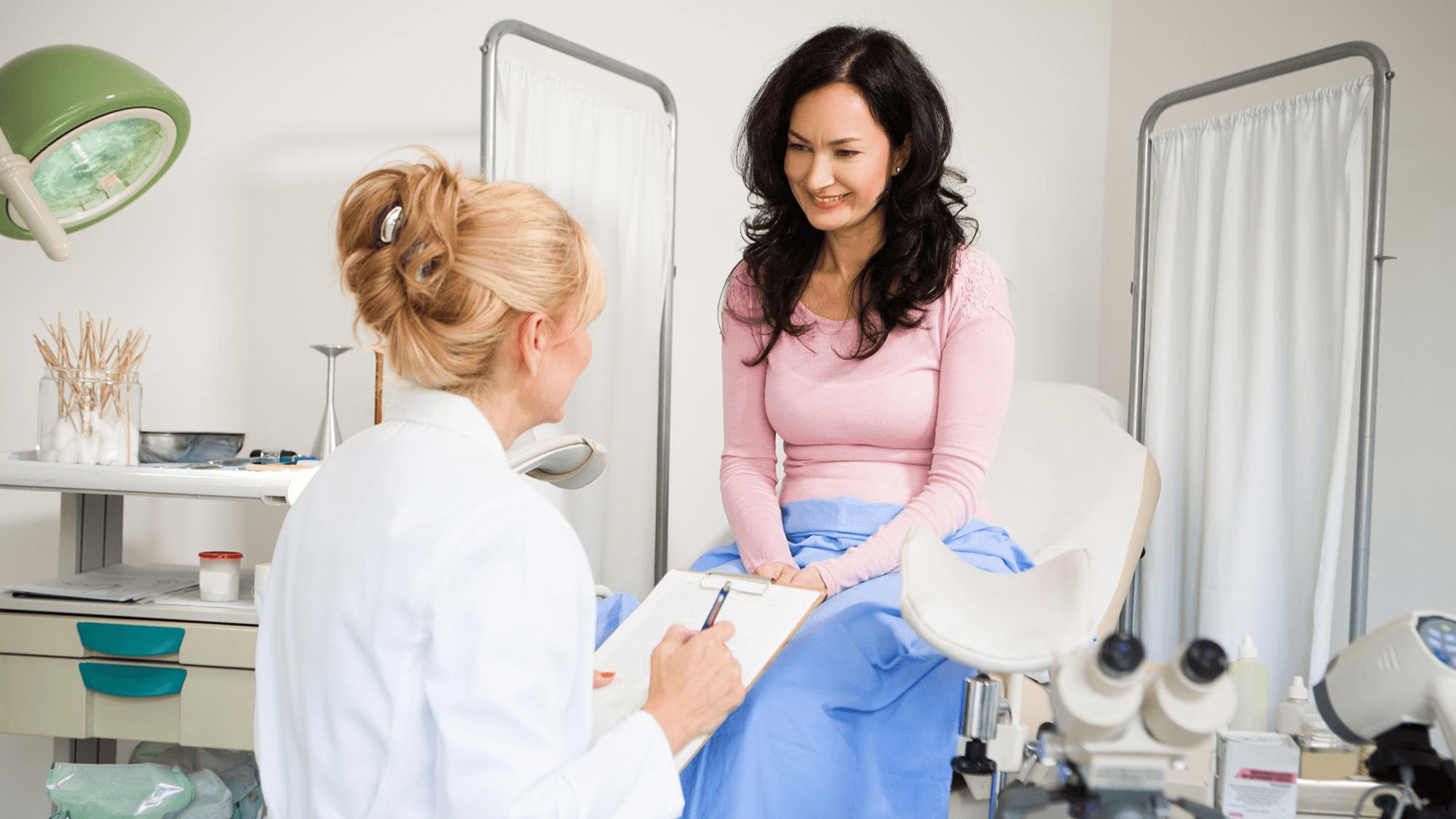
A mother sees a gynaecologist for postpartum care, covering healing, recovery, health advice, and emotional well-being.
Final Thoughts
The postpartum recovery period is a sensitive yet very important phase that needs to be handled with due care, both physically and emotionally. Proper rest, a balanced diet, enough care and professional attention are very crucial for women in this phase of childbirth. Keeping in mind the changing circumstances and body, early detection of signs or signals that may harm the mother can really help in getting back to health easily. Remember, recovery is different for each woman, and so is the time duration.
Have patience during this phase and get help when you need it. Taking proper care will not only help new mothers bounce back fast and healthy but also help them adapt to motherhood in a better and more organised manner.
Expert Care With Dr Shachi Singh
If you wish to receive expert care during your postpartum recovery, consult the highly specialised gynaecologist, obstetrician, and laparoscopic surgeon Dr Shachi Singh. Having been present through numerous kinds of births and postpartum recoveries, including a well-planned and efficient C-section and surgical repair, Dr Singh uses a patient-friendly approach to ensure that women recuperate safely and comfortably with adequate pain management and absolutely no complications involved.
If you require personalised postpartum treatment or have any specific concerns regarding your postpartum recovery, book your appointment with Dr Shachi Singh for specialist medical care tailored to suit you.
Frequently Asked Questions(FAQs)
1. What is meant by postpartum?
Postpartum is the six-week period immediately following birth which a woman’s body takes to recover and go back to the pre-pregnancy state. Postpartum includes changes like uterine involution, hormonal changes, recovery from delivery and adaptation for breastfeeding and motherhood.
2. What does a woman undergo during postpartum?
During the postpartum phase, a woman is undergoing uterine contractions, lochia (vaginal discharge), hormonal changes, breast engorgement, physical recovery and mental adjustments, possibly mood swings or even postpartum depression. The woman will be tired due to attending to her baby, and physical recovery can take a variable period of time depending on her mode of delivery, her mental health, her physical health and any complications involved.
3. Which month of postpartum is the hardest?
Generally, the first month after giving birth is seen to be the most demanding one of the 4 months; women will experience fatigue, sore breasts, and extreme discomfort, alongside significant mental issues linked to changing hormonal status and possibly baby blues.
4. Is 3 months postpartum considered postpartum?
Yes, three months postpartum is indeed included in postpartum treatment or a 4th trimester of recovery and while a period of 6 weeks seems enough to allow your body to completely heal itself after pregnancy and birth, adjustments in hormones, mental and physical adjustments could take more time. Many women continue to have some difficulties with breastfeeding, feel extremely tired or experience fluctuations in hormones for longer than the period mentioned above.