What Is Cosmetic Gynaecology? Procedures, Who It's For, and What to Expect
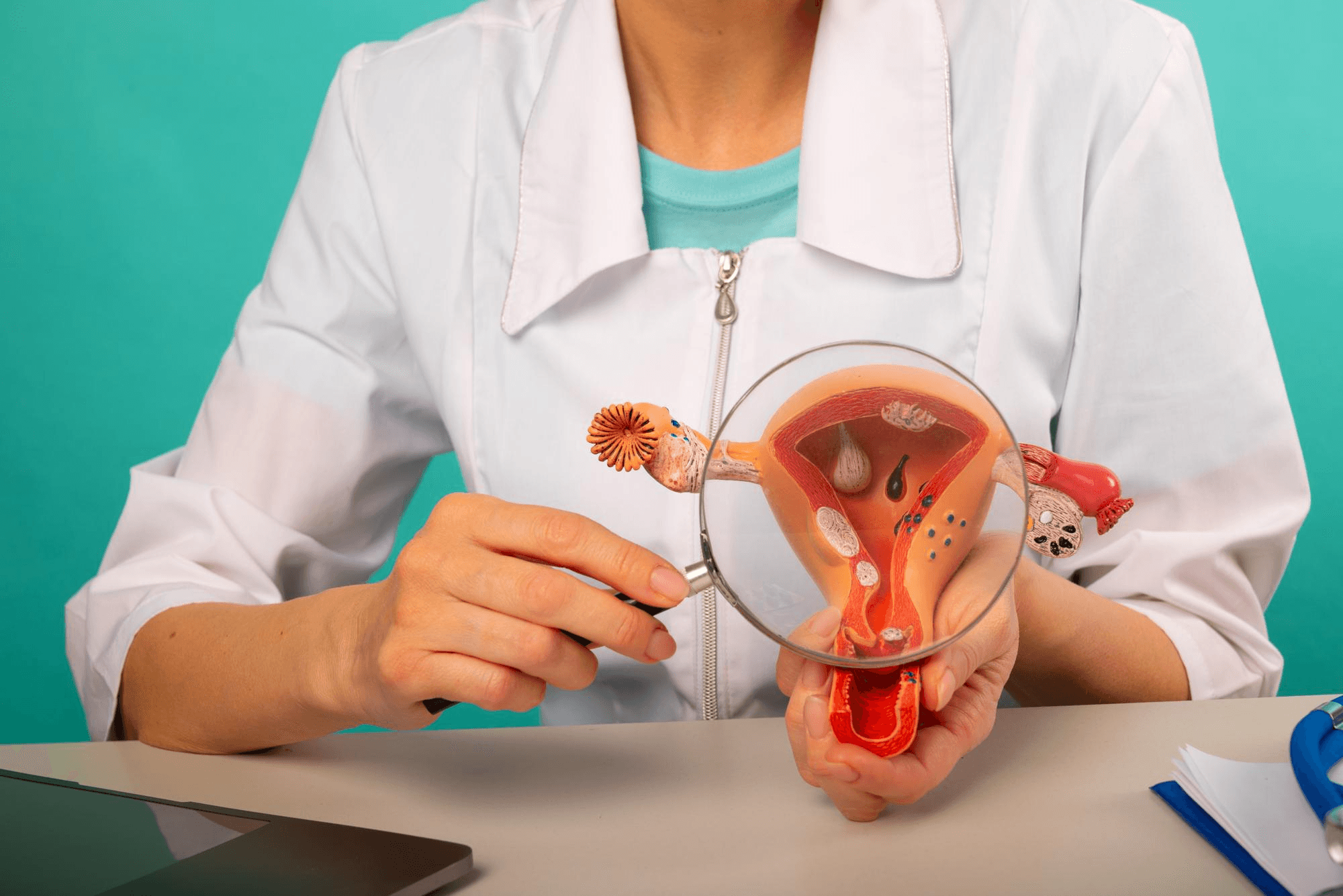
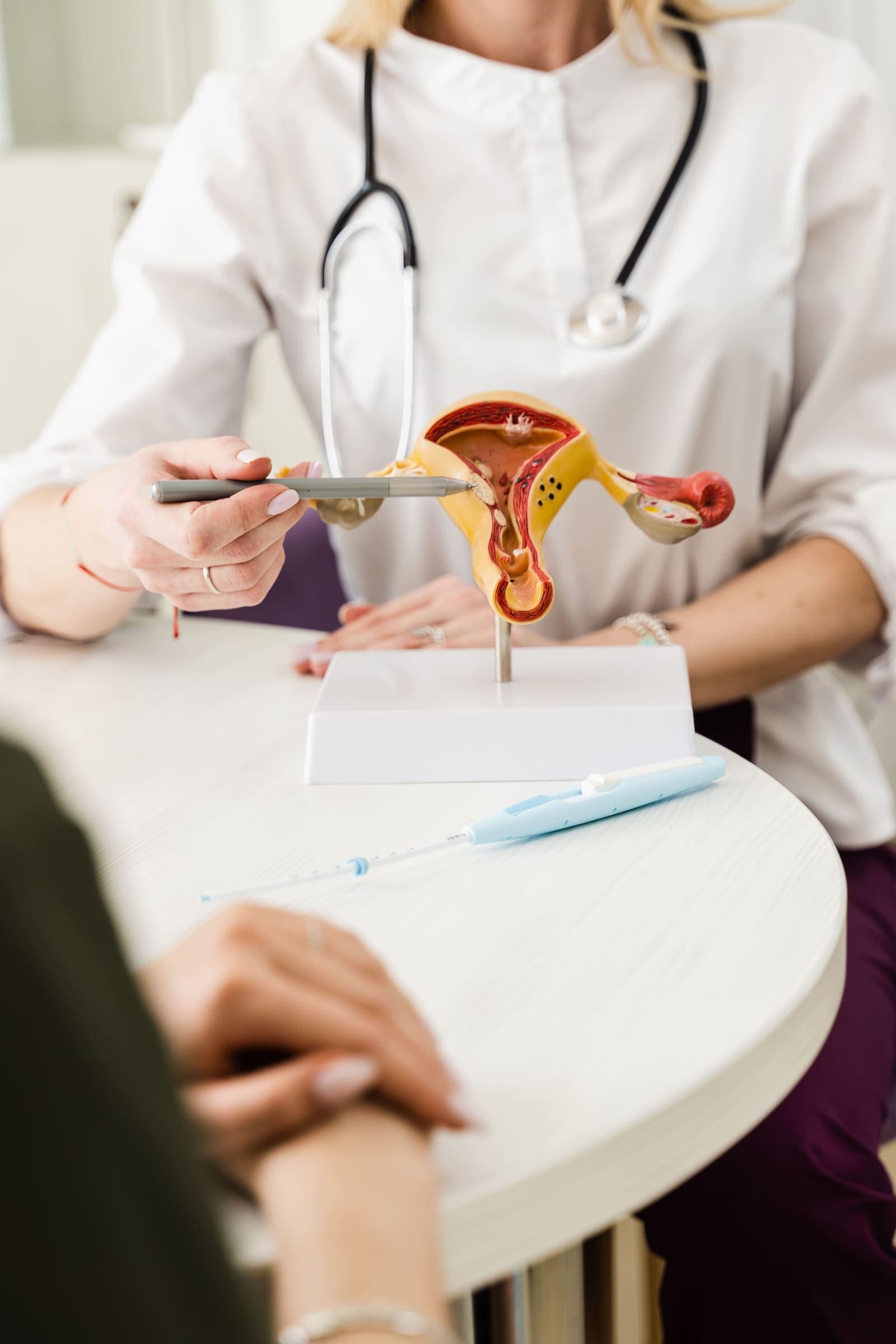
Shows a gynaecologist explaining with a replica of female reproductive anatomy about the tissues becoming thin from a lack of estrogen.
This is a topic a lot of women search for in private, usually late at night, usually after months of quietly wondering whether what they are experiencing is normal or whether anything can actually be done about it.
Vaginal dryness that makes sex uncomfortable. A feeling of looseness after childbirth that has not resolved. Labia that irritate or cause exercise or discomfort in certain clothing. Urinary leakage that happens with a sneeze or a laugh and has been silently affecting confidence for years.
These are not small things. They affect quality of life, intimate relationships, physical comfort, and how women feel about their bodies. And yet, because they sit in the intersection between medical and personal, they often go unaddressed — either because women do not know treatment options exist, or because they feel the problem is too embarrassing to raise with a doctor.
Cosmetic gynaecology is the branch of women's health that specifically addresses these concerns. Not all of it is "cosmetic" in the decorative sense. Much of it is functional — procedures designed to restore comfort, address physical symptoms, and improve quality of life after the significant changes that childbirth, ageing, and menopause bring to the female body.
Dr. Shachi Singh, consultant gynaecologist at Prakash Hospital, Sector 33, Noida, offers cosmetic gynaecological services as part of comprehensive women's care. This guide explains what the field involves, what the procedures are, who they are appropriate for, and what honest expectations look like.
What Cosmetic Gynaecology Actually Covers
The term "cosmetic gynaecology" or "aesthetic gynaecology" refers to medical procedures that address both the appearance and function of the female genital and pelvic region. Some procedures are primarily functional — treating physical symptoms like urinary leakage, vaginal dryness, or pelvic floor weakness. Others address the appearance of the external genitalia. Many address both simultaneously.
The field divides broadly into two categories
Surgical procedures: Done under local or general anaesthesia, involve tissue repair, reshaping, or removal. Results are generally permanent or long-lasting. Examples include vaginoplasty, labiaplasty, and perineoplasty.
Non-surgical procedures: Laser or radiofrequency treatments, platelet-rich plasma (PRP) therapy. Minimal or no downtime. Usually require repeat sessions. Examples include laser vaginal rejuvenation, CO2 laser treatment for vaginal atrophy, and radiofrequency tightening.
The Procedures — What Each One Is and Who It Is For
Vaginal Tightening (Vaginoplasty / Colporrhaphy)
After one or more vaginal deliveries, the vaginal muscles and supportive tissues can stretch in ways that do not fully recover. Some women notice reduced friction or sensation during intercourse. Others experience a feeling of vaginal laxity that bothers them physically or affects their confidence.
Vaginoplasty or posterior colporrhaphy is a surgical procedure that repairs and tightens the vaginal muscles and the perineal tissue at the entrance to the vagina. It tightens structures that have been stretched or torn during delivery.
Who it is for: Women who have had vaginal deliveries and experience significant vaginal laxity with symptoms affecting comfort or sexual satisfaction. Ideally performed after completing childbearing, since a subsequent vaginal delivery can reverse surgical tightening.
What to expect: Done under local or general anaesthesia. Some swelling and discomfort for 2 to 3 weeks. Full recovery in 6 to 8 weeks. Sexual activity typically resumed after 6 to 8 weeks.
Laser Vaginal Rejuvenation (Non-Surgical)
CO2 fractional laser treatment is the most widely used non-surgical cosmetic gynaecology procedure. A specialised probe delivers controlled laser energy to the vaginal wall, stimulating collagen production and causing the vaginal mucosa to thicken, regain elasticity, and improve hydration.
It is used for:
- Vaginal dryness — particularly after childbirth or in perimenopausal and menopausal women
- Mild vaginal laxity
- Stress urinary incontinence (leaking with coughing, sneezing, jumping)
- Vaginal atrophy secondary to reduced oestrogen
Laser rejuvenation is not permanent — most women need 3 sessions initially and a maintenance session annually. But for many women, particularly those who want to avoid surgery, it offers meaningful and measurable improvement.
Who it is for: Postpartum women with vaginal dryness or mild laxity, perimenopausal and menopausal women with vaginal atrophy, women with mild stress urinary incontinence.
What to expect: Each session takes 15 to 20 minutes. No anaesthesia required. No downtime — most women return to daily activity immediately. Avoid sexual activity for 3 to 5 days after each session. Results improve progressively after each treatment.
Labiaplasty
The labia minora (inner lips of the vulva) vary enormously in size and shape between women. In some women, enlarged or asymmetrical labia minora cause:
- Physical discomfort during exercise (cycling, running, yoga)
- Irritation from clothing
- Difficulty with hygiene
- Discomfort during intercourse
- Self-consciousness
Labiaplasty is a surgical procedure that reduces or reshapes the labia minora. Two techniques are used: trim labiaplasty (trimming excess tissue along the edge) and wedge labiaplasty (removing a V-shaped section to preserve the natural edge appearance). The choice depends on anatomy and what the patient wants.
This procedure addresses a genuine physical problem for many women — it is not purely aesthetic. Women who cycle regularly, do yoga, swim, or simply find themselves physically uncomfortable in normal clothing may find this genuinely life-improving.
Who it is for: Women experiencing physical discomfort, irritation, or hygiene difficulties related to enlarged labia minora or significant self-consciousness affecting daily quality of life. A full assessment and honest consultation are important before proceeding.
What to expect: Done under local anaesthesia as a day procedure. Swelling and tenderness for 2 to 4 weeks. Return to exercise in 4 to 6 weeks. Full healing in 6 to 8 weeks.
Perineoplasty
The perineum is the tissue between the vaginal opening and the anus. It stretches significantly during vaginal delivery and can tear, requiring stitches. In some women, episiotomy scars or perineal tears heal with excessive tightness, causing pain during intercourse. In others, the perineum has become lax, affecting sensation.
Perineoplasty addresses both problems — it can loosen scar-related tightness or restore perineal muscle tone, depending on what is needed. It is often combined with vaginoplasty.
Post-Childbirth Intimate Restoration (Combined Procedures)
Some women choose a combination of procedures after completing their family — typically addressing vaginal laxity, perineal changes, and external appearance in a single planned intervention. In Western countries, this is sometimes called a "mummy makeover" for the pelvic floor. The terminology is less important than the substance: a planned, individualised approach to restoring pelvic anatomy and function after multiple deliveries.
This is not trivial or purely cosmetic. Pelvic floor restoration has real implications for continence, comfort, and sexual health.
Who Is Cosmetic Gynaecology For?
The most common presentations in a cosmetic gynaecology clinic in India are
Women after vaginal delivery — particularly multiple deliveries — who have not recovered their previous level of vaginal tone, who experience leakage with physical activity, or who have perineal changes from tears or episiotomy that continue to cause discomfort.
Perimenopausal and menopausal women who experience vaginal dryness, discomfort during intercourse, or urinary symptoms related to declining oestrogen and vaginal tissue thinning.
Women with symptomatic labia — physical irritation, discomfort, hygiene difficulties, or self-consciousness affecting daily activity and exercise.
Women with longstanding stress urinary incontinence — leaking with coughing, sneezing, exercise, or laughing — who want a non-surgical option before considering formal continence surgery.
There is no single "type" of woman who pursues cosmetic gynaecology. The range includes women in their twenties dealing with post-delivery changes, women in their fifties navigating menopause, and women of any age dealing with labial discomfort that has been quietly affecting their lives for years.
What Cosmetic Gynaecology Is Not
It is worth being direct about the limits of this field.
Cosmetic gynaecology does not change the fundamental anatomy of the vagina or external genitalia in ways that go beyond restoring what was present before or correcting functional problems. It is not designed around an "ideal" standard of appearance — any ethical practitioner will tell you that the range of normal in female genital anatomy is enormous.
It does not substitute for pelvic floor physiotherapy, which should generally be the first-line treatment for mild pelvic floor weakness and mild stress urinary incontinence. Many women who come for cosmetic gynaecology consultations benefit significantly from physiotherapy alone. A trustworthy practitioner will say so.
It does not work for severe pelvic organ prolapse, significant urinary incontinence requiring formal continence surgery, or conditions that require conventional urogynaecological treatment. These need appropriate medical referral.
And it should never be driven by pressure from a partner, cultural expectation about what a woman's body should look like, or a sense that any version of normal female anatomy is a problem that needs fixing. The consultation process exists precisely to distinguish genuine functional problems from social pressure.
The Consultation — What to Expect
A good cosmetic gynaecology consultation is a proper medical consultation. It involves
- A full medical and obstetric history
- Understanding your specific concerns — what you experience, how long it has been present, how it affects your daily life
- Physical examination
- An honest discussion of what is likely to help, what is unlikely to help, and what the realistic expectations are for each option
- Information about alternatives — including physiotherapy, hormonal options, and non-intervention
You should leave a consultation understanding your options clearly, with no sense of pressure to proceed with anything. If a consultation feels like a sales pitch rather than a medical assessment, that is worth paying attention to.
Is Cosmetic Gynaecology Widely Available in Noida?
Compared to larger metros like Mumbai, Delhi, and Bangalore, cosmetic gynaecology services in Noida remain limited. Most general gynaecology clinics do not offer the full range of procedures. Finding a gynaecologist with specific training and experience in this area, who takes a medically rigorous rather than commercially aggressive approach, requires some care.
Dr. Shachi Singh at Prakash Hospital, Sector 33, Noida, offers cosmetic gynaecological consultations and procedures as part of her comprehensive women's health services. The approach is grounded in clinical assessment rather than procedure-first thinking — the goal is to understand what is actually happening and what will genuinely help.
To book a consultation with Dr. Shachi Singh, call: +91 97023 46853
Clinic Hours: Monday to Saturday, 9 AM – 6 PM | Sunday, 10 AM – 2 PM
Clinic Address: D-12A, 12B, Sector-33, G.B. Nagar, Noida, Uttar Pradesh 201301
Frequently Asked Questions
Is cosmetic gynaecology safe?
The surgical and non-surgical procedures within cosmetic gynaecology have established safety profiles when performed by trained practitioners. As with any procedure, risks depend on the specific treatment, the patient's health, and the practitioner's experience. Your consultation should include a thorough discussion of risks before any decision.
Does insurance cover cosmetic gynaecology in India?
Generally, procedures that are purely aesthetic are not covered. However, procedures addressing genuine functional problems — stress urinary incontinence, symptomatic labia causing physical difficulty, treatment of vaginal atrophy affecting health and function — may be covered under certain policies. Check your specific policy terms.
Will cosmetic gynaecology procedures affect my ability to have children?
Surgical procedures like vaginoplasty and labiaplasty are generally not contraindicated for future pregnancy, but a subsequent vaginal delivery can reverse some surgical tightening. Most gynaecologists recommend completing your family before pursuing surgical vaginal restoration. Laser treatments are non-permanent and carry no known fertility implications.
How do I know if I need physiotherapy or a cosmetic procedure?
This is exactly what a consultation is for. Many women who present with symptoms addressable by cosmetic gynaecology are first referred for pelvic floor physiotherapy. If physiotherapy provides sufficient improvement, no procedure may be needed. A responsible practitioner will assess both options and recommend whichever genuinely serves your situation.
Is there any age limit for cosmetic gynaecology?
No fixed age limit. Younger women may present post-delivery; older women post-menopause. What matters is the specific concern, overall health, and whether the procedure is clinically appropriate for the individual. Minors are a separate category requiring specific consent processes and different considerations.
This blog is written for educational and informational purposes only. It is not a substitute for professional medical advice. Please consult Dr. Shachi Singh or a qualified gynaecologist for an assessment specific to your situation.