Miscarriage: Causes, Symptoms, and Prevention Awareness
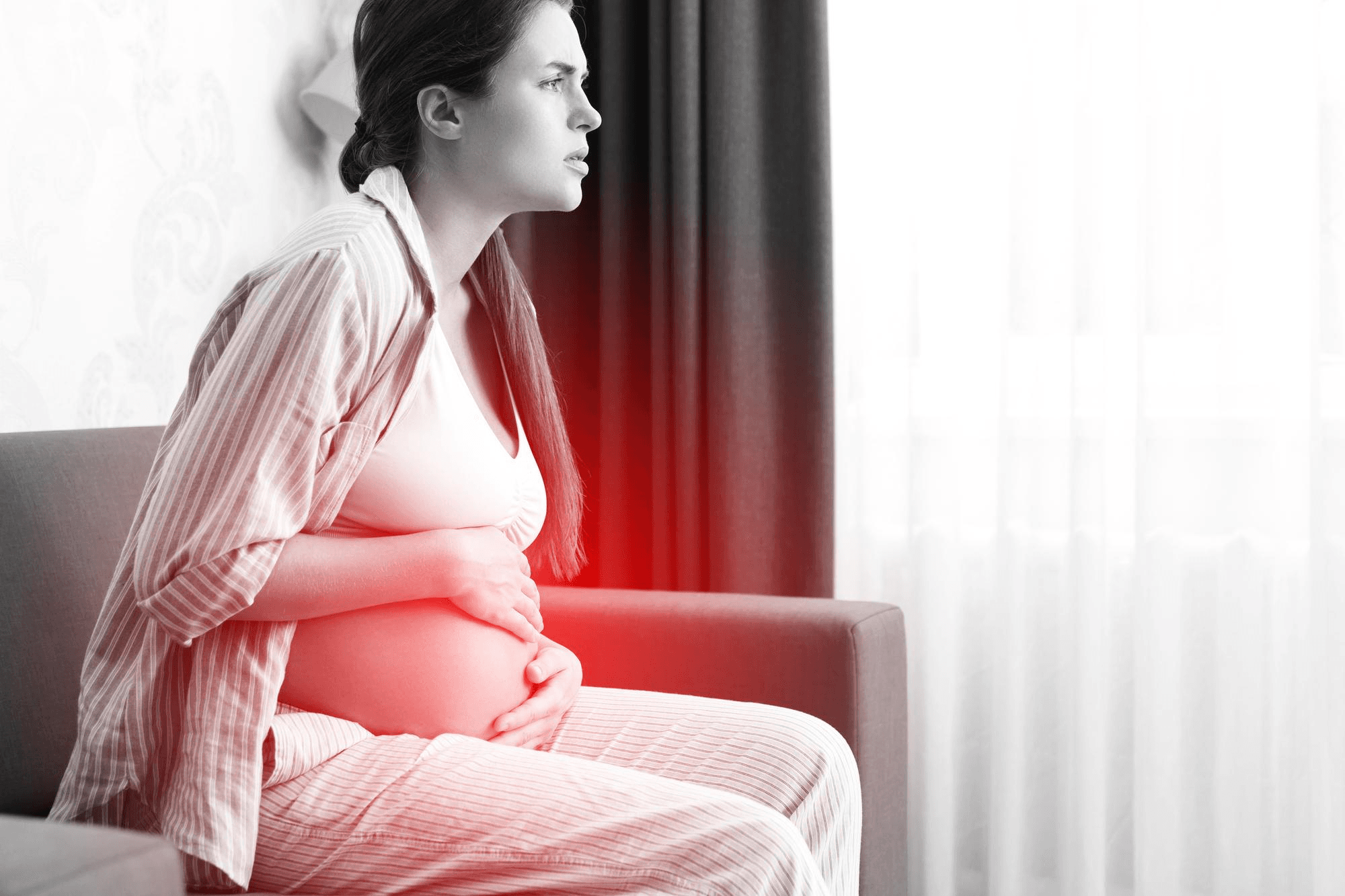
Expectant mother endures significant discomfort, depicting concerning miscarriage indicators at this early stage.
Miscarriage is the loss of a pregnancy before 20 weeks. It occurs much more frequently than people may think, and it is often caused by factors outside a person's control, such as genetic factors, hormones, or medical conditions. Causes of miscarriage can include all of the following: seeing and learning about them, signs that are key to watch for, such as bleeding or cramping, and when to get medical attention are vital.
Miscarriage is not always preventable, but awareness of good health practices, regular appointments, and care will always assist in a safe pregnancy. Speaking out and seeking support are as vital for recovery.
What Is Meant By A Miscarriage?
Miscarriage is the term used for an accidental abortion and is the loss of a pregnancy that has gone on for less than 20 weeks. It generally takes place in the first few weeks of pregnancy, even before the expectant mother is aware that she is carrying.
They often come about as a result of things that can not be controlled by anyone, such as the abnormality of chromosomes that does not allow the fetus to grow, infections, hormone imbalance, or diseases in the mother.
Please be aware that a miscarriage is not something that you have done. The physical signs of a miscarriage include bleeding and cramping, nausea, and sometimes a backache. The effects on the emotional well-being of the mother are also very pronounced, and care should be taken.
Different Types Of Miscarriage
1. Missed Miscarriage
A pregnancy ends without symptoms such as bleeding or pain, but an ultrasound shows the absence of a fetal heartbeat.
2. Complete Miscarriage
All products of conception are passed out of the uterus. There is bleeding and cramping, and the ultrasound shows the uterus is empty.
3. Recurrent Miscarriage
A recurrent miscarriage is considered to have occurred after three or more spontaneous pregnancy losses, and investigation may be required to determine the underlying cause.
4. Threatened Miscarriage
There may be vaginal bleeding and mild cramping, but the cervix is closed. There may be an ongoing successful pregnancy, but it requires careful monitoring.
5. Inevitable Miscarriage
Vaginal bleeding, cramping, and a dilated cervix will occur. Loss of the pregnancy is inevitable and will often proceed to completion.
Causes Of Miscarriage
Most miscarriages occur as a result of chromosomal abnormalities during the first trimester, when there is an abnormal number of chromosomes that cannot lead to the normal development of the fetus. There are usually mistakes during conception or cell division. Other causes are: hormonal problems, such as having low progesterone, and incorrect implantation of the fertilized egg in the uterine wall.
Infections such as TORCH infection could also contribute. A condition that a mother suffers from, such as uncontrolled diabetes, a thyroid disease, autoimmune conditions such as lupus, or congenital cardiac disease, or a congenital kidney defect, can lead to miscarriages as well.
Problems such as malformations in the uterus and an incompetent cervix could affect maintaining pregnancy. Other contributing factors could be:
- Smoking
- Consumption of alcohol
- Intake of drugs
- Radiation and the side effects of some medications
- Malnutrition (severe), and so on.
However, in many cases of miscarriages, no cause is found, and one should bear in mind that most of the cases are not the patient's fault.
Symptoms Of Miscarriage
1. Vaginal Bleeding
Light spotting or heavy bleeding can occur, and you might see clots or tissue pass from the vagina.
2. Abdominal Cramping
Pain in the lower abdomen can feel similar to menstrual cramps. The pain might ebb and flow, or become severe.
3. Lower Back Pain
A sharp, persistent pain can be felt in the lower back, often accompanied by abdominal cramping.
4. Loss of Pregnancy Symptoms
A sudden reduction in pregnancy symptoms,s such as breast tenderness, fatigue, or nausea, can be the first sign that hormones are changing.
5. Fluid or Tissue Discharge
Passing tissue or fluid from the vagina is another indicator that pregnancy may have been lost and requires immediate medical attention.
6. Pelvic Pressure
You might also feel a sensation of heaviness or pressure in your pelvis.
Any of these symptoms should be discussed with your medical professional promptly.
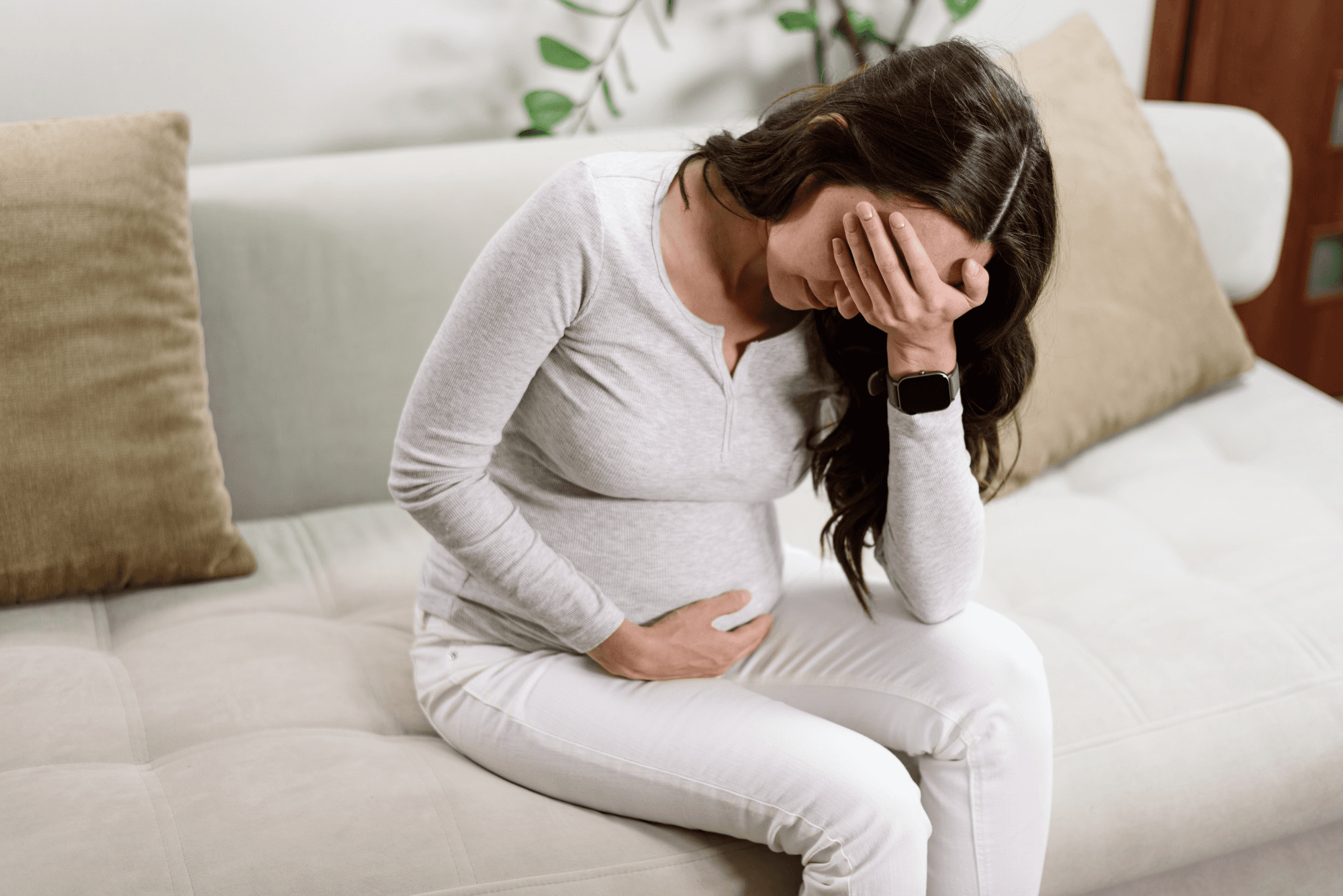
A stressed pregnant woman supports her head and belly due to dizziness
Can Miscarriage Be Prevented?
Not all cases of miscarriage can be prevented, but adopting a focus on overall health during the early stages of pregnancy can contribute to a more successful pregnancy and help you decrease some of the potential risks. It is important to recognize that many cases of miscarriage occur as a result of things you have no control over, and you should therefore be careful not to blame yourself.
The ways you can increase your chances of having a healthy pregnancy are:
- Going to regular prenatal check-ups.
- Maintaining a healthy weight relative to your size.
- Avoiding tobacco, alcohol, and street drugs.
- Taking prenatal vitamins, especially folic acid.
- Having a nutrient-rich diet.
- Engaging in safe, moderate exercise approved by your doctor.
- Controlling any underlying medical conditions, such as diabetes or hypothyroidism.
- Avoiding exposure to radiation or other harmful chemicals.
The act of maintaining your physical and emotional health throughout your pregnancy is crucial. Regular checkups with your physician will help address and address any potential concerns early.
Even the simplest lifestyle choices that we implement throughout our day will contribute positively to our physical well-being during our pregnancy. Being aware, remaining connected with your health care team and yourself will contribute to a more confident, prepared, and hopefully, successful pregnancy.
When to Get Medical Help?
It's crucial to get medical help if you notice any unusual symptoms throughout your pregnancy. If you're bleeding from the vagina, particularly if it's a lot or includes clots, get in touch with your doctor straight away. Constant pain in your abdomen or pelvis, strong cramping, or lower back pain also requires immediate medical attention.
If you have any discharge of fluids or tissue from your vagina, seek immediate help. A sudden drop in pregnancy symptoms, such as morning sickness and breast sensitivity, may require a medical check-up.
Dizziness, fever, and weakness also warrant attention from a health professional. The faster you are medically evaluated, the better chance of complications being handled and of the right support, both physically and emotionally, being given.
Final Thoughts
Miscarriage is a very real and personal experience that impacts the physical and emotional health of anyone who endures it. Miscarriage is common, yet it often carries with it much unnecessary guilt and confusion because it is still often misunderstood. Learning the cause of miscarriage and symptoms is something very important to learn, as knowing them can prompt one to seek care sooner.
Remember that miscarriage is generally not avoidable, and usually is not because of something you did. Healing both physically and emotionally is a necessary step to regaining oneself. Most importantly, with medical support, emotional encouragement, and time given to recover, it is possible to heal and have a successful subsequent pregnancy and regain oneself.
Expert Care With Dr. Shachi Singh
Are you or someone close to you experiencing a challenging pregnancy or worried about miscarriage? Knowing the right sources of help and guidance can make all the difference. Dr. Shachi Singh, senior consultant gynecologist, Noida & laparoscopic surgeon in Noida, provides sensitive and individualized care for women through every stage. Her over 15 years of experience enable her to offer the most advanced care in gynecology, obstetrics & minimally invasive procedures. Many women from across Noida and Delhi NCR feel supported by her precise care, allowing them to feel heard, understood & empowered at every step.

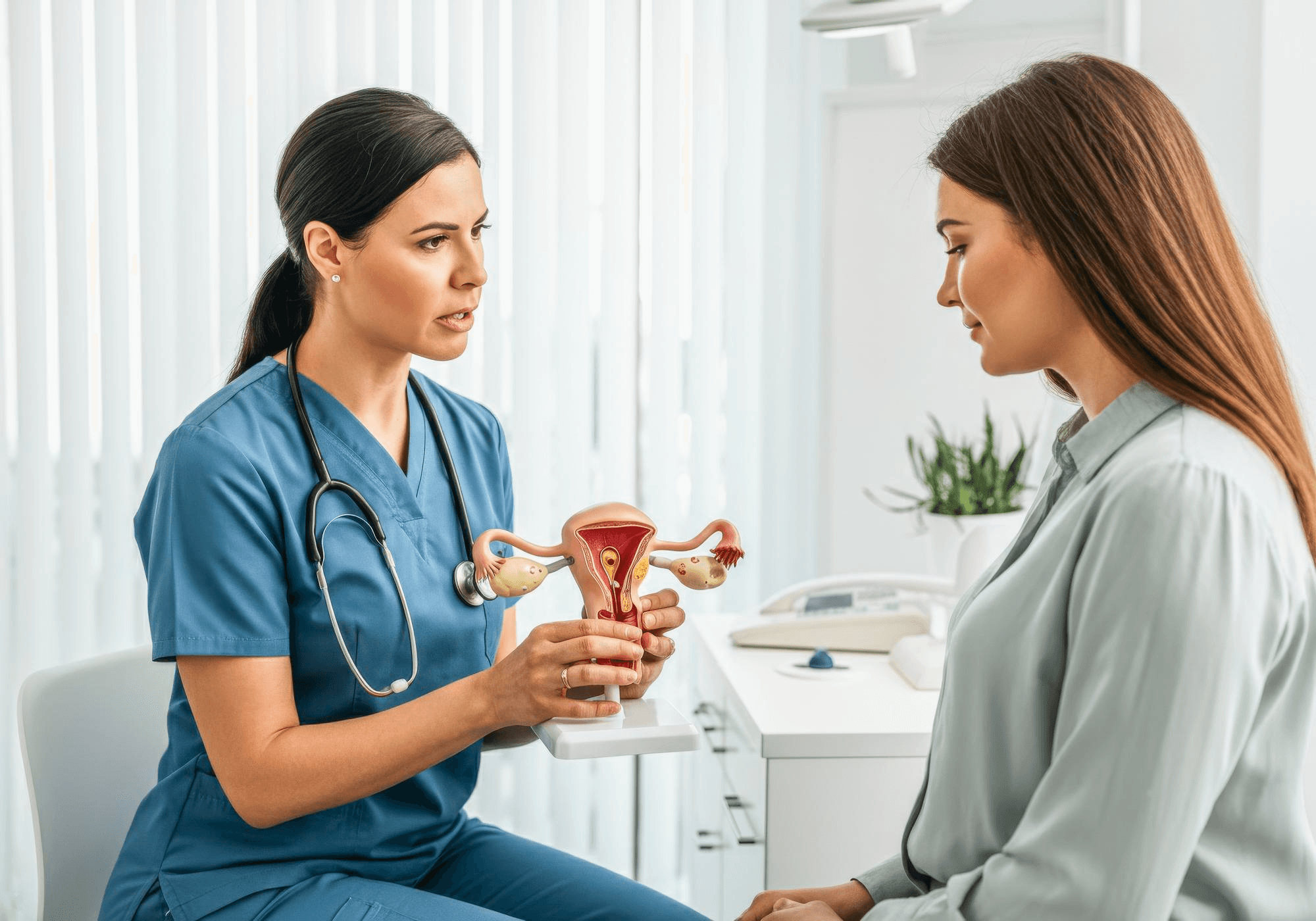
Patient shares her sadness, worries, and emotional trauma related to the suspected miscarriage with her doctor.
Frequently Asked Questions (FAQs)
1. I experienced a miscarriage in October last year; how long after that can I try conceiving again?
It is advisable to try conceiving again after one normal menstrual period or when both you and your partner have recovered emotionally and physically, usually within 1-3 months.
2. Is there still hope to have a healthy pregnancy after two or more miscarriages?
Yes, plenty of women can have a successful pregnancy after recurrent miscarriages, after investigating any hormonal, genetic, or uterine causes with necessary treatments.
3. Is every case of vaginal bleeding in the first trimester of pregnancy a miscarriage?
Light bleeding or spotting can be normal in early pregnancy due to implantation of a fertilized egg or normal hormonal fluctuations. But severe bleeding with pain should warrant a visit to your doctor or to the emergency room.
4. Is it possible to miscarry without being aware?
This is possible. Very early miscarriages, known as chemical pregnancies, are commonly missed, as they may be detected as a delayed or heavier than usual period before pregnancy has been confirmed.