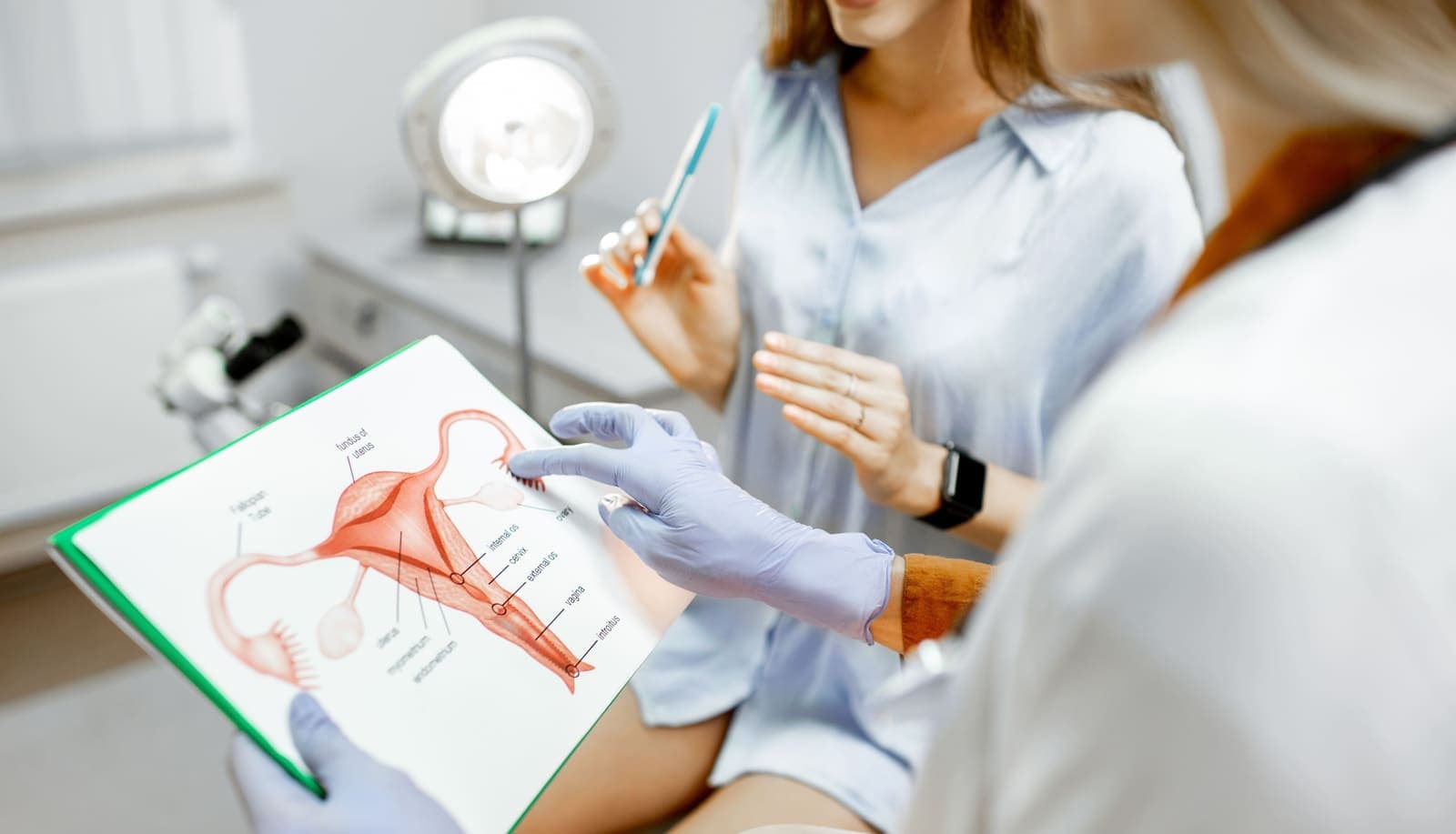
How Hormones Affect a Woman’s Body at Different Ages
By Dr. Shachi SinghUpdated
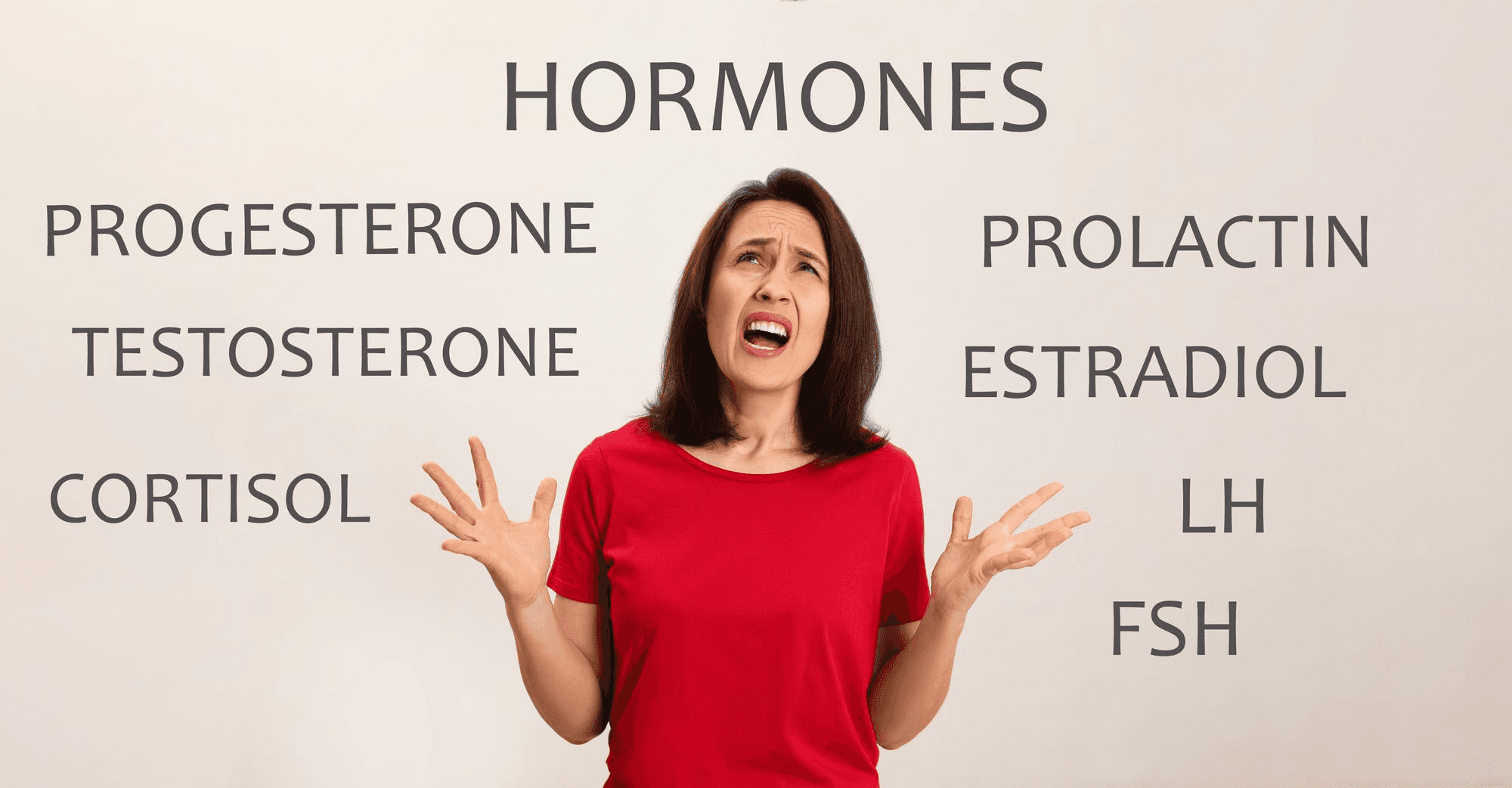
Drawing of a woman going through hormonal ups and downs from puberty to menopause, with changes in her body and mood.
Hormones shape a woman’s body and health in all kinds of ways, starting with the first period in adolescence, through pregnancy, and right into menopause. These hormonal ups and downs affect everything: mood, fertility, metabolism, skin, and even energy. It’s all a normal part of life, but the changes can feel pretty dramatic sometimes. When women understand how their hormones work at different ages, they know what to expect. They can spot what’s normal, deal with symptoms more easily, and make smarter choices about their health and lifestyle as things change.
Pubertal Hormonal Maturation in Female
1. HPG (Hypothalamic-Pituitary-Ovarian) Axis
The start of puberty happens when the hypothalamus kicks the HPG axis into gear, releasing GnRH and getting the whole hormone system moving.
2. LH and FSH
That GnRH tells the pituitary gland to send out LH and FSH. Those hormones head straight for the ovaries.
3. Production of Estrogen
Once they get there, LH and FSH jumpstart the ovaries, which start maturing and pumping out more estrogen. This boost in estrogen fuels the changes that come with reproductive development.
4. Puberty Changes
You can actually see the effects: breasts begin to develop, the first period shows up, and bones start growing faster.
5. Hormonal Changes
At first, the hormones are all over the place, so things like irregular periods, acne, and mood swings pop up a lot in early puberty.
Hormones in the Reproductive Years (20s–30s)
1. HPO Axis Function
When you’re in your 20s and 30s, your hypothalamic-pituitary-ovarian (HPO) axis usually runs like clockwork. Most people have regular periods during these years.
2. Ovulation and Hormonal Changes
Every month, FSH and LH give your ovaries a nudge, triggering ovulation and keeping your reproductive system healthy.
3. Function of Estrogen
Estrogen does a lot of heavy lifting; it helps you stay fertile, keeps your bones strong, and looks out for your heart.
4. Progesterone
Once you ovulate, progesterone gets to work, getting the uterine lining ready in case you get pregnant.
5. AMH (Anti-Mullerian Hormone) and Ovarian
AMH levels drop bit by bit as you get older, which just shows your ovarian reserve is slowly shrinking.
6. Factors Which Disrupt Equilibrium
Things like stress, thyroid issues, insulin resistance, or PCOS can throw your hormones off, messing with your cycle and making it harder to get pregnant.
Hormonal Changes During Pregnancy and the Postpartum Period
1. Hormonal Surge
During pregnancy, your hormones go into overdrive. They ramp up fast to help the baby grow and get your body ready for all the changes ahead.
2. HCG or Human Chorionic Gonadotropin
Right at the start, HCG (that’s human chorionic gonadotropin) shoots up. This hormone keeps the uterine lining in place, making sure the pregnancy sticks.
3. Estrogen and Progesterone Boost up
Estrogen and progesterone get a boost, too. They keep the uterus calm, help the fetus develop, and basically hit pause on your usual ovulation cycle.
4. Relaxins
This one loosens up your ligaments and joints, especially around your pelvis, getting everything prepped for delivery.
5. Energy Drops and Mood Swings
Once the baby’s born, estrogen and progesterone take a nosedive. That sudden drop can mess with your mood and leave you feeling wiped out.
6. Breastfeeding
Prolactin steps in next. It rises to kickstart milk production so you can breastfeed.
7. Postpartum Changes
These wild hormone swings after birth can leave you tired, moody, and just trying to recover as your body heads back to something like its old self.
Hormone Ups and Downs in Your 30s and 40s
1. When Perimenopause Starts
Most women hit perimenopause in their late 30s or 40s. It’s that middle ground before menopause kicks in for real.
2. Hormones
Estrogen and progesterone start bouncing around unpredictably. You’ll probably notice your body and mood changing in ways you didn’t expect.
3. What You Might Feel
Periods get weird. Night sweats show up. Sleep goes sideways. Mood swings? Yeah, those too. It’s all pretty common at this stage.
4. Stress Makes It Harder
The more stressed you are, the more cortisol your body churns out. That just throws your hormones even more out of whack and makes symptoms hit harder.
5. Changes to Metabolism and Fertility
Your metabolism slows down, so weight gain gets easier. Fertility drops off, too — it doesn’t happen overnight, but it’s a steady change.
6. Why Early Action Matters
Spotting the signs early gives you a leg up. You can make lifestyle tweaks, tackle stress, and talk to your doctor, which really helps keep things manageable.
What Happens to Hormones During and After Menopause?
1. When Does Menopause Happen?
Most women hit menopause somewhere between 45 and 55. Periods stop for good, and that’s because the ovaries slow down and hormones drop off.
2. Hormones Take a Dive
Estrogen and progesterone don’t just dip, they fall fast. That’s the real signal that your body’s done with its reproductive years.
3. What You Might Feel
Hot flashes, night sweats, dryness, trouble sleeping, mood swings, less interest in sex — these are all pretty common.
4. What Changes After Menopause
With estrogen staying low, risks go up for things like osteoporosis and heart disease. Some women notice weight gain and changes in the urinary or genital areas, too.
5. Staying Healthy Post-Menopause
Eating well, staying active, and seeing your doctor regularly are things that really help with symptoms and can cut down long-term health risks.
Maintain Hormonal Health for Long-Term Fertility
Lifestyle and Nutrition

Healthy eating and yoga help women stay balanced as their hormones change over the years.
Eat a balanced diet, get enough protein, fiber, healthy fats, iron, and calcium. Cut back on refined sugar and processed foods. That keeps your insulin in check.
Physical Activity and Weight
Move your body regularly. Exercise boosts your metabolism and helps balance hormones. Keep your BMI in a healthy range. That really matters for ovulation and fertility.
Managing Stress and Sleep
Find ways to relax and lower your stress. High cortisol throws your hormones off. And don’t skimp on sleep, your body needs it to recover and keep hormones steady.
Medical Checkups and Fertility Care
See your gynecologist regularly and get your fertility checked if you’re trying to conceive. If you have PCOS or thyroid issues, tackle them early. It makes a difference.
When Should You See a Gynecologist?
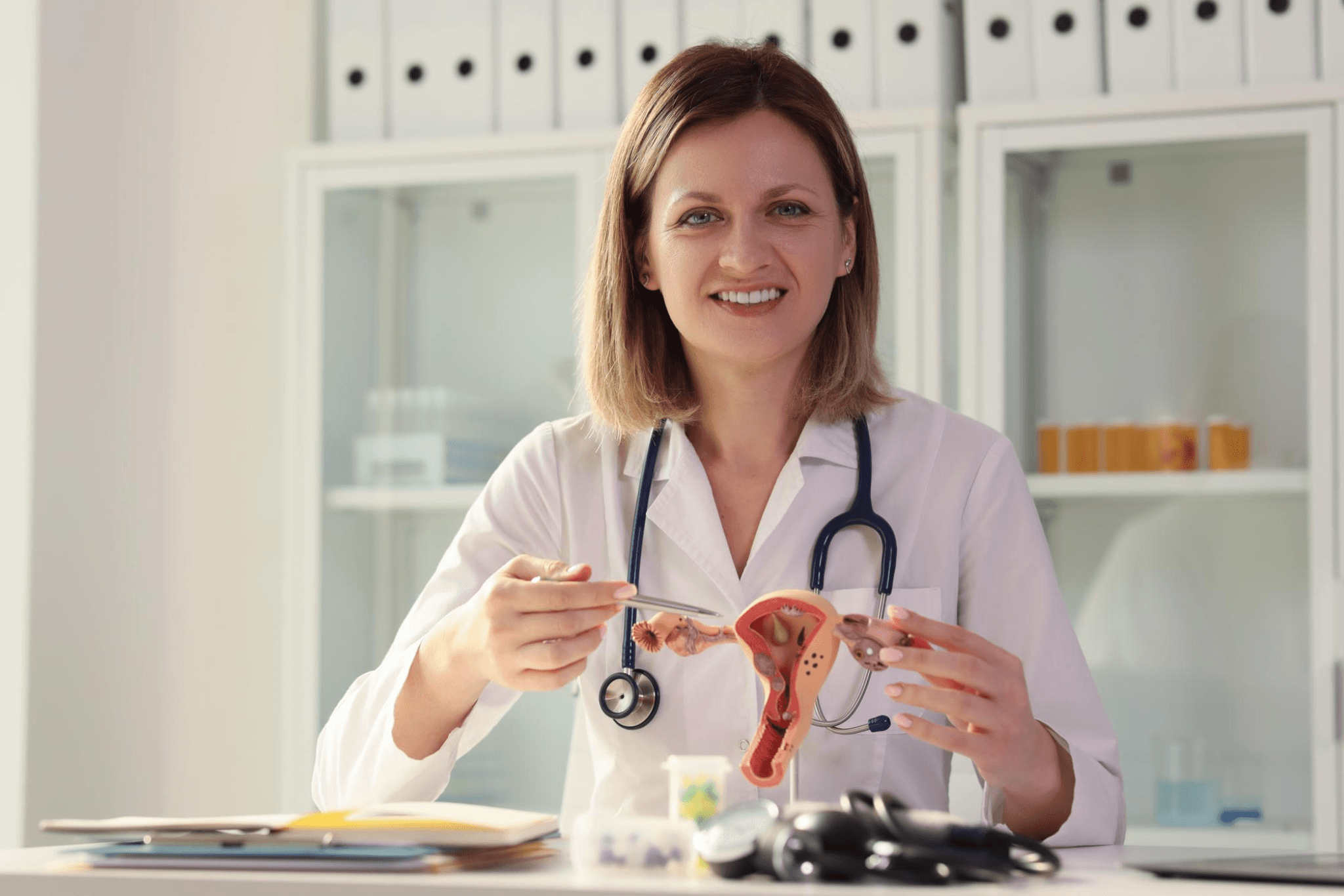
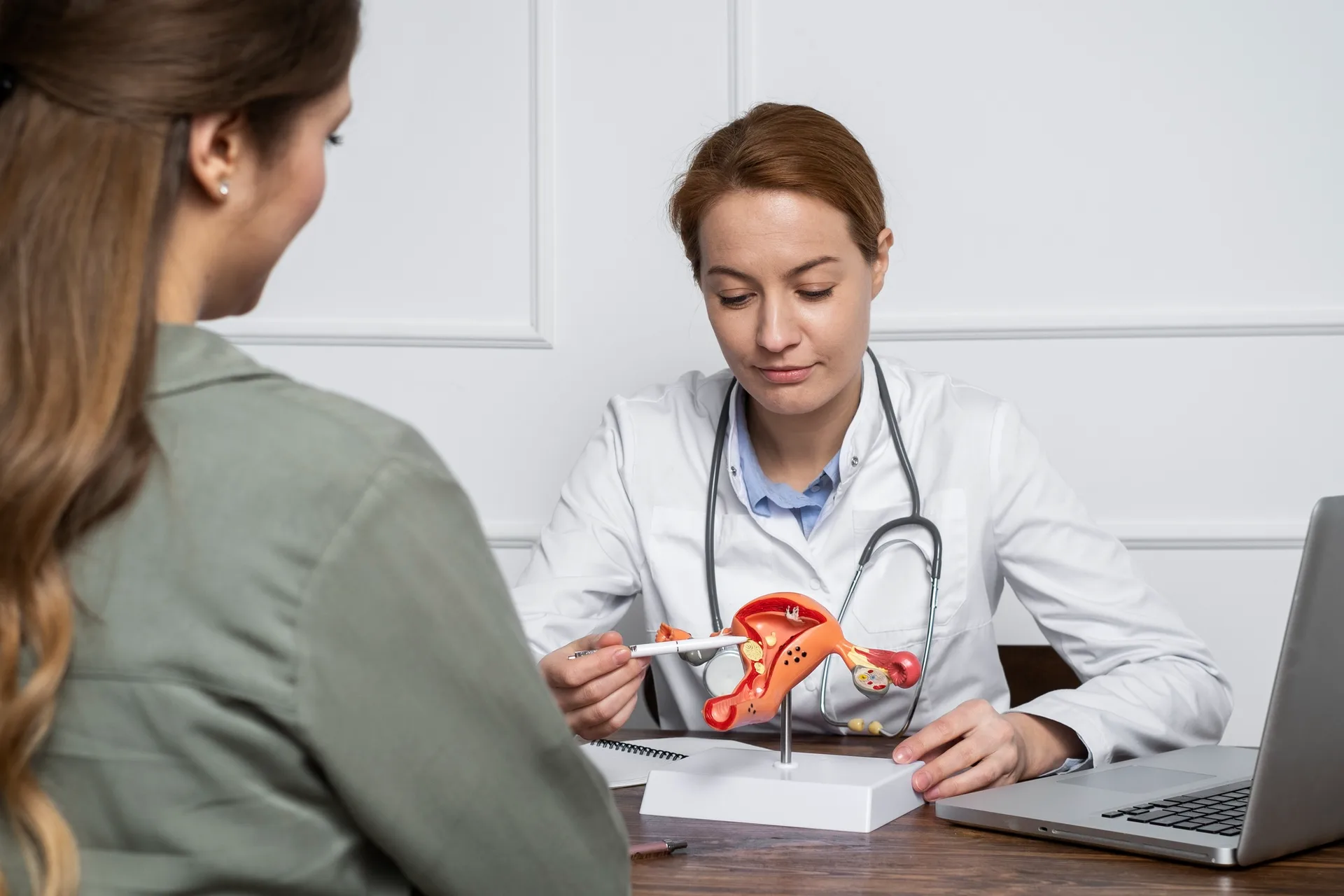
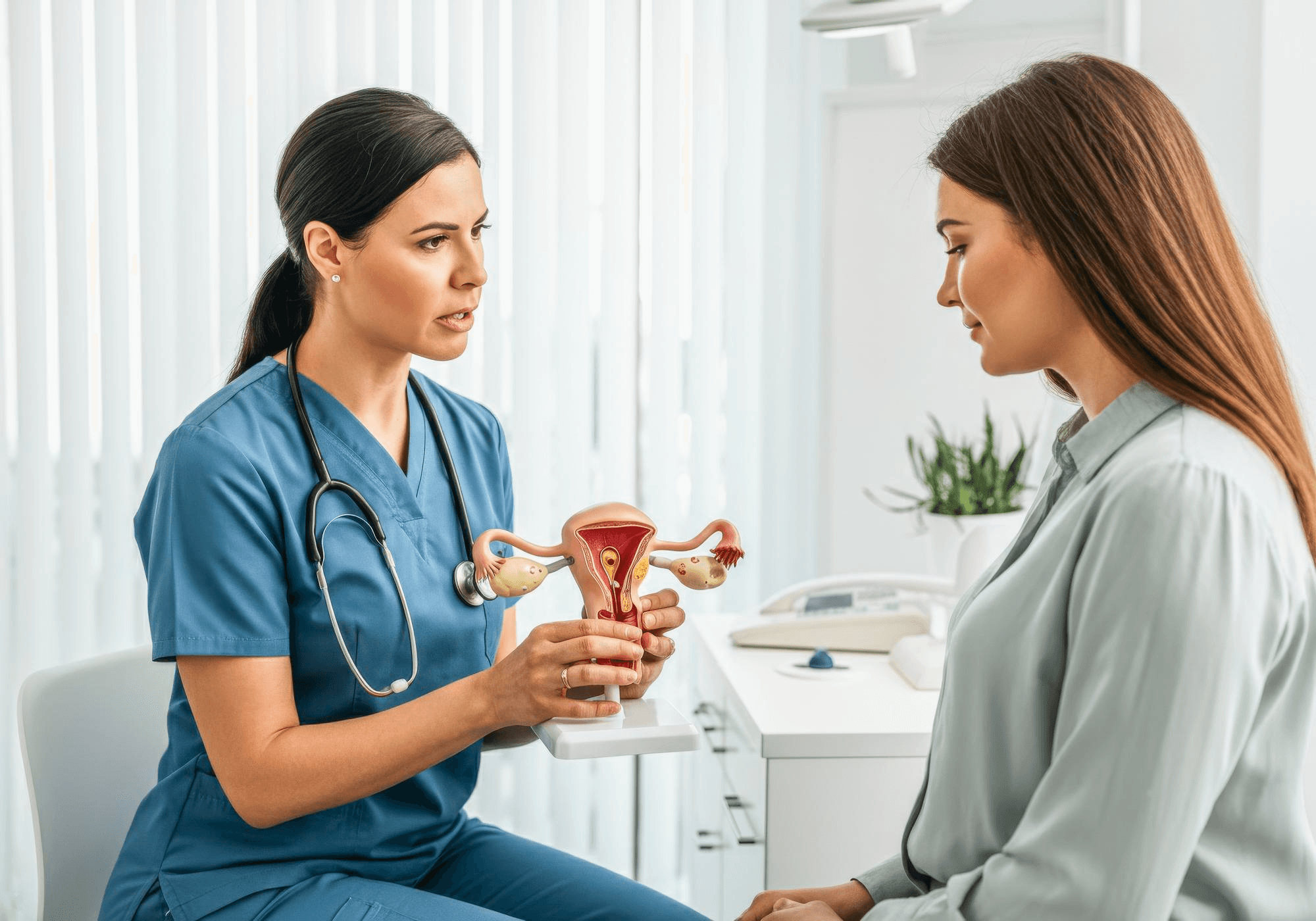
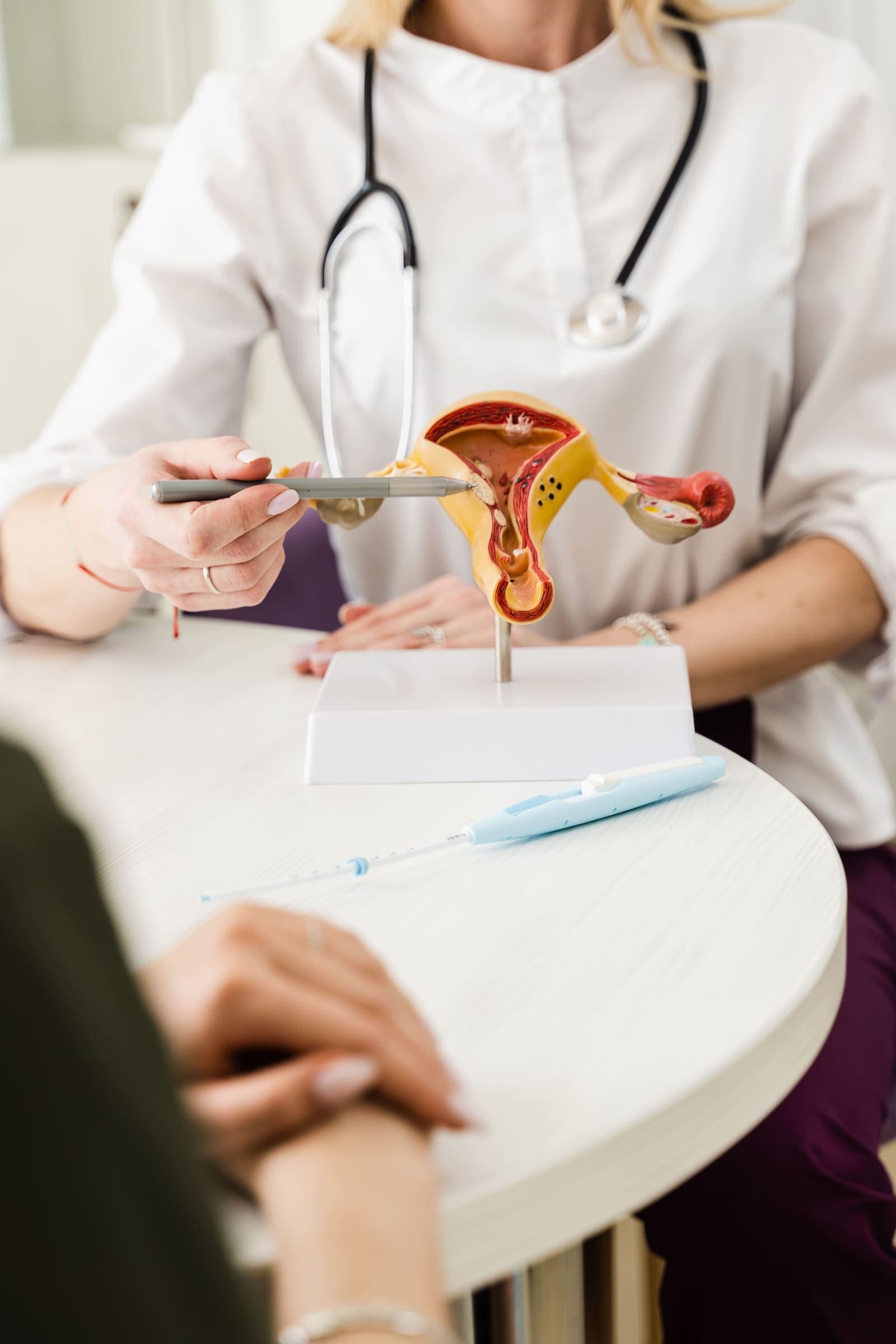
Doctor talking with a patient about hormonal health and reproductive changes during a gynecology appointment.
- It really depends on your age and what’s going on with your body. If you’re a teenager and your periods are super painful, all over the place, or you haven’t even started by 15, it’s time to check in with a gynecologist.
- In your 20s and 30s, don’t ignore weird cycles, bad PMS, signs of PCOS, trouble getting pregnant, or unusual discharge; get it checked out.
- Once you hit your 40s, pay attention to heavy bleeding, skipped periods, or those classic perimenopause symptoms like hot flashes and mood swings.
- And after menopause, don’t ignore any vaginal bleeding, pelvic pain, or problems peeing; see someone right away. No matter your age, those yearly visits make a big difference. They help you catch issues early and keep your hormones in check.
Final Thought
Hormones shape a woman’s life, starting with puberty, carrying through the reproductive years, and right into pregnancy and menopause. These changes happen to everyone, but knowing what’s going on makes a huge difference. When you understand your body, it’s easier to handle symptoms, look after your fertility, and stay healthy for the long haul.
Things like eating well, managing stress, and seeing your gynecologist regularly all help keep your hormones in check. With a little care and attention, you can move through every stage with confidence.
Expert Care With Dr. Shachi Singh
Ready to take control of your hormonal health? Dr. Shachi Singh, an expert in Obstetrics, Gynecology, and Laparoscopic Surgery, is here to help. Struggling with irregular periods? Worried about fertility, pregnancy, or menopause? Dr. Singh offers real, personalized advice you can count on.
Book your appointment today and start feeling more confident about your reproductive health, no matter where you are in life.