Irregular Periods: Causes, Symptoms, And Treatment
By Dr. Shachi SinghUpdated
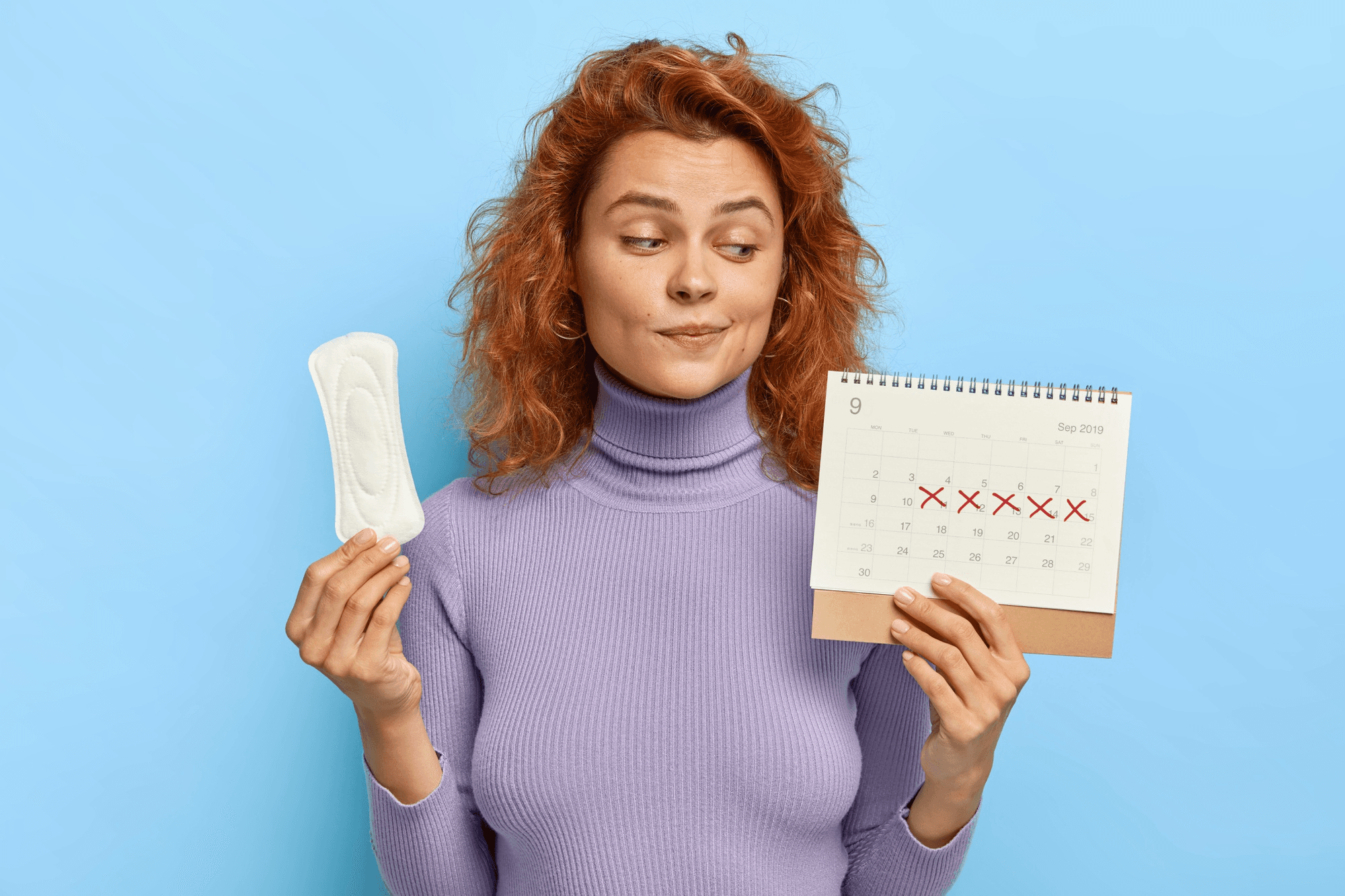
A woman is confused about her irregular periods, delayed cycles, and hormonal ups and downs.
Irregular periods happen to a lot of women, no matter their age. Sometimes your cycle shows up early, sometimes late, or the flow just doesn’t follow its usual pattern. A ton of things can throw it off- hormones, stress, PCOS, thyroid problems, weight changes, or even just shifts in your daily routine or lifestyle. You might notice you skip periods, bleed more than usual, barely bleed at all, or can’t predict when your cycle will actually start.
Understanding what’s going on with your cycle and knowing what you can do about it really matters for your health. When you catch problems early, listen to your doctor, and make a few lifestyle changes, you set yourself up for fewer headaches later. It keeps your period more regular and helps you steer clear of bigger health problems.
What Causes Irregular Periods?
Sometimes your period is late, or it shows up early. Maybe it’s way heavier or lighter than you’re used to. Honestly, it happens to a lot of people. Tons of things can throw your cycle off. Some reasons are harmless, just part of life. Others are your body’s way of waving a flag, telling you to pay attention.
1.) Hormones: The Usual Suspects
When estrogen and progesterone get out of sync, your cycle can go haywire. This happens a lot during puberty, right after having a baby, or when you’re heading toward menopause. You might skip a period, get two in a month, or go for weeks without one.
2.) PCOS Or Polycystic Ovary Syndrome
Polycystic Ovary Syndrome, or PCOS, unbalances your hormones. Especially androgens, which are more common in men. Insulin resistance often tags along, making cycles even more unpredictable. If you have PCOS, your periods might be super light, really heavy, show up late, or sometimes not at all.
3.) Thyroid Issues
Your thyroid keeps a close eye on your reproductive hormones. When it slows down (hypothyroidism), periods can get heavy and late. A thyroid that’s too active (hyperthyroidism) can make them lighter or cause you to skip them completely.
4.) Stress And Mental Health
Stress cranks up your cortisol, which messes with ovulation. If you’re anxious or dealing with depression, your cycle can get even more unpredictable. Sometimes your period is late, sometimes it disappears for a while.
5.) Weight Fluctuations
Losing weight fast means less estrogen, which can make your period vanish. Gaining a lot adds more estrogen, which also imbalances your hormones. Eating disorders can stop your period entirely.
6.) Too Much Exercise
Pushing your body hard, like training for a marathon or intense workouts can drop your estrogen levels and mess with your menstrual cycle. Athletes deal with this a lot; sometimes their periods pause or show up late.
7.) Birth Control And Medications
Starting or changing hormonal birth control. Expect your period to act weird for a bit; spotting and irregular bleeding are common at first. Some other medications can also mess with your hormones and your cycle.
8.) Medical Conditions
Uterine fibroids or endometriosis not only make periods painful, but can also make them irregular or super heavy. Diabetes and other hormone problems can have the same effect.
9.) Age Makes A Difference
If you’re a teenager, your cycle probably won’t be regular at first. And when you’re getting close to menopause, periods can become totally unpredictable.
Irregular Period Symptoms
Small changes aren’t usually a big deal, but some symptoms really do deserve your attention. Sometimes, they point to hormonal problems or deeper gynecological issues that need a doctor’s care. Catching problems early keeps your reproductive health on track.
1.) Severe Pain Or Cramping:
Problems like endometriosis or fibroids could be behind it. If the pain keeps getting worse, don’t ignore it and get help immediately.
2.) Heavy Menstrual Flow:
If you’re bleeding so much you have to change pads or tampons every hour, or you see large clots, pay attention. That’s often a sign of something like fibroids or a bleeding disorder. Heavy bleeding doesn’t just wear you down, it can leave you anemic and drained.
3.) Missed Periods for a Long Time:
When your period disappears for more than three months (and you’re not pregnant), it’s usually your body trying to tell you something about your hormones or reproductive health. Don’t ignore it.
4.) Sudden Cycle Irregularity:
When your cycle suddenly drops below 21 days or stretches past 35, your hormones are likely imbalanced.
5.) Unusual Spotting or Bleeding:
Bleeding between periods or after menopause isn’t normal. It sometimes means you’ve got polyps, an infection, or early changes that need a doctor’s attention, fast.
6.) Difficulty in Getting Pregnant:
If your periods are unpredictable and you’re trying to get pregnant, hormone problems might be messing with your ovulation.
7.) Extreme Mood Changes:
Mood swings, anxiety, or depression that hit harder than regular PMS aren’t something to ignore. Talk to your doctor about it.
Disorders Related To Irregular Menstruation
- Polycystic Ovary Syndrome (PCOS) messes with hormones, so periods show up late, skip months, or don’t follow any pattern at all.
- Thyroid problems, whether it’s working too much or too little, can make cycles unpredictable.
- Endometriosis is painful and also causes heavy or irregular bleeding.
- Uterine fibroids often mean heavy, drawn-out, or uneven periods.
- Premature ovarian insufficiency leads to fewer periods, or sometimes none at all.
- Diabetes gets in the way of hormone balance and ovulation.
- Eating disorders, especially when someone’s underweight or not getting enough nutrition, can make periods stop.
- Chronic stress causes hormones to be out of whack and messes with regular cycles, too.
Treatment For Irregular Periods
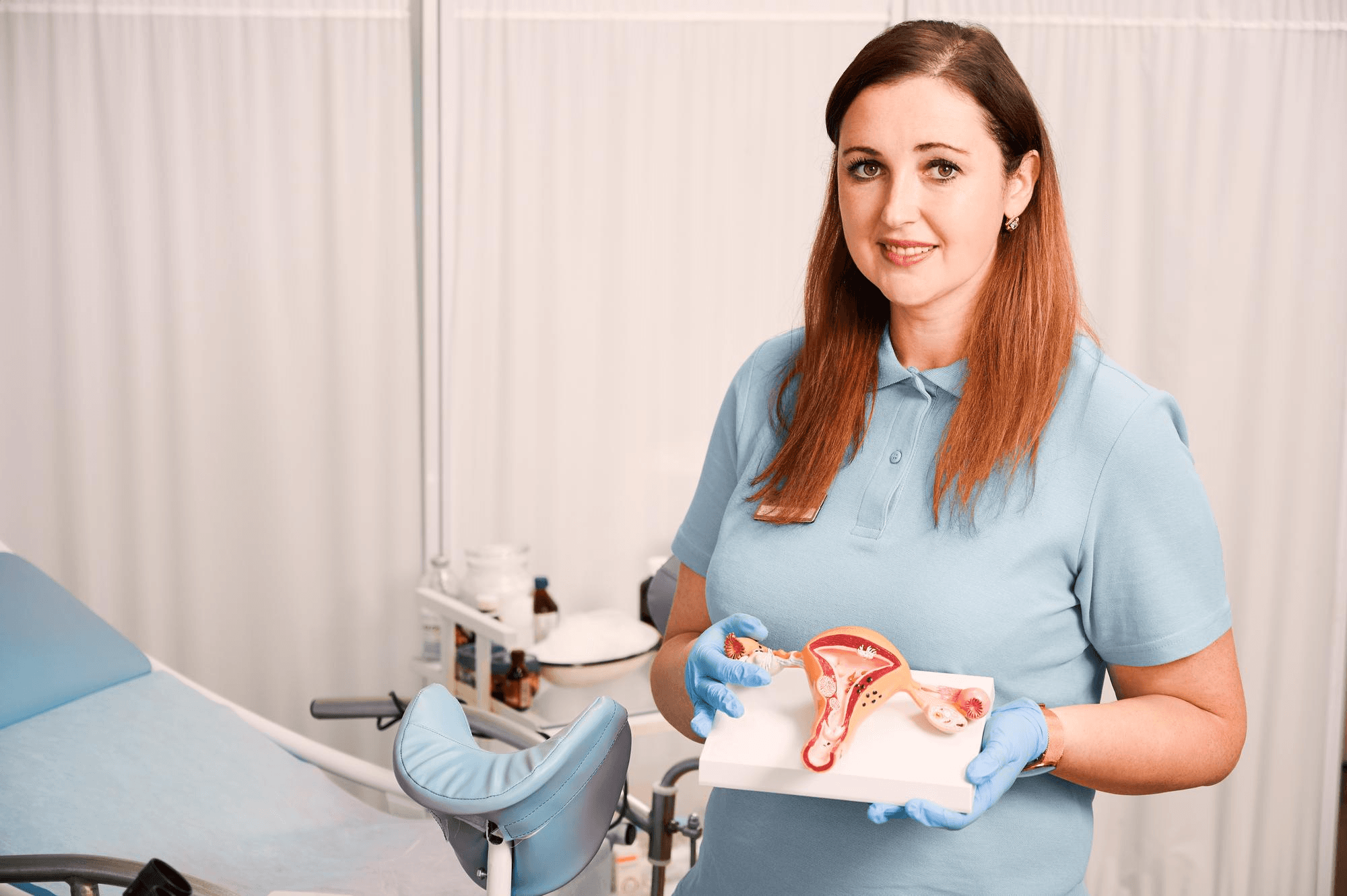
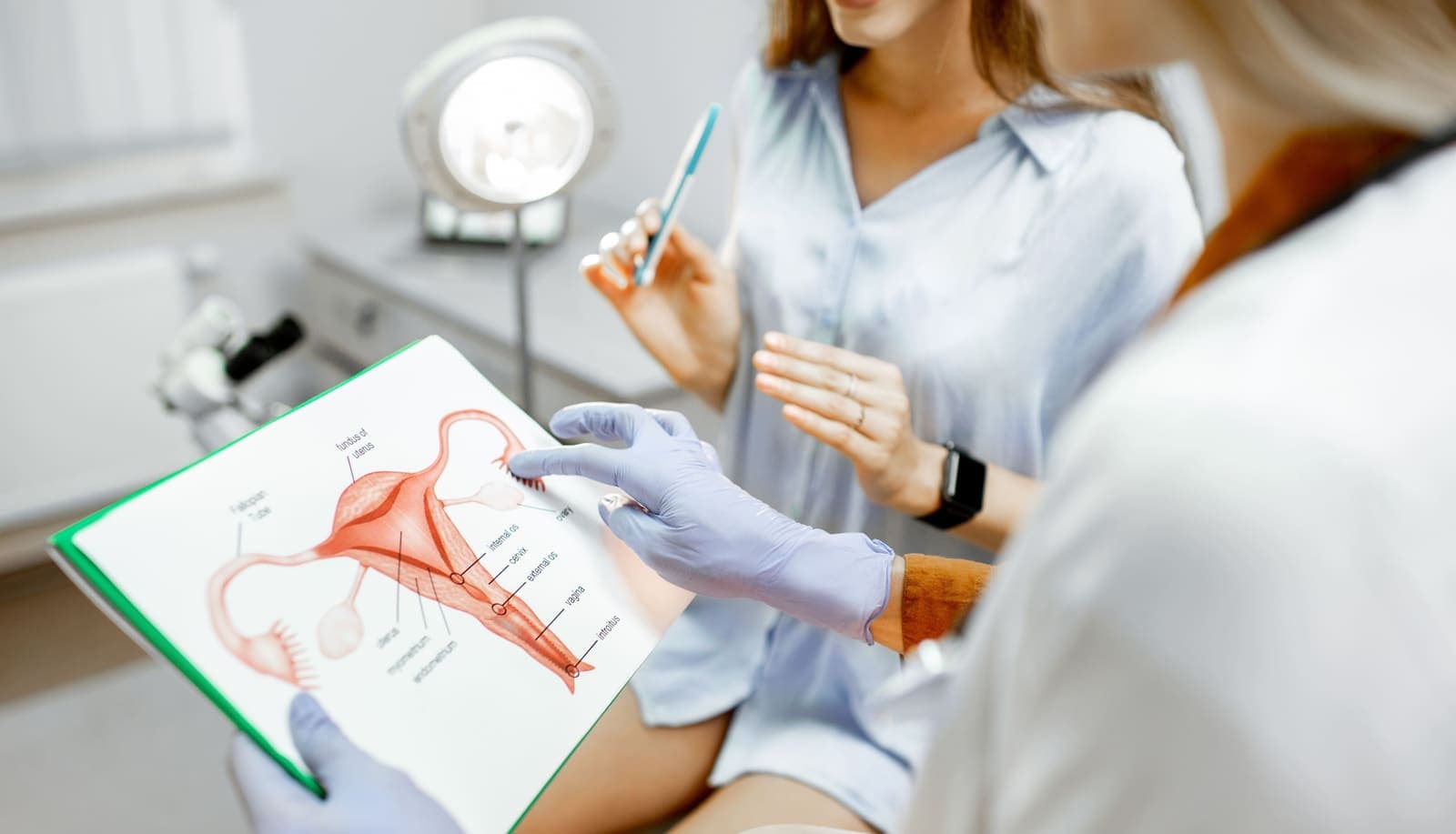
Treating irregular periods really comes down to what’s causing them. That’s why seeing a gynecologist matters; they’ll figure out what’s going on and recommend a plan. Sometimes it takes some lifestyle changes, medication, or medical procedures.
1.) Lifestyle Changes
Eating better, staying active, sleeping enough, and finding ways to handle stress, these all help get your cycle back on track. If you’re dealing with PCOS or a hormonal imbalance, keeping your weight in a healthy range goes a long way.
2.) Hormonal Treatments And Medications

A woman presses a hot water bottle to her belly, wincing from painful menstrual cramps.
But sometimes, lifestyle changes aren’t enough. Doctors often turn to hormonal treatments, like birth control pills, to regulate your cycle and control heavy bleeding. If there’s a thyroid issue or PCOS, you’ll probably need specific meds to balance things out. And if irregular periods have left you anemic, iron supplements help with that.
3.) Accurate Treatment For Underlying Conditions
Getting to the root of the problem really matters. Treating things like PCOS, thyroid issues, endometriosis, or fibroids usually helps your periods become regular again. This can mean medication, but sometimes a minor surgical procedure does the trick.
4.) Surgical Treatment
If meds don’t solve it, your doctor might discuss options like hysteroscopy or laparoscopic surgery, depending on what’s going on.
Final Thought
Listen to your body. If something feels off, check it out sooner rather than later. Getting help early really matters, both for how you feel now and for your long-term health. The good news? With some support and a few healthy changes, most people find their cycles get back to normal.
Expert Care with Dr. Shachi Singh
Make an appointment with Dr. Shachi Singh, who has years of experience as an Obstetrician, Gynecologist, and Laparoscopic Surgeon. She listens, understands what’s going on, and gives you care that actually fits your life. Find out what’s really happening, check out treatments that work, and book a consultation. It’s your health, so take the lead.