C-Section Recovery: Week-by-Week Guide for Indian Women

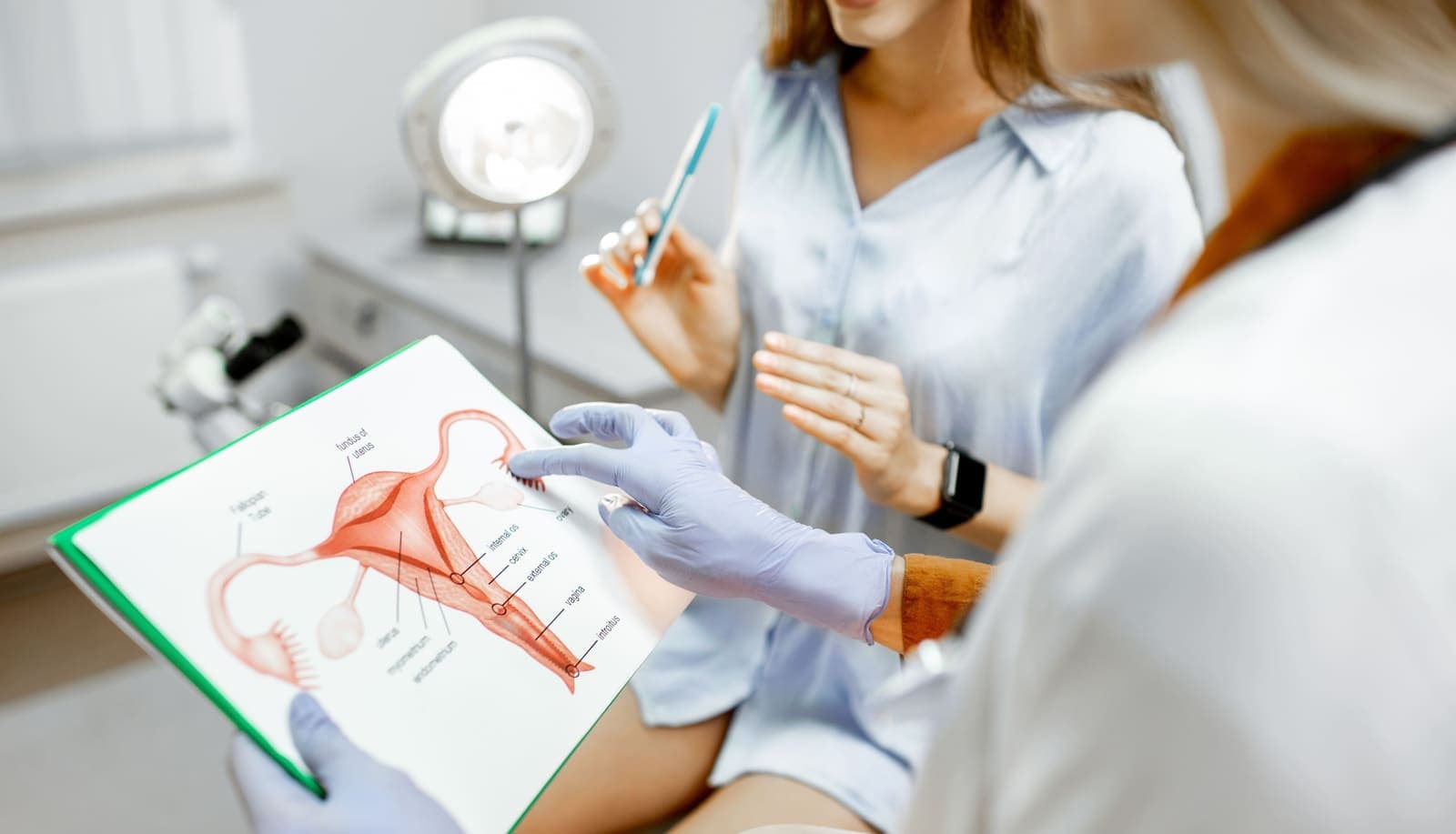
A pregnant woman meets her gynecologist at the hospital to talk about normal delivery and C-section options.
India's caesarean section rate has risen dramatically over the past two decades — currently approximately 21% nationally, with significantly higher rates in urban areas like Noida. This means a large number of women are recovering from major abdominal surgery simultaneously with caring for a newborn, establishing breastfeeding, managing the hormonal upheaval of the postpartum period, and navigating all the emotional complexity that comes with a new baby.
Recovery from a caesarean section is recovery from major surgery. The uterus and several layers of the abdominal wall have been cut and sutured. The healing process is real and requires time. It also requires knowing what to expect — because the combination of "everyone else seems to be up and doing things" social pressure and the genuine demands of newborn care can push women to do too much too soon, with consequences for wound healing and long-term recovery.
Dr. Shachi Singh, consultant obstetrician and gynaecologist at Prakash Hospital, Sector 33, Noida, explains what C-section recovery actually looks like week by week, what the warning signs are, and what you need to know before you go home.
What Happens During a Caesarean Section
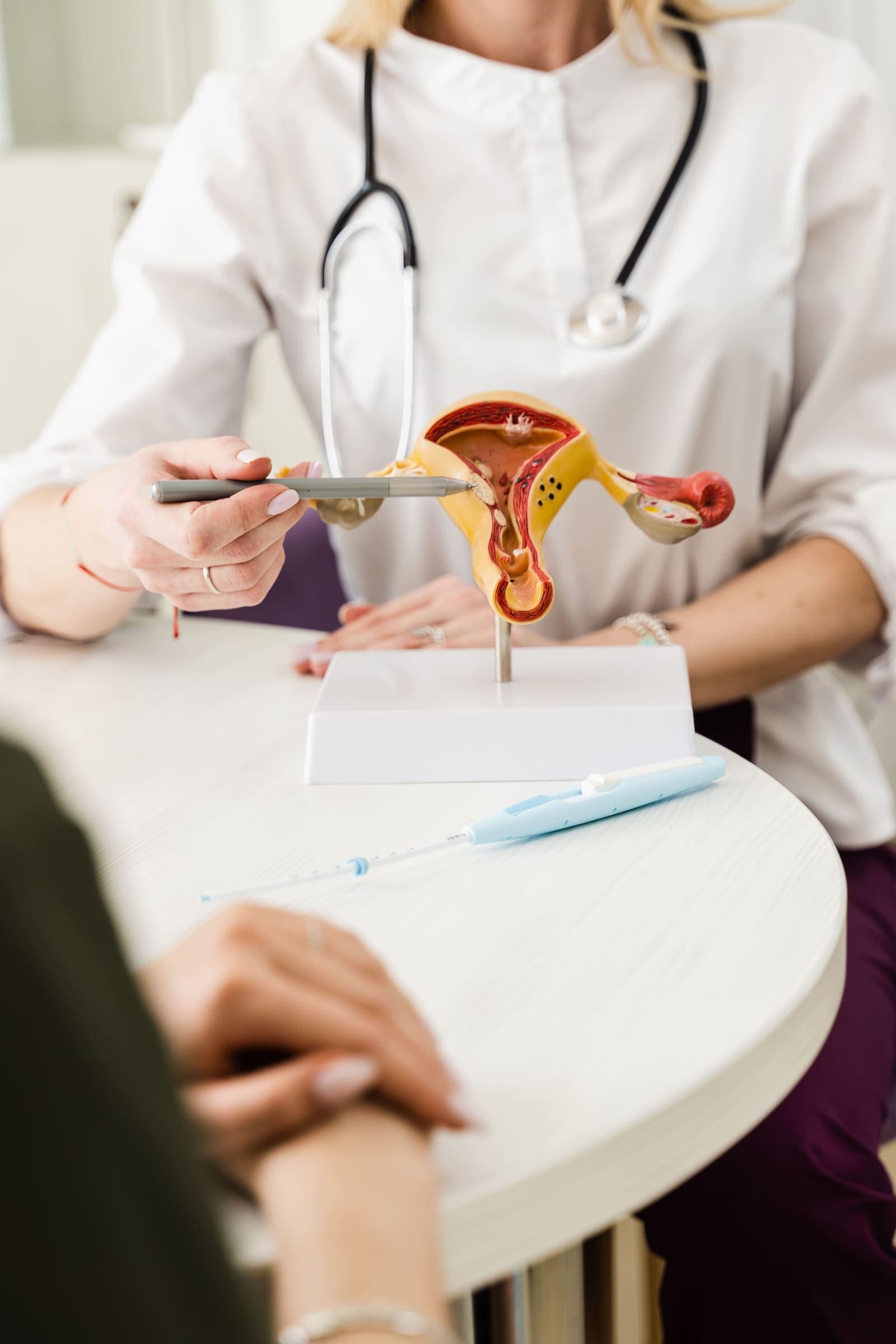
Understanding the layers that are cut helps explain why recovery takes the time it does. A caesarean incision passes through: skin, fat, the fascial sheath covering the abdominal muscles, the muscles themselves (typically separated rather than cut), the peritoneum (the lining of the abdominal cavity), and then the uterine wall. Each of these layers is sutured closed at the end of the procedure. The deepest layers — peritoneum and uterus — use dissolving sutures; the skin may be closed with dissolving sutures, staples, or clips.
The uterine scar takes 3 to 6 months to achieve its full strength. The external skin scar is largely healed by 6 weeks. Internal scar strength continues increasing for months.
Before You Leave the Hospital
Most women who have an uncomplicated caesarean are discharged after 3 to 5 days. Before discharge, ensure you know:
- How to care for your wound
- Which medications to take and for how long (typically a combination of paracetamol and ibuprofen at scheduled intervals, not just when pain peaks)
- Signs of infection or complication to watch for
- Your follow-up appointment date
- What activities to avoid and for how long
- Who to call if you have concerns
The First 24 Hours After Surgery
You will be in the recovery room for 1 to 2 hours. A catheter drains the bladder; an IV line provides fluids and medications. You may have a spinal or epidural anaesthesia that is still wearing off — the lower body will gradually regain sensation over 2 to 4 hours.
As sensation returns, pain from the wound becomes apparent. Do not wait for pain to peak before asking for medication — consistent pain control in the first 24 to 48 hours is significantly better than managing pain surges.
Moving: You will be encouraged to move your feet and legs while still in bed within hours of surgery — to reduce blood clot risk. Getting out of bed for the first time will happen with nursing assistance, typically within 8 to 24 hours. The first attempt to sit up and stand is uncomfortable but important — early mobilisation significantly reduces complications.
Breastfeeding: Can begin in the recovery room, typically within 1 to 2 hours of surgery if you and the baby are both stable. Breastfeeding after a caesarean requires some positioning adaptations — the "football hold" (baby tucked under the arm along the side) or side-lying position avoids pressure on the wound.
Week 1: Rest, Wound Care, and Establishing Feeding
Pain: Most significant in the first 3 to 5 days. Managed with regular paracetamol and ibuprofen (safe during breastfeeding), with stronger medication prescribed for the first day or two. Pain should be progressively improving after day 3 — pain that is worsening rather than improving needs medical review.
The wound: Keep it clean and dry. Pat gently — do not rub. Avoid submerging in water. Most women can shower from day 2 to 3 — allow water to flow over the wound without scrubbing. Dressings are typically removed at 24 to 48 hours or at the first follow-up visit.
Mobility: Short, slow walks around the room from day 1 to 2. Gradually increasing distance as pain allows. Do not push through significant pain — but gentle movement is better than staying completely stationary.
Posture: Many women instinctively hunch forward to protect the wound. This is understandable, but try to straighten gradually — prolonged hunching creates back pain and affects posture long-term.
Wind and bowel: Carbon dioxide gas trapped during surgery causes referred shoulder pain similar to that of laparoscopic surgery. Walking and moving help resolve this. The first bowel movement typically happens on days 3 to 5 — stool softeners are routinely prescribed. The wound will not tear from normal bowel movements.
What to avoid in week 1:
- Lifting anything heavier than the baby (approximately 3 to 4 kg)
- Driving (anaesthesia and pain medications affect reaction time; the wound affects emergency braking)
- Climbing stairs frequently — minimise in the first week
- Any bending or twisting that strains the wound
Week 2 to 4: Gradual Return to Light Activity
The skin scar is healing externally. You are off the strongest pain medication and managing with paracetamol as needed. Energy is returning in short bursts — though broken sleep from the baby means overall fatigue remains significant.
Activity progression:
- Short walks outside increasing gradually in duration
- Light household tasks — preparing food, light tidying — when energy allows
- Can climb stairs as needed, carefully
- Continue lifting only up to baby weight
The scar: The wound site may feel itchy, tight, or numb as healing progresses. These are all normal signs of scar tissue maturation. Numbness around the scar — particularly the area of skin just above the incision — is caused by the cutting of small sensory nerves and can persist for 6 to 12 months. It almost always resolves.
Shooting or sharp pain along the scar: Can occur as nerves regenerate. Normal, but mention it at your follow-up if it concerns you.
Driving: Return to driving is typically at 6 to 8 weeks — when you can perform an emergency brake without pain or hesitation, you are no longer on strong pain medication, and your surgeon has cleared you. Some insurance policies require medical clearance before driving post-surgery — check your policy.
Week 4 to 6: Approaching the 6-Week Review
Most women are managing well by 5 to 6 weeks — doing most normal daily activities, though still not their full activity level.
The 6-week check: An essential appointment covering wound assessment, blood pressure, haemoglobin, mood assessment (postpartum depression screening), contraception discussion, and any concerns you have. Use this appointment actively — bring written questions.
Resuming sexual activity: Typically advised after the 6-week check confirms healing. The uterine scar and vaginal tissues need this healing time, even though the external wound may feel recovered.
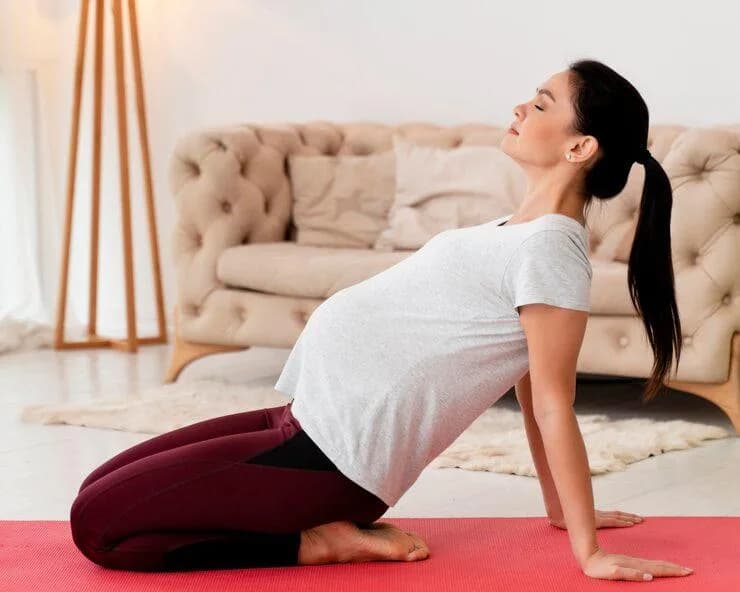
Exercise: Light walking and gentle yoga from 6 weeks. Core and abdominal strengthening should wait until cleared — the abdominal wall and uterine scar need time before progressive loading. High-impact exercise is typically from 10 to 12 weeks onwards, guided by recovery.
Scar massage: Starting scar massage from 6 to 8 weeks (once healing is confirmed) helps prevent adhesions between the scar and the tissue below. Using a small amount of oil, massage the scar gently in circular and across-the-grain directions for a few minutes daily. This improves scar pliability and reduces the pulling sensation many women describe long-term.
Warning Signs — When to Seek Immediate Help
Contact your doctor promptly if you notice:
- Increasing redness, swelling, or warmth at the wound
- Wound discharge (pus) or wound separation
- Fever above 38°C
- Increasing pain rather than decreasing after day 3
- Heavy vaginal bleeding (soaking a pad per hour)
- Burning or pain with urination
- Calf pain, swelling, or redness (possible DVT)
Go to the emergency immediately if you experience:
- Sudden severe abdominal pain
- Chest pain or difficulty breathing (possible pulmonary embolism)
- Severe headache with visual changes or upper abdominal pain (possible postpartum preeclampsia)
- Very heavy uncontrolled vaginal bleeding
- Fever above 39°C with rigors
Things Nobody Tells You About C-Section Recovery
The "ledge" above the scar: As swelling resolves, the skin above the scar can fold over slightly, creating a shelf or overhang of skin. This is extremely common, not permanent in most cases, and reduces as internal swelling fully resolves (which takes months). Scar massage helps with this. For women in whom this persists significantly, cosmetic assessment can be considered — but most cases resolve without intervention.
Feeling disconnected from the scar: Many women report feeling that the scar "does not belong to them" initially — numbness and reduced sensation create an odd disconnection. This resolves as nerve regeneration progresses.
The emotional dimension of an emergency C-section: For women who had planned a vaginal birth and had an emergency caesarean, the experience can be distressing — feeling unprepared, potentially traumatic if events moved quickly, or a sense of loss about the birth they had expected. These feelings are real and valid. Processing them with a partner, a trusted person, or a counsellor is part of recovery.
Postnatal Care After Caesarean in Noida and Greater Noida
Dr. Shachi Singh at Prakash Hospital, Sector 33, Noida, provides postnatal care after caesarean section for women across Noida and Greater Noida — including wound follow-up, haemoglobin monitoring, postpartum mood assessment, contraception, and management of any complications.
To book a consultation with Dr. Shachi Singh, call: +91 97023 46853
Clinic Hours: Monday to Saturday, 9 AM – 6 PM | Sunday, 10 AM – 2 PM
Clinic Address: D-12A, 12B, Sector-33, G.B. Nagar, Noida, Uttar Pradesh 201301
This blog is written for educational and informational purposes only. Please consult Dr. Shachi Singh or a qualified gynaecologist for postnatal guidance specific to your caesarean delivery and health situation.