Protein Shake During Pregnancy: What Is Safe, What Is Not, and What You Actually Need

A pregnant woman speaking with a doctor in a clinical setting.
Protein shakes have become a staple in a lot of Indian households for gym-goers, for weight management, and for busy mornings when a proper breakfast is not happening. So it is natural that when pregnancy arrives, women wonder: Can I still have my protein shake? Is the powder in my kitchen safe for the baby?
The answer is not a flat yes or no. It depends on what kind of protein product you are using, what is in it, and whether you actually need it, or whether the protein you need is already sitting in your regular meals.
This guide, put together with the guidance of Dr. Shachi Singh, senior gynecologist and obstetrician at Prakash Hospital, Sector 33, Noida, walks through everything you need to know about protein during pregnancy, your actual requirements, whether shakes and powders are safe, what to check on the label, and the best Indian food sources that most women will find more appropriate than any supplement.
Why Protein Matters So Much During Pregnancy
Protein is the building block of every cell in your baby's body. Muscles, organs, skin, the placenta, and amniotic fluid all require protein to form and grow. Beyond fetal development, your own body has significantly higher protein needs during pregnancy to support the expanding uterus, increased blood volume, and the physical demands of carrying a growing baby.
Before pregnancy, the average woman needs roughly 0.8 grams of protein per kilogram of body weight per day. During pregnancy, this rises to approximately 1.1 grams per kilogram per day, an increase that starts to matter in the second trimester and becomes even more important in the third, when the baby's growth rate is at its peak.
For a woman weighing 60 kg, this translates to roughly 66 grams of protein per day during pregnancy. Many Indian women, particularly vegetarians, may fall short of this, making attention to dietary protein genuinely important.
Is Protein Powder Safe During Pregnancy?
The general answer from medical professionals is: yes, good-quality protein powder is considered safe during pregnancy when used appropriately and in moderation. There is no evidence that protein supplementation itself is harmful to the baby. However, and this is a significant however, not all protein powders are equal, and many commercial products contain ingredients that are not appropriate during pregnancy. The protein powder you used before pregnancy was almost certainly formulated for fitness goals, not for maternal nutrition. Those two things are very different.
What To Look For And What To Avoid On The Label
If you are considering a protein powder or shake during pregnancy, read the label carefully before consuming anything.
1. Ingredients To Avoid During Pregnancy
Artificial sweeteners - Saccharin, aspartame, and sucralose are common in many protein powders marketed as "diet" or "low-calorie." Saccharin in particular is best avoided during pregnancy, as it can cross the placenta. Stevia in small amounts is generally considered safer, but even this should be discussed with your doctor.
Caffeine - Some protein powders, particularly those marketed as "energy" or "pre-workout" blends, contain caffeine. Caffeine intake during pregnancy should be limited to less than 200 mg per day in total. A supplement adding caffeine on top of your tea and coffee intake can push you over this without you realising it.
Herbal additives - Many protein supplements include herbs like ginseng, ashwagandha, or other botanical extracts for their purported benefits. Most of these have not been safety-tested in pregnancy. Several are specifically advised against.
Excessive vitamins - Some protein products include added vitamins and minerals. If you are already taking a prenatal supplement, stacking these can lead to excess intake of fat-soluble vitamins like Vitamin A, which is harmful in large amounts during pregnancy.
Fillers and artificial flavouring - These add no nutritional value and are sometimes produced using chemical processing. They contribute "empty" intake without meaningful nutrition.
Heavy metals - A Consumer Reports investigation from late 2025 found that several popular protein powders tested contained detectable levels of lead and other heavy metals. Heavy metal exposure is a genuine concern during pregnancy. This is one reason why whole food protein sources are always preferable to powders when adequate protein can be obtained from the diet.
2. What Is Relatively Safe
Plain whey protein without artificial sweeteners, herbal additives, or excess vitamins is considered relatively safe in moderation. Pea protein and rice protein (plant-based options) are also generally well-tolerated and appropriate for vegetarians.
Pregnancy-specific protein supplements formulated and tested specifically for maternal nutrition are a better option than generic fitness powders, as they are designed around the actual nutritional needs of pregnancy. Always check these with your doctor too, since even pregnancy-labelled products vary in quality.
Do You Actually Need Protein Powder?
This is the more important question, and for most women eating a typical Indian diet, the honest answer is: probably not. The Indian kitchen is genuinely protein-rich when used well. Before reaching for a supplement, look at whether your daily meals can meet your needs with a little intention.
1. Best Indian Food Sources Of Protein During Pregnancy
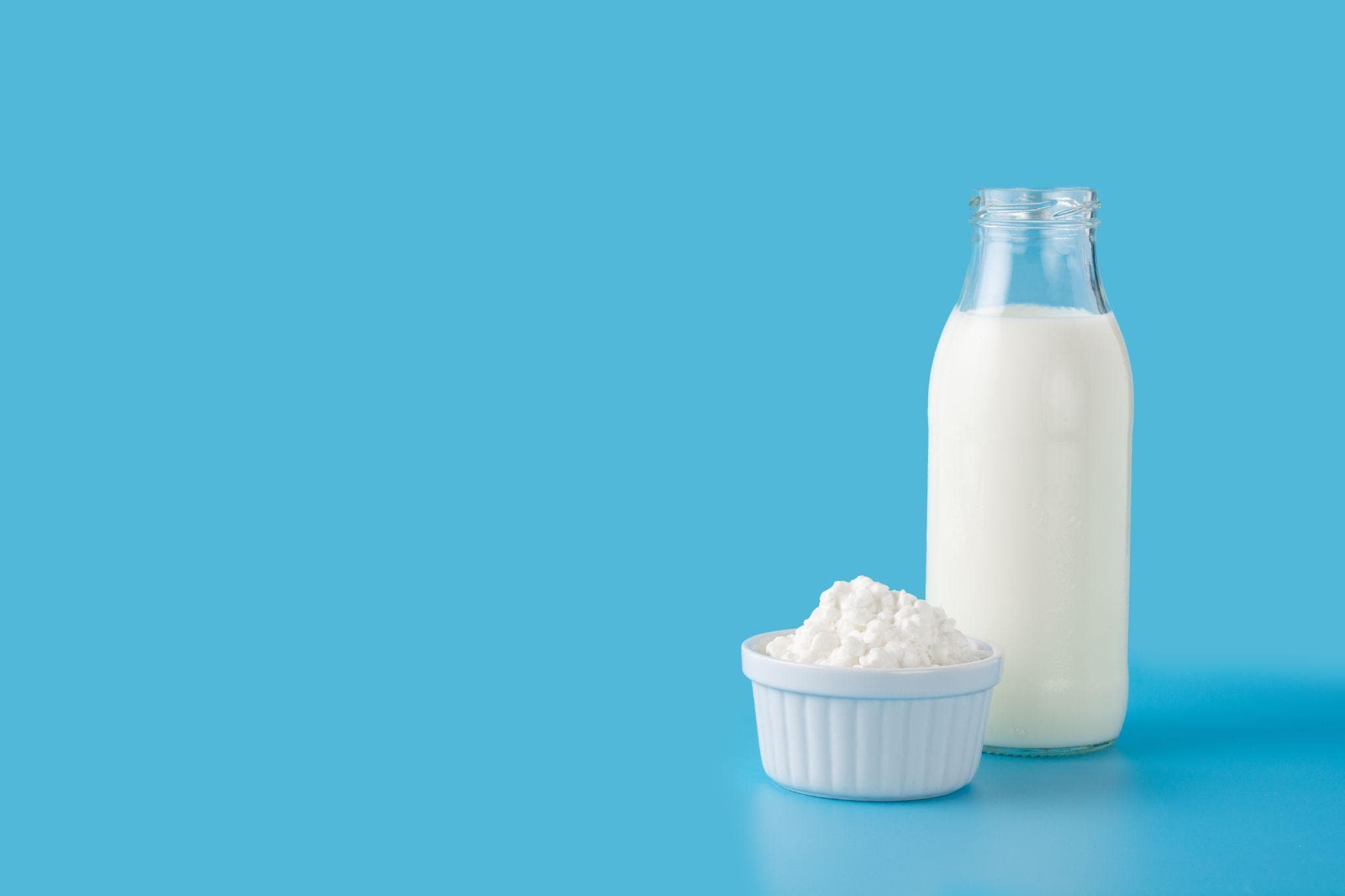
A glass bottle of milk and a bowl of cottage cheese are placed against a blue background, representing calcium-rich dairy products.
Dals and Legumes: This is where the Indian diet genuinely shines. One bowl (200g cooked) of moong dal provides roughly 14 grams of protein. Masoor dal, chana dal, toor dal, rajma, chhole, and whole moong are all excellent sources. If you are eating two to three servings of dal or legumes per day, you are getting significant protein from food alone.
Paneer: 100g of paneer provides approximately 18 grams of protein and is easily incorporated into sabzis, parathas, or eaten directly. For vegetarian women, paneer is one of the most protein-dense foods available.
Curd (Dahi): One cup of curd provides 8 to 10 grams of protein, along with calcium and probiotics. It is one of the easiest proteins to consume, even during nausea, because of its mild, cooling nature.
Eggs: Two eggs provide approximately 12 grams of high-quality protein, along with choline (critical for brain development), iron, and Vitamin D. If you eat eggs, they are one of the most complete and convenient pregnancy proteins available.
Milk: One glass of full-fat milk contains 8 to 9 grams of protein. Two glasses per day contribute meaningfully to daily protein needs alongside other sources.
Nuts and Seeds: A handful (30g) of almonds provides 6 grams of protein; walnuts offer 4 grams alongside omega-3 fatty acids. Chia seeds and flaxseeds are not only protein sources but also add fibre and DHA.
Soya and Tofu: Soya-based foods, including tofu and soya chunks, are among the highest plant protein sources available, with 100g of tofu providing around 8 grams. Soya is safe during pregnancy in moderate amounts.
When Might A Protein Supplement Be Useful?
There are situations where a protein supplement during pregnancy makes practical sense:
- Severe nausea or hyperemesis - when you simply cannot eat adequately in the first trimester, a small protein shake may help maintain intake when solid food is not tolerated.
- Vegetarian or vegan diets - if your diet is heavily restricted and dal/dairy/egg are not consumed regularly.
- Very high physical activity - if you were athletic before pregnancy and remain moderately active, your needs may be higher.
- Documented protein deficiency - if blood tests or nutritional assessment confirm you are not meeting requirements.
In these cases, a plain, pregnancy-appropriate protein supplement discussed with and approved by Dr. Shachi or your gynecologist is a reasonable addition to your diet.
Homemade Protein Shakes: The Better Option
If you enjoy the convenience of a shake, making your own at home is genuinely better than most commercial products during pregnancy. You know exactly what is in it, there are no artificial ingredients, and you can adjust it to your taste and tolerances.
1. Simple Pregnancy Protein Shake Ideas
Banana Almond Shake: Blend: 1 ripe banana + 1 glass milk + 10 soaked almonds + a pinch of cardamom. Provides approximately 15 to 18 grams of protein, potassium, calcium, and natural sugars.
Peanut Butter Milk Shake: Blend: 1 glass milk + 1 tablespoon peanut butter + ½ banana. Peanut butter is an excellent, affordable protein source. This shake provides approximately 16 to 20 grams of protein.
Curd and Fruit Lassi: Blend: 1 cup dahi + ½ cup mango or banana + a small amount of jaggery if needed. Provides protein, calcium, probiotics, and natural energy.
Sattu Drink: Sattu (roasted chickpea flour) dissolved in water or buttermilk with a pinch of black salt and jeera is one of the most traditional Indian protein drinks used for centuries in Bihar, UP, and Rajasthan. One glass with 2 tablespoons of sattu provides approximately 8 to 10 grams of protein, along with iron and fibre. This is arguably the best natural pregnancy protein drink available in India.
How Much Is Too Much?
Even with a safe protein supplement, moderation applies. Your total daily protein need is approximately 60 to 75 grams, depending on your body weight. Consuming significantly more than this through combining supplements with an already protein-rich diet does not provide additional benefit and places unnecessary strain on the kidneys. The rule is straightforward: supplement what your diet genuinely cannot provide. Do not double-stack.
The Bottom Line
Protein powder and shakes are not harmful during pregnancy when chosen carefully and used sensibly. But for most women eating a reasonably varied Indian diet, whole foods dals, paneer, curd, eggs, nuts, milk, and sattu can meet pregnancy protein needs without any supplement at all.
If you are unsure whether your protein intake is adequate, or if you want to use a protein supplement and are not sure which is safe, this is an easy question to raise at your next antenatal appointment. Your gynecologist can assess your diet, check your weight gain and haemoglobin, and give you a specific recommendation based on your individual situation.
Pregnancy Nutrition Care In Noida And Greater Noida
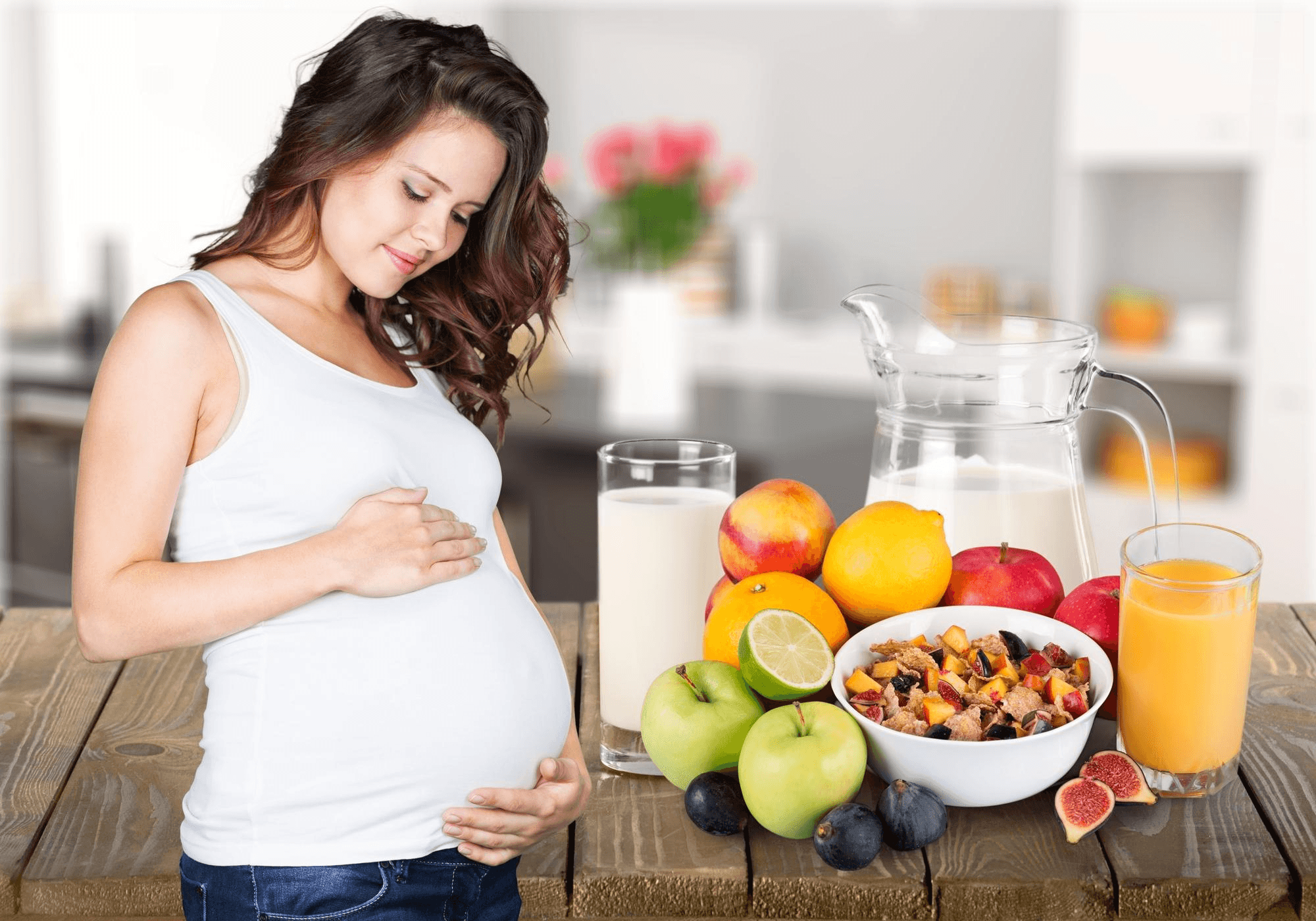
A pregnant woman embracing her belly, near a table exhibiting a collection of fruits, juice, and milk to signify nutrition and prenatal care at home.
Dr. Shachi Singh at Prakash Hospital, Sector 33, Noida, provides comprehensive antenatal care, including nutritional guidance across all trimesters for women in Noida and Greater Noida. Whether you have questions about protein, iron, calcium, or managing a vegetarian pregnancy diet, your antenatal appointments are the right place for these conversations.
To book a consultation with Dr. Shachi Singh, call: +91 97023 46853
Clinic Hours: Monday to Saturday, 9 AM – 6 PM | Sunday, 10 AM – 2 PM
Clinic Address: D-12A, 12B, Sector-33, G.B. Nagar, Noida, Uttar Pradesh 201301
Frequently Asked Questions
1. Can I drink whey protein during pregnancy?
Plain whey protein without artificial sweeteners, herbal additives, caffeine, or excess vitamins is generally considered safe in moderation. However, check the label carefully and discuss with your gynecologist before continuing or starting any supplement during pregnancy.
2. Which protein powder is best for pregnant women in India?
Pregnancy-specific protein formulas are preferable to general fitness powders. However, for most women, whole food sources, such as dals, paneer, eggs, curd, sattu, are safer, more nutritious, and more appropriate than any commercial powder.
3. How much protein do I need per day during pregnancy?
Approximately 1.1 grams per kilogram of body weight per day, which works out to roughly 60 to 75 grams for most Indian women. Your gynecologist can give you a personalised figure based on your weight and trimester.
4. Is sattu good during pregnancy?
Yes. Sattu (roasted chickpea flour) is one of the best traditional Indian protein sources and is particularly appropriate during pregnancy. It provides protein, iron, fibre, and minerals, is easy to prepare as a drink, and has no artificial additives.
5. Can I use protein powder in the first trimester when I cannot eat properly?
Yes, a small, plain protein shake may help maintain intake during severe first-trimester nausea when solid food is not tolerated. Stick to plain, additive-free options and keep portions small. Discuss this with your gynecologist if nausea is significantly affecting your eating.
This blog is written for educational and informational purposes only. It is not a substitute for personalised medical or nutritional advice. Please consult Dr. Shachi Singh or a qualified gynecologist for guidance specific to your pregnancy and nutritional needs.