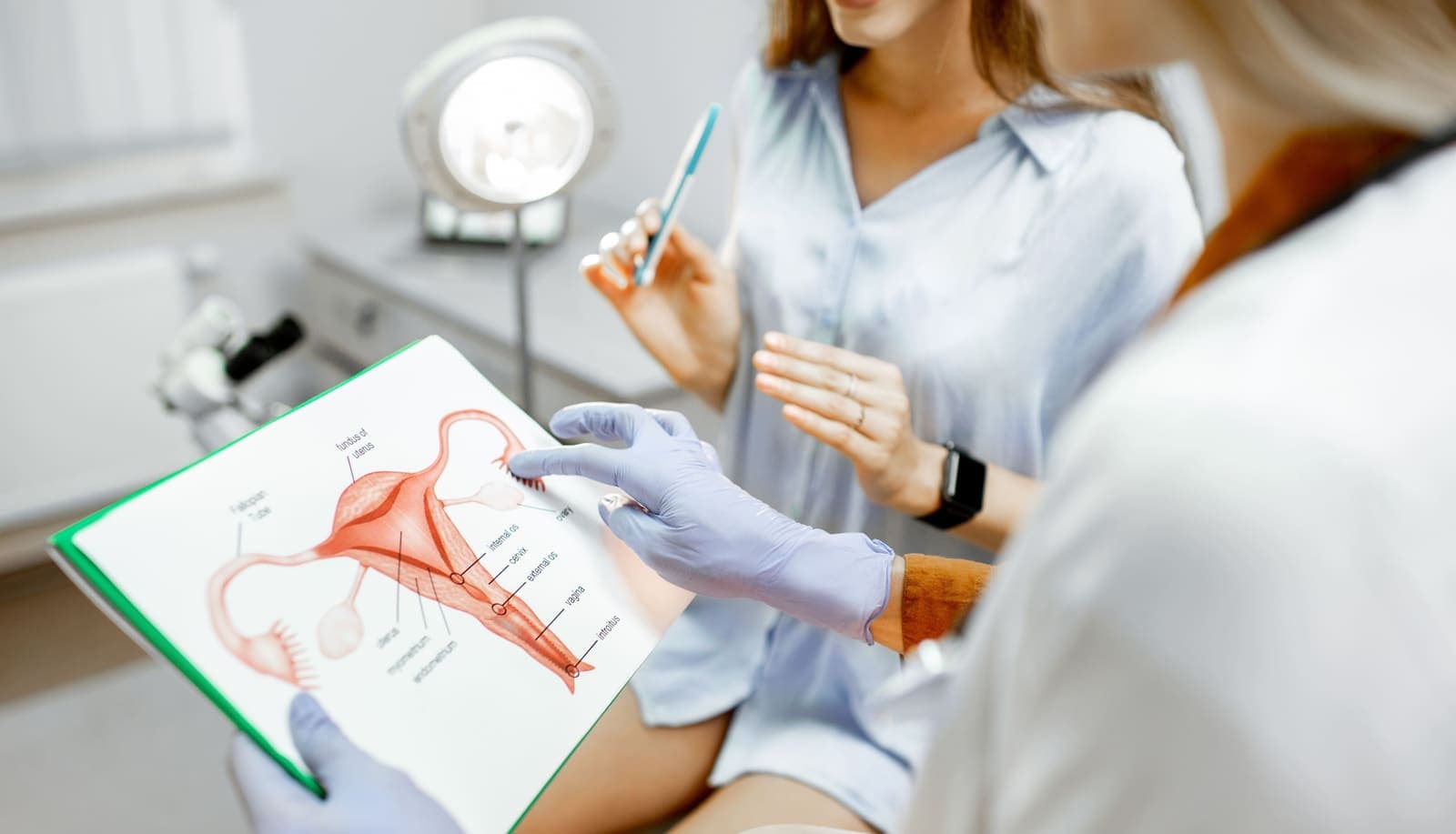
Female Infertility: Causes, Tests, and What Treatment Actually Looks Like
A woman crying and frustrated in her bedroom with pregnancy tests, indicating her problems with infertility and depression due to it.
Trying to conceive and not succeeding is one of the most privately exhausting experiences a woman goes through. Month after month of hoping, tracking, timing — and then the slow creeping question: is something wrong?
The answer, when something is wrong, is usually not catastrophic. Most causes of female infertility are diagnosable and most are treatable. The path from "we cannot seem to conceive" to "we have a diagnosis and a plan" is shorter than most women imagine. What makes it feel long is not knowing where to start, or spending too many months trying at home before getting properly evaluated.
This guide, written with input from Dr. Shachi Singh, consultant gynaecologist and infertility specialist at Prakash Hospital, Sector 33, Noida, covers the most common causes of female infertility, which tests identify them, and what treatment looks like in practice.
When Should You Actually See a Doctor?
First, the timing question — because a surprising number of women wait far longer than necessary before seeking evaluation.
Under 35: See an infertility specialist after 12 months of regular, unprotected intercourse without conception.
Age 35 to 37: See a specialist after 6 months of trying. Egg quality and ovarian reserve decline more rapidly from the mid-thirties — waiting a full year before evaluation costs time that matters.
Age 38 and above: Seek evaluation immediately or after 3 months of trying. Do not wait.
Any age — see a doctor sooner if:
- Your periods are irregular or absent
- You have a known condition — PCOS, endometriosis, thyroid disorder, uterine fibroids
- You have had a previous ectopic pregnancy or pelvic infection
- Your partner has had a previous semen analysis with abnormal findings
- You have had two or more consecutive miscarriages
There is no virtue in waiting longer than these windows. Early evaluation costs nothing beyond the consultation and tests. Late evaluation can cost cycles that matter.
The Common Causes of Female Infertility
1. Ovulatory Disorders
The most common single cause of female infertility in India. If eggs are not being released reliably — or not at all — conception through natural intercourse is not possible.
PCOS (Polycystic Ovary Syndrome): Accounts for approximately 70 to 80% of anovulatory infertility. The hormonal disruption in PCOS — excess androgens, insulin resistance, abnormal LH/FSH ratio — prevents the normal ovulatory signal from completing. Women with PCOS often have irregular or very infrequent periods, and many do not ovulate at all in some cycles.
Hypothalamic dysfunction: The hypothalamus controls the hormonal cascade that drives ovulation. Significant caloric restriction, excessive exercise, or extreme psychological stress can suppress hypothalamic function and stop ovulation entirely. This is why underweight women and women in high-stress professions frequently have menstrual disruption.
Premature ovarian insufficiency (POI): The ovaries stop functioning normally before age 40 — producing fewer follicles and lower oestrogen. POI is different from menopause but has similar effects on fertility. Women with POI have elevated FSH levels and very low AMH.
Thyroid disorders: Both hypothyroidism (underactive thyroid) and hyperthyroidism (overactive) disrupt the hormonal environment for ovulation. Thyroid disorders are extremely common in Indian women and are one of the most frequently missed causes of irregular cycles and infertility. TSH should be among the first tests ordered.
Hyperprolactinaemia: Elevated prolactin (the hormone that stimulates breast milk production) suppresses ovulation. Causes include pituitary microadenomas, hypothyroidism, and certain medications. It is diagnosed on a simple blood test and is very treatable.
2. Fallopian Tube Disease
The fallopian tubes are where fertilisation occurs — the sperm and egg meet in the tube before the embryo travels to the uterus. Blocked, damaged, or scarred tubes prevent this process.
Tubal blockage is most commonly caused by:
- Pelvic inflammatory disease (PID) — ascending bacterial infection from chlamydia, gonorrhoea, or other organisms that cause tubal scarring
- Previous ectopic pregnancy treated surgically
- Endometriosis affecting the tubes or surrounding tissue
- Pelvic tuberculosis — a significant cause of tubal factor infertility in India that is frequently underdiagnosed
- Previous pelvic surgery with adhesion formation
Tubal factor accounts for approximately 25 to 30% of female infertility cases in India. It is assessed through a hysterosalpingogram (HSG) — an X-ray procedure where dye is injected through the cervix and its passage (or blockage) through the tubes is observed. In some cases, laparoscopy with chromopertubation (dye test performed directly) is used.
3. Uterine and Structural Abnormalities
The uterus must be capable of receiving and maintaining a fertilised embryo. Problems within or with the shape of the uterine cavity can prevent implantation or cause early pregnancy loss.
Fibroids (particularly submucous fibroids): Fibroids distorting the uterine cavity reduce implantation rates. Submucosal fibroids — those protruding into the cavity — have the most significant impact and can be removed hysteroscopically or laparoscopically.
Endometrial polyps: Benign growths on the uterine lining that can interfere with embryo implantation. Diagnosed on transvaginal ultrasound or saline infusion sonography (SIS) and removed hysteroscopically.
Uterine septum: A congenital partition of fibrous tissue dividing the uterine cavity, associated with recurrent miscarriage and implantation failure. Resected hysteroscopically.
Asherman's syndrome: Intrauterine adhesions (scar tissue) within the uterine cavity, usually following uterine procedures — D&C after miscarriage or delivery, infections. Causes light or absent periods and implantation failure. Treated surgically.
Congenital uterine abnormalities: Some women are born with structural variations — bicornuate uterus, arcuate uterus, unicornuate uterus — that may affect fertility and pregnancy outcomes to varying degrees.
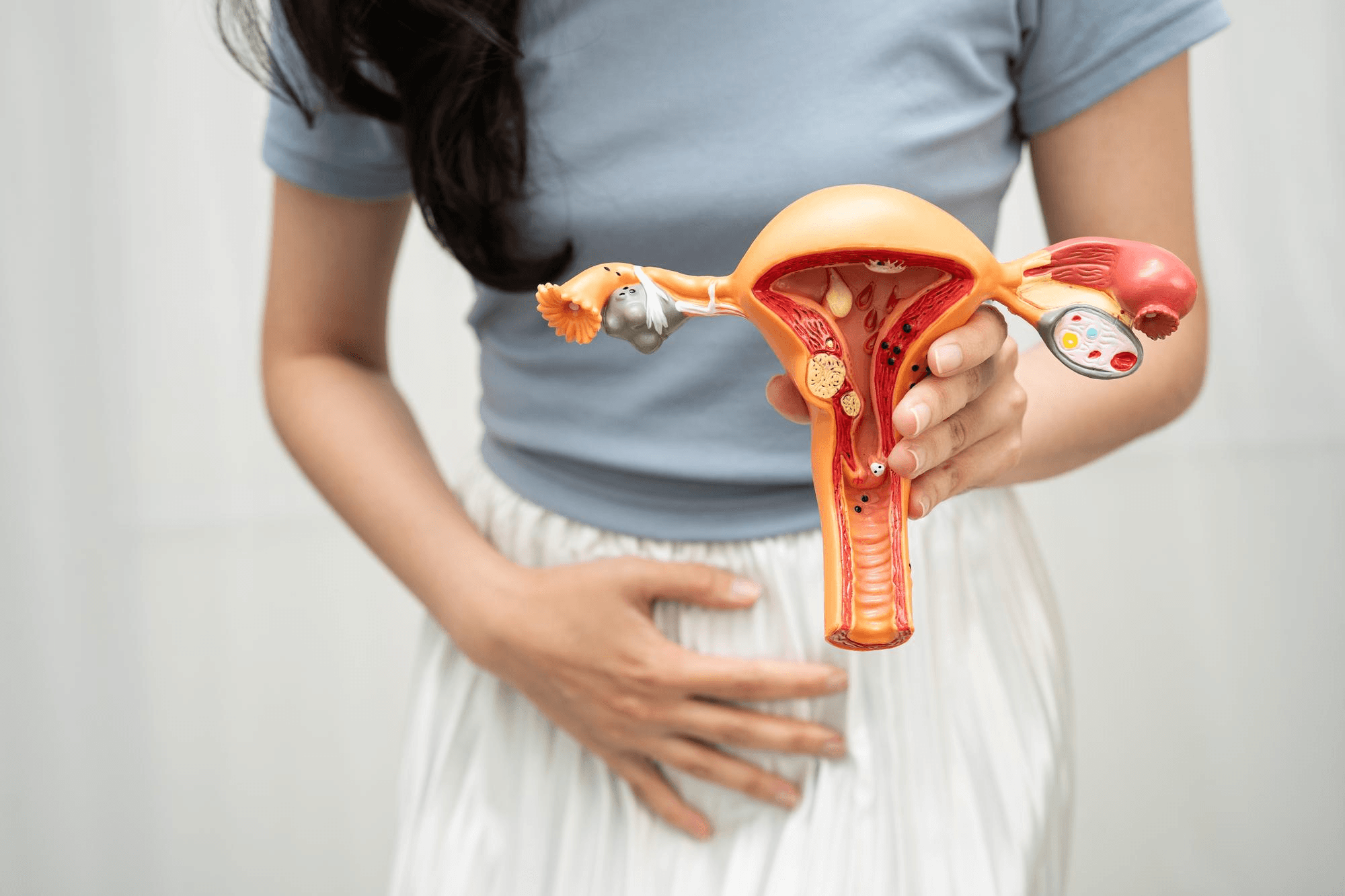
Female showing a model of a uterus and ovaries in anatomical form as she discusses the development of an ovarian cyst and reproductive health.
4. Endometriosis
Endometriosis affects approximately 10 to 15% of reproductive-age women and an estimated 25 to 50% of women with infertility. It impairs fertility through multiple mechanisms: ovarian function (endometriomas affect egg quality), tubal anatomy (adhesions block or distort tubes), uterine receptivity (altered endometrial environment), and inflammatory mediators in the pelvic fluid that affect sperm function and embryo development.
Endometriosis is often diagnosed late — average delay from symptom onset to diagnosis is 7 to 10 years in India. Not all women with endometriosis have severe pain. Some have significant disease with minimal symptoms; others have debilitating pain with minimal visible disease at laparoscopy. Neither presentation predicts the other.
5. Age-Related Decline in Ovarian Reserve
After 35, and more rapidly after 37 to 38, both the quantity and quality of eggs decline. This is biological and not reversible. Anti-Müllerian hormone (AMH) and antral follicle count (AFC) on ultrasound provide the best currently available assessment of ovarian reserve.
Low ovarian reserve does not mean conception is impossible — it means the window is narrower and time matters more. Women with low reserve pursuing natural conception or IUI may find IVF more time-efficient.
6. Unexplained Infertility
When all standard investigations — ovulation confirmed, tubes patent, uterine cavity normal, semen analysis normal — return normal results, the diagnosis is unexplained infertility. This accounts for approximately 15 to 25% of infertility cases.
Unexplained infertility is not "nothing is wrong" — it means the cause is not yet identified with current diagnostic tools. Possible contributing factors include egg quality, sperm-egg interaction at fertilisation, very early embryo development, and subtle implantation issues that standard tests do not capture. Treatment still works — IUI and IVF produce good outcomes in unexplained infertility despite the absence of a specific identified cause.
The Diagnostic Tests — What You Need and Why
A comprehensive fertility evaluation typically includes:
For the woman:
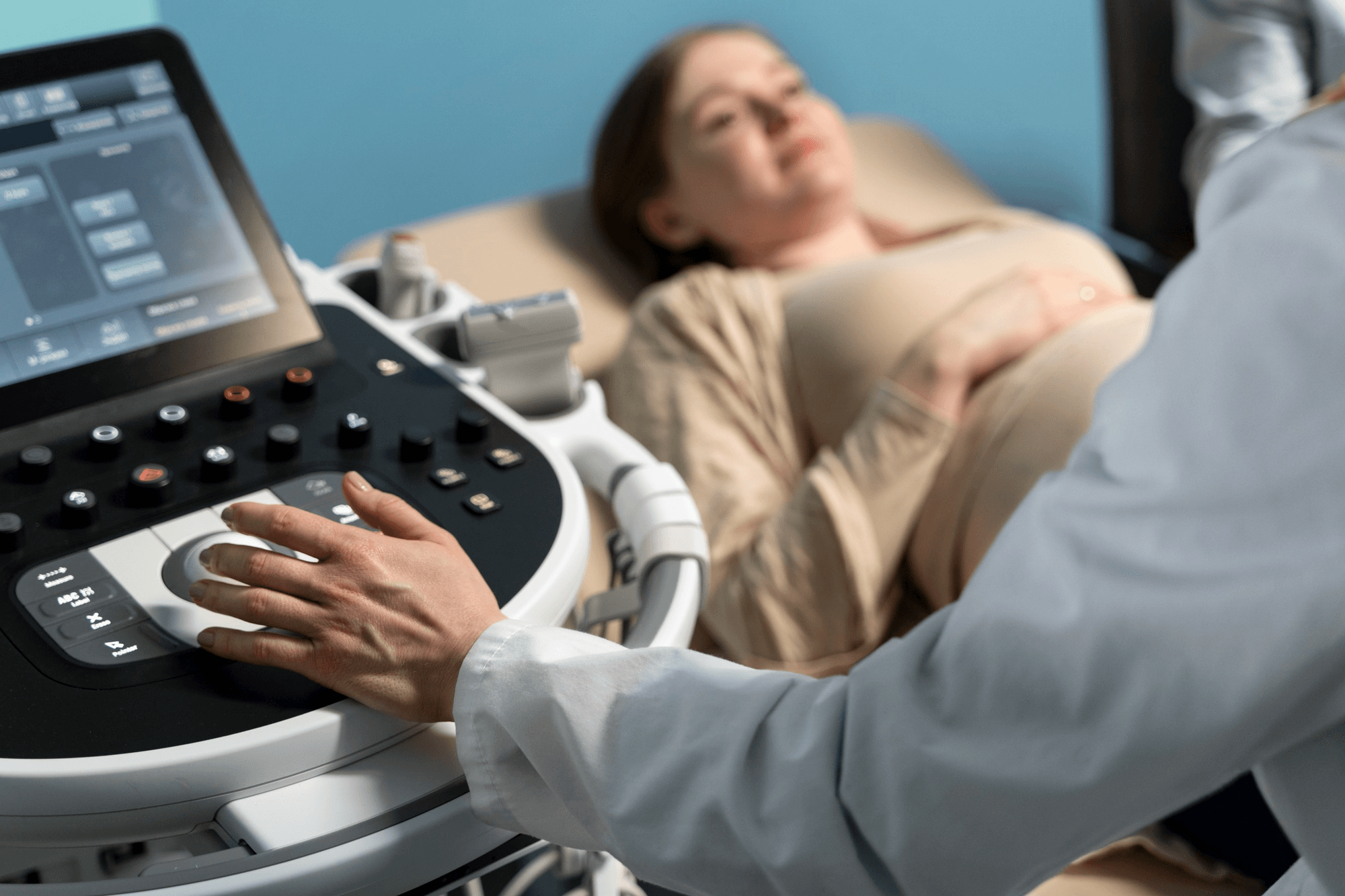
- Transvaginal ultrasound: Assesses ovarian morphology (antral follicle count), ovarian reserve, uterine structure, and presence of fibroids, polyps, or endometriomas
- Hormonal blood panel (Day 2 or 3 of cycle): FSH, LH, oestradiol, AMH (ovarian reserve), prolactin, TSH, testosterone, DHEAS
- Mid-luteal progesterone (Day 21): Confirms whether ovulation occurred
- HSG (Hysterosalpingogram): Assesses tubal patency and uterine cavity
- Fasting glucose and insulin: Assesses insulin resistance, particularly relevant in PCOS
For the male partner:
- Semen analysis: Sperm count, motility, morphology — always done as part of a fertility evaluation. Male factor contributes to 40 to 50% of infertility cases; excluding it early prevents unnecessary investigation and treatment of the female partner alone.
Additional tests are added based on initial findings: laparoscopy if clinical suspicion of endometriosis or tubal disease, hysteroscopy for uterine cavity assessment, genetic testing in recurrent miscarriage, or more detailed hormonal investigations.
Treatment — The Pathway in Practice
Treatment is matched to the diagnosis. There is no single protocol.
1. Ovulation Induction
For women with ovulatory disorders — PCOS, hypothalamic dysfunction, mildly elevated prolactin after treatment — ovulation induction is typically the first step. Oral medications stimulate the ovaries to develop and release an egg. Letrozole is now the preferred first-line agent for PCOS (superior to clomiphene in clinical trials). Treatment is monitored with ultrasound to track follicle development and time intercourse or insemination.
2. Intrauterine Insemination (IUI)
IUI places a prepared sperm sample directly into the uterine cavity at the time of ovulation, bypassing the cervix and reducing the distance sperm must travel. It is most effective in:
- Unexplained infertility
- Mild male factor infertility
- PCOS with adequate ovarian response to medication
- Cervical factor infertility
Success rates per cycle are in the 10 to 20% range for well-selected patients. Most specialists recommend 3 to 4 IUI cycles before reassessing.
3. Surgery
Surgical treatment is used when a structural issue is identified and correctable:
- Laparoscopic removal of fibroids (myomectomy), endometriosis, adhesions, or ovarian cysts
- Hysteroscopic removal of endometrial polyps or uterine septum
- Laparoscopic ovarian drilling for PCOS not responding to medication
- Tuboplasty (repair of fallopian tubes) in selected cases of tubal blockage
Correcting the underlying structural problem before or alongside fertility treatment significantly improves outcomes.
4. IVF (In Vitro Fertilisation)
IVF bypasses the need for functional tubes and natural ovulation entirely. Eggs are retrieved from the ovaries after stimulation, fertilised with sperm in a laboratory, and the resulting embryo is transferred to the uterus. IVF is indicated when:
- Both fallopian tubes are blocked
- Male factor is severe
- Multiple IUI cycles have failed
- Ovarian reserve is low and time is pressing
- Endometriosis is moderate to severe
- Unexplained infertility persists after simpler treatments
Success rates depend heavily on age and ovarian reserve. For women under 35 with good reserve, IVF success rates at reputable centres are in the 40 to 60% range per cycle.
Infertility Treatment in Noida and Greater Noida
Dr. Shachi Singh at Prakash Hospital, Sector 33, Noida, provides comprehensive infertility evaluation and treatment for women across Noida and Greater Noida. Services include the complete diagnostic workup, ovulation induction, IUI, laparoscopic investigation and treatment of structural causes, and coordination of IVF where indicated.
If you have been trying to conceive without success — or if you have a known condition that may affect fertility — a proper evaluation is the first and most important step.
To book a consultation with Dr. Shachi Singh, call: +91 97023 46853
Clinic Hours: Monday to Saturday, 9 AM – 6 PM | Sunday, 10 AM – 2 PM
Clinic Address: D-12A, 12B, Sector-33, G.B. Nagar, Noida, Uttar Pradesh 201301
Frequently Asked Questions
1. How long should I try before seeing an infertility specialist?
Under 35: 12 months of trying. Age 35 to 37: 6 months. Age 38 and above: 3 months or immediately. Earlier evaluation is recommended if you have irregular periods, a known condition like PCOS or endometriosis, or previous reproductive complications.
2. Does infertility always mean I cannot have children?
No. Most infertility is treatable. The specific treatment depends on the cause — ovulatory disorders, tubal issues, uterine problems, and male factor all have targeted treatments with good success rates. Even in cases of low ovarian reserve or significant tubal damage, IVF options exist.
3. Will I definitely need IVF?
Not necessarily. IVF is one option among many. The majority of women who present for infertility evaluation will not require IVF — they may need ovulation induction, IUI, or surgical correction of a structural issue. IVF is reserved for specific situations where simpler treatments are not appropriate or have failed.
4. Does stress cause infertility?
Severe psychological stress can suppress ovulation through its effect on the hypothalamus. This is the biological mechanism behind infertility in women with extreme caloric restriction, overexercising, or acute life crises. However, the everyday stress of trying to conceive — while genuinely difficult — does not physiologically cause infertility in women with normal hormonal function.
5. Should my husband also be evaluated?
Yes — always. Male factor contributes to approximately 40 to 50% of infertility cases. Evaluating only the female partner when conception is not occurring is inefficient and sometimes delays identifying the real problem for months or years. A semen analysis is inexpensive and non-invasive — it should be among the first tests done.
This blog is written for educational and informational purposes only. It is not a substitute for professional medical advice. Please consult Dr. Shachi Singh or a qualified gynaecologist for an assessment specific to your situation.