Breast Soreness Before and During Periods: What's Normal, What's Not, and What Helps

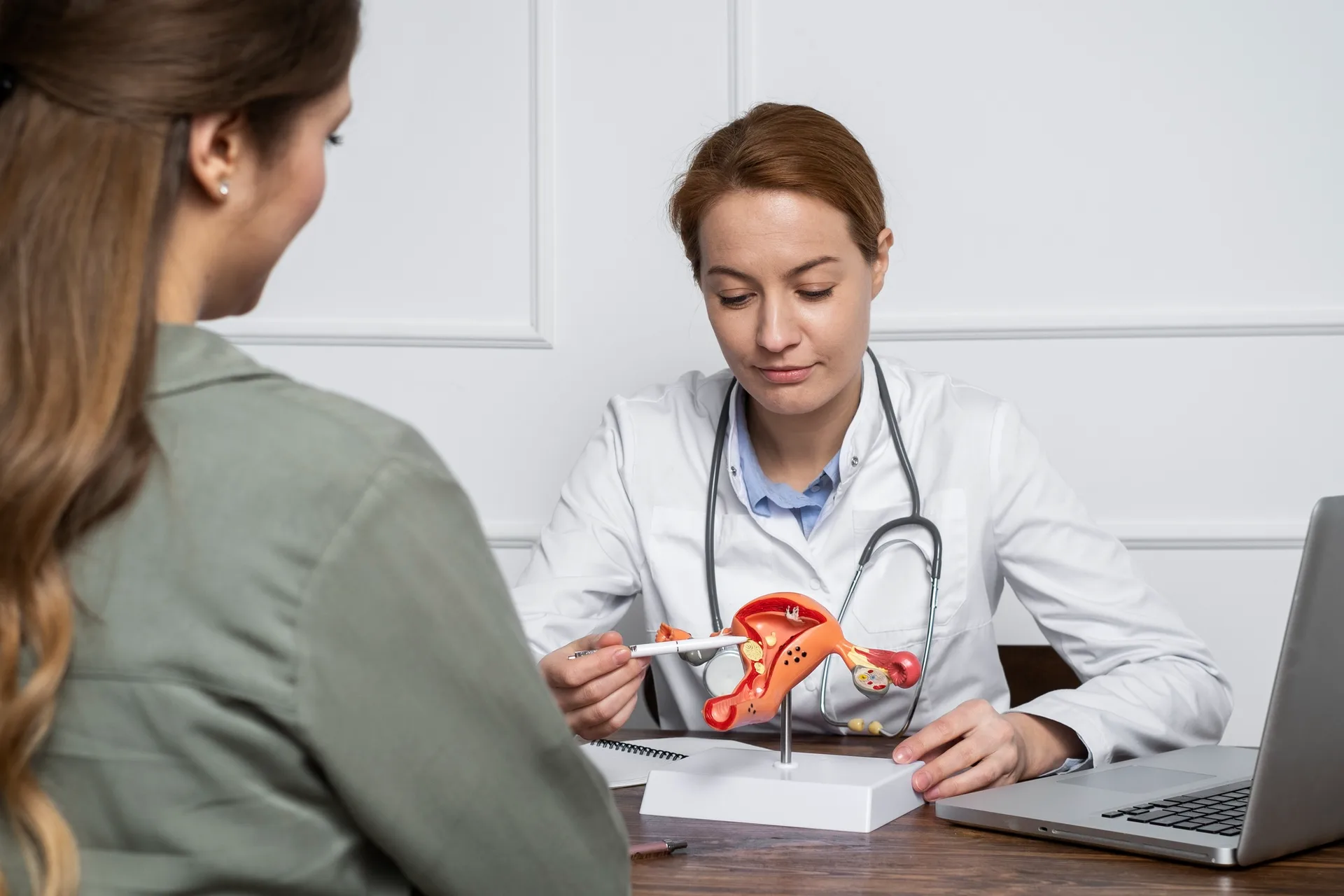
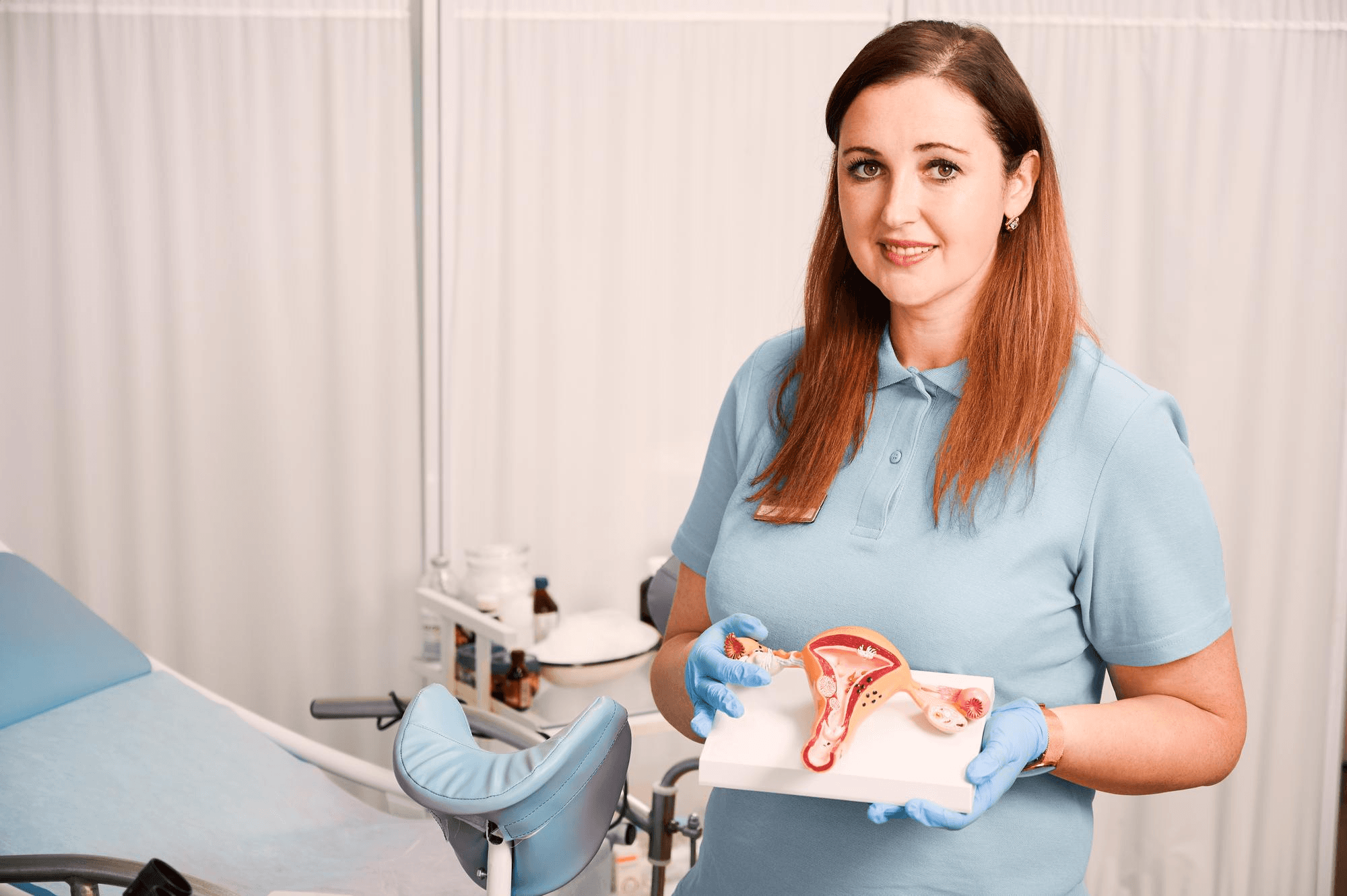
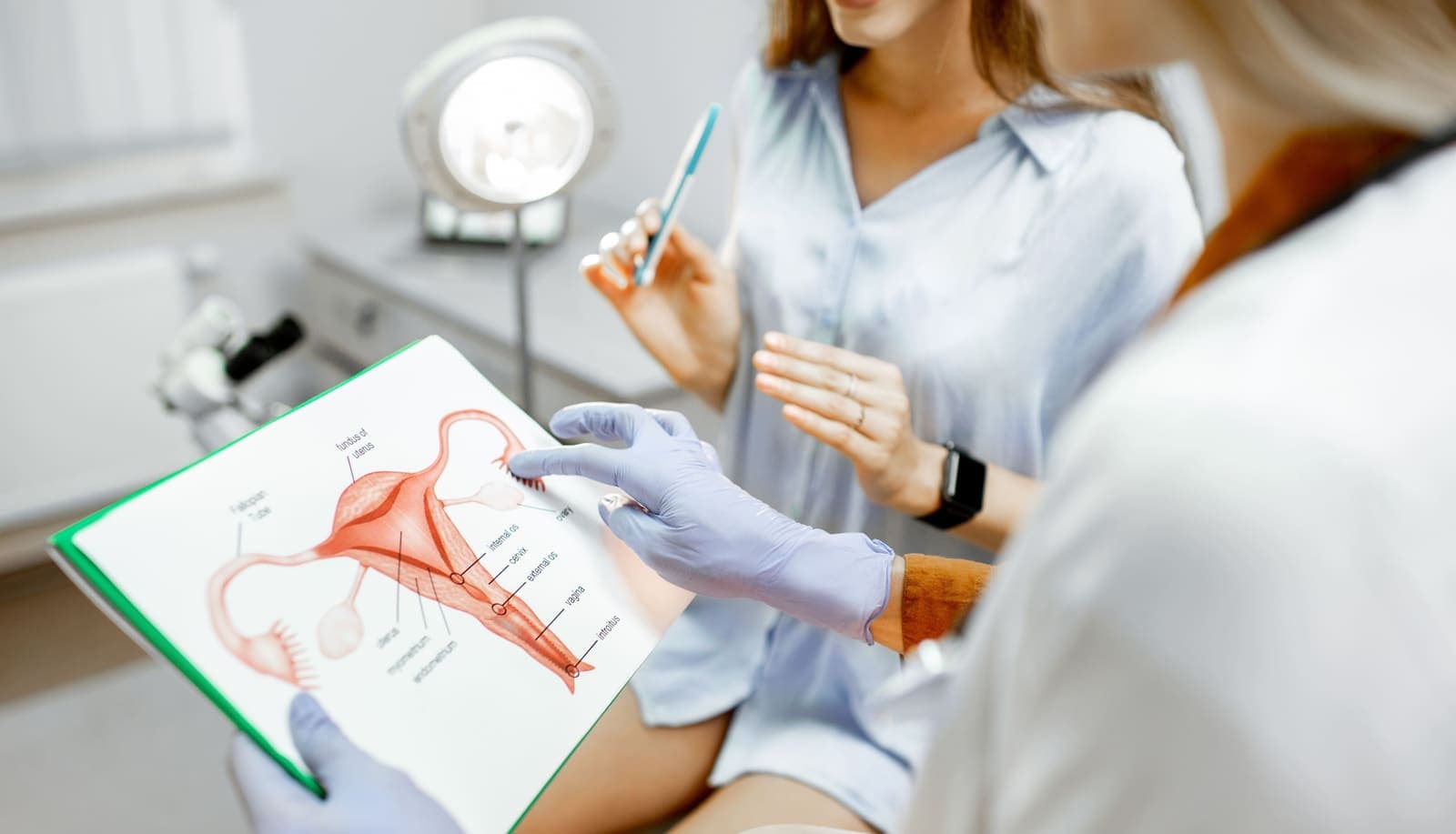
Female doctor stressing the importance of breast health awareness, advocating regular screening, early detection, and preventative care for women's health.
About 70% of women experience breast pain at some point during their reproductive years. The most common pattern — sore, tender, heavy breasts in the week or two before a period, easing once menstruation starts — is called cyclical mastalgia, and it is entirely related to the hormonal changes of the menstrual cycle.
For most women, it is a manageable monthly inconvenience. For some, it is severe enough to affect sleep, make wearing a bra painful, and create anxiety about whether something is wrong. The second group often does not get a proper answer — the pain is noted in passing and attributed to "hormones" without further explanation.
Understanding why it happens, what aggravates it, and when breast pain genuinely warrants a medical examination makes a practical difference.
Dr. Shachi Singh, consultant gynaecologist at Prakash Hospital, Sector 33, Noida, explains cyclical breast pain — the mechanism, the relief, and the red flags.
Why Breasts Become Sore Before Periods
The breasts are hormonally responsive tissue. They contain receptors for oestrogen, progesterone, and prolactin — and they respond to fluctuations in all three throughout the menstrual cycle.
In the first half of the cycle (the follicular phase), rising oestrogen causes the breast ducts to enlarge. You may notice mild breast fullness around ovulation. After ovulation, in the luteal phase, progesterone rises significantly — stimulating the milk glands (lobules) in the breast to enlarge in preparation for potential pregnancy. Prolactin may also rise slightly in the late luteal phase.
These combined hormonal effects cause the breast tissue to swell, retain fluid, and become more sensitive. The nerve endings in breast tissue that are normally quiescent become more easily activated — which is why even gentle pressure or the friction of a bra can produce pain.
When progesterone and oestrogen drop as the period approaches (because no pregnancy has occurred), the breast tissue reversal process begins — and the pain typically eases within a day or two of menstruation starting.
The pain pattern is predictable: begins in the upper outer quadrant of both breasts (the area with the most glandular tissue), feels dull, heavy, or aching, and comes and goes with the cycle. This is what distinguishes it from non-cyclical breast pain, which does not follow the menstrual cycle.
What Cyclical Mastalgia Feels Like
The characteristics of hormonal cyclical breast pain:
- Typically affects both breasts, though one side may be more affected
- Most intense in the upper outer quadrant and armpit area
- Aching, heavy, or throbbing quality — not typically sharp
- Begins 1 to 2 weeks before menstruation and eases once bleeding starts
- May be accompanied by breast swelling or lumpiness that also resolves after the period
- Can radiate to the armpit
- Sometimes so tender that close contact — a hug, a tight bra, lying on the stomach — is uncomfortable
The lumpiness that some women feel premenstrually is not a mass — it is the swollen glandular tissue of the normal premenstrual breast response. This premenstrual lumpiness is not the same as a discrete breast lump and resolves after the period.
Is This Breast Pain a Sign of Cancer?
This is the question that most women are not asking out loud but are thinking. The short answer is no — cyclical breast pain that follows the menstrual cycle is not a sign of breast cancer.
Breast cancer very rarely presents with pain as an early symptom. Early breast cancer is much more commonly found as a painless lump, skin change, or nipple change — not as predictable monthly cyclical pain.
That said, any new breast pain that is persistent, that does not follow the cyclical pattern, or that is accompanied by a lump, skin changes, nipple discharge, or dimpling deserves examination. The category of breast pain that is concerning is non-cyclical pain — pain that does not ease after the period, pain in a specific localised spot regardless of where in the cycle you are, or pain with any other associated finding.
Cyclical pain, following the menstrual cycle, without any associated lump or skin change — is benign in the vast majority of cases.
What Makes It Worse
Caffeine: A significant aggravator for many women. Caffeine affects methylxanthine receptors in breast tissue and increases breast sensitivity. Reducing or eliminating caffeine — from chai, coffee, cola, and chocolate — in the 2 weeks before the period reduces cyclical breast pain in a clinically meaningful proportion of women. This is worth trying before reaching for any medication.
Poorly fitting bra: A bra that does not adequately support the breast allows movement and friction that increases discomfort during the premenstrual phase. Wearing a well-fitting, supportive bra — including at night during the worst of the pain — reduces discomfort significantly.
High-fat diet: Some research suggests that a high-fat diet may amplify hormonal effects on breast tissue, potentially worsening cyclical pain. Reducing saturated fat and increasing fibre during the premenstrual phase may help.
Hormonal contraceptives: Some women notice that the combined oral contraceptive pill triggers or worsens breast soreness — the exogenous oestrogen and progestin can amplify the breast tissue response. In others, the pill reduces cyclical pain by creating a more stable hormonal environment. If breast soreness worsened after starting the pill, this is worth discussing with your gynaecologist.
Caffeine and salt before the period: Both aggravate the fluid retention component of premenstrual breast swelling. Reducing both in the premenstrual week has a practical effect on breast fullness and tenderness.
What Helps
1. Wear the Right Bra
The most immediately effective practical step. A well-fitting, supportive bra — possibly a sports bra during the premenstrual week — reduces movement and friction and makes a noticeable difference to discomfort. Getting a proper bra fitting (not guessing the size) is genuinely useful.
2. Reduce Caffeine Before Your Period
Cut down on chai, coffee, and chocolate in the 2 weeks before your period. Not everyone will see dramatic improvement, but for the 30 to 40% of women who are caffeine-sensitive, this single change can dramatically reduce cyclical breast pain. Give it 2 to 3 cycles to assess the effect.
3. Topical NSAIDs
Topical diclofenac gel applied to the breasts reduces cyclical breast pain in clinical studies with fewer systemic side effects than oral NSAIDs. It works by reducing local prostaglandin-driven inflammation in the breast tissue. Available over the counter and safe for premenstrual use in most women.
4. Evening Primrose Oil
Contains gamma-linolenic acid (GLA), which may modulate the hormonal response in breast tissue. Some clinical studies show modest benefit for cyclical mastalgia. It needs to be taken for several cycles (2 to 3 months) before effect is seen. Considered generally safe for most women and widely used for premenstrual symptoms.
5. Oral NSAIDs
Standard anti-inflammatories (ibuprofen, mefenamic acid) taken during the pain phase reduce premenstrual breast pain. Mefenamic acid is specifically licensed for premenstrual pain in many countries.
6. Vitamin E
Some evidence supports Vitamin E supplementation (400 IU daily) for reducing cyclical mastalgia. The mechanism is not fully established. Generally safe at standard doses.
7. Reduce Salt and Fluid Retention
The swelling component of premenstrual breast soreness is partly fluid. Reducing sodium intake and increasing potassium in the premenstrual week reduces premenstrual fluid retention in breast tissue alongside the abdominal bloating reduction.
8. Heat or Cold
Warm compress or gentle heat applied to the breasts provides local muscle relaxation and pain relief. Some women prefer a cold compress — experimenting with both is fine. This is a comfort measure rather than a treatment for the underlying mechanism.
When Breast Pain Needs a Doctor

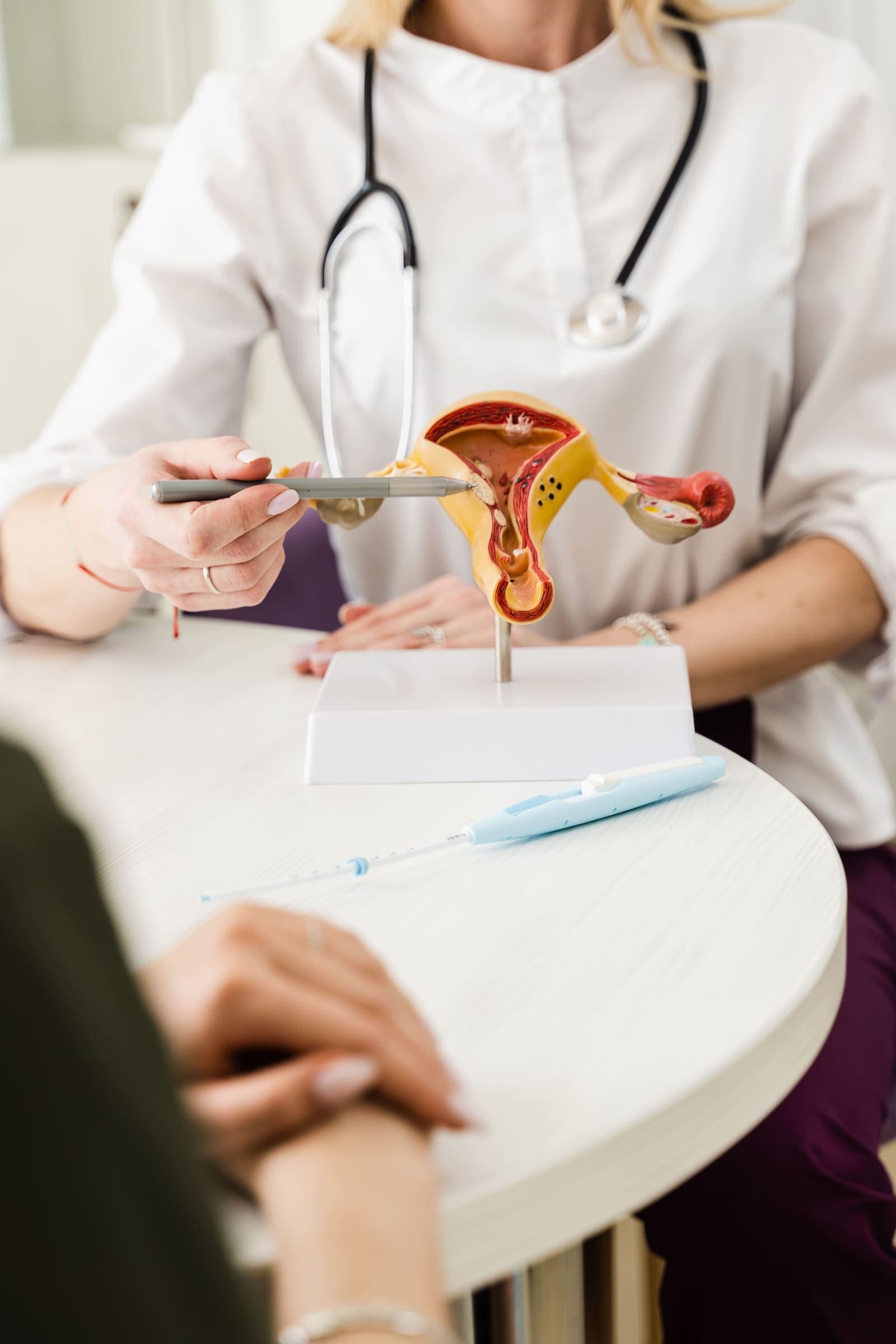
The doctor offering consultation to woman for breast pain.
Cyclical breast pain that follows your menstrual cycle reliably, eases after the period, and has no associated findings is benign in the vast majority of cases. You should see a doctor if:
- The pain is non-cyclical — pain that does not ease after the period, that occurs in a specific spot regardless of cycle phase
- You find a lump — a discrete, persistent mass that does not vary with the menstrual cycle
- The pain is in one spot only — particularly a localised, pinpoint tender area that persists
- You have nipple changes — discharge (particularly bloodstained), inversion, or skin changes around the nipple
- The pain is severe enough to be affecting daily functioning and not responding to lifestyle adjustments and topical treatment
- You are over 40 and have new-onset breast changes — a clinical breast examination and mammogram (or ultrasound for younger women) is warranted
For women with severe cyclical mastalgia not responding to conservative measures, specialist hormonal treatment (danazol, tamoxifen) exists but is reserved for significant cases due to side effects.
Gynaecological Care in Noida and Greater Noida
Dr. Shachi Singh at Prakash Hospital, Sector 33, Noida, provides gynaecological assessment for breast symptoms in the context of menstrual cycle health, PCOS, hormonal imbalance, and contraceptive management for women across Noida and Greater Noida. For breast lumps and specialist breast concerns, she coordinates referral to appropriate breast surgery services.
To book a consultation with Dr. Shachi Singh, call: +91 97023 46853
Clinic Hours: Monday to Saturday, 9 AM – 6 PM | Sunday, 10 AM – 2 PM
Clinic Address: D-12A, 12B, Sector-33, G.B. Nagar, Noida, Uttar Pradesh 201301
Frequently Asked Questions
1. Is it normal to have very sore breasts before every period?
Yes — cyclical mastalgia affects approximately 70% of women at some point. Regular premenstrual breast soreness that follows the menstrual cycle and resolves once bleeding starts is a normal hormonal response. It becomes a concern only if it is severe enough to affect daily life (warranting treatment), or if any non-cyclical features develop.
2. Can the contraceptive pill help with breast soreness?
It depends on the individual. Some women find the combined pill reduces cyclical breast pain by stabilising the hormonal cycle. Others find it worsens their breast symptoms. If breast soreness worsened after starting the pill, this is worth discussing with your gynaecologist — a different pill formulation or a progestin-only alternative may suit you better.
3. Is evening primrose oil safe to take for breast pain?
Evening primrose oil is generally considered safe for most women at standard doses. It needs to be taken for 2 to 3 cycles to assess its effect. Do not take it if you are pregnant or breastfeeding without medical guidance.
4. Can breast pain before periods indicate PCOS?
PCOS can cause hormonal imbalances that amplify premenstrual symptoms including breast soreness. Women with PCOS who have significant PMS symptoms alongside irregular cycles warrant a full hormonal evaluation.
This blog is written for educational and informational purposes only. Please consult Dr. Shachi Singh or a qualified gynaecologist for assessment specific to your symptoms.