Genitourinary Syndrome Of Menopause (GSM): Symptoms, Causes, And New Treatments

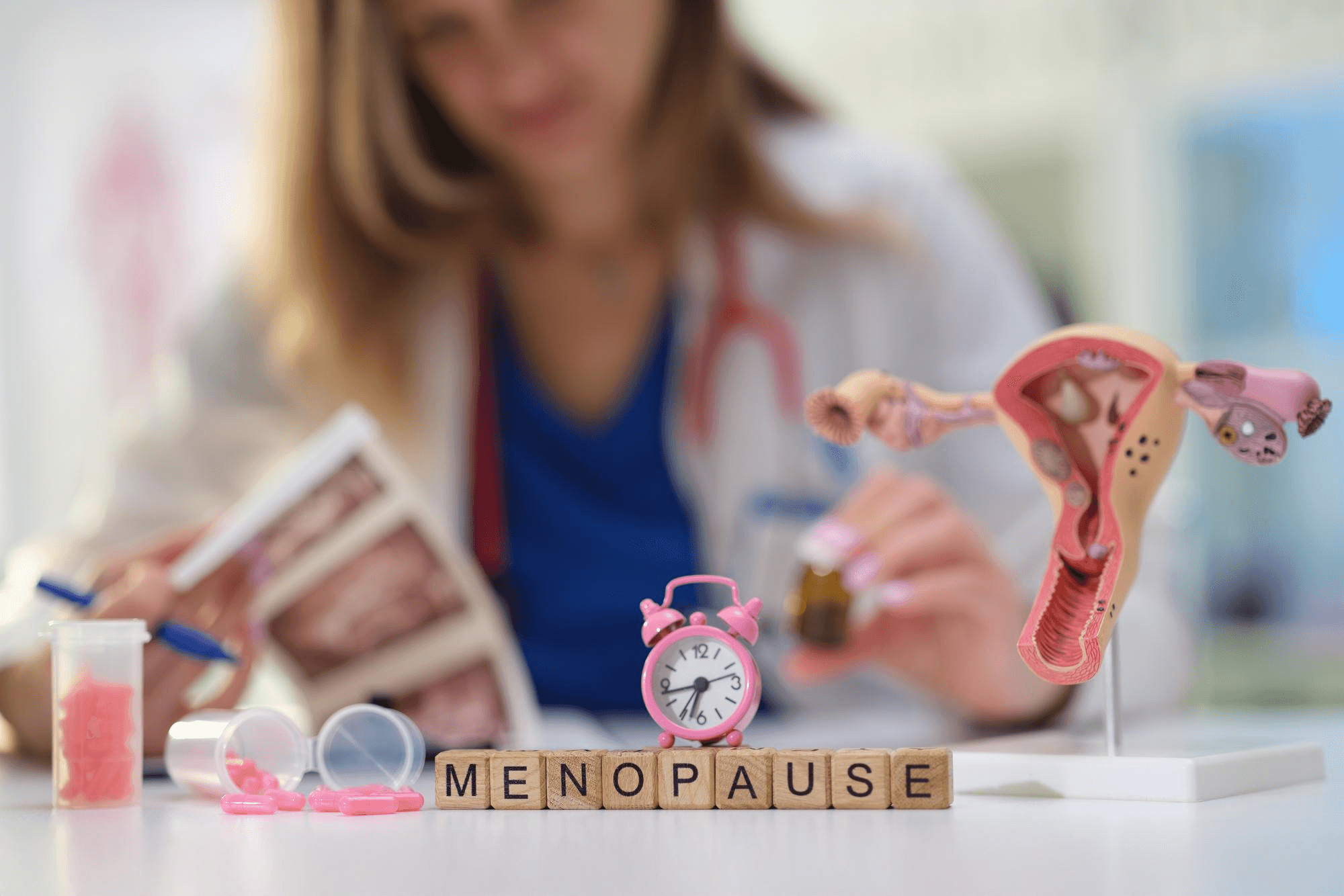
Mature women holding a sign that says menopause, shows the importance to health communication and discussions.
Natural process, problematic outcomes. Menopause can be a smooth transition in life, but not necessarily when it comes to intimate life and bladder health. Many women will develop symptoms of dryness, itching, vaginal soreness, burning, ng and bladder problems after they've stopped having their periods. This condition is referred to as Genitourinary Syndrome of Menopause (GSM) and results from falling estrogen levels that cause vaginal and bladder issues.
GSM is very common,n but many women are unaware that it is a diagnosable condition and there are effective solutions. The positive aspect is that the awareness of GSM is slowly but surely growing, and it is easier than ever for women to get proper treatments and alleviate their symptoms to feel like themselves again.
What Is Genitourinary Syndrome Of Menopause (GSM)?
The Genitourinary Syndrome of Menopause (GSM) is a chronic condition affecting the vulva, vagina, and distal urinary tract that is primarily caused by a deficiency of estrogen and is the second most common symptom of menopause.
Estrogen maintains the thickness, elasticity, vascularity, and lubrication of these structures; a lack of estrogen leads to thinning and desiccation of the vaginal epithelium, which can cause symptoms such as vaginal dryness, itching, burning, and dyspareunia. Urinary symptoms consist of frequency, urgency, recurrent UTIs, and minor incontinence. GSM is a progressive and untreatable condition, but it is managed by estrogen and nonestrogenic treatments adapted to the patient.
Common Symptoms Of Genitourinary Syndrome Of Menopause (GSM)
Symptoms are similar for most women experiencing GSM and range in severity. Symptoms commonly experienced include:
1. Vaginal Dry And Sore
As estrogen levels fall, vaginal dryness and soreness become noticeable. Vaginal tissues become thinner and more fragile, which causes burning and irritation. A tight sensation in the vagina may also be noted.
2. Pain During Intercourse
Painful intercourse or dyspareunia occurs with a light bleed in many women because vaginal tissues are brittle.
3. Changes In Urination
GSM also affects the urinary tract and leads to burning or pain during urination. An increased urge to urinate and urgency occur.
4. Urinary Incontinence And Infections
Women with a GSM may also leak urine during cough or sneeze, or a sudden, urgent need to urinate. Women are prone to repeated urinary tract infections because tissue support becomes weak.
5. Effects On Lifestyle
These symptoms can prevent a woman from enjoying daily life. Sitting, walking, exercising, sex, and a variety of other life events are painful. They cause emotional embarrassment and suffering.
Why Does Genitourinary Syndrome Of Menopause (GSM) Occur?

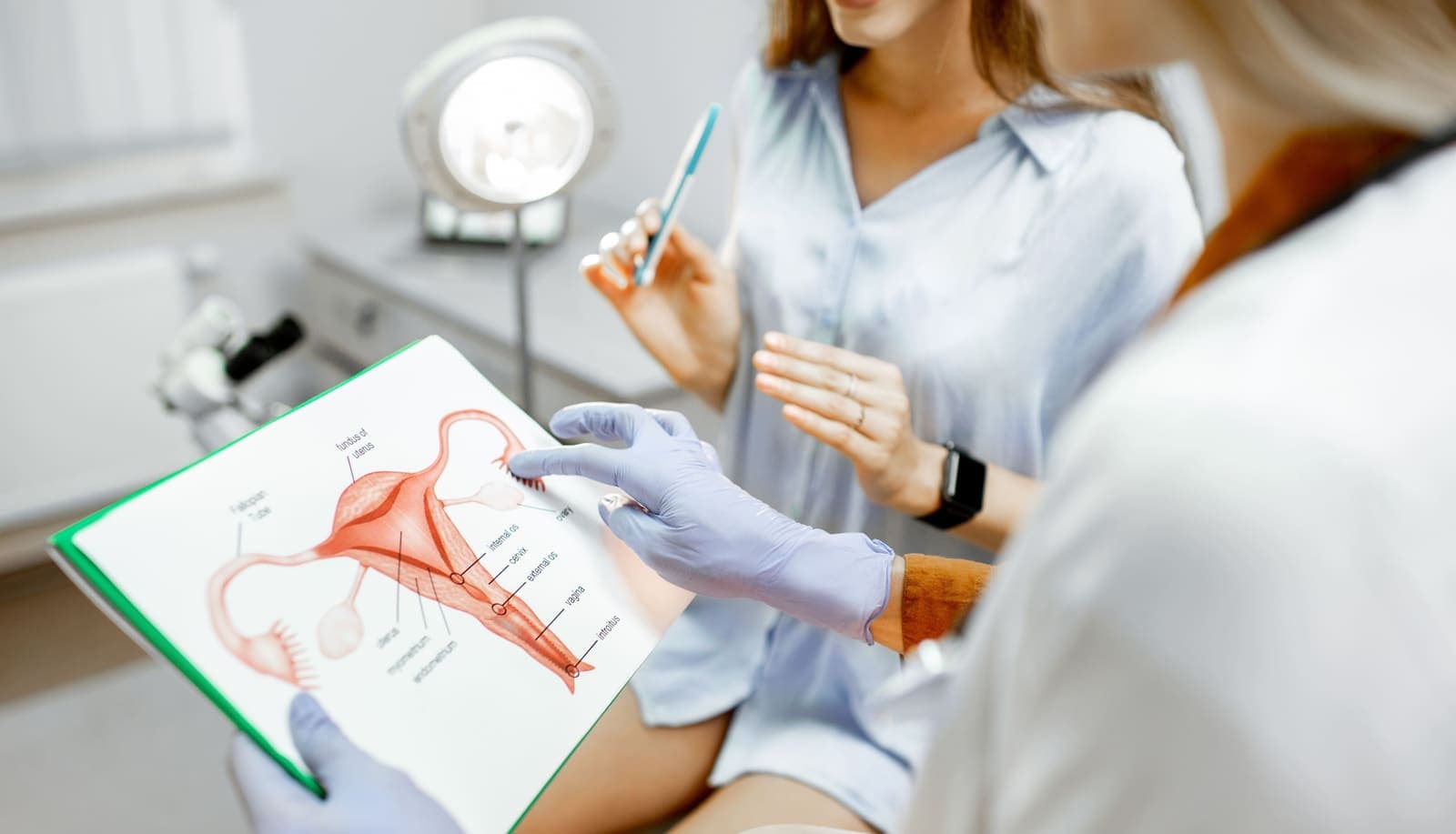
A gynecologist consults with a patient regarding the issue of menopause.
1. A Drop In Estrogen Levels
The primary cause of GSM is a drop in estrogen, a hormone produced by the ovaries. Estrogen maintains the moisture, thickness, elasticity, and strength of the tissues lining the vagina and urinary tract, and maintains the natural vaginal balance of healthy bacteria, protecting it from infections.
2. Changes That Occur At Menopause
The natural decrease in estrogen levels that takes place as you approach menopause causes thinning, dryness, increased sensitivity of the vaginal tissues, and can make your bladder more reactive, contributing to urinary frequency, discomfort, or urine loss.
3. Other Causes Of Reduced Estrogen Levels
A drop in estrogen levels may occur for a reason other than the menopause; for instance, it may occur following:
* Treatment for breast or pelvic cancer
* A hysterectomy is when both ovaries are removed at the same time.
* Treatment with hormone-changing drugs
* Breastfeeding.
Treatment For Genitourinary Syndrome Of Menopause (GSM)
GSM is a chronic condition that typically doesn’t resolve without treatment. The management of symptoms and an increase in quality of life can be achieved through various treatment modalities.
Hormonal Treatments
1. Local (Vaginal) Estrogen Therapy
A low-dose estrogen formulation is administered locally to the vagina, delivered through vaginal creams, vaginal tablets, or vaginal rings. These options help replace and restore the thinning, dry vaginal mucosa to adequate thickness and elasticity.
Because it is absorbed locally, estrogen uptake into the systemic circulation is minimal, and for many women this is a preferred and safe treatment option. It may also reduce the recurrence of Urinary Tract Infections. Medical consultation is required for use, particularly in patients with a history of hormone-sensitive conditions.
2. Systemic Hormone Therapy (HRT)
This is estrogen delivered to the entire body, in pill, patch, or gel form. While it is mainly used to treat wider menopausal symptoms such as hot flashes or bone loss, some degree of relief from GSM symptoms may also be achieved.
Non-Hormonal Treatments
1. Moisturisers And Lubricants
Moisturising can be used daily to keep the vagina moist. Lubricating agents can be used when having sexual intercourse to prevent discomfort.
2. Pelvic Muscle Exercises
A specific program of exercises can tone up the pelvic floor muscles, enhance bladder control, and prevent urinary leak.
3. Lifestyle Changes
Bladder irritants should be avoided, and adequate intake of water should be encouraged, together with appropriate toilet habits.
Final Thoughts
Genitourinary Syndrome of Menopause (GSM) is an issue that affects many women but is not widely recognized and can impact a woman’s comfort, confidence, and her overall sense of well-being and quality of life. While it is a long-term condition, it is very manageable with a course of treatments, both hormonal and non-hormonal.
With prompt identification and treatment, further damage and worsening of symptoms can be prevented, and the affected women may retain an active and fulfilling life. Women need to discuss with their healthcare provider in order to find a suitable treatment plan. The increase in understanding and treatments will mean that women will no longer have to suffer this in silence and have their sexual well-being under their own control.
Expert Care With Dr. Shachi Singh

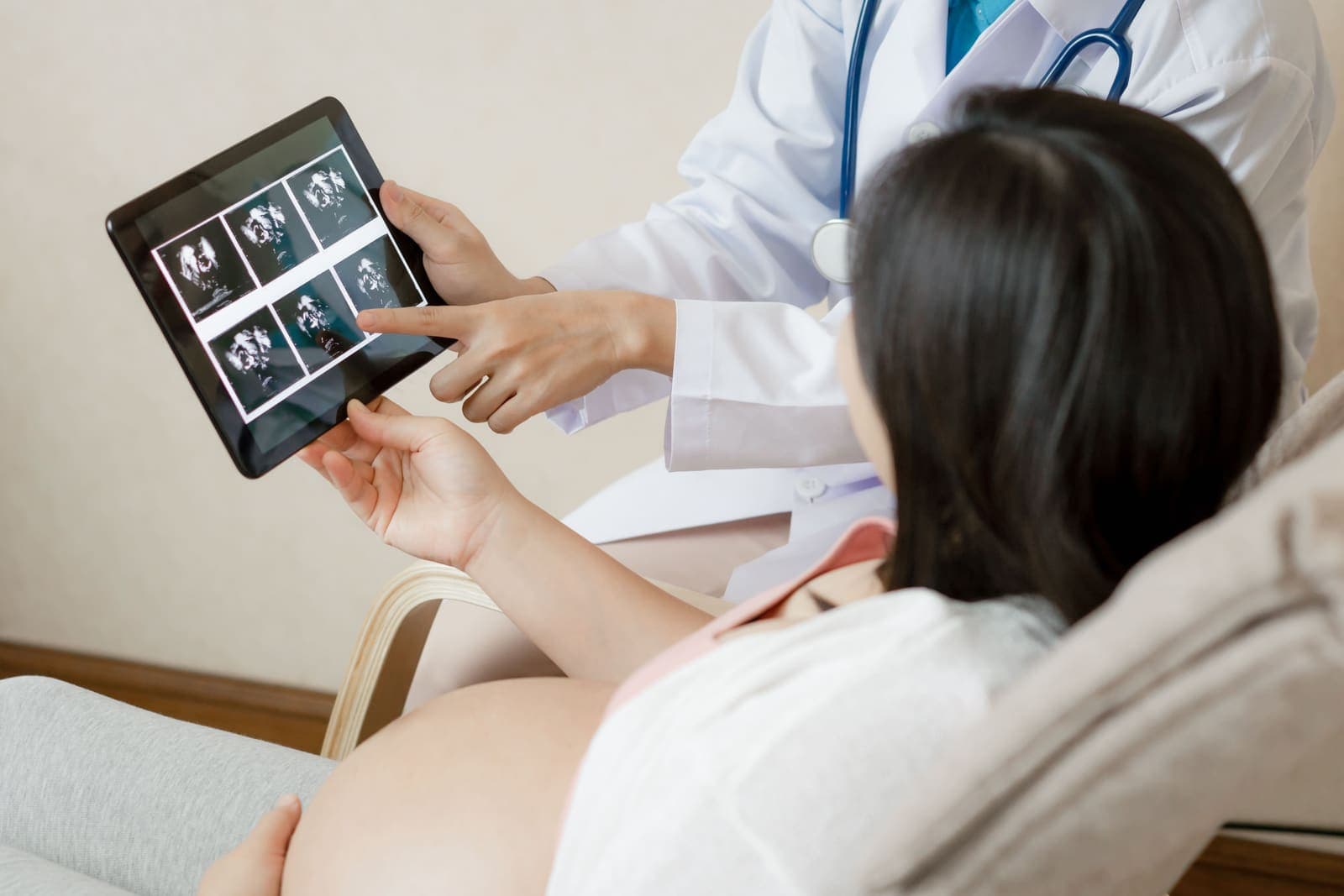
Health issues related to menopause being explained to a patient during the visit.
If you're suffering from any of the above symptoms of Genitourinary Syndrome of Menopause, the expertise of the right doctor can make a world of difference. The senior consultant Gynecologist in Noida, Dr. Shachi Singh, offers personalized and caring management of the specific gynecological needs of women. With over 15 years of clinical experience and a specialized interest in laparoscopic surgery, she provides advanced, minimally invasive management for various gynecological issues.
Women in Noida and in and around Delhi NCR depend on her skills to get timely and accurate treatment for all their needs. Schedule a consultation to get to know the symptoms and causes, and manage your G.S.M. More efficiently.
Frequently Asked Questions (FAQs)
1. Can genitourinary syndrome be cured?
GSM cannot be cured, but symptoms are very manageable with hormonal and non-hormonal treatments, which promote healthy tissue growth and improve comfort.
2. Who can treat genitourinary syndrome?
Genitourinary syndrome is treated by gynecologists, urogynecologists, or urologists who have experience with menopause and lower urinary tract conditions in women.
3. When is the severity of genitourinary syndrome the worst?
Symptoms appear to be the worst in the postmenopause stage, where the duration of estrogen deficiency and subsequent thinning of urogenital tissues and vaginal tissues are the highest.
4. Can genitourinary syndrome be reversed?
Although a complete reversal of genitourinary syndrome is not seen unless a woman is receiving ongoing treatment and management, early intervention may somewhat reverse urogenital and vaginal tissue changes by restoring some flexibility and moisture.