Endometriosis: What It Is, Why It Goes Undiagnosed, and What Treatment Actually Looks Like

A woman is experiencing immense abdominal pain during menstrual cycle.
Endometriosis affects an estimated 42 million women in India. It is the "missed disease" — a condition that causes debilitating pain for years and yet takes an average of 7 to 14 years to diagnose from the time symptoms begin. Women are told their pain is normal. Everyone has difficult periods. That marriage and childbirth will fix it. That they are being dramatic.
They are not. Endometriosis is a real, chronic, inflammatory disease with documented effects on quality of life, fertility, and mental health. And it is diagnosable, and in most cases, manageable — once someone takes the symptoms seriously enough to investigate them properly.
Dr. Shachi Singh, consultant gynaecologist and laparoscopic surgeon at Prakash Hospital, Sector 33, Noida, has performed laparoscopic endometriosis surgery for women across Noida and Greater Noida. This guide explains what endometriosis is, why it remains so dramatically underdiagnosed in India, how to recognise it, and what the full range of treatment options looks like.
What Endometriosis Is
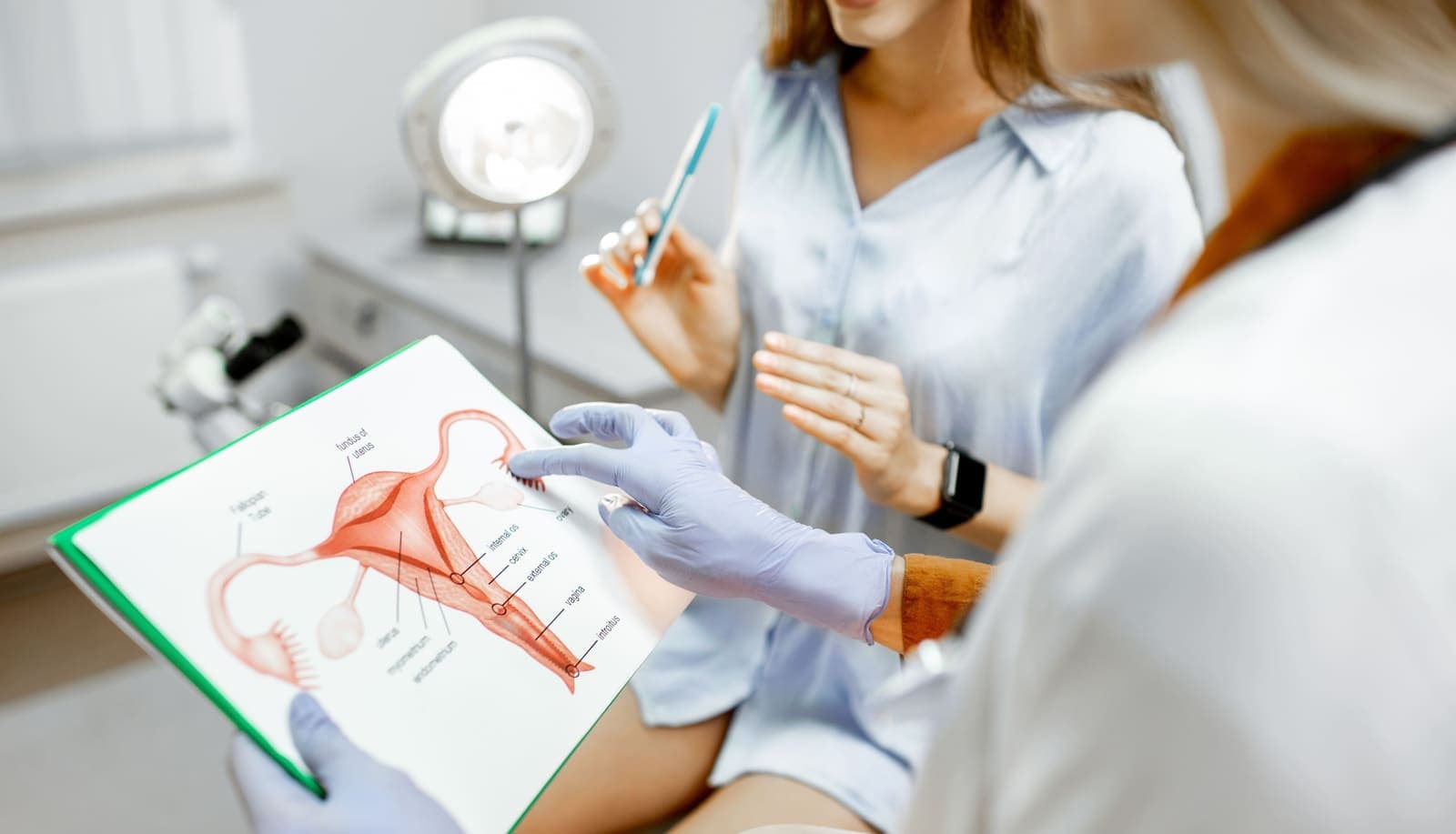
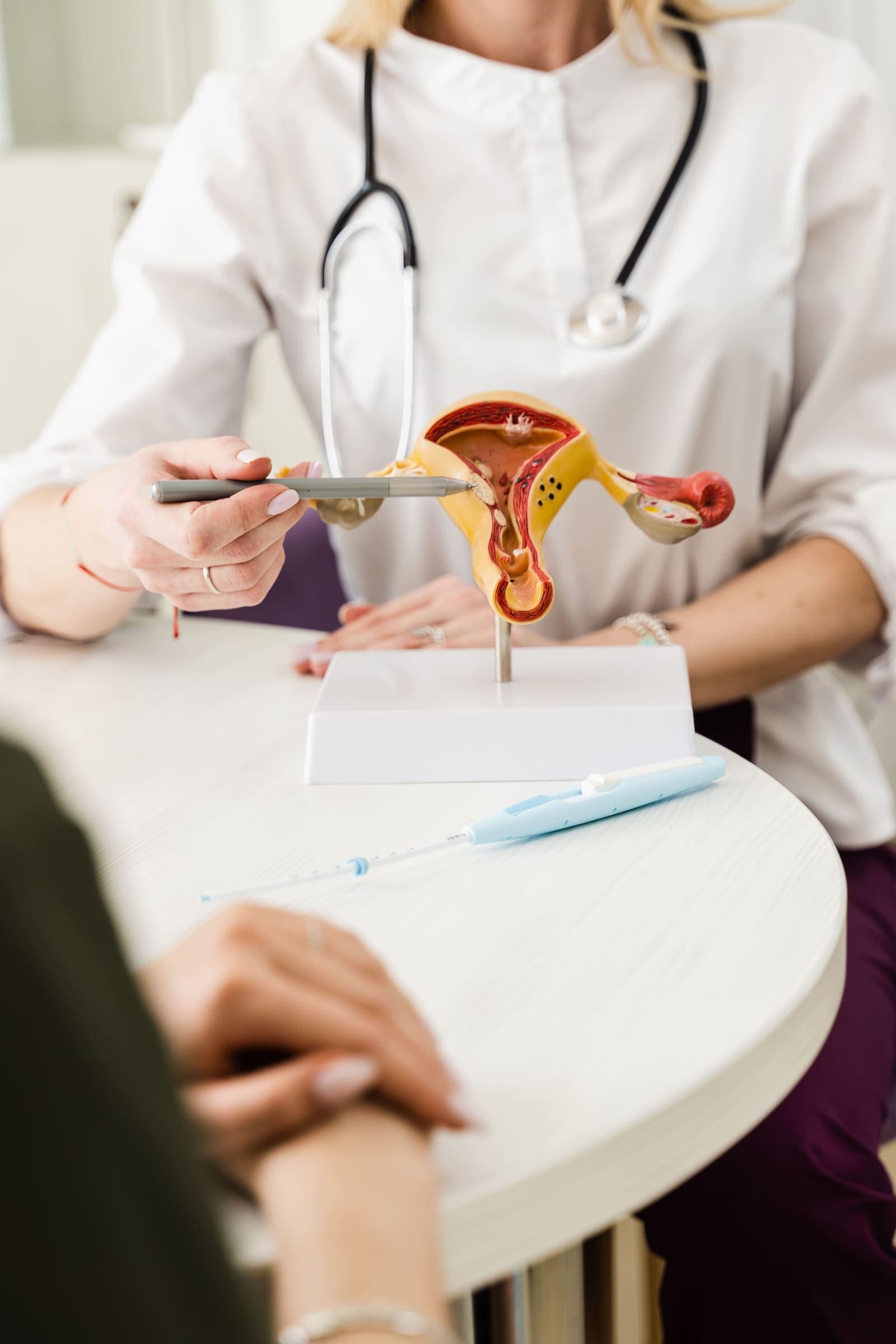
Endometriosis occurs when tissue similar to the endometrium — the lining of the uterus — grows outside the uterus. These deposits of misplaced endometrial-like tissue most commonly develop on:
- The ovaries (forming "chocolate cysts" or endometriomas — cysts filled with old blood)
- The fallopian tubes
- The pelvic peritoneum (the lining of the pelvic cavity)
- The space between the uterus and rectum (the Pouch of Douglas)
- The bowel surface, bladder, or in deep infiltrating endometriosis, within these organs themselves
This tissue responds to hormonal cycles just as the uterine lining does — it thickens and bleeds each month. But unlike the uterine lining, which sheds through the cervix as a period, endometriotic deposits have no outlet. The result is inflammation, scarring, and the formation of adhesions (bands of scar tissue that can bind organs together) with each menstrual cycle.
Endometriosis is an oestrogen-dependent condition — it grows under the influence of oestrogen and regresses in its absence. This is why it is a condition of the reproductive years, and why menopause typically (though not always) brings symptom relief.
Why Endometriosis Goes Undiagnosed in India — for Years
The average diagnostic delay from symptom onset to diagnosis in India is 7 to 14 years. The reasons are multiple and deeply embedded:
Menstrual pain is normalised: The most common symptom of endometriosis — painful periods — is so widely considered normal that most girls and women with endometriosis are told from the very beginning that their pain is "just how periods are" and that everyone experiences this. This normalisation prevents the symptom from being investigated.
Cultural barriers to discussing gynaecological symptoms: In many Indian families and communities, conversations about periods, pelvic pain, and reproductive health are actively discouraged. Women learn early not to raise these symptoms — creating a private suffering that delays help-seeking significantly.
Limited awareness among general healthcare providers: Endometriosis is not reliably excluded by standard blood tests or routine ultrasound. A doctor who is not specifically thinking about endometriosis — or who cannot offer or refer for laparoscopy — will frequently miss it.
Misdiagnosis: The symptoms of endometriosis overlap with irritable bowel syndrome (IBS), appendicitis, ovarian cysts, and other pelvic conditions. Many women spend years being treated for digestive disorders before endometriosis is considered.
The consequence of this diagnostic delay is significant: fertility is affected progressively as endometriosis advances. Adhesions form. Ovarian endometriomas reduce egg quality. Women who might have been helped years earlier arrive at fertility clinics with significantly more advanced disease.
Symptoms of Endometriosis — What to Recognise
Dysmenorrhoea — Painful Periods
Severe menstrual cramping that is disproportionate to what most women around you experience. This is the cardinal symptom. The pain of endometriosis-related dysmenorrhoea is characteristically:
- Severe enough to affect daily functioning — missing school or work, being unable to perform normal activities
- Worsening progressively with each cycle — not the same level for years, but clearly getting worse over time
- Not adequately managed by standard over-the-counter pain relief (ibuprofen, mefenamic acid)
- Beginning before the period starts, not just at its onset
Chronic Pelvic Pain
Pain that is not exclusively related to the menstrual cycle but present throughout the month, varying in intensity. Described as a dull ache, pressure, or heaviness in the lower abdomen and pelvis. Can coexist with cycle-specific pain or exist independently.
Dyspareunia — Pain During or After Sex
Pain during or after sexual intercourse, particularly with deep penetration. This is characteristic of endometriosis involving the Pouch of Douglas or the uterosacral ligaments. It is one of the most specific symptoms for endometriosis and one of the least frequently volunteered — because it sits at the intersection of pain, intimacy, and embarrassment.
Dyschezia — Painful Bowel Movements
Pain during bowel movements, particularly at menstruation. This occurs when endometriosis involves the rectosigmoid region or the Pouch of Douglas, and the inflammatory deposits are irritated by bowel contractions. This symptom is frequently attributed to IBS and investigated as a digestive disorder.
Dysuria — Pain on Urination
When endometriosis involves the bladder or ureters, painful urination — particularly cyclically at menstruation — can occur.
Premenstrual Spotting
Spotting of blood in the 2 to 5 days before a period begins. Associated with endometriosis-related hormonal disruption.
Infertility
Endometriosis is found in 25 to 50% of women investigated for infertility. It impairs fertility through multiple mechanisms — altered pelvic anatomy from adhesions, ovarian endometriomas reducing egg quality, inflammatory pelvic fluid affecting sperm and embryo function, and impaired uterine receptivity.
Many women have no significant pain symptoms but are diagnosed with endometriosis when infertility is investigated. The severity of pain does not reliably predict the extent of disease.
Fatigue
Chronic, pervasive fatigue — disproportionate to activity level — is reported by a large proportion of women with endometriosis. The chronic inflammatory burden of the disease, disrupted sleep from pain, and the iron deficiency that can accompany heavy periods all contribute.
How Endometriosis Is Diagnosed
Clinical Assessment
A detailed history that specifically asks about: period pain severity and trajectory, pelvic pain outside periods, pain with sex, bowel symptoms cyclically related to periods, infertility, and prior surgical history. A pelvic examination looking for uterine tenderness, reduced uterine mobility (suggesting adhesions), and nodularity in the Pouch of Douglas.
Imaging
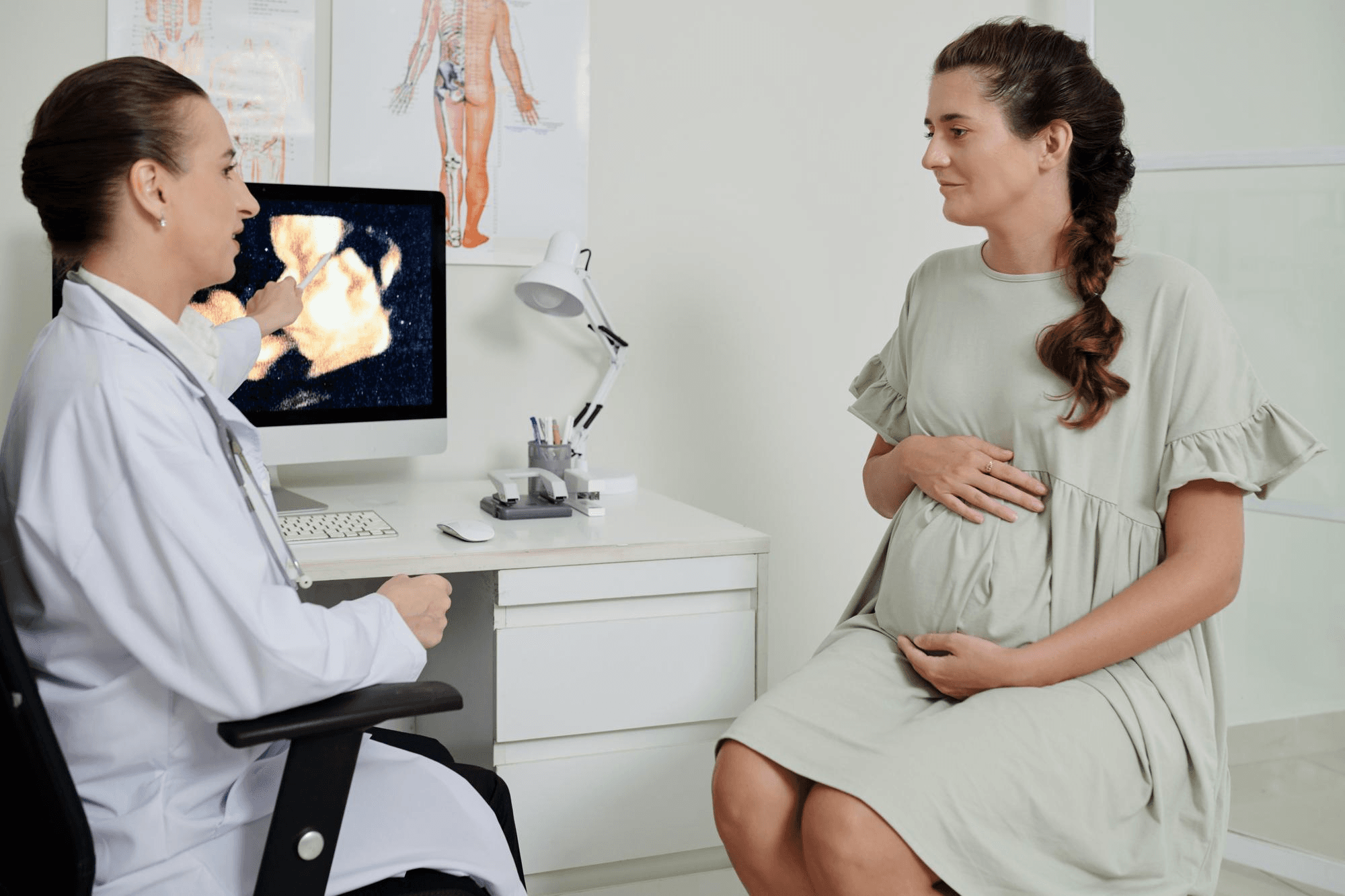
Transvaginal ultrasound (TVUS): Can identify ovarian endometriomas (chocolate cysts) and some deep infiltrating endometriosis, but misses many superficial endometriotic deposits. A skilled sonographer using specific endometriosis scanning protocols dramatically improves sensitivity. A normal ultrasound does not exclude endometriosis.
MRI: More sensitive than standard ultrasound for deep infiltrating endometriosis and bowel involvement. Used when deep disease is suspected or when surgical planning requires detailed anatomical mapping.
Laparoscopy
The gold standard for definitive endometriosis diagnosis. Direct visualisation of the pelvic organs identifies endometriotic deposits — which can appear as blue-black spots, red flame lesions, white scarring, or clear vesicles depending on their activity and age. Biopsy of suspicious areas provides histological confirmation.
Laparoscopy is indicated when:
- Clinical suspicion is high, and empirical treatment has not controlled symptoms
- Imaging findings are suspicious but not conclusive
- Infertility investigation has not identified another cause, and endometriosis is suspected
- Surgical treatment is planned
Current guidelines recommend laparoscopy with histological confirmation as the definitive diagnosis, while also recognising that empirical treatment (hormonal management) can be initiated on clinical grounds in women where the clinical picture is clear.
Staging Endometriosis
Endometriosis is staged using the revised American Society for Reproductive Medicine (rASRM) classification from Stage I (minimal) to Stage IV (severe), based on the location, extent, and depth of deposits and the degree of adhesion formation.
Important point: Stage does not reliably predict symptom severity. Women with Stage I endometriosis can have severe pain. Women with Stage IV can have minimal pain but significant infertility. Stage describes anatomical disease burden, not suffering.
Treatment Options for Endometriosis
Treatment is tailored to the woman's primary concern — pain, fertility, or both — and to the severity and distribution of disease.
Medical Management — For Pain Control
NSAIDs: First-line for period pain management. Begin 24 to 48 hours before the period is expected.
Combined oral contraceptive pill (OCP): Creates a predictable hormonal cycle, suppresses ovulation, reduces endometrial tissue activity, and significantly reduces dysmenorrhoea. Can be taken continuously (skipping the pill-free week) to eliminate periods and associated pain.
Progestins: Progesterone suppresses endometrial tissue. Options include oral progestins (norethisterone, dienogest), injectable progestins (Depo-Provera), and the levonorgestrel-releasing IUS (Mirena). Dienogest has the strongest evidence base specifically for endometriosis pain.
GnRH analogues: Injections that induce temporary medical menopause by suppressing oestrogen. Highly effective for pain control. Used for 3 to 6 months, often before surgery or as a trial of treatment. Side effects include hot flashes, vaginal dryness, and bone density loss with prolonged use — usually managed with add-back HRT.
Surgical Treatment — Laparoscopic Excision
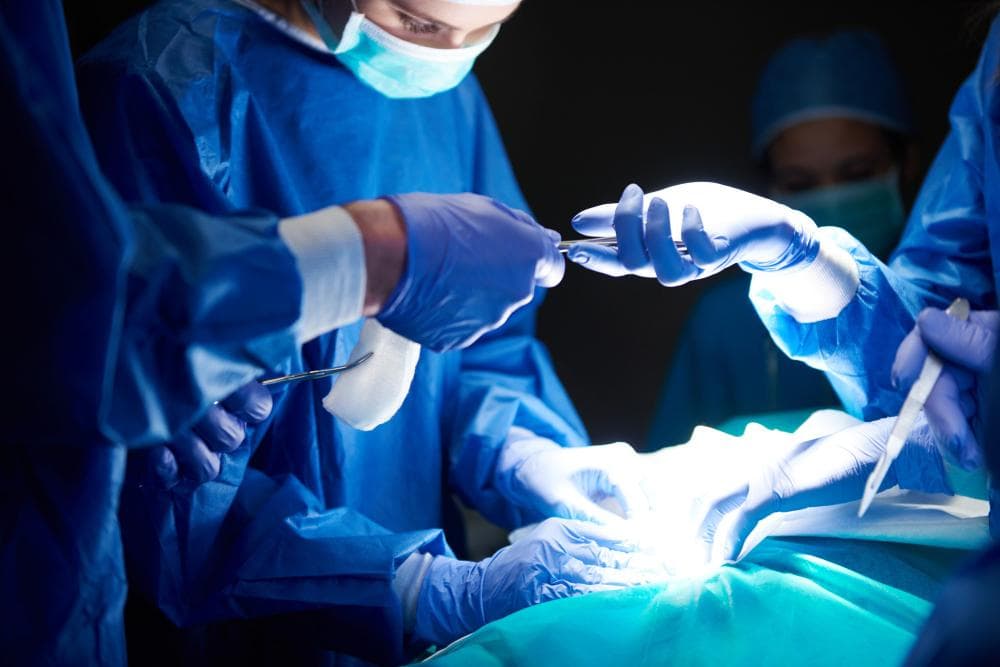
Laparoscopic surgery is the gold standard for treating endometriosis — both for pain relief and for improving fertility. During surgery, endometriotic deposits are excised (cut out) or ablated (destroyed with laser or electrical energy). Adhesions are divided. Ovarian endometriomas are drained and the cyst wall removed.
Excision vs ablation: Excision — surgically removing the endometriotic tissue — provides more complete treatment and lower recurrence rates than ablation (burning). For deep infiltrating endometriosis and ovarian endometriomas, excision is the recommended approach.
Success rates of surgery for pain: Studies consistently show that laparoscopic excision of endometriosis significantly reduces pelvic pain, dysmenorrhoea, and dyspareunia in the majority of women, with effects lasting for years. Recurrence rates at 5 years are approximately 20 to 40% — meaning hormonal suppression after surgery is typically recommended to reduce recurrence.
Surgery and fertility: For women with endometriosis-related infertility, laparoscopic excision of moderate to severe endometriosis improves pregnancy rates significantly compared to expectant management. For endometriomas specifically, surgery improves IVF outcomes when performed carefully with attention to preserving ovarian reserve.
Combined Approach
Most women with significant endometriosis benefit from surgery followed by hormonal suppression — the surgery removes existing disease, the hormones suppress regrowth during the window of recovery and reduce recurrence risk.
Endometriosis and Fertility
Endometriosis does not necessarily prevent pregnancy. Many women with endometriosis conceive naturally. But it does reduce the probability of conception per cycle and increases miscarriage risk.
Treatment approach depends on the age, ovarian reserve, partner factors, and endometriosis severity:
- Mild endometriosis, young woman, good reserve: Expectant management or ovulation induction with IUI may be tried first after laparoscopic treatment
- Moderate to severe endometriosis: Laparoscopic excision first, then fertility treatment as indicated
- Endometrioma surgery caution: Removing endometriomas carries a small risk of inadvertently removing surrounding ovarian cortex with primordial follicles, slightly reducing ovarian reserve. This must be weighed against the damage the endometrioma causes to the ovary over time.
- IVF: Highly effective in endometriosis-related infertility, particularly when tubal anatomy is compromised or when simpler treatments have failed
Endometriosis Care in Noida and Greater Noida
Dr. Shachi Singh at **Prakash Hospital, Sector 33, Noida, diagnoses and treats endometriosis through comprehensive gynaecological assessment, targeted imaging evaluation, hormonal management, and laparoscopic excision surgery — for women across Noida and Greater Noida.
If you have been living with period pain that worsens every year, pain during sex, or unexplained infertility, and endometriosis has not been specifically investigated, a proper evaluation is the right step.
To book a consultation with Dr. Shachi Singh, call: +91 97023 46853
Clinic Hours: Monday to Saturday, 9 AM – 6 PM | Sunday, 10 AM – 2 PM
Clinic Address: D-12A, 12B, Sector-33, G.B. Nagar, Noida, Uttar Pradesh 201301
Frequently Asked Questions
Does a normal ultrasound rule out endometriosis?
No. Standard pelvic ultrasound misses many endometriotic deposits — particularly superficial peritoneal disease and early adhesions. A normal ultrasound reduces the likelihood of an endometrioma but does not exclude endometriosis. Clinical suspicion based on symptoms is the critical guide for further investigation.
Can endometriosis be cured?
There is no permanent cure for endometriosis in the conventional sense, but it can be effectively managed. Surgery removes existing disease; hormonal management suppresses regrowth. After menopause, the oestrogen-dependent disease typically regresses and symptoms resolve. For most women, long-term symptom control and preserved fertility are achievable with appropriate treatment.
Is endometriosis hereditary?
There is a genetic component — daughters and sisters of women with endometriosis have a 5 to 8 times higher risk than the general population. It is not a simple single-gene condition, but genetic predisposition combined with environmental and hormonal factors determines who develops it.
Can I get pregnant with endometriosis?
Yes — many women with endometriosis conceive and have healthy pregnancies. The impact on fertility varies by disease severity. Laparoscopic treatment of moderate to severe endometriosis improves pregnancy rates. IVF is highly effective for endometriosis-related infertility.
This blog is written for educational and informational purposes only. Please consult Dr. Shachi Singh or a qualified gynaecologist for an assessment specific to your symptoms and clinical situation.