Preeclampsia: Warning Signs, Risks, and How It Is Managed in Pregnancy

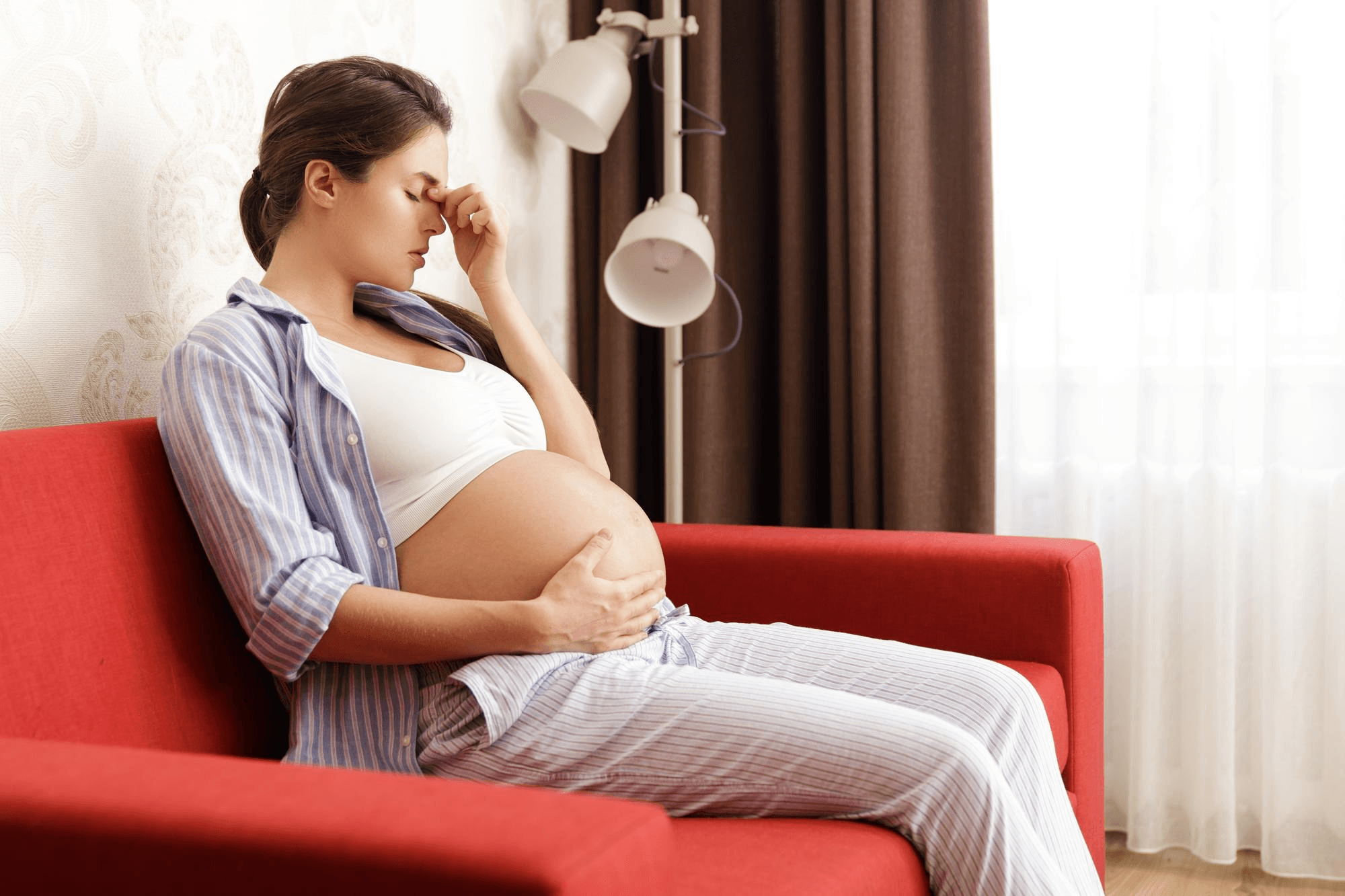
A pregnant woman is standing in a kitchen with her hand on her belly and one on her forehead, with a tired and troubled expression. She is wearing a tank top and pants, and the room appears modern, bright, and sunny.
Preeclampsia is one of the most dangerous pregnancy complications — a leading cause of maternal mortality in India — and one of the most frequently missed until it becomes serious. The warning signs are dismissed as normal pregnancy discomfort. Blood pressure readings that should trigger an alarm are not rechecked. Women are told their swelling is normal and sent home.
The consequences of unrecognised preeclampsia can be devastating: eclampsia (seizures), stroke, liver failure, kidney failure, placental abruption, and maternal death. For the baby: growth restriction, preterm birth, and perinatal death.
Dr. Shachi Singh, consultant obstetrician at Prakash Hospital, Sector 33, Noida, explains what preeclampsia is, who is at risk, and — most importantly — which warning signs must never be dismissed.
What Is Preeclampsia?
Preeclampsia is a pregnancy-specific syndrome defined by:
- High blood pressure (≥140/90 mmHg) developing after 20 weeks of pregnancy in a woman who previously had normal blood pressure
- Proteinuria (protein in the urine) — indicating kidney involvement — AND/OR other end-organ involvement (liver, kidney, brain, blood clotting)
It affects approximately 5 to 8% of pregnancies globally and is more common in India due to the high prevalence of underlying risk factors, including anaemia, poor nutrition, and limited access to antenatal care.
Preeclampsia is a disease of the placenta — it arises from abnormal placental development in early pregnancy that leads to systemic maternal blood vessel dysfunction.
Risk Factors
- First pregnancy (nulliparity)
- Chronic hypertension (high blood pressure before pregnancy)
- Pre-existing diabetes or kidney disease
- Obesity
- Multiple pregnancy (twins)
- Age over 40
- Family history of preeclampsia
- Previous pregnancy complicated by preeclampsia
- Autoimmune conditions (lupus, antiphospholipid syndrome)
Women with multiple risk factors benefit from low-dose aspirin started before 16 weeks of pregnancy — there is strong evidence that this reduces preeclampsia risk in high-risk women.
Warning Signs — Never Dismiss These in Pregnancy
High blood pressure readings: Any single BP reading of ≥140/90 in a pregnant woman requires prompt rechecking and clinical review. A single reading of ≥160/110 is a hypertensive emergency requiring immediate intervention.
Severe headache: A headache in the second half of pregnancy that is severe, persistent, or different in character from usual headaches — particularly if associated with visual symptoms or upper abdominal pain — is a preeclampsia warning sign.
Visual disturbances: Flashing lights, spots, blurred vision, or loss of peripheral vision in the second half of pregnancy. These indicate cerebral involvement and require immediate evaluation.
Upper right abdominal pain or epigastric pain: Pain just below the right ribs or in the upper central abdomen. This indicates liver involvement (subcapsular haematoma or liver distension) — a sign of severe preeclampsia.
Sudden severe facial or hand swelling: Mild ankle swelling is normal in pregnancy. Sudden, severe facial or hand swelling — particularly if rapid in onset and accompanied by other symptoms — is a warning sign.
Rapid weight gain: More than 1 kg in a week in the third trimester may indicate significant fluid retention from preeclampsia.
Reduced fetal movement combined with any of the above: Indicates possible fetal compromise from placental dysfunction.
HELLP Syndrome
HELLP syndrome — Haemolysis, Elevated Liver enzymes, Low Platelets — is a severe variant of preeclampsia. Symptoms include severe upper right abdominal pain, nausea, vomiting, and feeling very unwell. It is a life-threatening emergency requiring immediate hospitalisation and often immediate delivery.
Eclampsia
Eclampsia is the occurrence of seizures in a woman with preeclampsia. It can occur before, during, or after delivery. Magnesium sulphate is the treatment — both to stop active seizures and to prevent them in severe preeclampsia. Any pregnant woman with severe headache, visual symptoms, or high blood pressure who then develops a seizure must reach emergency care immediately.
Management of Preeclampsia
Preeclampsia cannot be "cured" by any treatment except delivery. The decision of when to deliver is a balance between the risk of continuing the pregnancy (deteriorating maternal and fetal condition) and the risk of delivery (prematurity).
Mild preeclampsia (BP 140-159/90-109, no severe features): Can be managed with close monitoring — frequent blood pressure checks, blood tests (liver function, kidney function, platelets), fetal monitoring with Doppler and CTG. Blood pressure medications are used to keep BP below 140/90. Delivery is typically planned at 37 weeks.
Severe preeclampsia (BP ≥160/110 OR severe symptoms): Hospitalisation is required. Antihypertensive medication to urgently control blood pressure. Magnesium sulphate for seizure prevention. Steroids for fetal lung maturation if delivery is imminent before 34 weeks. Delivery is typically indicated promptly — the precise timing depends on gestation and clinical condition.
After Delivery
Blood pressure abnormalities can persist for 6 to 12 weeks after delivery. Postpartum preeclampsia — hypertension developing in the first 6 weeks after delivery — occurs in some women who were not diagnosed as preeclamptic during pregnancy.
Women who have had preeclampsia have elevated long-term cardiovascular risk — higher rates of hypertension, kidney disease, and heart disease in later life. Annual blood pressure monitoring and appropriate preventive care are recommended.
High-Risk Obstetric Care in Noida and Greater Noida
Dr. Shachi Singh at **Prakash Hospital, Sector 33, Noida, provides specialist high-risk obstetric care — including preeclampsia risk assessment, aspirin prophylaxis, close antenatal monitoring, and delivery management — for women across Noida and Greater Noida.
To book a consultation with Dr. Shachi Singh, call: +91 97023 46853
Clinic Hours: Monday to Saturday, 9 AM – 6 PM | Sunday, 10 AM – 2 PM
This blog is for informational purposes. Consult Dr. Shachi Singh or a qualified obstetrician for guidance specific to your pregnancy situation.