AMH Test and Ovarian Reserve: What It Means and What to Do If It's Low

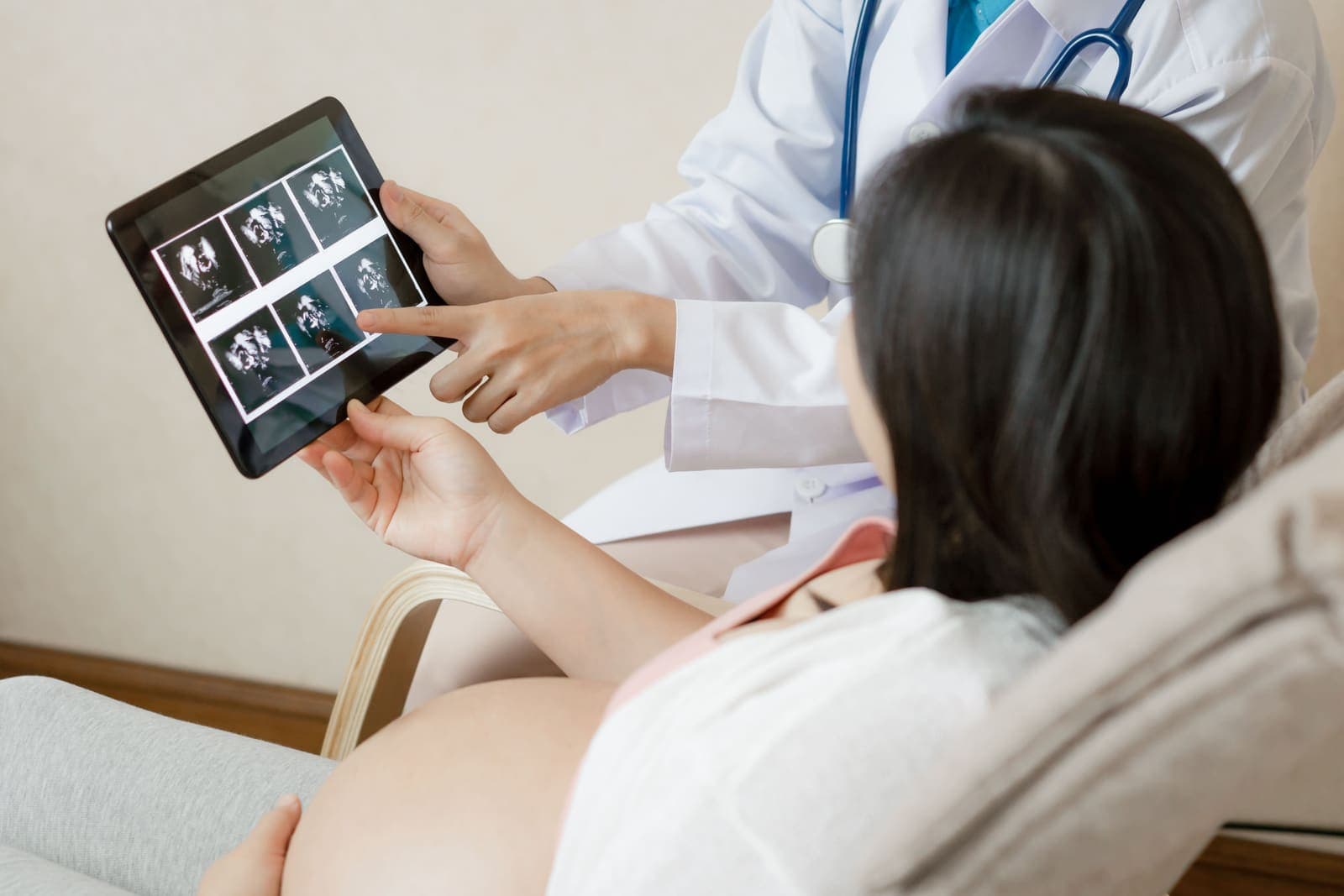
A gynecologist is talking with a woman about their symptoms, diagnosis, and treatment of an ovarian cyst during an appointment in an examination room.
The AMH result arrives and immediately provokes anxiety — particularly when it is flagged as "low." Many women who receive a low AMH result interpret it as meaning they cannot have children, that their eggs are of poor quality, or that they have run out of time. This interpretation is frequently inaccurate.
Dr. Shachi Singh, consultant gynaecologist and fertility specialist at Prakash Hospital, Sector 33, Noida, explains what AMH actually measures, what it tells you and what it does not, and what the options are for women with low ovarian reserve.
What Is AMH?
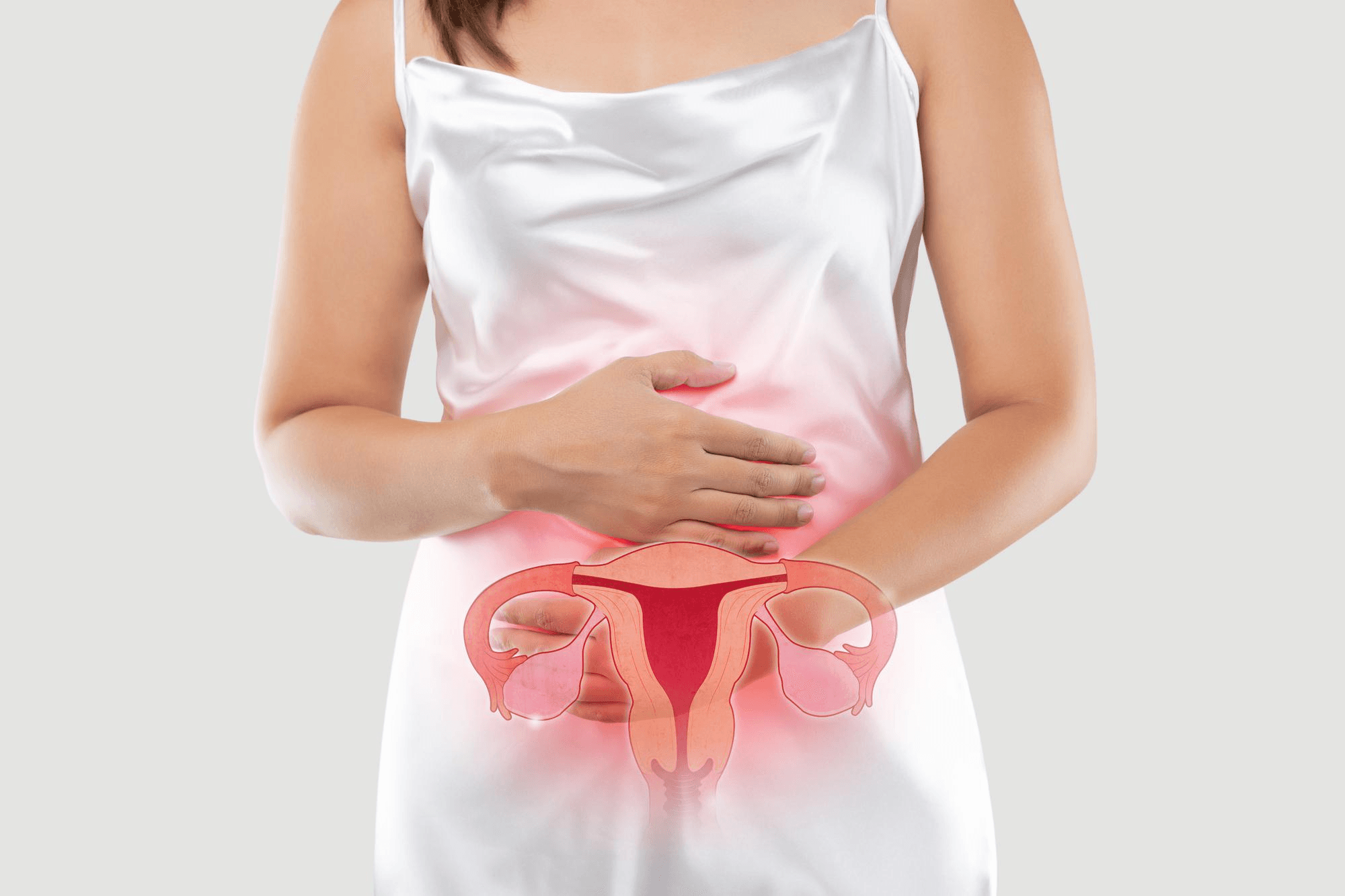
Anti-Müllerian hormone (AMH) is produced by the granulosa cells surrounding the small antral follicles in the ovaries — the follicles that are in the early stages of development and contain the potential eggs. AMH levels reflect the pool of remaining follicles — the ovarian reserve.
AMH is the best currently available blood marker for ovarian reserve because it does not fluctuate significantly across the menstrual cycle (unlike FSH and oestradiol, which are day-specific). AMH can be tested on any day of the cycle.
What Ovarian Reserve Means — and Doesn't Mean
Ovarian reserve measures quantity, not quality. AMH tells you approximately how many follicles remain. It does not tell you anything directly about egg quality — whether those eggs will fertilise normally, develop into viable embryos, and result in a healthy pregnancy.
Egg quality is primarily determined by age. A woman of 28 with low AMH has a much better chance of pregnancy per cycle than a woman of 42 with normal AMH, because the younger woman's fewer eggs are of much higher quality.
AMH also does not predict natural conception ability accurately for individual women. Some women with very low AMH conceive naturally; some women with normal AMH struggle to conceive.
What AMH does predict reliably:
- Response to ovarian stimulation during IVF: Low AMH predicts fewer eggs retrieved in a stimulation cycle
- Age of menopause: Lower AMH is associated with earlier natural menopause
What Causes Low Ovarian Reserve?
Age: The most common cause. Ovarian reserve declines progressively from the early 30s and accelerates from 37 to 38. This is a normal biological process.
Endometriosis: Particularly endometriomas (ovarian cysts of endometriosis) — which damage the surrounding ovarian cortex and reduce ovarian reserve. Surgery for endometriomas also carries some risk of further reducing reserve if the surrounding healthy ovarian tissue is inadvertently removed.
Previous ovarian surgery: Any surgery on the ovary reduces reserve by removing some follicle-containing cortex.
Genetic factors: Some women are born with a smaller initial follicle pool. Fragile X premutation carriers have elevated rates of premature ovarian insufficiency.
Autoimmune conditions: Autoimmune oophoritis — immune-mediated destruction of ovarian tissue — is a cause of premature ovarian insufficiency.
Chemotherapy or radiotherapy: Gonadotoxic cancer treatments can significantly and sometimes irreversibly damage the ovarian follicle pool.
What to Do If Your AMH Is Low
Do not panic. Low AMH does not equal infertility in all cases. Many women with low AMH conceive.
Act with appropriate urgency. Low AMH means the window of opportunity is narrower than average and may be narrowing. This is not a reason to catastrophise — it is a reason not to delay if you want to conceive.
Seek specialist fertility assessment. AMH is one marker among several — antral follicle count (AFC) on transvaginal ultrasound provides complementary information, and the clinical picture (age, previous pregnancy history, menstrual pattern) contextualises the number.
Options depending on the situation:
-
Natural conception: Still possible for many women with low AMH, particularly those who are young. Trial of natural conception with monitoring is appropriate for motivated women who are young enough for the time trial to be reasonable.
-
Ovulation induction and IUI: Appropriate for women with low AMH who are still ovulating. The per-cycle success rate is lower than in women with good reserve, but it remains a valid first step in younger women.
-
IVF: More time-efficient than repeated IUI cycles in women with low AMH. IVF retrieves as many eggs as can be stimulated in a given cycle, fertilises them outside the body, and selects the best embryo — making better use of the available egg supply per cycle. Modified mild protocols and natural cycle IVF are often appropriate in low reserve.
-
Egg freezing: For women who are not ready to pursue pregnancy now but want to preserve options. Freezing eggs when AMH is already low may yield fewer eggs, but it is still better than waiting further if timing permits.
-
Egg donation: For women with very low AMH and poor response to multiple IVF cycles, or for women with premature ovarian insufficiency, donor eggs used in IVF offer excellent success rates.
Gynaecological and Fertility Care in Noida and Greater Noida
Dr. Shachi Singh at Prakash Hospital, Sector 33, Noida, provides AMH interpretation, fertility assessment, and appropriate treatment planning for women with low ovarian reserve across Noida and Greater Noida.
To book a consultation with Dr. Shachi Singh, call: +91 97023 46853
Clinic Hours: Monday to Saturday, 9 AM – 6 PM | Sunday, 10 AM – 2 PM
This blog is for informational purposes. Consult Dr. Shachi Singh or a qualified fertility specialist for guidance specific to your AMH result and clinical situation.