Colposcopy: What To Expect

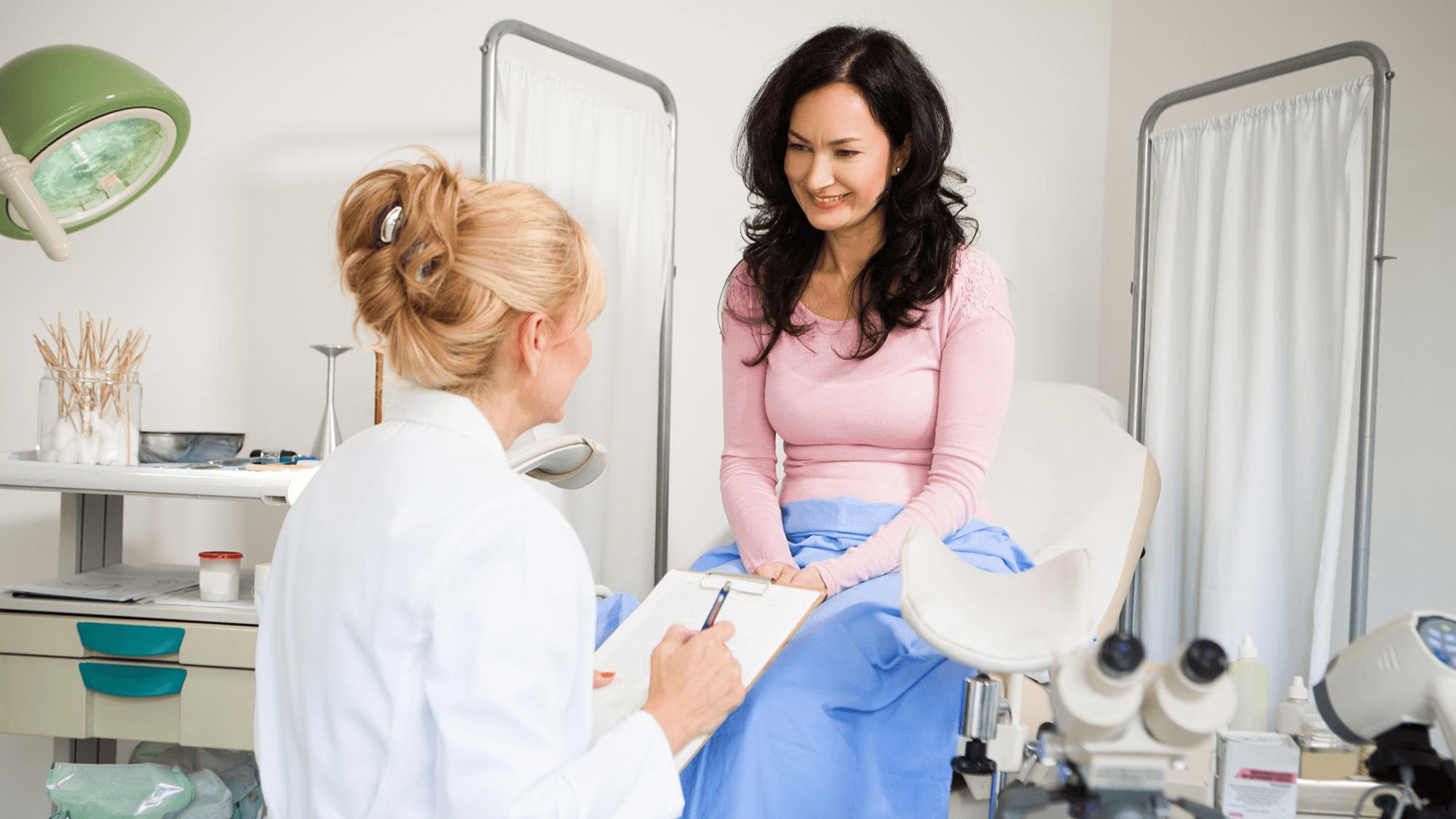
A gynecologist prepares a colposcope before a colposcopy, looking closely at the cervix to spot any unusual changes.
A colposcopy is when your doctor examines your vulva, vagina, and cervix closely to look for any abnormalities. They will often refer you for one if your HPV or Pap smear results are abnormal. To obtain a clear view and determine whether you need further testing or treatment, the doctor uses a colposcope, a powerful magnifier.
The entire process is quick and safe, and it takes place in the clinic. Being aware of what to expect might help you maintain your cervical health and reduce anxiety.
Colposcopy: Meaning
It's a straightforward operation in which the doctor examines your cervix, vagina, and vulva under a special magnifying device to search for any abnormal cells, particularly those that may or may not be cancerous.
Early detection of these alterations ensures that you receive the necessary treatment at the appropriate time.
Medical Reasons For Colposcopy
A colposcopy helps doctors spot abnormal cells that could turn into cancer or are cancerous. Usually, you’ll have one after an abnormal Pap test, since that’s how most people first find out something’s off.
However, doctors may also suggest a colposcopy for other reasons, such as if you have a weird discharge, unexpected vaginal bleeding, or if they observe changes in the skin of your vulva or cervix.
This procedure lets them figure out what’s going on and decide what to do next.
Colposcopy Procedure (Step By Step)

A gynecologist uses a colposcope to examine the cervix and look for abnormal cell changes during a colposcopy procedure.
Step1: Before the procedure, your doctor will probably ask you to avoid sex, vaginal medications, douching, or tampons for a day or two. Go ahead and use the bathroom beforehand so you’re comfortable.
Step2: When it’s time, you’ll lie back on the exam table with your feet in stirrups, just like a typical pelvic exam.
Step3: A gynecologist gently slides in a speculum to open up your vaginal walls, so they can actually see your cervix.
Step4: It doesn’t touch you; it just helps the gynecologist get a really close look. Next, they dab a mild acetic acid solution (it’s a lot like vinegar) on your cervix. Any abnormal cells turn white, which makes them easier to spot.
Step5: Sometimes, they’ll use iodine too. Healthy cells soak it up and turn brown, but the weird spots stay pale.
Step6: A gynecologist checks your cervix, vagina, and vulva, looking for anything that seems unusual, strange patterns, blood vessels, or any lesions.
If Something Looks Suspicious
- They’ll take a small biopsy. It's only a short squeeze to obtain a small tissue sample for analysis. Although it normally doesn't last long, you could experience some discomfort or cramps. Sometimes, they also scrape a few cells from inside the cervical canal for more testing. Again, it’s quick and gentle.
- Once everything’s done, the speculum comes out. You might have a little spotting, but most people can get back to their normal routine the same day. Colposcopy helps identify problems early before they worsen and is rapid and safe.
Possible Complications After Colposcopy
Colposcopy is seldom problematic and generally safe. Some women have little pain or cramping, and they may even notice some minor bleeding, particularly if the doctor performs a biopsy. Sometimes there’s a little more discharge than usual because of the solutions used during the test. Although it is uncommon, severe bleeding or infection can occur.
Most of these adverse effects go away within a few days. If you get really bad pain, a fever, or heavy bleeding, call your doctor right away.
Recovering Safely After A Colposcopy
Most people bounce back fast after a colposcopy. If your doctor didn’t take a biopsy, you’re pretty much free to get back to your usual routine right away, no special rules. But if you did have a biopsy, take it easy for a couple of days.
1. Physical Activities
Skip heavy workouts for at least 48 hours.
2. Sexual Activity
For the next week, avoid douching, using tampons, or having sex.
3. Post-Procedure Symptoms
You might notice some mild cramping, a bit of spotting, or even some dark, almost black discharge - that’s all normal and should clear up in a few days.
4. Use Pads
Go with pads if you’re bleeding.
5. OTC Pain Relief
If you feel sore, Tylenol or Advil usually does the trick.
Outcomes Of Colposcopy
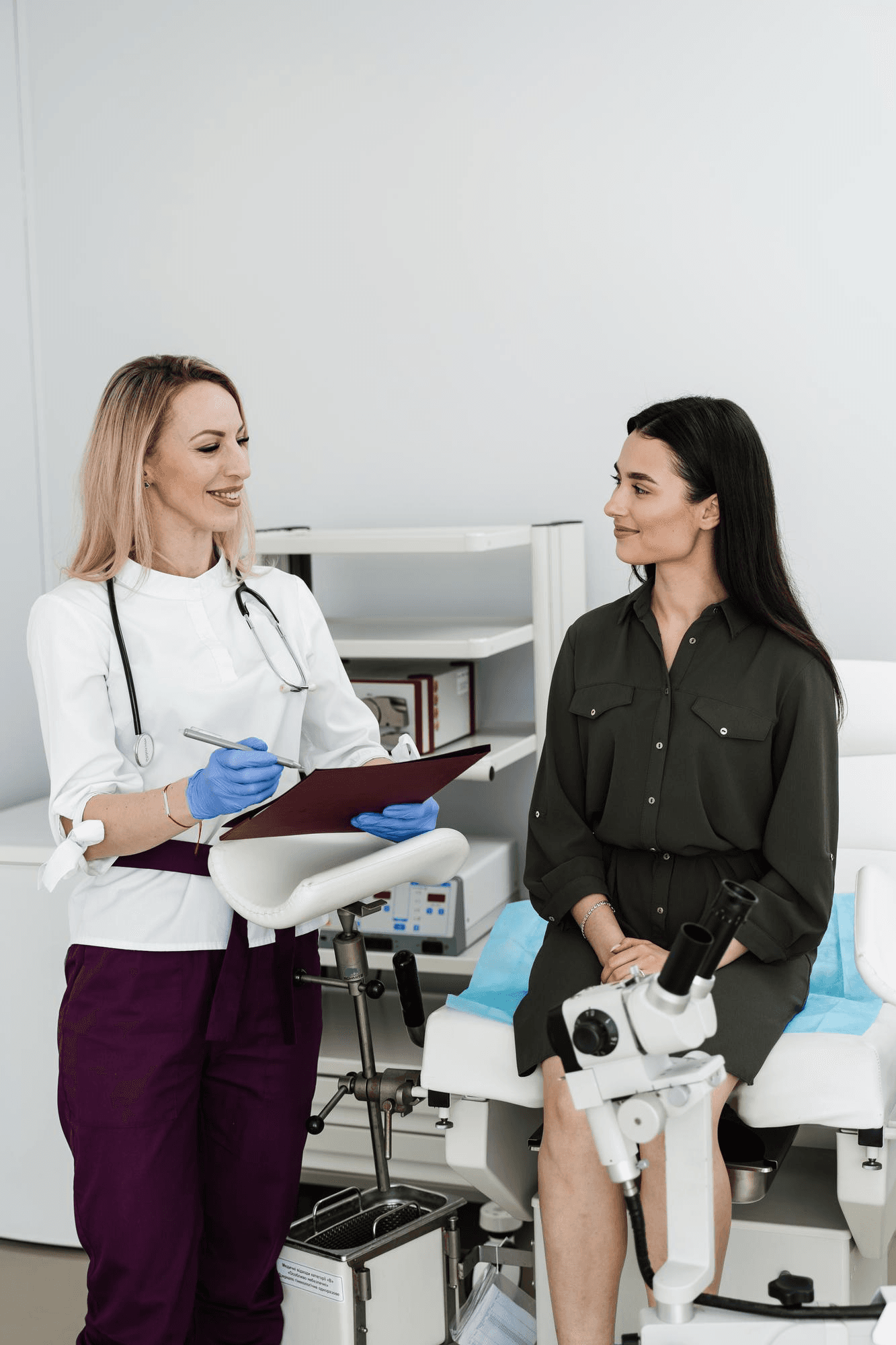
A gynecologist and patient review colposcopy results together and discuss the next steps after a cervical exam.
1. Results Timeline
You usually get colposcopy results in two to four weeks. Sometimes it’s a little faster, sometimes slower; it depends on the test.
2. Understanding Your Report
Your doctor goes over the results with you. They’ll let you know if the cervical, vaginal, or vulvar cells look normal or if there’s something off.
3. If They Find Abnormal Cells
What happens next really depends on your age and whether the changes are low-grade or high-grade.
4. Low-Grade Changes
These often clear up on their own. Most of the time, doctors just keep an eye on things with regular follow-ups.
5. High-Grade Changes
Here, you’ll need treatment. It could be LEEP, cryotherapy, or laser procedures to get rid of the abnormal cells.
6. Follow-Up Plan
Your gynecologist helps you figure out your next steps and sets up your future checkups and alsdo, track progress.
Final Thought
Colposcopy might sound a bit intimidating, but honestly, it’s pretty straightforward, and it’s huge when it comes to protecting cervical health. It gives a gynecologist a chance to catch any weird changes early, so they can either just monitor things or jump in before anything turns serious.
Knowing what to expect, how the recovery feels, and what your results actually mean can take a lot of the anxiety out of the process. Additionally, women have actual influence over their health through routine screening and prevention.
Expert Care with Dr. Shachi Singh
Your well-being is important. Don’t settle for anything less. Dr. Shachi Singh specialises in women’s health, including obstetrics, gynecology, and laparoscopic surgery. If you have questions about screenings, need a diagnosis, or just want to talk about your health, she’s the one to see.
Book a visit and get care that actually feels personal and focused on you.