Post-Menopausal Intimate Care Routine

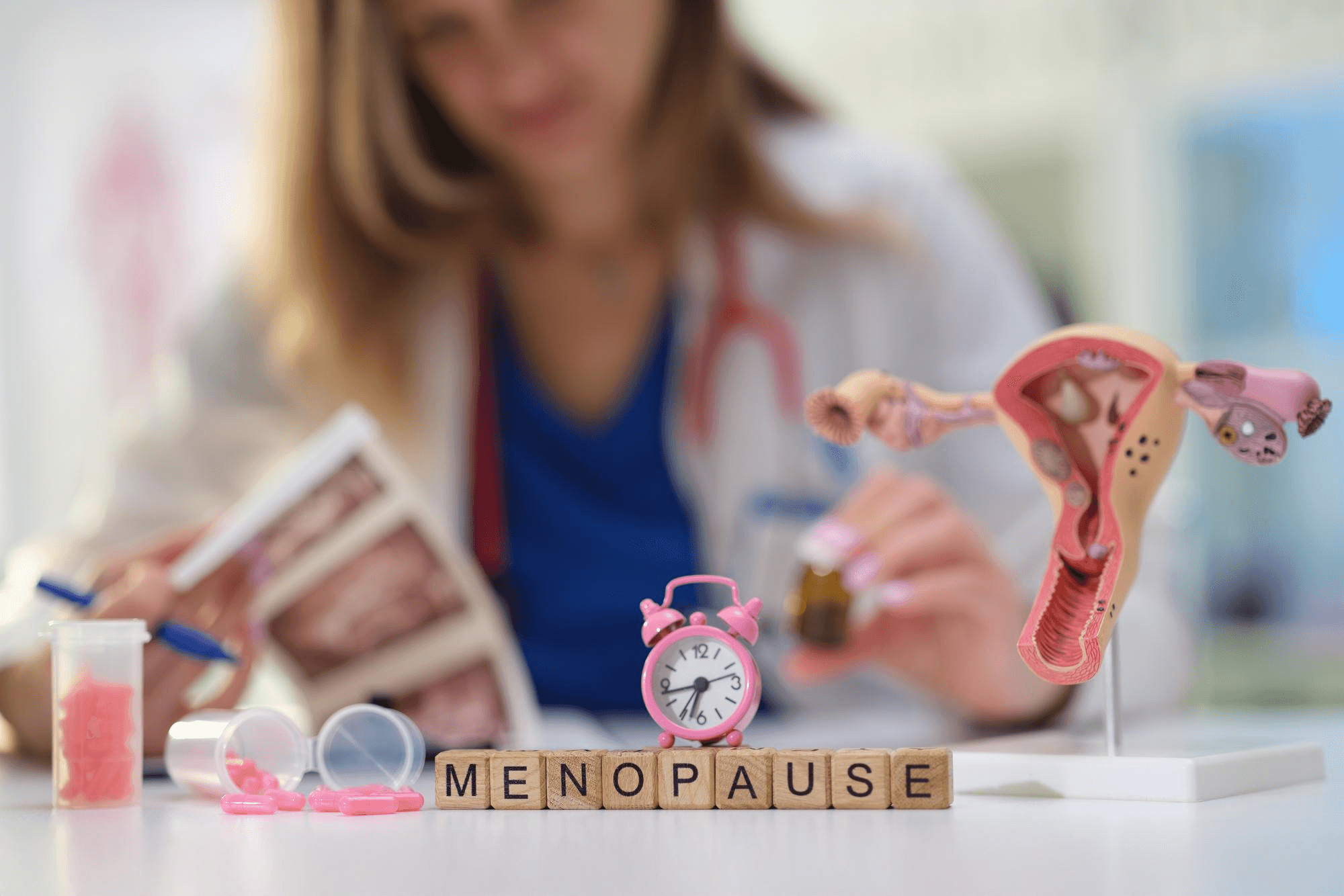
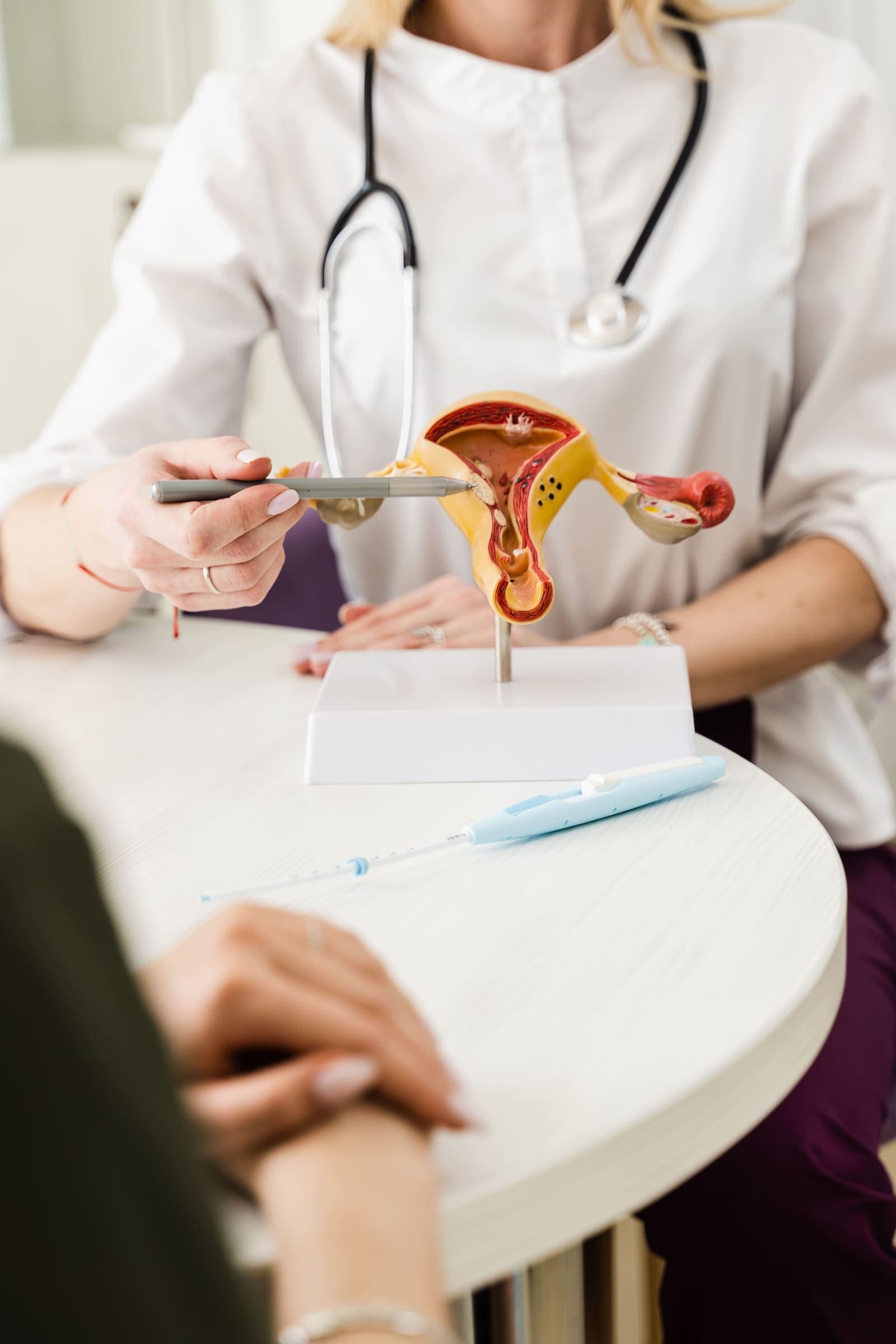
A postmenopausal woman showing comfort and stability in performing her feminine hygiene routine.
Post-menopause intimate care-hormonal changes may affect vaginal and vulvar tissues as estrogen level decreases post-menopause, resulting in vaginal and vulvar atrophy. Atrophy affects women’s intimate area and may cause vaginal and vulvar dryness, discomfort, itching, decreased lubricity, and infection; hence, an intimate care routine plays a vital role in maintaining healthy vaginal and vulvar tissues, which in turn improve comfort and maintain the health of tissues.
Health intimate care routine includes hygiene practices, the proper use of appropriate intimate moisturizer and lubricants, and regular health examinations, etc. Implementing these practices not only promotes health but also improves self-esteem and life quality.
What Causes Vaginal Changes After Menopause?
The changes that occur in the postmenopausal vagina are largely influenced by decreased levels of hormones in the body, particularly a drop in the amount of estrogen circulating. Menopause, which is defined as the absence of menstrual periods for 12 months and occurs in women typically between 45 and 55 years old, is caused by decreasing ovarian function.
Although symptoms such as hot flashes are widely publicized, changes in the vagina and urinary tract are also of importance, although often underestimated. Changes in the vaginal walls resulting from a decrease in estrogen include thinning of tissues, decreased flexibility and elasticity, and decreased lubrication, which, in turn, causes sensitivity that can result in a sense of dryness and irritation.
Role Of Estrogen In The Vaginal Tract Throughout The Menopausal Period
1. Restoration And Elasticity Of The Tissues
During a woman’s reproductive phase, estrogen supports the thickness, elasticity, and suppleness of the vaginal epithelium. In the case of the decline of estrogen, as with menopause, the thinning, brittleness, and loss of elasticity, in particular Vulvovaginal Atrophy, occur.
2. Contribution To Vaginal pH And The Flow of Lubrication
Through the stimulation of the production of glycogen. It ensures sufficient nourishment of the lactobacilli and an acidic pH of the vaginal tract. After a decrease in estrogen in the body, the flow of lubrication is impaired, and therefore infections, in particular, can be readily encouraged.
3. Promotion Of Good Blood Flow
Without proper estrogen, blood is unable to reach the vaginal tissues efficiently, and therefore, an inadequate supply of the appropriate nutrients and signals is conveyed. This has implications such as the loss of vaginal pliability, dryness, and dryness of tissues throughout the postmenopausal phase.
Vaginal and Urinary Effects Of The Drop In Estrogen
1. Vaginal Dryness And Irritation
Decreased estrogen reduces vaginal natural moisture, and this can cause you to have irritating symptoms such as dryness and itching of vaginal walls. This can negatively influence your daily life and your sex life as well.
2. Urinating Burn Sensation And Vaginal Burning Sensation
As the tissues are growing thinner and they become fragile due to hormonal loss, they are also more likely to be susceptible to irritations, burns, or soreness, especially when passing urine or having sex.
3. Painful Intercourse Or Dyspareunia
Due to a lack of elasticity and decreasing amounts of vaginal secretion, intercourse may become painful or difficult.
4. Recurrent Urinary Tract And Yeast Infections
PH and vaginal balance changes may contribute to recurrent UTIs or yeast infections.
5. Urinary Symptoms (GSM)
The deficiency of estrogen can affect the urinary tract; as a result, patients can experience urinary urgency or frequency, as well as slight incontinence. This is also called GSM, which stands for Genitourinary Syndrome of Menopause.
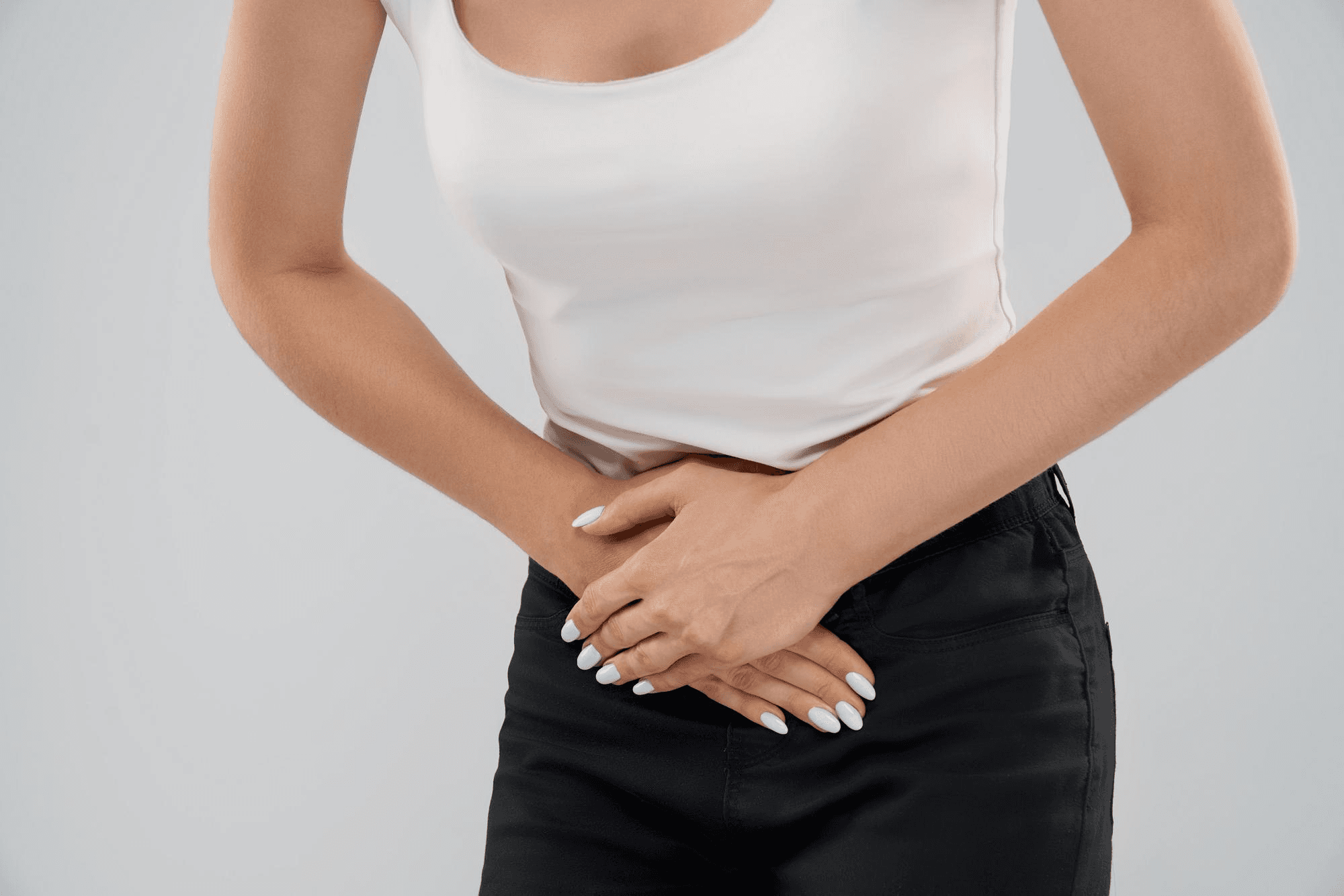
An elderly woman clutching her lower abdomen, suggesting vaginal dryness, irritation, and/or urinary dysfunction as a result of menopause.
Effective Lifestyle Modifications To Promote The Health Of The Vagina After Menopause
1. Applying Vaginal Lubricants
Vaginal lubricants offer rapid relief from the sensation of vaginal dryness, particularly in instances of vaginal intercourse. They can be classified into water-based (which are easily removed from condoms and have a low irritation potential) and silicone-based lubricants, the latter of which last for a considerably longer time.
2. Regular Vaginal Moisturisers
The application of vaginal moisturising agents for regular maintenance helps replenish hydration and elasticity, restoring the vagina to a balanced pH state.
3. Good Hygiene Habits
Only use soap on the external genitalia as far as is needed, using mild, unscented formulations. Vaginal douches and abrasive products should be avoided to maintain a healthy pH and normal bacterial flora.
4. Lifestyle Advice
Proper hydration, a healthy diet, and cotton underwear can help in the maintenance of vaginal elasticity and the reduction of external irritation. Non-permeable garments and irritating substances should be avoided.
5. Sexual Intercourse
With regular sexual activity, the vagina becomes more elastic because the circulation becomes more intense in the region and the blood vessels become more dilated in that zone. Clear and open communication with your partner, moving slowly during intercourse, and appropriate application of lubricating jelly should aid vaginal sex.
Final Thoughts
Vaginal changes post-menopause can be expected due to hormonal changes, and although they can be irritating, they should not impact comfort or life. However, simple hygiene measures, lubrication, lifestyle changes, and treatments from a health professional will control symptoms such as dryness, irritation, and discomfort.
Knowing about what changes are happening to the vagina post-menopause, and ways of preventing complications, can contribute to improved vaginal health and prevent other symptoms such as urinary problems and infections. Communication with a knowledgeable physician will give the necessary support and guidance to maintain optimal health and quality of life.
Expert Care With Dr. Shachi Singh
With over 15 years of experience in women's health, Dr. Shachi Singh is a Senior Consultant Gynecologist and Laparoscopic surgeon who provides a comprehensive range of services, including gynecology, obstetrics, infertility procedures, and minimally invasive surgery, with an understanding of a patient's specific requirements. Dedicated to providing the most accurate surgical performance and quality treatment care, Dr. Shachi Singh assures that each patient receives the best-suited and personalized treatment strategies for themselves.
Women of Noida & Delhi NCR trust Dr. Shachi Singh with her safe, sound, and advanced treatment strategies. Book your consultation and get your customized diagnosis and personalized experience, along with the unconditional support for enhancing your well-being and confidence for life.
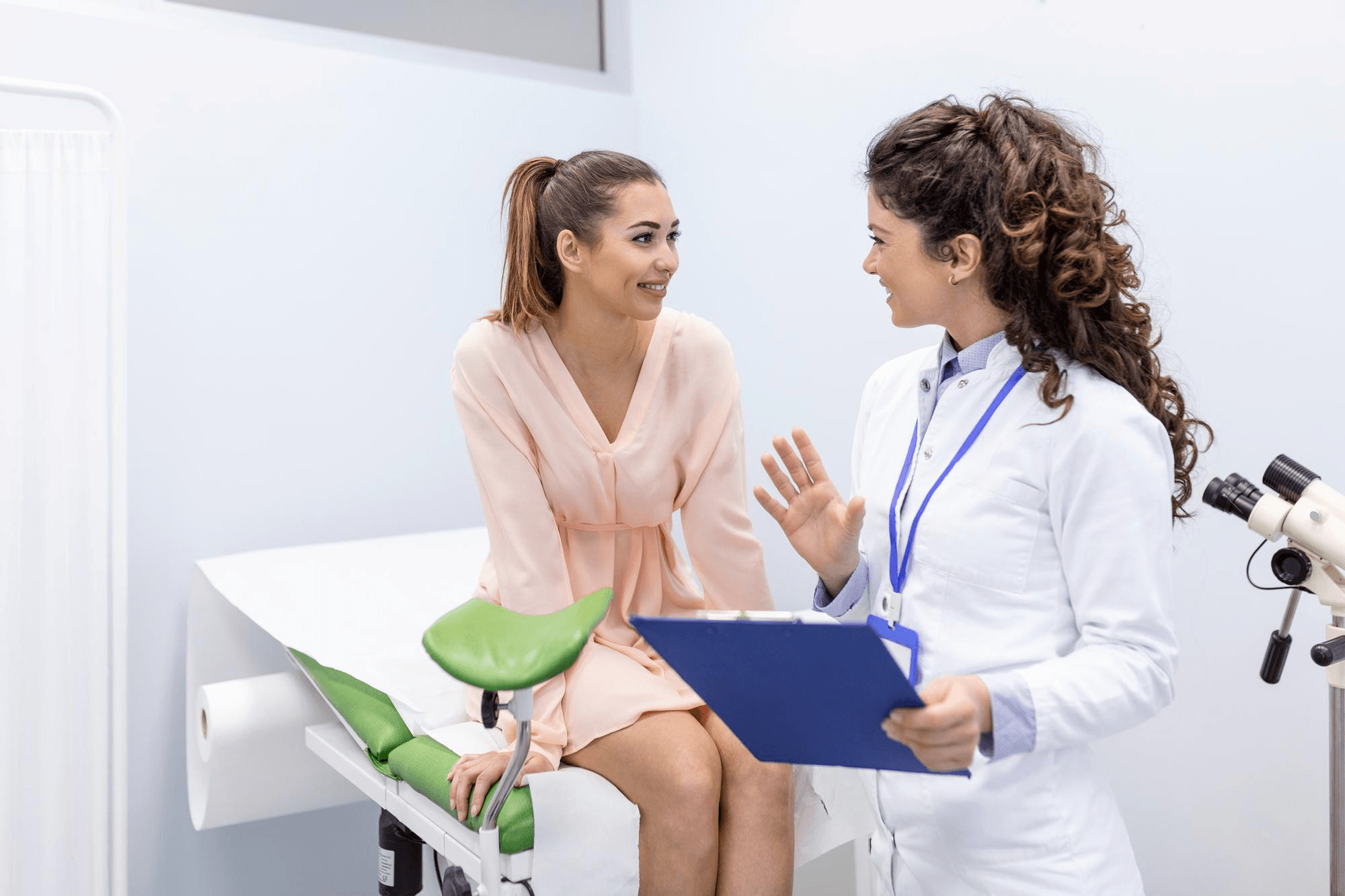
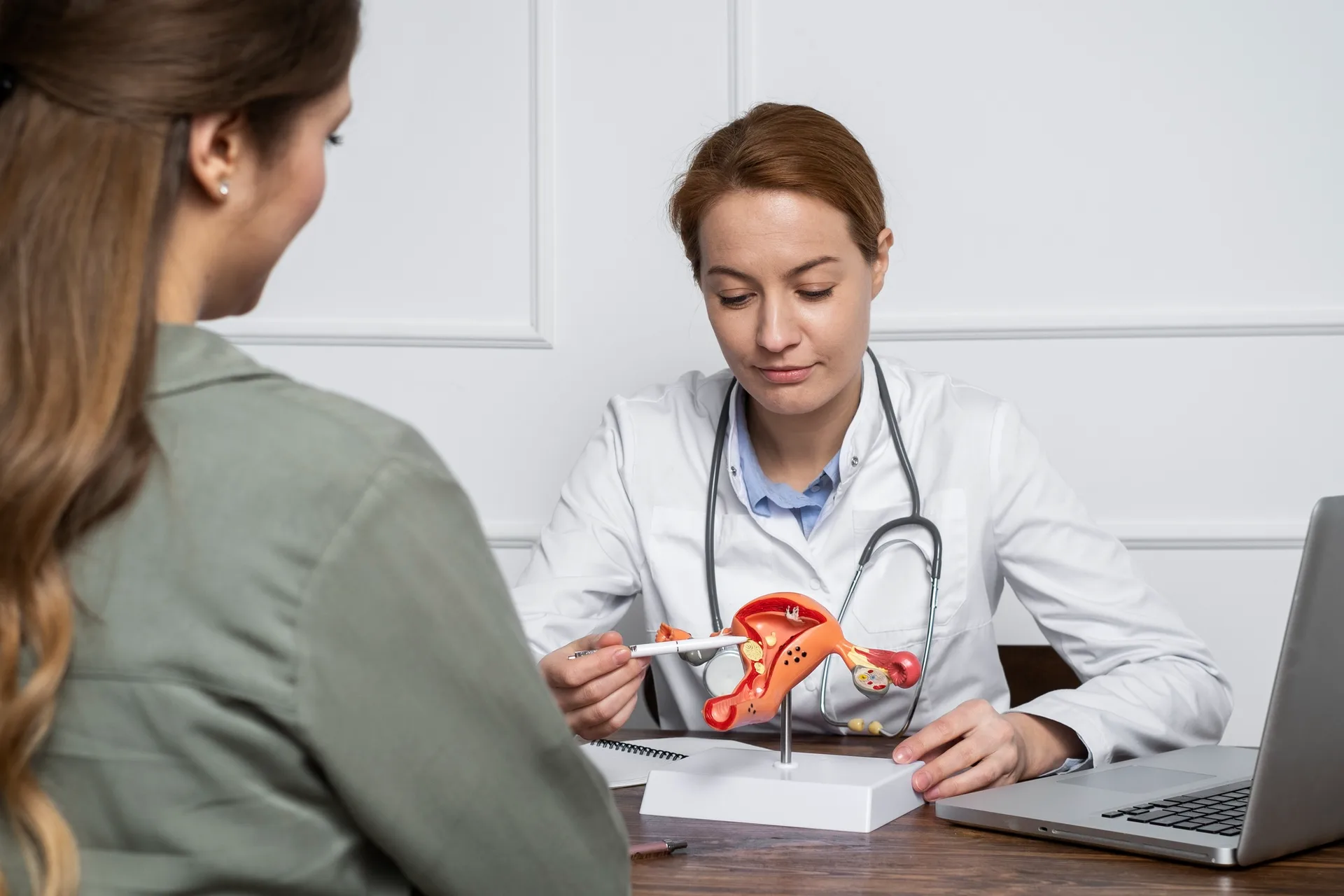
A gynecologist speaking with a patient concerning feminine hygiene, health, and solutions during the postmenopausal phase.
Frequently Asked Questions(FAQs)
1. How to maintain intimacy after menopause?
You can still enjoy intimacy by talking openly with your partner about your concerns, using vaginal moisturizers or lubricants, and gradually increasing arousal. Engaging in intercourse frequently can also help enhance circulation and increase elasticity. If you continue to experience issues, localized estrogen treatments may be helpful.
2. How often should I wash my private part?
Clean the outside of the genitals (vulva) using plain, lukewarm water once a day. Too much washing and using strong soaps will damage the natural balance and beneficial bacteria in your vagina.
3. Is a natural vaginal smell considered normal?
Yes, most vaginal odor is natural. It is produced by the beneficial bacteria within your vagina, which help maintain the naturally acidic environment. You may notice a mild, slightly "fishy" odor, which is generally not a problem, though a very strong, offensive odor warrants medical attention.
4. What is the best way to wash the private part?
Just clean your vulva with plain, mild, fragrance-free soap and lukewarm water. Avoid douching or using antiseptic wipes.