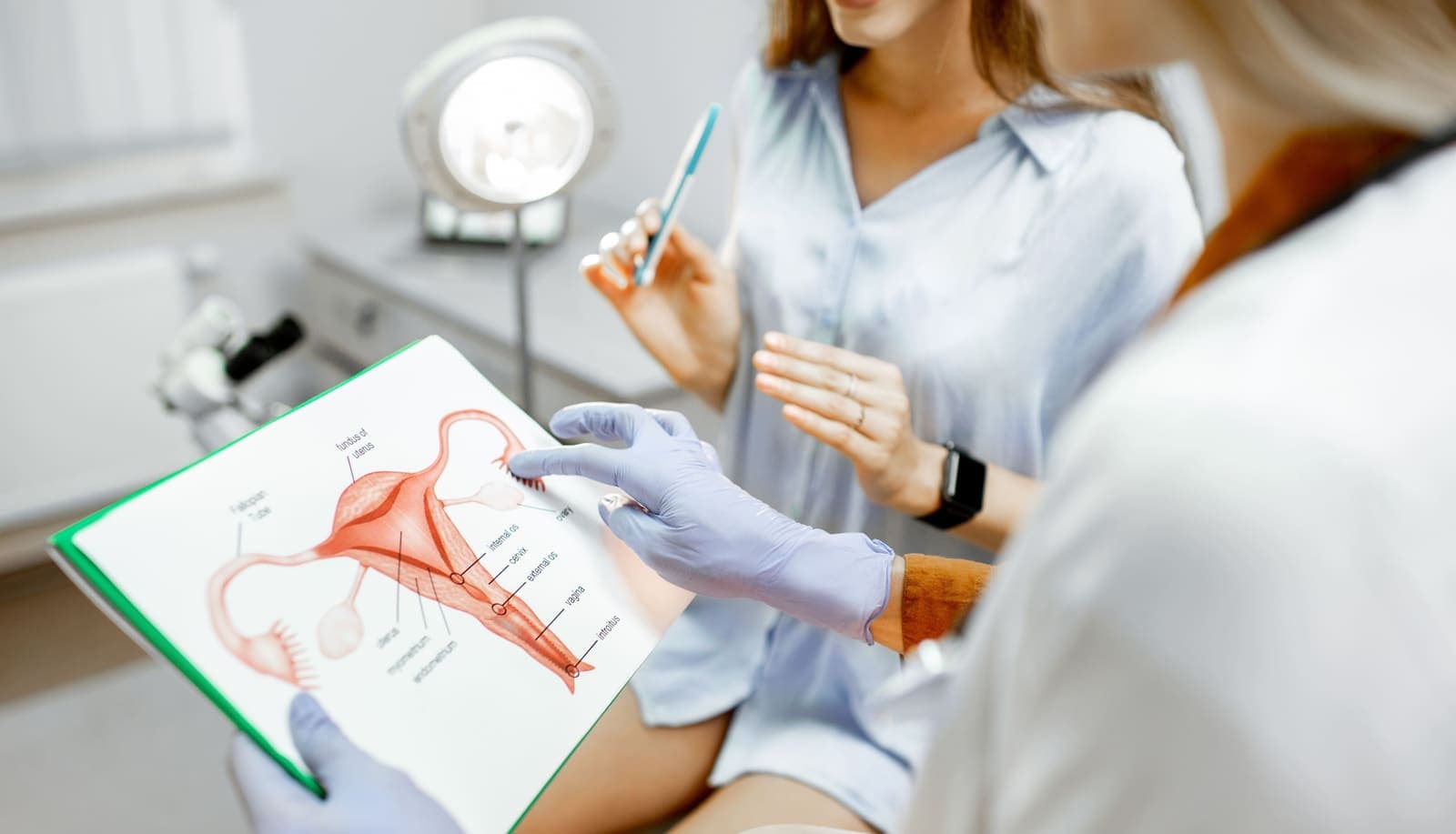
First Trimester Diet: What to Eat in the First Three Months of Pregnancy
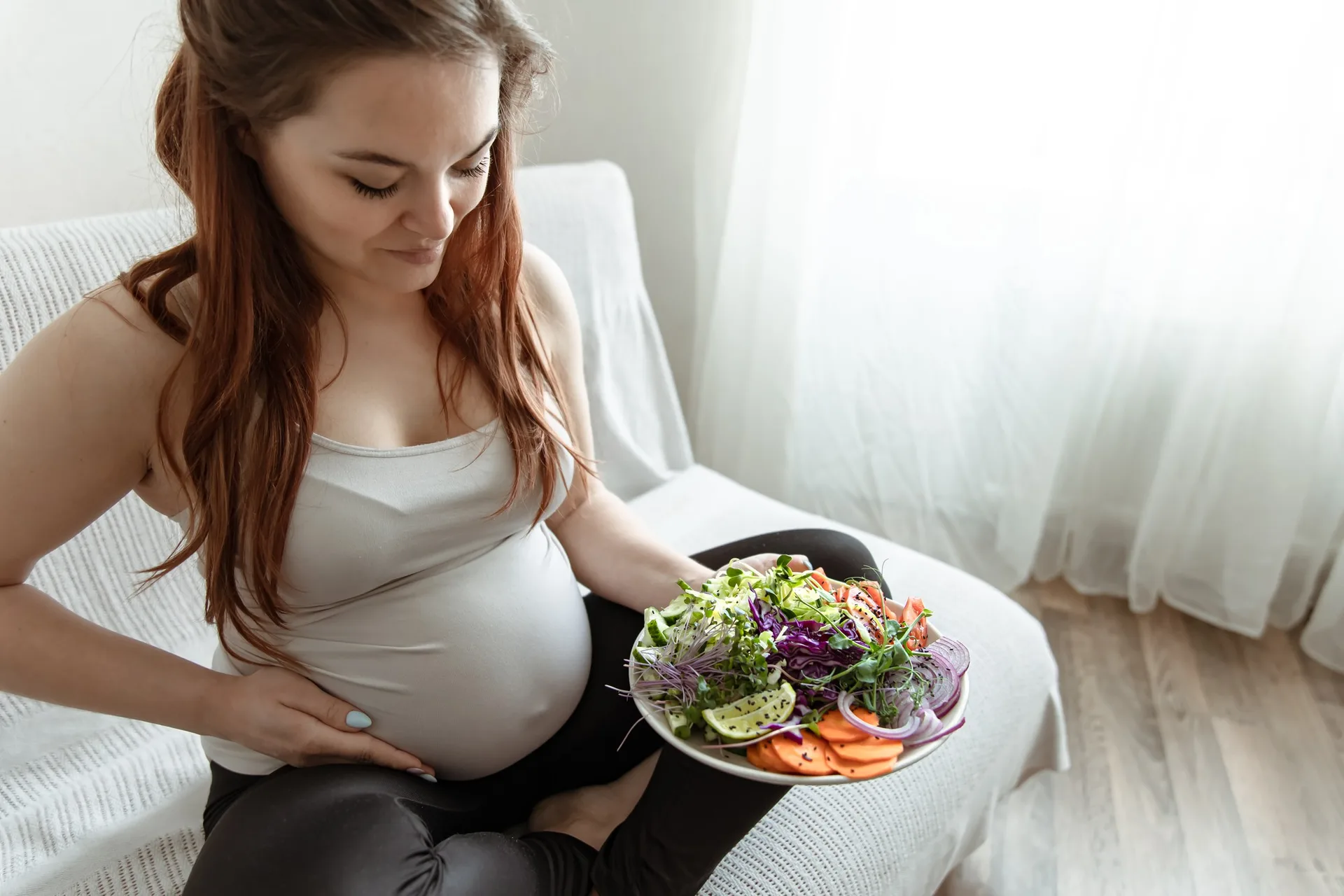
A pregnant woman seated on the couch with a nutritious food plate, representing the importance of balanced eating and proper nourishment during pregnancy.
The first trimester is the strangest nutritional experience most women have ever had. You are hungry — and then suddenly you cannot look at food. Foods you have eaten your whole life smell offensive. Things you never craved before are all you want. Your body is simultaneously building a placenta, forming a human nervous system, and flooding itself with hormones that make eating feel like a serious undertaking.
And in the middle of all of this, every piece of pregnancy nutrition advice assumes you are eating normally.
Most women in the first trimester are not eating normally. And that is completely, medically acceptable — with one important exception: folic acid still needs to happen, every single day, starting from the moment you know you are pregnant.
This guide, put together with input from Dr. Shachi Singh, senior gynecologist at Prakash Hospital, Sector 33, Noida, is an honest, practical resource for eating well in the first trimester — accounting for nausea, aversions, fatigue, and all the other realities that most diet charts simply ignore.
What Is Happening to Your Baby in the First Trimester?
Understanding what is developing helps clarify which nutrients matter most and why.
Weeks 3 to 4: The neural tube forms — this is the structure that becomes the brain and spinal cord. This process is complete by week 6. This is why folic acid is critical before and from the earliest days of pregnancy.
Weeks 5 to 8: The heart begins beating. The limb buds appear. The brain, eyes, ears, nose, and mouth start forming.
Weeks 9 to 12: The baby is now a fetus, not an embryo. All major organs exist in rudimentary form. The face is recognisably human. The kidneys begin functioning. Fingers and toes are defined.
This is the most critical developmental window in the entire pregnancy — and it happens before most women are even thinking systematically about their diet.
The Nutrients That Matter Most in the First Trimester
1. Folic Acid — Non-Negotiable from Day One
Folic acid prevents neural tube defects. This is not a suggestion — it is the most evidence-backed nutritional intervention in obstetrics. A deficiency during neural tube closure (weeks 3 to 6) significantly increases the risk of conditions like spina bifida.
The challenge is that by the time most women confirm their pregnancy at 5 to 6 weeks, the critical neural tube closure has already largely happened. This is precisely why folic acid supplementation is recommended to begin at least one month before planned conception — and continued through the first 12 weeks.
The recommended dose is 400 to 800 mcg per day from supplements. Women with a previous pregnancy affected by neural tube defects should discuss a higher dose (4,000 mcg) with their doctor.
In addition to supplements, prioritise folate-rich foods daily: palak (spinach), methi, all dals, chole, peanuts, oranges, and mosambi.
2. Iron — Because Anaemia Starts Here
Blood volume expansion begins in the first trimester. Women who are already iron-deficient before pregnancy — which describes a very high proportion of Indian women — begin deepening that deficiency immediately. Iron needs during pregnancy jump to 27 mg per day, compared to 18 mg when not pregnant.
Starting iron-rich food habits in the first trimester matters enormously. The deeper the anaemia at the start of the second trimester, the harder it is to correct before delivery.
Iron-rich Indian foods: Dates (khajoor) — 4 to 6 daily; jaggery (gur) — use in place of refined sugar; rajma, chana, masoor dal; palak and methi; ragi flour in rotis; sesame seeds (til). Always add lemon juice or amla to your iron-rich meals — the Vitamin C dramatically increases iron absorption.
3. Vitamin B6 — The Nausea Nutrient
Vitamin B6 (pyridoxine) has genuine evidence for reducing the severity of nausea in early pregnancy. It works on the neurological mechanisms that drive nausea and is considered one of the safer nutritional interventions for morning sickness.
Sources: Banana, potato, chickpeas, sunflower seeds, fortified cereals, whole wheat. A banana each morning is one of the simplest ways to ensure adequate B6.
4. Calcium — Starting from the Beginning
While calcium demands are highest in the second and third trimesters when the baby's skeleton is actively forming, establishing calcium-rich habits from the first trimester makes the rest of pregnancy significantly easier nutritionally.
Sources: Milk, dahi, paneer, chaas (buttermilk), ragi. If dairy is triggering nausea in the first trimester, cold curd or chilled buttermilk is often better tolerated than warm milk.
5. Protein — Even When Nothing Sounds Appealing
Protein needs begin increasing from the first trimester. While the increase is not as dramatic as in later months, maintaining adequate protein supports the placenta development and the initial cellular division of the embryo.
For nausea management: Plain curd, a boiled egg, a small bowl of moong dal — mild, soft proteins that are usually tolerable even when heavier foods are not.
Managing First Trimester Nausea Through Diet
This is the section most pregnancy diet articles skip or handle superficially. Let us be direct: nausea can make it genuinely impossible to follow any diet plan. Some women experience mild queasiness; others experience hyperemesis gravidarum — severe, constant nausea and vomiting that prevents adequate nutrition entirely and requires medical management.
If your nausea is severe enough that you cannot keep food or fluids down for more than 24 hours, or if you are losing weight rapidly, this is a medical situation that needs your gynecologist's attention, not home remedies.
For the majority of women with typical first-trimester nausea, these strategies are genuinely helpful:
1. Eat Before You Get Up
The most effective single nausea intervention in pregnancy is eating something dry and bland before getting out of bed in the morning. Keep khakhras, plain crackers, or marie biscuits on your bedside table. Eat two to three before standing. The act of getting up on an empty stomach triggers the worst nausea in many women.
2. Small Meals, Constantly
An empty stomach is one of the primary triggers for pregnancy nausea. Eating something — anything manageable — every 2 to 3 hours prevents the stomach from emptying fully. A small banana, a few biscuits, a handful of roasted chana, a cup of thin dal — frequency matters more than quantity.
3. Ginger — Traditional, and Evidence-Backed
Ginger has genuine research support for reducing nausea in pregnancy. The mechanism is believed to involve its effect on serotonin receptors in the gut and brain. A cup of adrak chai (made from fresh ginger, not ginger powder, in small quantity), a few pieces of sukhi adrak (dried ginger candy), or warm water with fresh ginger and lemon are all safe and helpful.
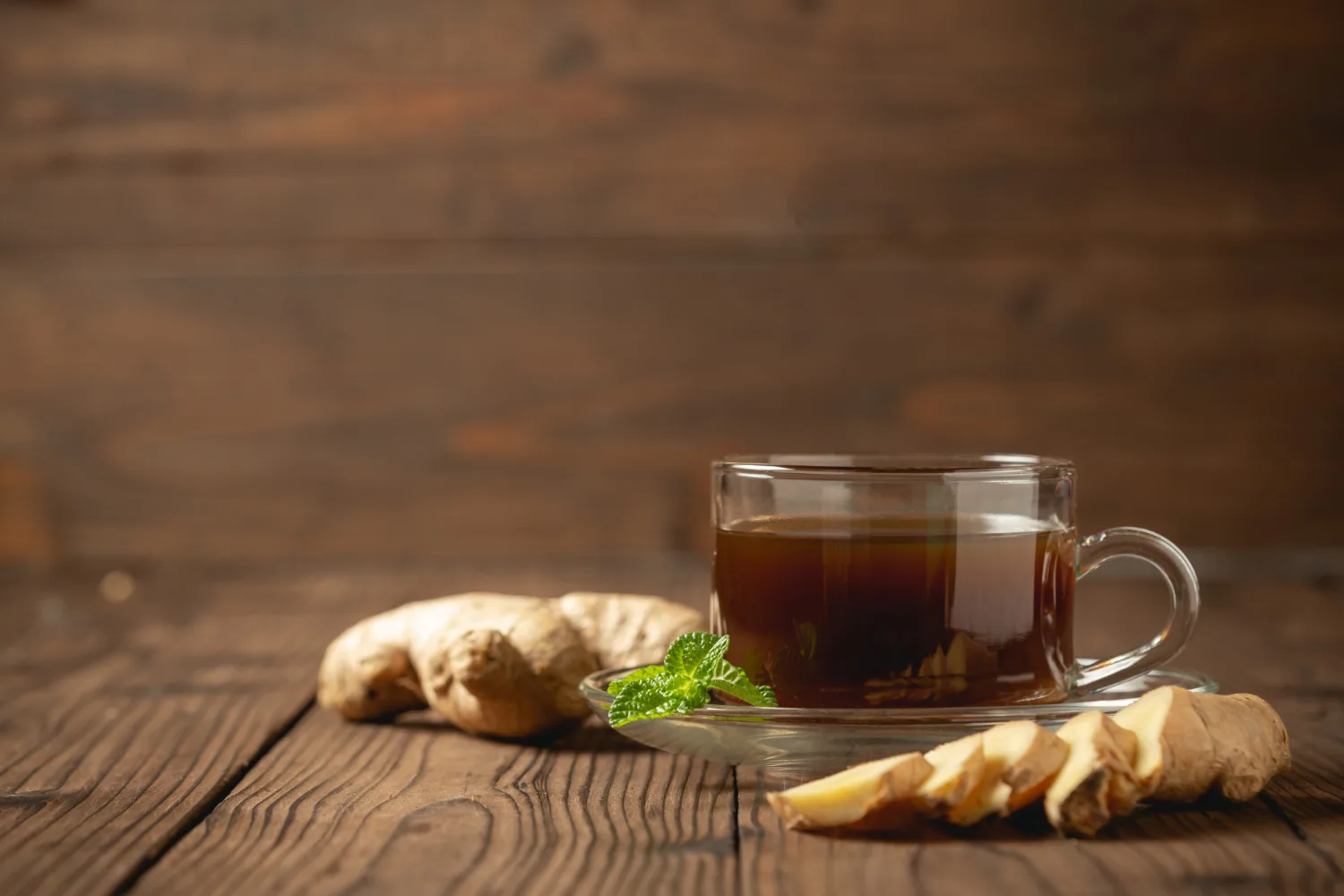
A cup of ginger tea with fresh ginger slices.
4. Cold Foods Often Win
Hot food tends to have stronger smells, which trigger nausea more readily. Cold curd, chilled coconut water, cold fruit, a chilled glass of buttermilk — these are often easier to tolerate than warm meals in peak nausea periods. Do not force yourself to eat hot meals if cold alternatives are easier to manage.
5. Foods That Tend to Be Well-Tolerated
- Plain or jeera rice with thin dal
- Moong dal khichdi (very gentle on the stomach)
- Plain roti with a small amount of ghee
- Banana
- Curd or cold buttermilk
- Idli with light sambar
- Poha without strong spices
- Plain toast or khakhra
- Coconut water
6. Foods That Tend to Worsen Nausea
- Oily or deep-fried foods (pakoras, samosas, parathas with excess ghee)
- Strongly spiced sabzis or gravies
- Garlic and onion (in some women these are major nausea triggers)
- Very hot beverages
- Strong-smelling foods
What a Practical First Trimester Day Looks Like
This is not a perfect plan — it is an honest one. Adjust based on what you can tolerate on any given day.
Before getting up: 2 to 3 plain crackers or khakhras + a glass of water
Breakfast (30 to 60 minutes later, once settled): Moong dal cheela (1 to 2 pieces) with mint chutney, or poha with vegetables and lemon, or plain dalia with jaggery. If none of these work — a banana and a glass of cold curd is perfectly acceptable.
Mid-morning: Fresh fruit (banana, orange, or guava), or a small bowl of curd, or coconut water
Lunch: Moong dal khichdi with a teaspoon of ghee, or plain rice with thin dal and a light sabzi. Do not push yourself to eat a heavy lunch if the stomach is not cooperating.
Evening: Roasted makhana (light and well-tolerated), or a handful of roasted chana, or a banana, or fresh fruit
Dinner: Light and easy to digest. Soft roti with dal and curd. Vegetable khichdi. Idli with sambar.
Bedtime: Warm haldi doodh if tolerated. If not, a glass of cold milk is fine.
Supplements: Folic acid and iron daily as prescribed. Take iron after meals to reduce nausea from it.
The Weight Question in the First Trimester
Weight gain in the first trimester is very modest — typically 1 to 2 kg total across weeks 1 to 12. Some women, especially those with severe nausea, gain nothing or even lose a small amount.
This is generally not a cause for concern. The baby's nutritional demands in the first trimester are small — it is measuring in centimetres. What matters is maintaining folic acid intake and whatever hydration and food you can manage.
If you are losing significant weight or cannot maintain hydration, speak to your gynecologist. If you are gaining more than 3 to 4 kg in the first trimester, discuss whether dietary adjustments are needed.
Foods to Approach With Caution in the First Trimester
A few India-specific foods deserve particular mention in early pregnancy:
Raw papaya: Unripe or semi-ripe papaya contains latex that can stimulate uterine contractions. Avoid raw papaya entirely in the first trimester. Fully ripe papaya (completely yellow/orange, no green patches) is generally considered safe in moderation later in pregnancy.
Pineapple in large quantities: Contains bromelain, which in significant amounts may stimulate uterine contractions. Occasional small amounts in the second and third trimester are generally fine. In the first trimester, when miscarriage risk is highest, it is prudent to avoid large quantities.
Excess caffeine: More than 200 mg of caffeine per day (approximately one strong cup of coffee or two small cups of tea) has been associated with increased miscarriage risk. One to two cups of chai per day is generally considered acceptable. Avoid energy drinks.
Unpasteurised dairy: Fresh milk that has not been boiled, and soft cheeses made from raw milk, can carry Listeria — a bacteria that is particularly dangerous in pregnancy. Always boil milk before consuming. Homemade paneer and dahi from boiled milk are safe.
Alcohol: There is no safe level of alcohol during pregnancy. Avoid completely.
When to Stop Trying to Manage Nausea at Home
Home remedies and dietary adjustments work for mild to moderate first-trimester nausea. They are not adequate for:
- Vomiting more than 3 to 4 times per day
- Being unable to keep any food or fluid down for 24 hours
- Significant weight loss (more than 2 to 3 kg) in the first trimester
- Feeling so weak or dizzy that normal daily functioning is impaired
- Noticing dark urine or no urination (signs of dehydration)
This is hyperemesis gravidarum — a medical condition that requires treatment, possibly including IV fluids, anti-nausea medication, and careful monitoring. It is not something to push through at home.
First Trimester Nutrition Care in Noida and Greater Noida
The first trimester is medically the most critical developmental period of pregnancy, even though it is often the hardest to navigate nutritionally. If you are struggling — whether with nausea, understanding what supplements to take, or managing symptoms that are affecting your daily life — these are conversations for your antenatal appointment, not questions to answer alone through online searching.
Dr. Shachi Singh at Prakash Hospital, Sector 33, Noida, provides first trimester care and nutrition guidance for women across Noida and Greater Noida. From establishing your prenatal supplement routine to managing hyperemesis, the first trimester is where antenatal care starts in earnest.
To book a consultation with Dr. Shachi Singh, call: +91 97023 46853
Clinic Hours: Monday to Saturday, 9 AM – 6 PM | Sunday, 10 AM – 2 PM
Clinic Address: D-12A, 12B, Sector-33, G.B. Nagar, Noida, Uttar Pradesh 201301
Frequently Asked Questions
1. What should I eat in the first trimester if I cannot eat because of nausea?
Eat whatever you can tolerate. Bland, cold, and dry foods — plain crackers, banana, cold curd, coconut water, moong dal khichdi — are usually best tolerated. The priority is staying hydrated and maintaining folic acid intake. The baby's caloric demands at this stage are small. If nausea is preventing you from keeping anything down, see your gynecologist.
2. When should I start folic acid during pregnancy?
Ideally, one month before you start trying to conceive, and continue through the first 12 weeks of pregnancy. If you discovered your pregnancy after conception, start immediately — folic acid remains relevant through week 12.
3. Can I eat curd during nausea in the first trimester?
Yes. Cold curd is often one of the best-tolerated foods during first trimester nausea. It provides protein, calcium, and probiotics, all in a mild, cooling form. Most women who cannot tolerate warm milk can manage cold curd.
4. Should I take iron supplements in the first trimester?
Yes, if prescribed by your gynecologist. Iron needs increase from the first trimester. If your pre-pregnancy haemoglobin was borderline, starting iron supplementation early prevents the progressive deepening of anaemia that occurs across the pregnancy.
5. How much weight should I gain in the first trimester?
Approximately 1 to 2 kg is typical and appropriate. Some women with severe nausea gain nothing or lose a small amount — this is generally not harmful to the baby at this early stage. Discuss significant weight loss or unusually high gain with your doctor.
This blog is written for educational and informational purposes only. It is not a substitute for professional medical advice. Please consult Dr. Shachi Singh or a qualified gynecologist for guidance specific to your pregnancy.