Breast Health: Self-Examination And Warning Signs
By Dr. Shachi SinghUpdated

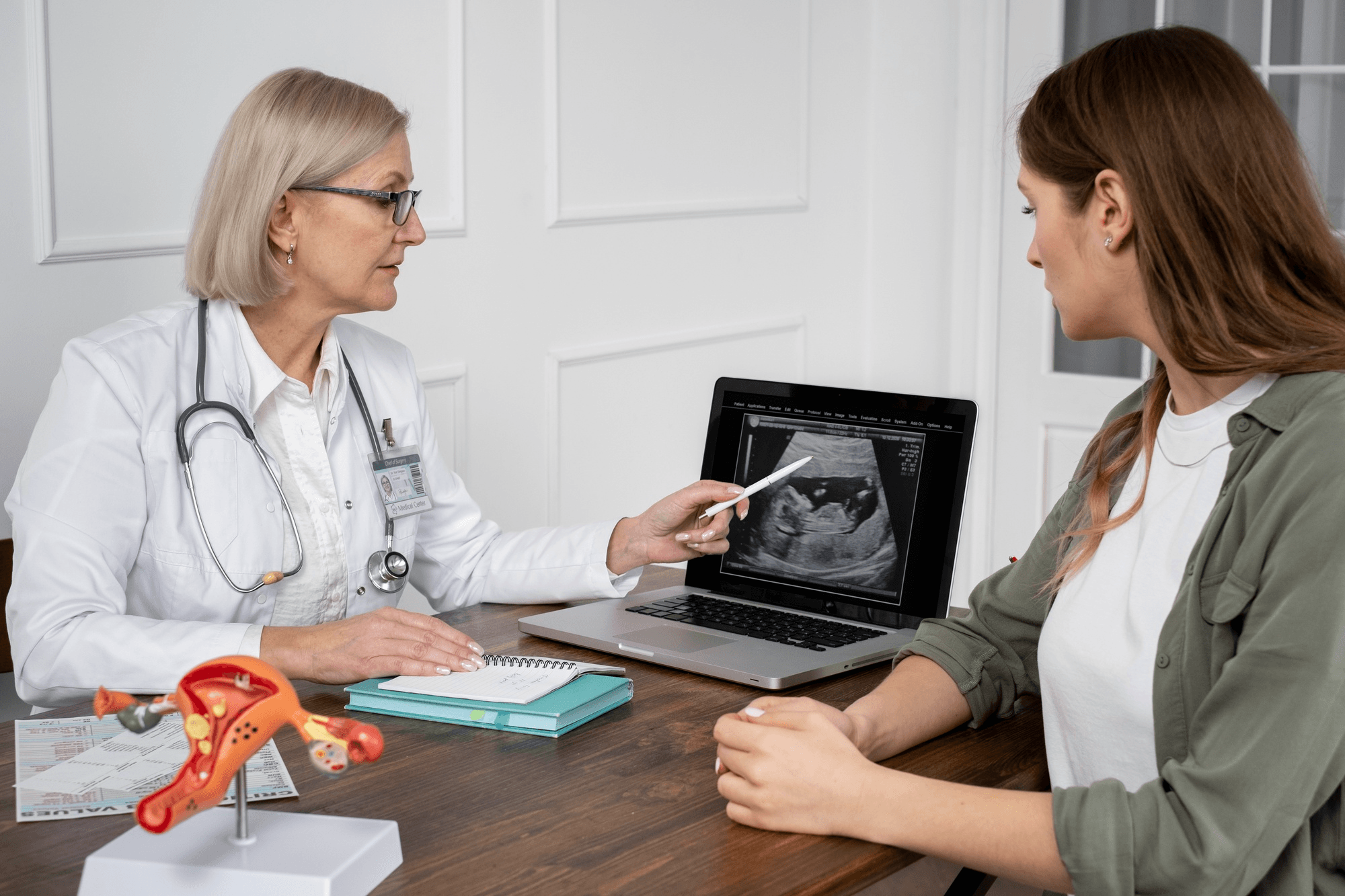
A confident physician advocating breast health awareness and underscoring the significance of early detection, routine examinations, and preventative screening.
Good breast health is a critical aspect of overall well-being and relies on early diagnosis and intervention. A thorough BSE allows each woman to know what is normal for her, helping her to identify any deviations that may warrant medical attention. Women must become aware of any warning signs and take appropriate action to see a doctor.
The warning signs of any abnormality in the breast include the finding of a lump or thickened area; any change in the skin texture or appearance of the breast; any discharge from the nipple; and any persistent or unusual breast pain. BSE should not be seen as a substitute for regular screening by a health professional.
What is Breast Self-Examination (BSE)?
BSE is an affordable, easy way to maintain surveillance of the breasts. Through systematic visual inspection and palpation, BSE helps to familiarize women with normal breast tissue so that they can readily recognize any abnormal findings at the earliest opportunity. The ability to detect abnormal breast changes is of great importance, as women themselves first detect a majority of breast abnormalities.
While BSE is an adjunctive tool to clinical examination and imaging modalities, it enhances individuals’ understanding of the normality of their breasts. It encourages individuals to seek prompt medical attention if abnormalities are detected.
Engaging in the regular habit of self-examination can reduce an individual's apprehension of the unknown and lead to improved overall well-being.
A Few Key Pointers for BSE:
- Timing: monthly, ideally on days 5-7 of the menstrual cycle after menses has ended.
- Technique: inspection visually in the mirror and palpation with finger pads using a circular motion across the entire breast tissue, underarm, and nipple area for any abnormal finding (lump, dimpling of skin, redness of breast, inverted nipple, or discharge).
- Position: check position in both upright and reclining positions.
Breast Health: Self-Examination Technique
Breast self-examination (BSE) is a systematic way of checking one’s breasts to feel for anything unusual at an early stage. It is a key part of breast awareness and must be done once a month between the fifth and seventh day following menstruation (the time of month when hormonal influence on breasts is least). For postmenopausal women, it should be scheduled for a set date of the month every month.
1. Visual check (in front of a mirror)
The procedure starts with a visual check while standing and undressing from the waist. Arms are relaxed on the sides. Eyes are focused on the mirror while examining for breast symmetry, size, and contour. Breast shape, texture, and size are visually inspected.
It must be repeated with arms raised upwards on the head and then while pressing palms of hands on buttocks for proper compression of pectoral muscles. The women must examine their breasts visually.
2. Palpation while sitting or standing
The method is usually done at the time of a bath when the skin can be smoothly maneuvered. Three middle fingers are used while checking, light to moderate to deep touch should be applied in a specific pattern, circular technique, vertical strip method, or wedge technique.
The whole of the breast is to be checked from the clavicle to the lower margin of the chest bone, and from the axilla to the cleft in the chest. Axillary tail also included. During palpation for any swelling or lump, the breast should be firm with moderate rigidity.
3. Palpation while lying down
The breasts should be palpated while the woman is lying flat on her back. A pillow should be placed under one shoulder, and that arm should be bent up over the head, so that the shoulder is higher than the arm on the opposite side.
This positions the breasts flat on the chest for examination. Check the breasts from front to back as described previously.

A woman carefully examines her breasts, looking and feeling for any abnormal masses, changes, or tenderness in her chest area.
4. Examination of the nipples
The nipples should be gently compressed between the thumb and index finger and examined for any discharge. Examine the nipple for swelling or skin ulceration.
Any spontaneous nipple discharge, especially bloody, should be promptly evaluated by a physician. Note any nipple inversion or any changes in the areola.
5. Examination of the axilla
The breast tissues extend into the armpit, which needs to be checked properly. The examiner’s fingertips (middle fingers of the left hand for the right axilla and the fingertips of the right hand for the left axilla) should be felt for any enlarged axillary glands or lumps.
6. Routine Pattern, documentation, and familiarization
Every woman should know what a breast feels like and should therefore be able to recognize unusual changes. It is important to use the same palpation pattern each month to ensure consistency. It is important to document the changes.
A routine that covers all the tissues of the breast and the axillae should be established. It is useful for women to be able to recognize their own pattern of breast texture.
Warning Signs to Watch For
- A lump or mass that is new or changes in size, shape, or texture
- Skin changes such as dimpling, redness, warmth, or thickening
- Pain localized to one part of the breast
- Nipple discharge, particularly if bloody, occurs spontaneously or is associated with other findings.
- Other symptoms, such as swelling or visible distortion of the breast
If any of these warning signs are detected, it is crucial to see a healthcare professional for prompt evaluation, as most changes, while not all, are cancerous and do require a medical assessment. While BSE is a valuable tool, it does not replace clinical examination or screening tests like mammography, but complements them.

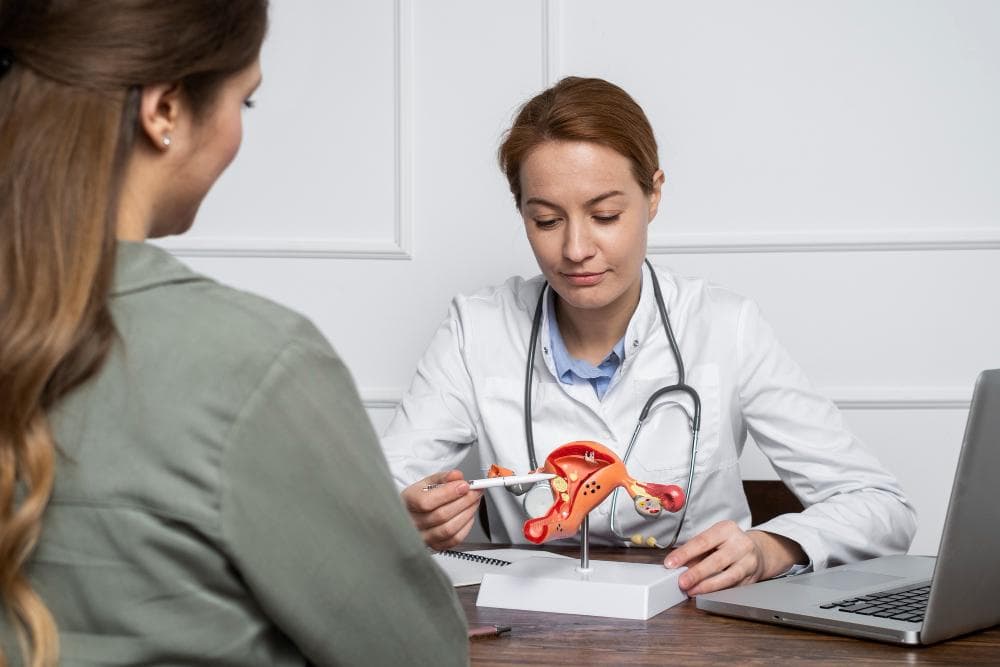
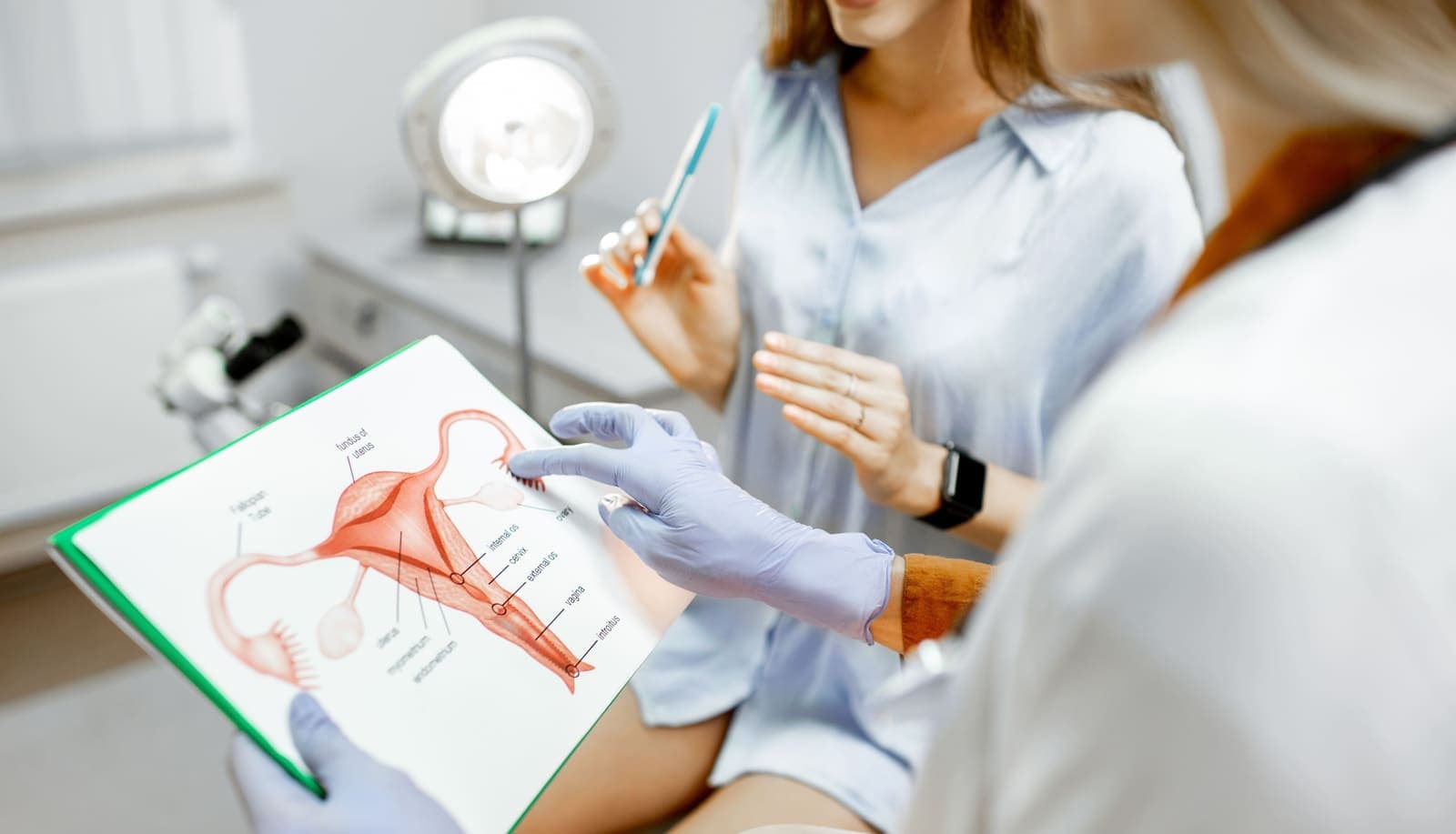
Medical expert demonstrating breast self-examination steps to a woman, highlighting effective techniques to spot and prevent potential breast health issues.
Final Thoughts
Breast self-examination (BSE) is an easy yet effective way to create self-awareness, prompt early detection, and encourage self-care for your health. Self-examining will help you learn what's normal for you and identify any abnormalities immediately. Though it should not replace regular screenings, it greatly helps to complement breast health management efforts.
Quick recognition and immediate action if something appears wrong, as well as immediate reporting of these observations, can have a positive impact on breast health. Developing this practice empowers women to make their health their priority with awareness and confidence.
Expert Care with Dr. Shachi Singh
Take proactive charge of your breast health with leading specialist Dr. Shachi Singh, a proficient gynecologist, obstetrician, and laparoscopic surgeon. Utilizing a patient-centric approach and modern medical practices, she guarantees thorough assessments, accurate diagnoses, and tailored treatment strategies.
Do not disregard any symptoms; instead, book your appointment today and experience unparalleled care devoted to your overall well-being.
Frequently Asked Questions(FAQs)
1. After breast cancer, what foods should you avoid?
You should avoid alcohol, processed meats, red meat, refined sugar,s and high-fat, ultra-processed foods after breast cancer, as these can cause increased inflammation, potential for obesity, and can even raise your chance of the cancer returning. You should aim for a varied diet that focuses on a high intake of fruits and vegetables, whole grains, and lean protein.
2. What is the most common breast cancer in a 70-year-old woman?
The most common type of breast cancer to affect a 70-year-old woman is Invasive Ductal Carcinoma (IDC). The cancer arises in the breast ducts and grows through the wall of the duct into the surrounding breast tissue. Most estrogen receptor-positive subtypes in older women will progress more slowly and have a better response rate to endocrine treatment than the more aggressive subtypes.
3. What is the average breast size?
Average breast size is very individual and is affected by several different factors, including genes, age, hormones, and BMI. In the general global population, it is estimated to be approximately 34 °C, but this is not a clinical figure. There is no specific measurement that correlates with the risk of, or general breast health, concerning cancer.
4. What is the fastest-growing breast cancer?
The fastest growing type of breast cancer is Inflammatory breast cancer (IBC). This is a relatively rare form of breast cancer that develops quickly with redness and swelling without necessarily any lumps. Due to its ability to grow and metastasize rapidly, early diagnosis is crucial, and a multimodal treatment is required.
5. What is the biggest indicator of breast cancer?
The biggest indicator of breast cancer is a new, painless lump or mass in the breast or under the arm. However, the lump may not be the largest indicator; look for skin dimpling or inversion, a change in the size and shape of the breast, and nipple discharge. Only tests such as mammograms and biopsies can make a confirmed diagnosis of breast cancer.