Importance of Annual Gynecological Checkups

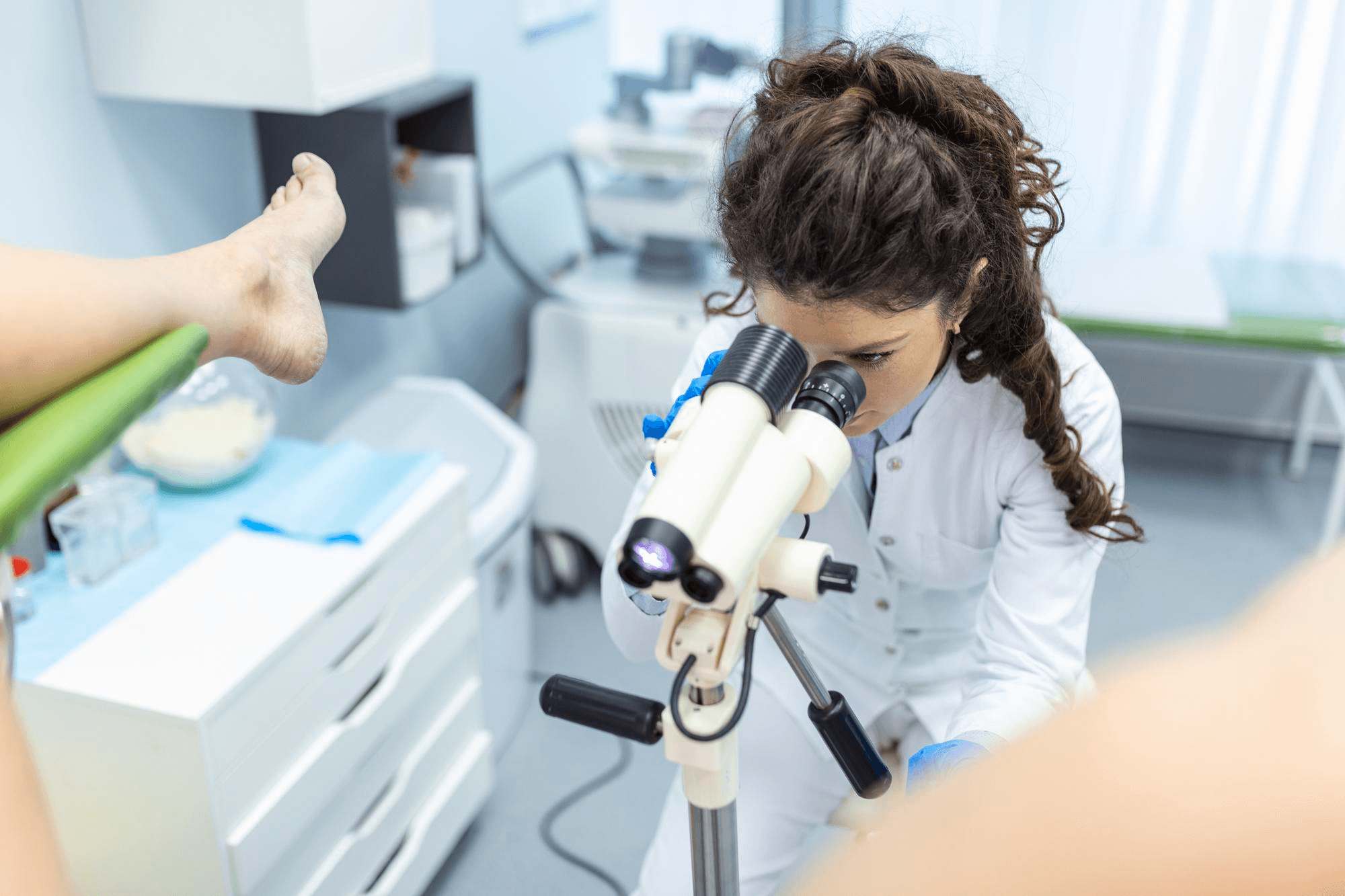
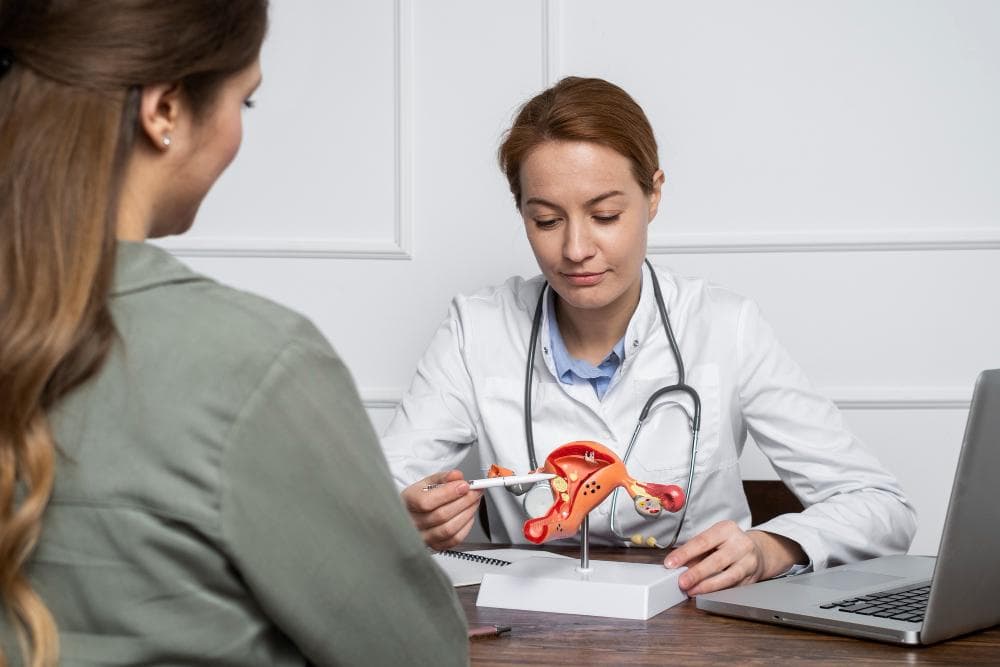
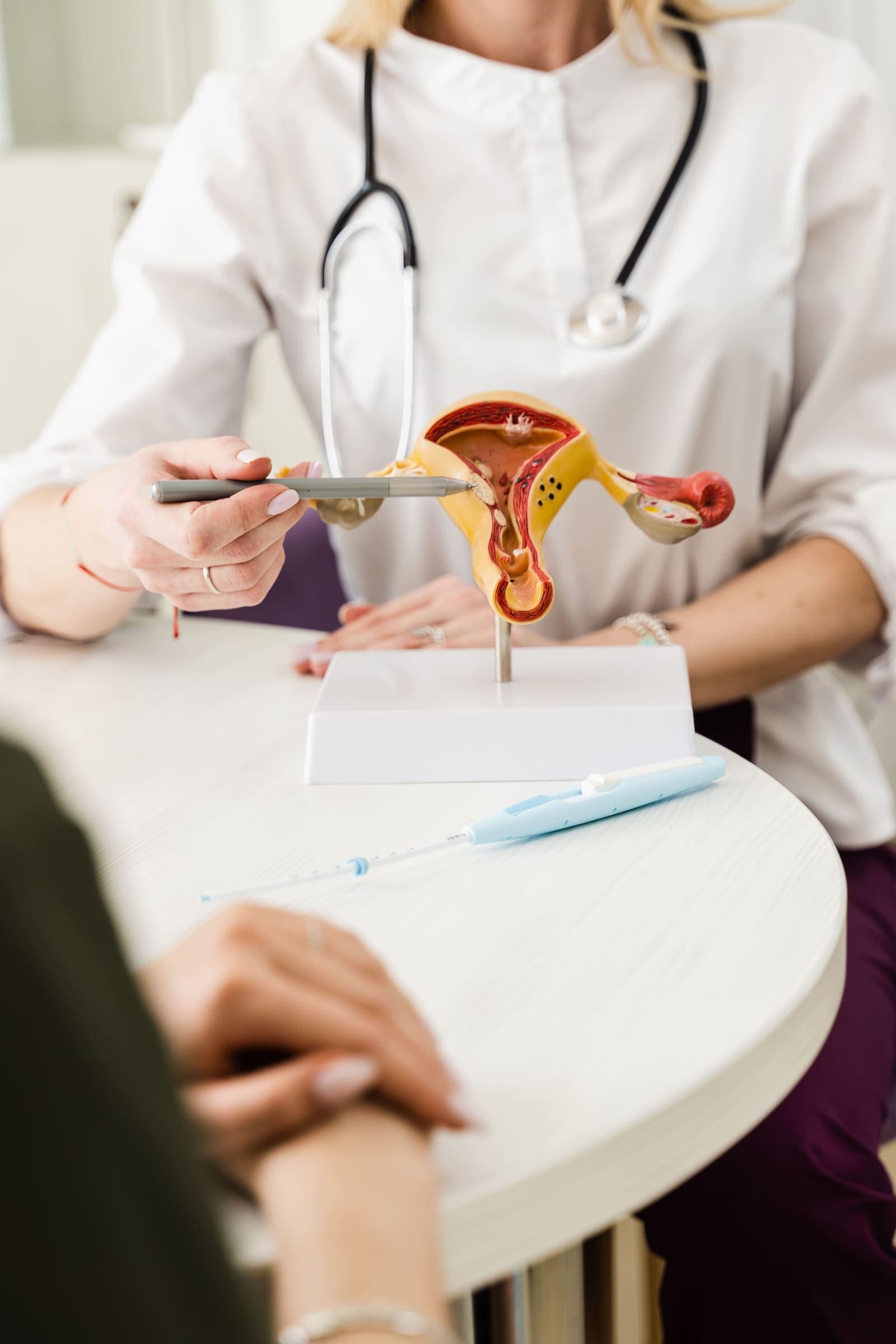
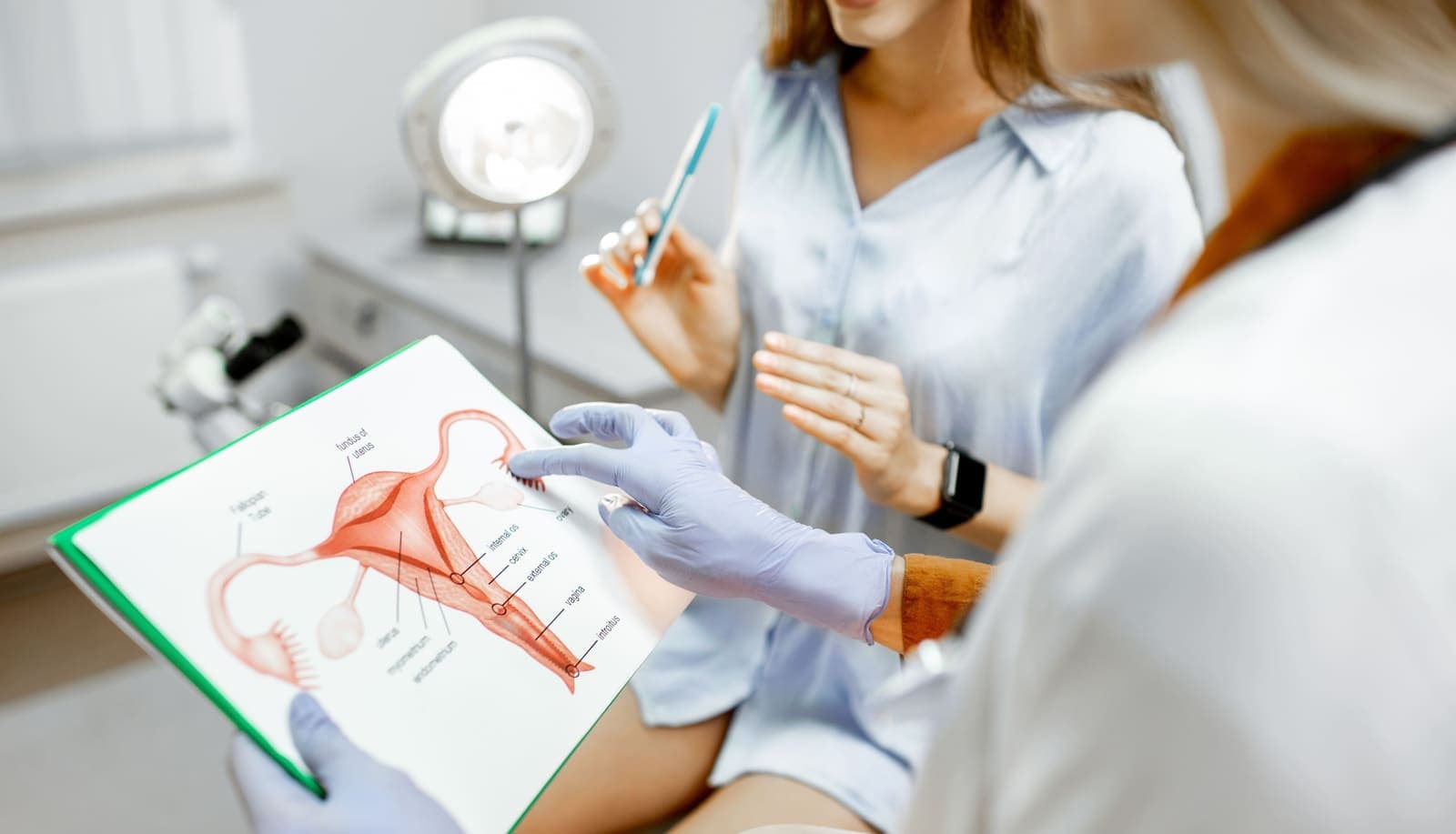
A woman wearing a mask and sitting in front of her gynecologist, talking openly during her routine appointment about her reproductive health concerns.
An annual gynecological exam does much more than tick a box, it keeps you in touch with your body. Visiting your doctor every year allows them to catch things like infections, hormonal changes or warning signs before they have a chance to manifest as more serious problems. These appointments are not just for screenings.
They’re your chance to raise questions, get direct advice and ensure you’re taking care of yourself for the long haul. When you are keeping up with these visits, you’re making your health a genuine priority.
Why Is It Important To Visit A Gynecologist Annually?
1. Spotting Health Issues Early
Your annual gynecological checkup gives your gynecologist a chance to spot problems early, things like infections, cervical cancer, ovarian cysts, or PCOS. If you catch these health issues sooner, you can deal with them right away and save yourself a lot of trouble later.
2. Staying on Top of Reproductive Health
Going to the doctor regularly for checkups is not just something you have to do. They let you keep an eye on stuff like your periods or hormone stuff, and maybe fertility things too, or even those annoying pains in the pelvic area or weird discharge that just won't go away.
Screenings come into play here, such as Pap smears and pelvic exams. They check whether everything in your reproductive system is functioning properly. It's sort of reassuring in a way.
3. Preventive Care and Good Advice
These checkups are for spotting problems as they’re a chance to talk openly about birth control, pregnancy planning, your sex life, or everyday habits. Your gynecologist can share tips on hygiene, nutrition, and keeping your hormones in check, all of which support your reproductive health and just help you feel better overall.
When’s The Right Time To See A Gynecologist?
- Most experts, including the American College of Obstetricians and Gynecologists, say you should go for your first visit between 13 and 15 years old.
- It’s pretty early, but these appointments are about learning what’s normal when it comes to periods, how to stay clean, and which symptoms actually need attention.
- A lot of teenagers deal with irregular periods. Sometimes it’s nothing, but sometimes it’s a sign of something like polycystic ovary syndrome (PCOS). Gynecologists can help you figure out what’s going on.
- Puberty comes with a bunch of changes, hormones, new body stuff, and questions about vaginal health. Having a doctor explain all this can make everything way less confusing.
- Starting gynecologist visits sooner sets up good habits for life. You learn about reproductive health and hygiene, and you stay on top of your own well-being for the long run.
Gynecological Issues That Need a Gynecologist's Attention
1. Irregular or Painful Periods
- If your period is all over the place, you’re bleeding way more than usual, or the cramps knock you flat, don’t just ignore it.
- Issues like this point to things like Polycystic Ovary Syndrome (PCOS), Endometriosis, or other hormonal problems.
- If you keep skipping periods, they drag on forever, or you’re in a lot of pain each month, it’s time to see a doctor and get to the bottom of it.

A woman is clutching her stomach in pain.
2. Unusual Vaginal Discharge
- If you notice something off down there, like a strange smell or the color looking wrong, or itching that bugs you, or even burning, you should not brush it off.
- Those signs point to infections sometimes. Bacterial vaginosis or yeast infections happen to a lot of people.
- Waiting only makes them worse. You end up dealing with bigger problems down the line.
- So getting seen early means treatment starts fast, and you avoid the serious stuff that could follow.
3. Persistent Pelvic Pain
- Pain that sticks around in your pelvis isn’t normal. It could be anything from Ovarian Cysts or Uterine Fibroids to a pelvic infection.
- A gynecologist can figure out what’s causing it and help you deal with it.
4. Abnormal Bleeding Between Periods
- Any bleeding that pops up between your periods, after sex, or once you’ve hit menopause is a red flag.
- Sometimes it signals a hormonal imbalance, or something more serious like Cervical Cancer. Don’t wait, get it checked.
5. Severe Premenstrual Symptoms
- If the week before your period turns life upside down, think major mood swings, bloating, tiredness, or irritability.
- It could be Premenstrual Syndrome (PMS) or the more intense Premenstrual Dysphoric Disorder (PMDD). These can really mess with daily life, but you don’t have to tough it out on your own.
6. Fertility Concerns
- If you’ve been trying for a year and nothing’s happening, there could be things like Polycystic Ovary Syndrome or hormone imbalances making it tough.
- They’ll do some tests, explain what’s going on, and help you figure out what to do next.
What to Expect at Your First Gynecologist Visit
1. Medical History
Your doctor will start by asking about your periods, any health problems you’ve had, what medications you’re taking, and questions about your sexual health. They’ll also want to know if you’ve been dealing with issues like irregular cycles or pain. This helps them look out for things like PCOS or hormone imbalances right away.
2. General Health Check
Next up, they’ll check your weight and blood pressure, maybe ask a few questions about your general well-being. These basics can actually say a lot about your hormonal and reproductive health.
3. Pelvic Exam
For the physical part, the doctor examines your uterus, cervix, and ovaries. They’re checking for anything unusual, things like fibroids, cysts etc.
4. Screening Tests
Your gynecologist might do a Pap smear or other tests during your appointment. These help spot early signs of issues like cervical cancer, so it’s worth getting them done.
5. Advice and Tips
Before you head out, your gynecologist will talk you through stuff like periods, birth control, family planning, and how to keep your reproductive health in check. Don’t hold back on questions; even the little ones matter.
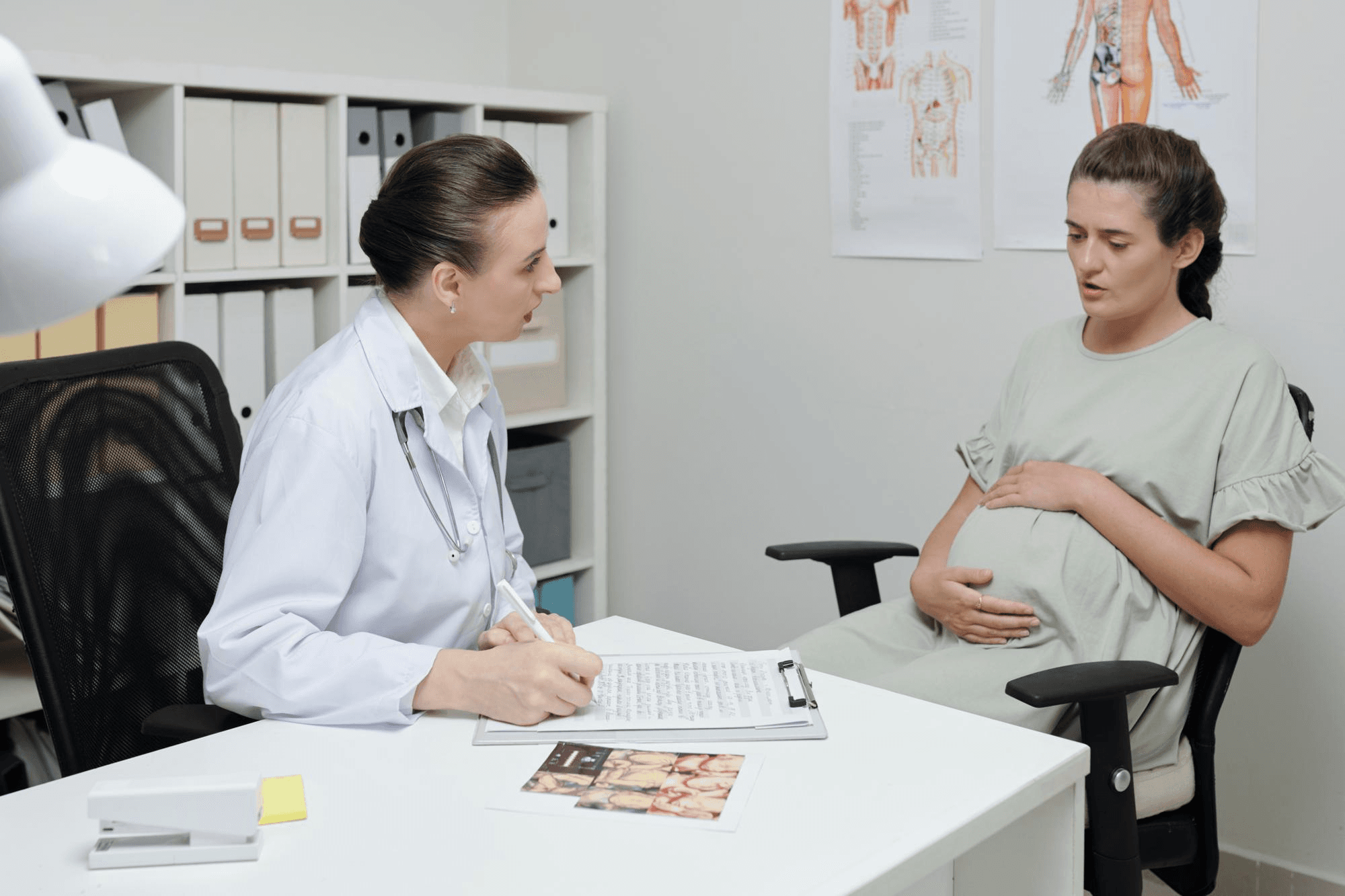
A pregnant woman is consulting with a gynaecologist.
Final Thoughts
Getting a yearly gynecological checkup really matters for a woman’s health, both reproductive and overall. These visits catch problems early, keep tabs on hormones, and make sure everything’s working right. Plus, you get a chance to talk about periods, fertility, or anything else that’s on your mind. When women make these appointments a priority, they stay informed and take real steps toward feeling good and staying healthy for the long haul.
Expert Care With Dr. Shachi Singh:
Take care of yourself with help from Dr. Shachi Singh. She’s a gynecologist, obstetrician, and laparoscopic surgeon whom people trust. Whether you need a routine checkup or you’re dealing with irregular periods or fertility issues, she listens and tailors her advice to you. Your health matters, so don’t put it off.
Book your annual gynecological appointment and start feeling confident about your well-being.