Pain During Intercourse: Causes and Treatment Options
By Dr. Shachi SinghUpdated

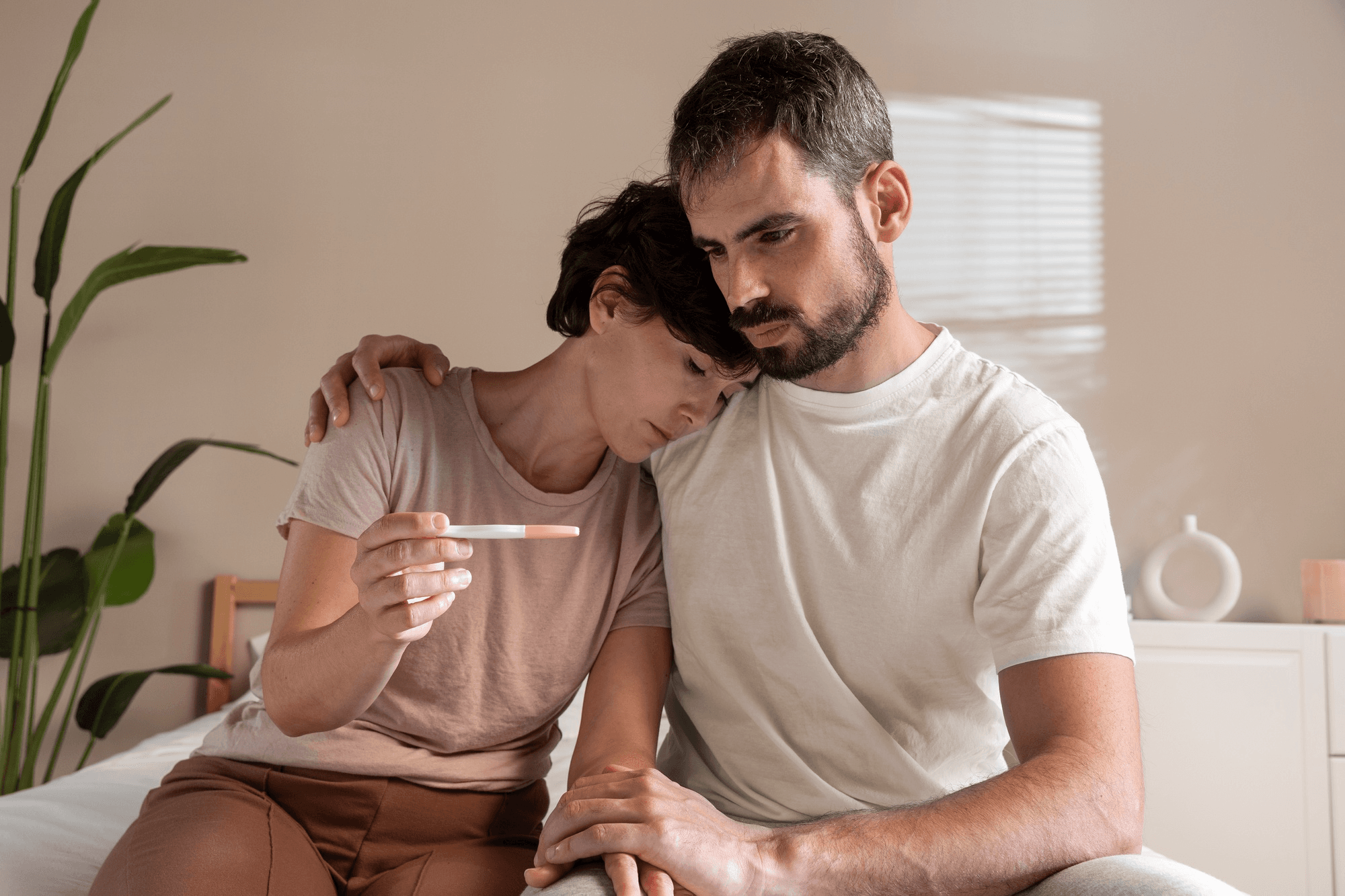
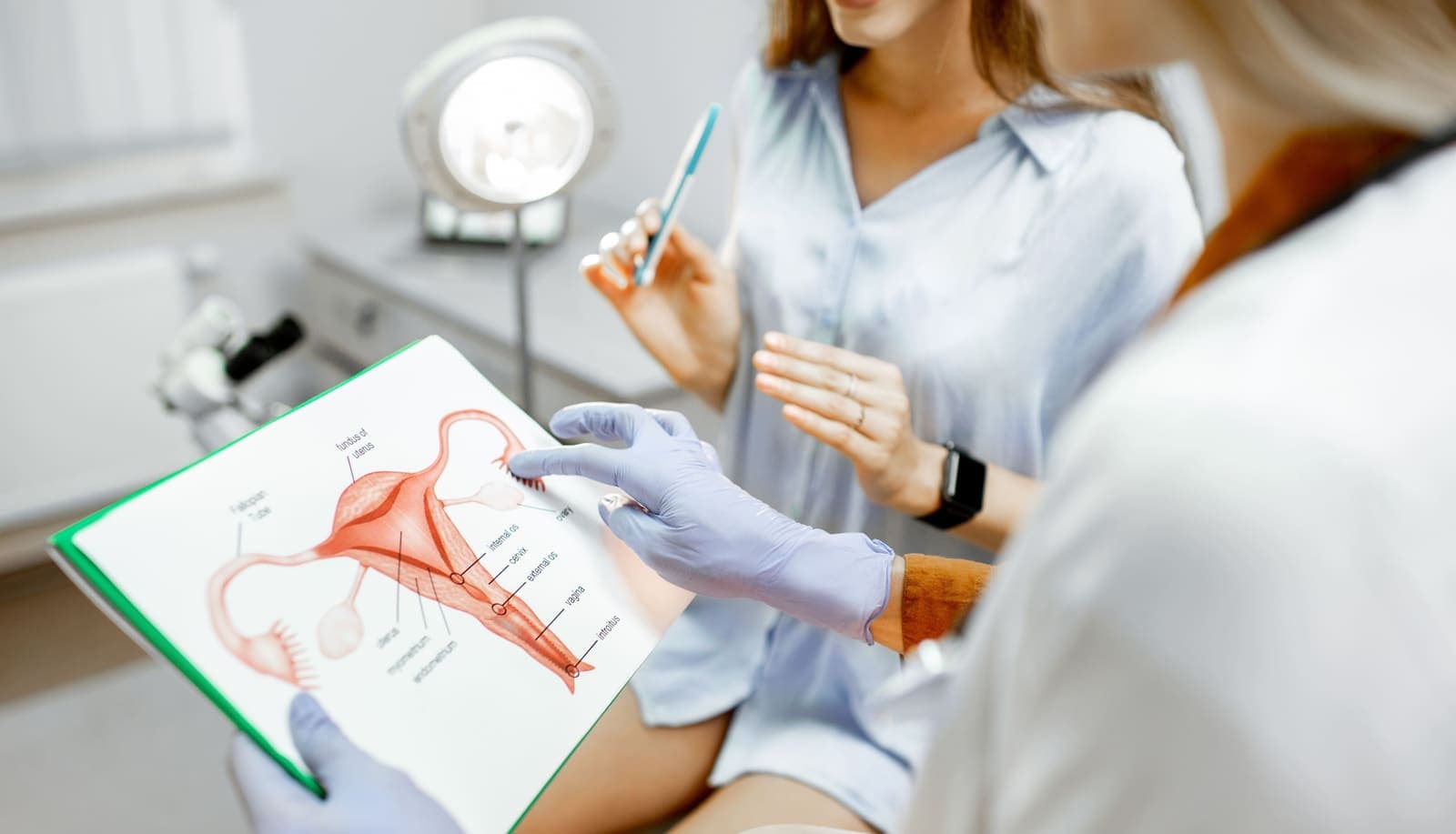
A couple discussing their concerns with their doctor regarding their intimate health and referring to symptoms of painful intercourse, showing emotional distress and a need for professional assessment.
Pain during intercourse, known medically as dyspareunia, is an often-underreported but frequent problem for people of all ages. It can happen either before, during, or after sex, and is sometimes brought about by physical, hormonal, or emotional causes, such as an infection, dryness in the vagina, problems with the pelvic structure, or emotional upset. Many sufferers hesitate to seek help because they feel ashamed or simply because they may be unaware of possible causes and treatments.
Pain During Sex: Is It Normal?
Experiencing pain during sex is quite a common issue that many women suffer from at least once during their lives. Fleeting periods of mild discomfort can often happen from things like poor lubrication, nervousness, etc., but pain that persists and occurs repeatedly will not be regarded as normal.
If this is the case, the condition known as dyspareunia can cause pain both externally to the vaginal region and internally within the pelvis, occurring before, during, and after intercourse, and may also be linked with physical reasons such as infection, hormone levels, or issues within the pelvis, or with psychological causes affecting natural responses of the body.
Causes Of Pain During Intercourse
1. Physical, Hormonal, And Structural Causes
The range of conditions and factors that contribute to painful intercourse (dyspareunia) are of varied types that may impact the structure of the vaginal canal and pelvic region. Understanding these factors is useful in addressing the problem.
2. Vaginal Atrophy
This condition affects a woman if the vaginal lining has grown thin and dry, with loss of elasticity, due to low levels of the female hormone estrogen. This normally develops during the stages approaching menopause and after menopause, and it could also occur after certain medical procedures or operations to remove the ovaries for the treatment of cancer.
3. Urethral Conditions
Inflammation of the urethra (urethritis) or irritation of the urethra are common causes of pain during sex. The condition can be caused by local irritation, changes in hormone levels, and sometimes, infection. This is more prevalent in women.
4. Poor Lubrication
Insufficient natural lubrication of the vagina also causes pain, especially at the point of penetration. This may be because arousal was not sufficient, hormonal changes associated with postpartum/breastfeeding/menopause, or some specific medication being taken, like those to treat depression or the common cold, by the patient.
5. Vaginismus
This occurs when the muscles surrounding the vaginal opening involuntarily contract upon attempting vaginal penetration. The contraction may be extreme in some women, and this may make penetration difficult and painful. The muscle spasms can be caused by the physical effects of infection, anxiety, or sexual abuse.
6. Vaginal Scarring (Stenosis)
Scar tissue that develops within the vagina can also lead to a decrease in its flexibility and increased narrowness, thus making penetration during sex painful. This may happen after certain types of surgery, during the labor process, and during radiation therapy for cancer.
7. Bladder and Pelvic Conditions
Conditions affecting the bladder, like interstitial cystitis,s are also a cause of pain that occurs in the pelvic region and feels worse with sex. Adhesions (scar tissue) can also occur in the pelvic region and attach other organs like the bladder to the womb, and in women with adhesions, movement between them is restricted, causing pain.
8. Endometriosis
This is an inflammation of the womb lining, which may occur outside the womb. Tissue resembling that of the uterine lining is formed within the pelvic region, causing scar tissue and inflammation, and this tends to feel more sore when sexual intercourse takes place and afterwards.
9. Infections And Inflammation
Bacteria or fungal infections may lead to vaginitis or vulvovaginitis, resulting in an itchy vagina, as well as an odorous vaginal discharge and painful sex. Other infections, such as Pelvic inflammatory disease (PID), often resulting from unchecked STIs, can also be a painful problem.
10. Ovarian And Uterine Problems
Ovarian cysts may result in pain during intercourse, especially if they rupture or are particularly large. Uterine prolapse can result in a dragging sensation as well as pain and discomfort. A tilted or 'retroverted' uterus can also result in a degree of pain depending on the sex position.

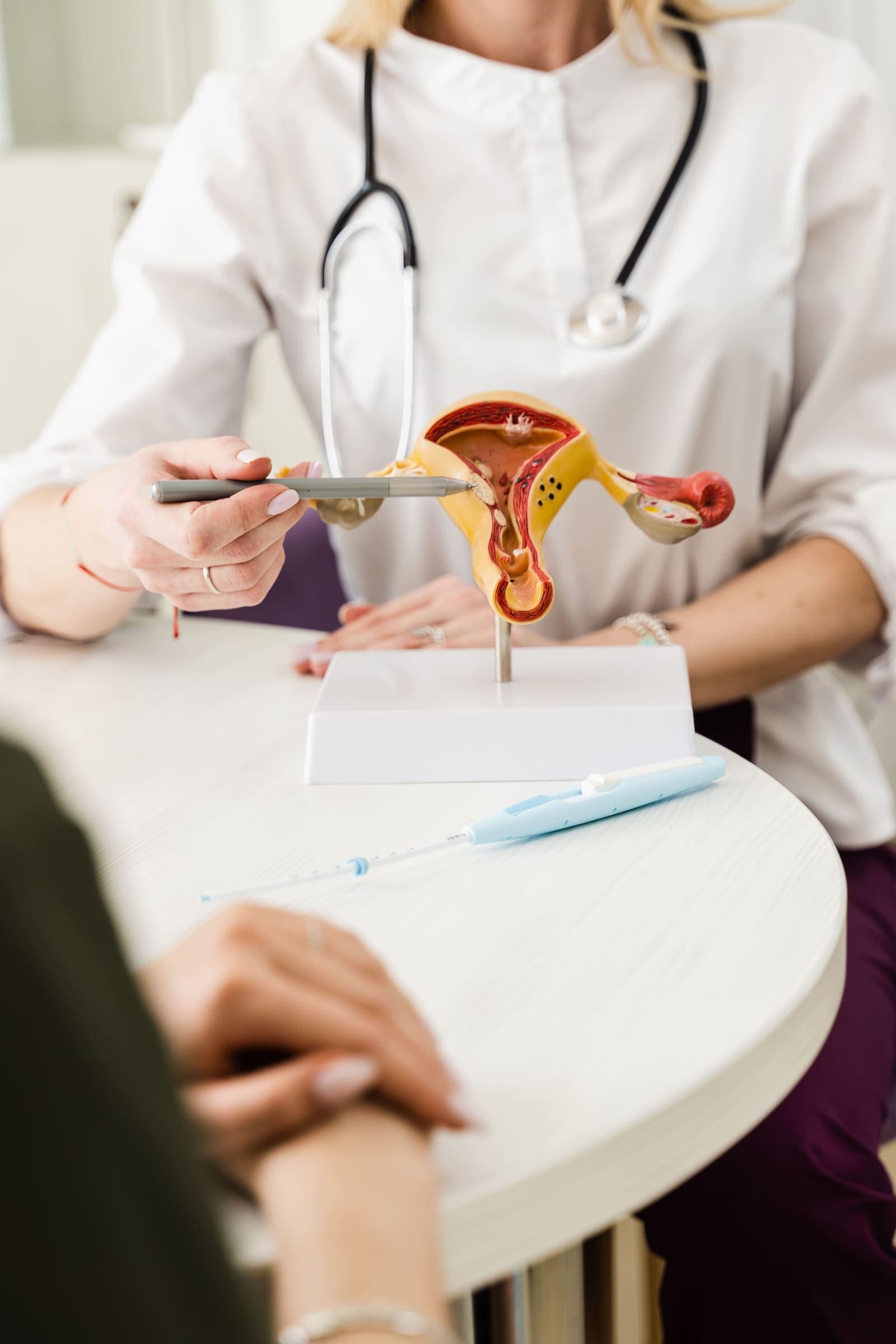
This illustrates a woman exhibiting signs of abdominal pain, with the female reproductive system emphasized, suggesting a potentially internal cause of her symptoms of pain during intercourse that requires investigation.
Management And Treatment Options For Pain During Sexual Intercourse
The management of painful intercourse, or dyspareunia, depends on the specific cause of pain, the location, and its intensity. A customized approach to the treatment of pain during intercourse is necessary to effectively alleviate discomfort during sexual activity.
1. Treatments Of Pelvic Conditions
- Pelvic inflammatory disease, endometriosis, and other causes of deep pain often require surgical treatment or medication to treat pelvic inflammatory disease or address conditions such as ovarian cysts.
- Pain may be resolved through surgical treatments like adhesion removal or by addressing structural problems causing pain.
2. Use Of Lubricants And Hormonal Treatments
- For women with vaginal dryness caused by hormonal changes such as menopause, water-based lubricants may help lessen irritation.
- When vaginal dryness is due to atrophic vaginitis, prescription estrogen treatment can increase the thickness, elasticity, and lubrication of the vaginal walls.
- Selective estrogen receptor modulators (SERMs) may be an alternative treatment.
3. Treating Infections And Other Medications
- Treating any infections that may cause painful intercourse with the proper antibiotics.
- Doctors can also prescribe medication, like low-dose antidepressants, to manage chronic conditions like interstitial cystitis by helping the body respond differently to the pain signals.
4. Pelvic Floor Therapy
- In cases where muscle spasms are responsible for pain during intercourse (vaginismus), pelvic floor exercises may be prescribed.
- These exercises relax the muscles of the pelvic floor, increasing the ease of vaginal penetration.
5. Surgical Procedures
- In certain cases where vaginal constrictions or pelvic adhesions are causing dyspareunia, vaginoplasty or laparoscopic surgery may be recommended.
- These surgeries are designed to remove scar tissue causing these problems, and while they are effective, sometimes adhesions redevelop after surgery.
6. Other And Supportive Therapies
Other advanced treatment options, such as
- Cystoscopy to visualize the bladder
- Instilling liquid into the bladder
- Transcutaneous electrical nerve stimulation (TENS) for chronic pain
- Acupuncture for bladder or pelvic pain
May be implemented for patients with chronic pelvic pain conditions.
When To Seek A Doctor’s Assistance?
- Recurring or chronic pain before, during, or after sex.
- Unexpected and intense pain that doesn't appear to be related to anything specific.
- Pain occurring in conjunction with unusual vaginal discharge or abnormal bleeding.
- Burning or itching of the genitalia, or evidence of infection in the genitals.
- Deep, heavy pelvic pain that may intensify with physical activity and movement.
- Pain in the pelvis, combined with the need to urinate urgently and the sensation of burning.
- Previous pelvic surgery or the presence of such conditions as endometriosis or conditions of the reproductive system.
- Problem penetrating due to a tightness in the vaginal muscles or emotional apprehension.
- Emotional distress caused by pain or a feeling of disconnect within one's relationship.
- An inability to obtain relief from the pain with basic self-care measures or the application of lubricants.
Final Thoughts
Dyspareunia is a serious health problem and must not be ignored or normalized if it is chronic. It can indicate physical, hormonal, or psychological health problems that need to be addressed and investigated appropriately. By addressing pain at intercourse early and effectively, women's comfort and sexual well-being, and quality of life can be greatly increased.
Medical attention, care, and an increased knowledge of women's health have made the underlying causes of dyspareunia easily treatable. Awareness of the issue and prompt treatment should alleviate the woman's worries, comfort, and health.
Expert Care With Dr. Shachi Singh
Dr. Shachi Singh is a Senior Consultant Gynecologist in Noida and an accomplished laparoscopic surgeon with more than 15 years of experience in Women's Health. Her extensive experience includes diagnosing and treating dyspareunia, managing endocrine and pelvic problems, performing advanced laparoscopic surgery, managing infertility, and providing regular gynecological check-ups.
She is best known for her patient-friendly approach, which is focused on the right diagnosis and the least invasive treatment, thus helping patients overcome gynecological issues with personalized care. Women from Noida and Delhi NCR rely on her expert care, clinical acumen, and complete women's health approach for all their problems. Take charge of your reproductive health and book your appointment today.

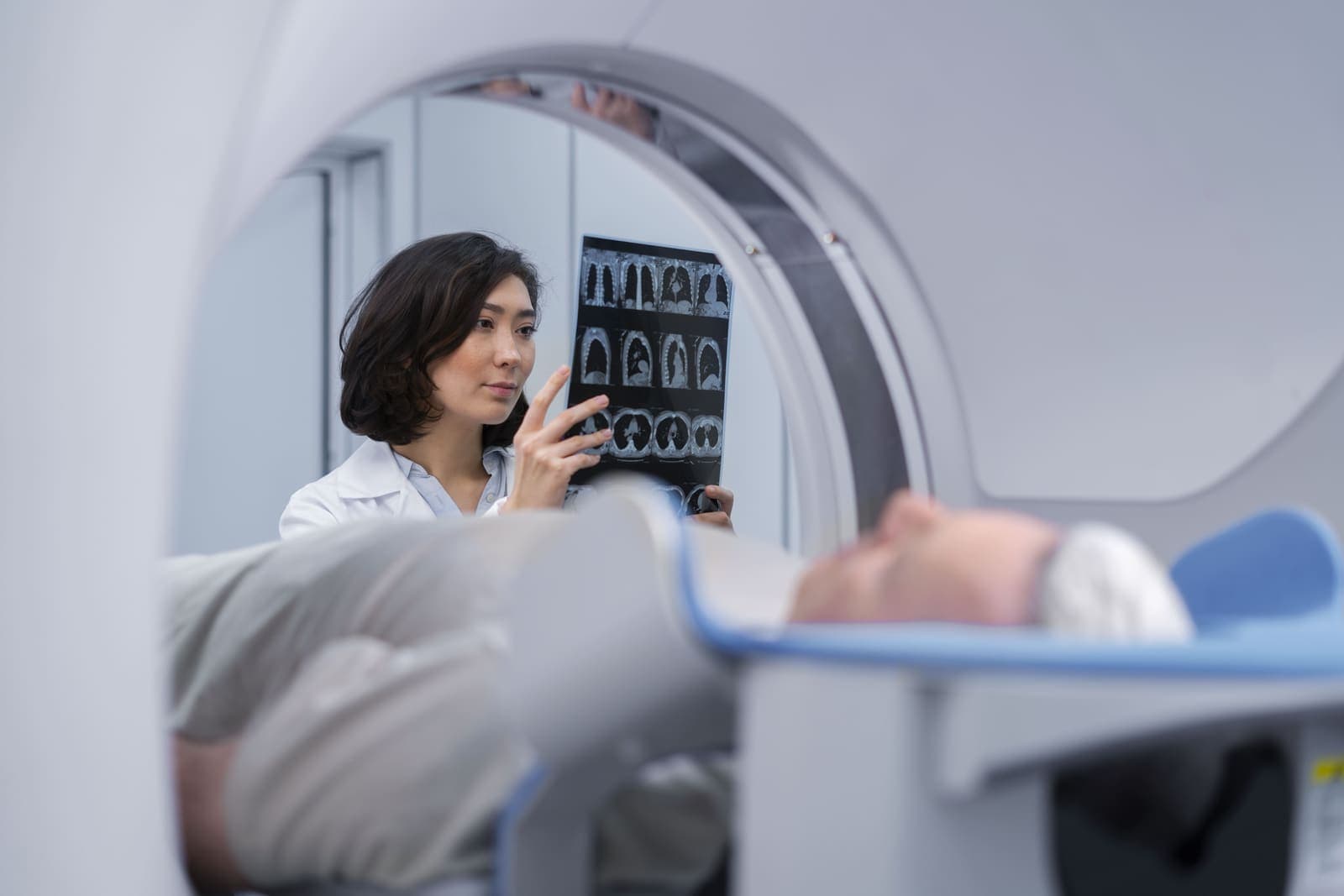
The female patient receives support from the doctor, with the focus on their discussion regarding the patient's lower abdominal pain and symptoms related to potential painful intercourse.
Frequently Asked Questions(FAQs)
1. How effective are the various treatments in reducing pain during sex?
The effectiveness of the various therapies relies on the underlying cause of the sexual pain. Lubricants are used to overcome vaginal dryness, hormonal therapy to manage vaginal atrophy, antibiotics to clear any underlying infections, and pelvic floor physical therapy is beneficial in patients with muscular causes of pain. Marked improvement in the clinical symptoms is seen in many patients with the application of a clear therapeutic strategy.
2 . Why is it that at the time of deep penetration, pain is felt in the direction of the cervix?
The actual reason for this type of pain is not known. However, the possible causes include: cervical tenderness, vaginal or cervical infection, endometriosis, pelvic inflammatory disease, and the position of the uterus, whereby the posterior part of the uterine fundus receives pressure on adjacent structures of the pelvic wall with resulting tenderness or sharp pain.
3.How does a change in the hormone level influence sexual pain?
Fluctuations in hormone levels, especially a deficiency of estrogen, cause a multitude of changes in the vaginal tissues, including thinning, dryness, and decreased pliability of the tissues. Reduction of natural vaginal lubrication results in a reduction in vaginal lubricity, increased sensitivity of the vaginal epithelium.
4 . Is it possible to alleviate sexual pain through non-pharmacological, simple self-care methods or by making lifestyle modifications?
Yes, several measures can make sexual activity more enjoyable, including adequate amounts of foreplay, the use of lubricants, stress reduction, pelvic floor exercise, and avoidance of irritants. Hygiene and psychological components are also important.