Why Do Blood Clots Appear During Periods?
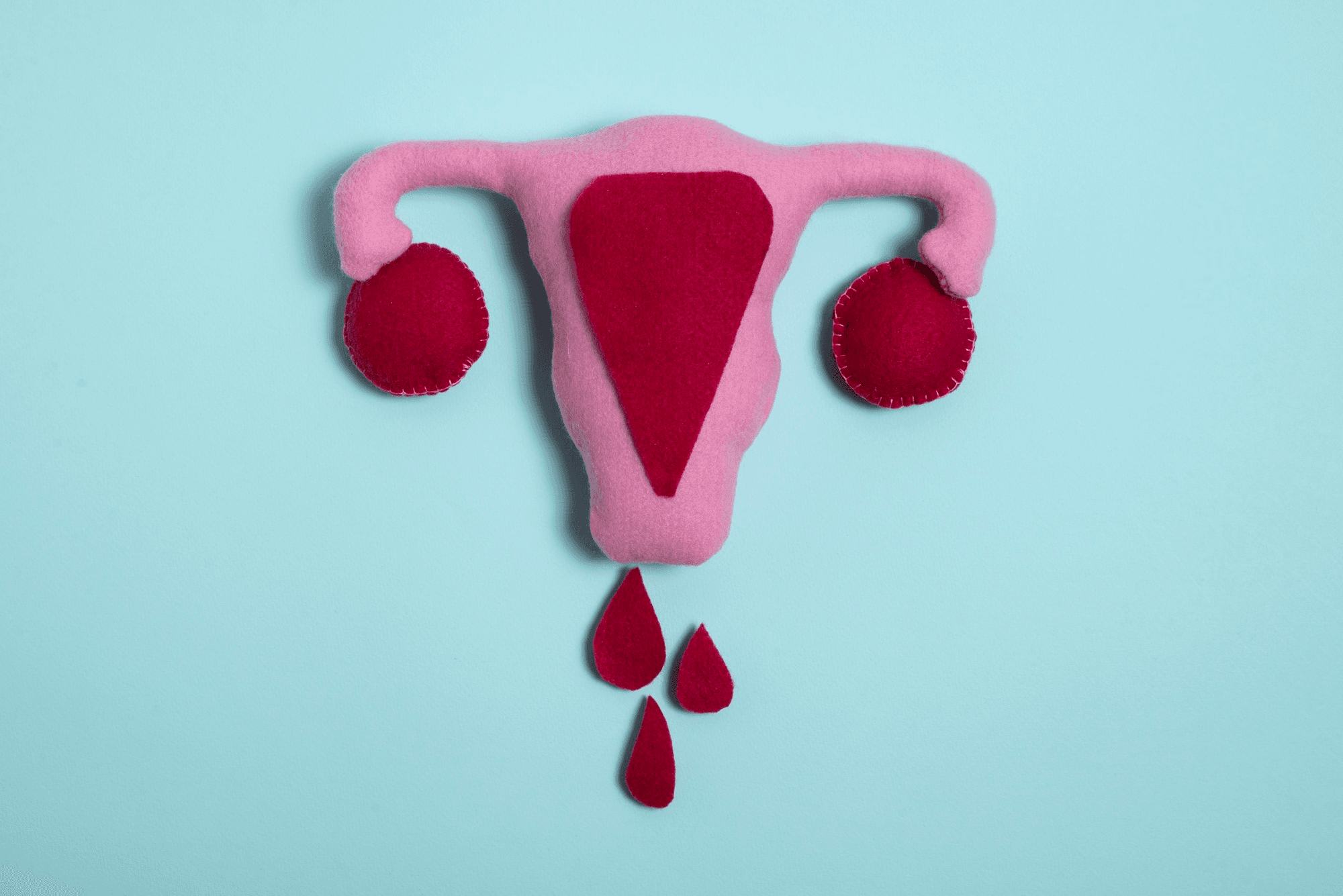
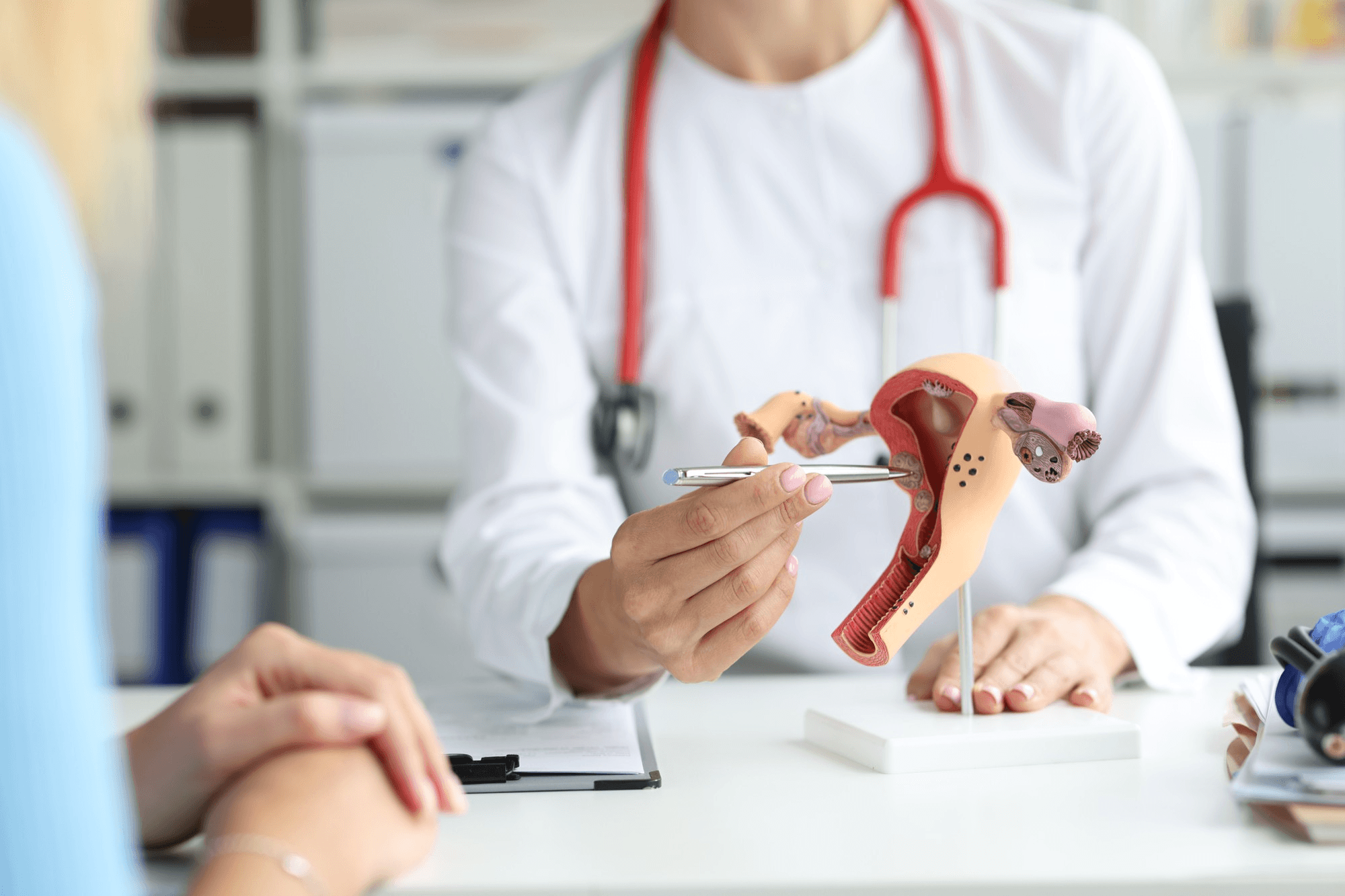
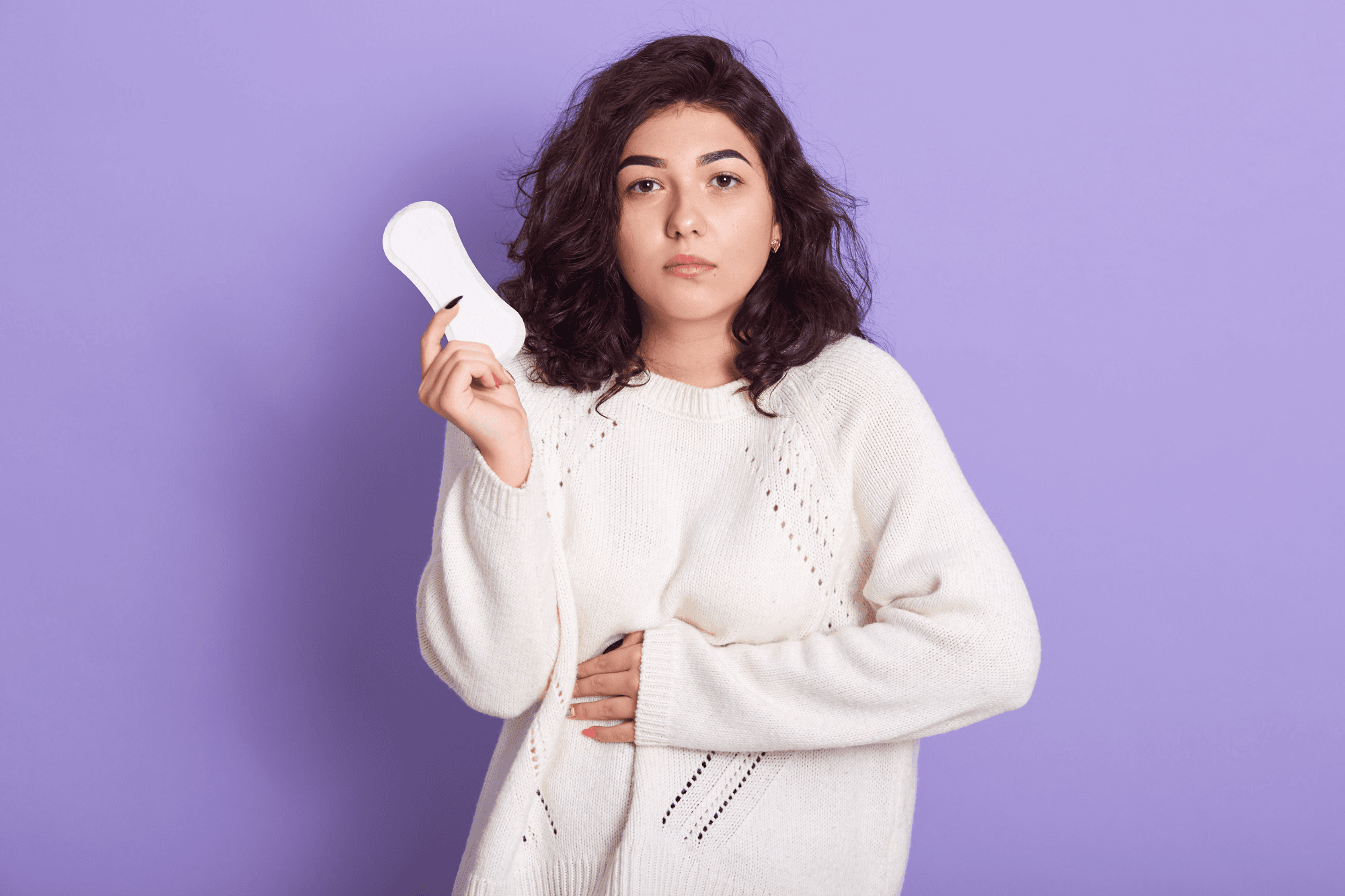
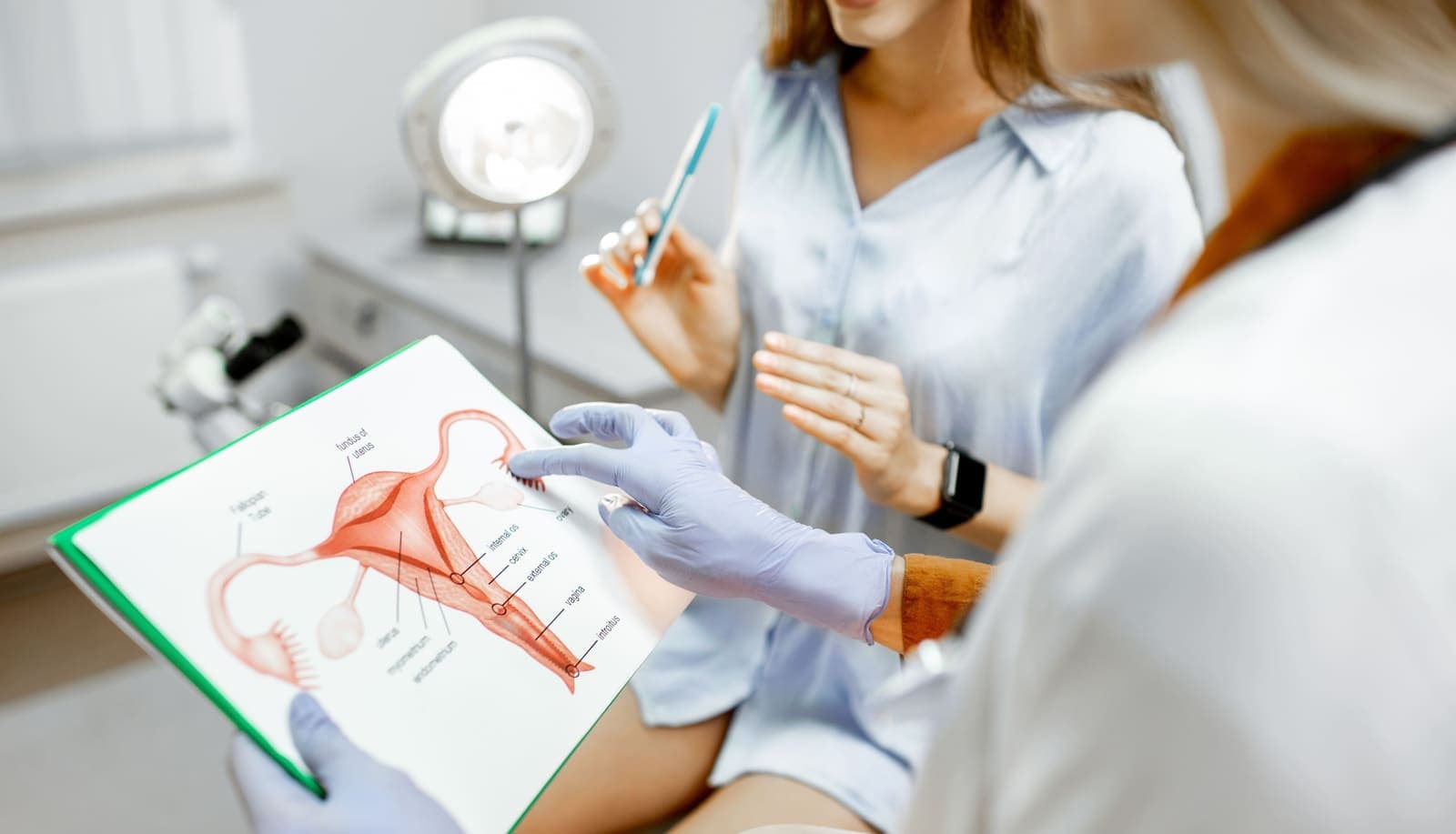
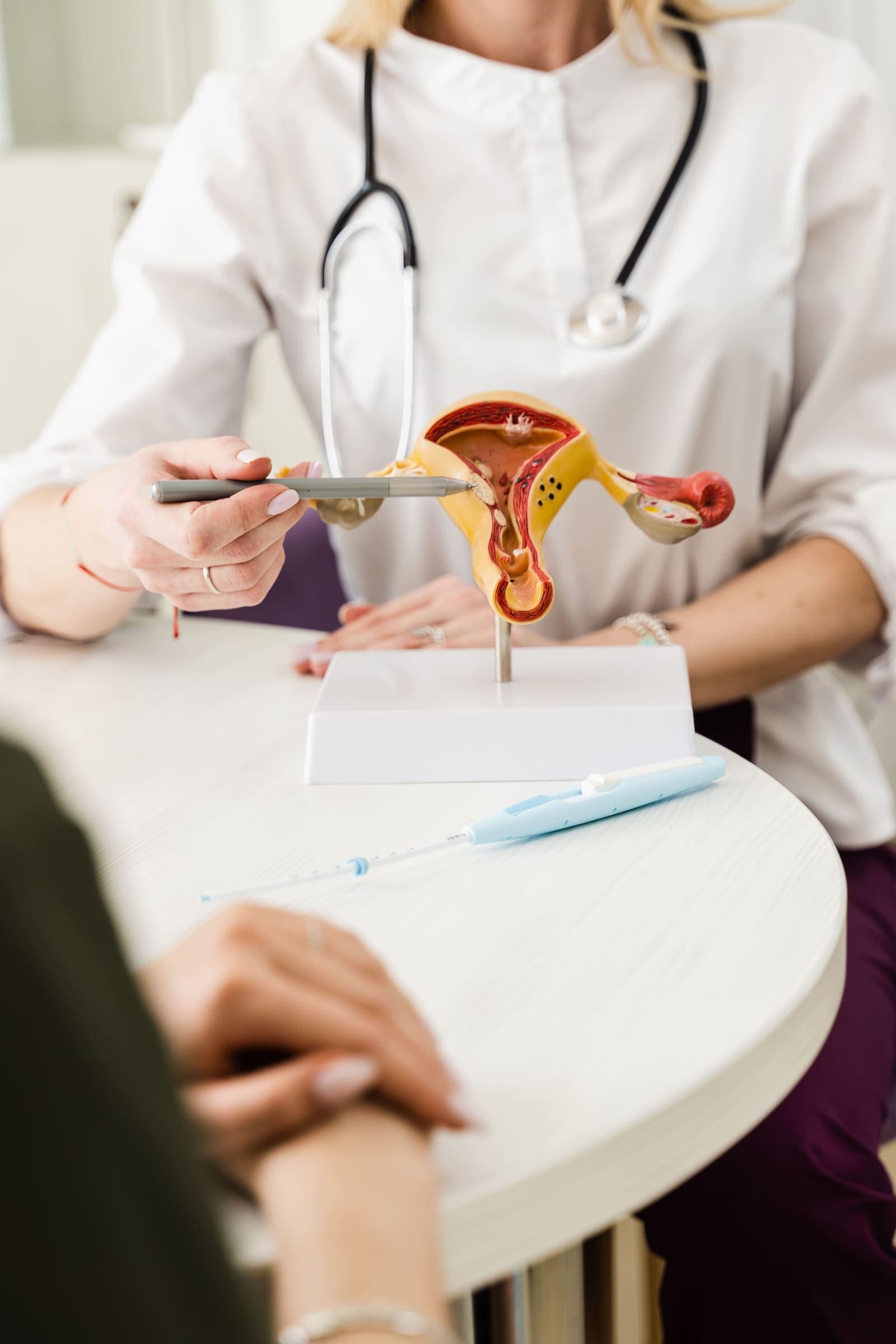
Reproductive system depicting menstruation along with blood clots.
Sometimes women spot jelly-like clumps in their period blood, and that can be a little alarming. Here’s what’s actually happening: Each month, the uterus sheds its lining, all under the direction of hormones. The body tries to keep things moving with natural anticoagulants, which stop the blood from clotting too quickly.
But when your flow is heavy, those anticoagulants can’t always keep up. That’s when some of the blood thickens and clots before it leaves your body. These clots usually look dark red or brown, and they aren’t all the same size; some are as small as a pea, others closer to a little coin.
Most of the time, clots smaller than two centimeters, especially in the first couple of days of a heavy period, are completely normal. Hormones, age, birth control, and your general health all play a role in how your period looks and feels. If you start to see larger clots or if heavy bleeding and clots happen a lot, it’s a good idea to check in with a doctor.
How Blood Clots Form Step by Step
Each menstrual cycle, the uterine lining thickens, getting ready for a possible pregnancy. If pregnancy doesn’t happen, shifting hormones tell the body it’s time to break down that lining and shed it, which starts the period.
- Right before and during your period, the body releases prostaglandins.
- These chemicals make the uterus contract, which helps push out the lining and blood.
- Usually, natural anticoagulants like plasmin keep the blood flowing by breaking down small fibrin strands, especially when the flow is lighter.
- But when bleeding gets heavier, those enzymes can’t keep up.
- Blood hangs around in the uterus for 10 to 20 minutes, sometimes longer.
- That’s enough time for clotting factors to kick in.
- Fibrin weaves a mesh that snags blood cells and proteins, forming thicker clots.
- The uterus eventually pushes these clots out.
You’ll notice this happens most during the first two days of your period, when the flow is strongest. Moving around, gravity, and those uterine contractions all help move clots out, so they’re often most noticeable when you’re active or using the bathroom.
Normal Clot Patterns Vs Warning Signs
What’s Normal
It’s pretty common to see small clots, like the size of a pea or a dime, during the first couple of days of your period, when things are heaviest. Sometimes, your period will soak through a pad a bit faster than usual at first, but the flow usually slows down as the days go on. Mild cramps are also normal.
Heavier But Still Within The Range
Women who’ve recently given birth (within the last three months) or use an IUD often notice a heavier flow with some clots. If the clots are smaller than about 2 to 2.5 cm and the bleeding is still manageable, it’s usually nothing to worry about.
When Things Aren’t Normal
Golf-ball-sized clots, bleeding that stretches beyond a week, or passing clots past day four are red flags. If you feel wiped out or start noticing signs of anemia, like unusual fatigue, don’t brush it off. Tracking your cycles with an app for a couple of months can help you spot what’s normal for you and what isn’t.
Common Causes Of Period Clots
Heavy Menstrual Bleeding (Menorrhagia)
If you’re losing more than 80 ml of blood per cycle, your body’s natural anticoagulants can’t always keep up, and clots form. Menorrhagia affects about 10–15% of women between the ages of 30 and 50.
Hormonal Imbalance
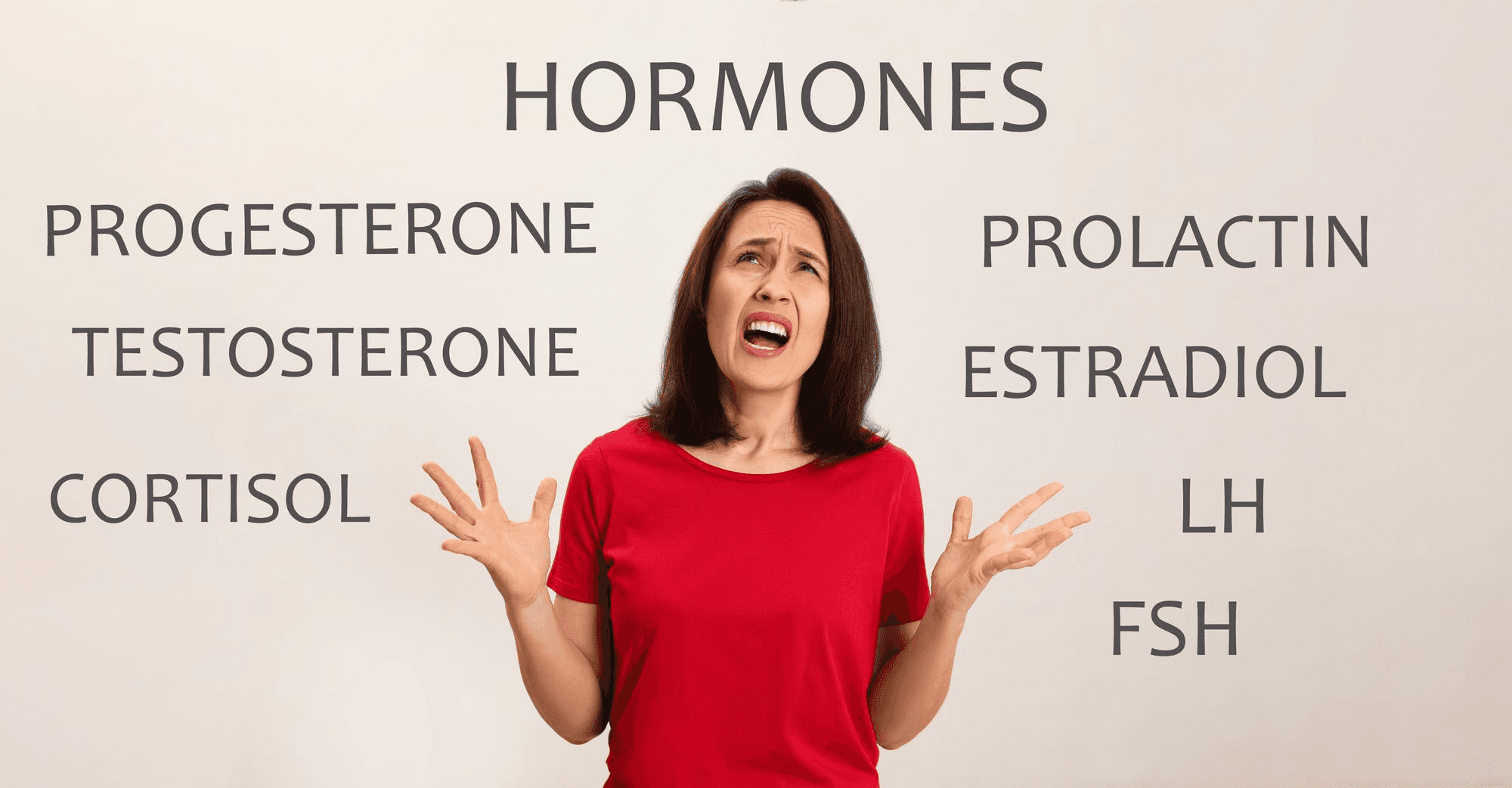
When estrogen and progesterone get out of sync, the uterine lining can thicken too much. PCOS and perimenopause are big players here.
Fibroids or Polyps
These noncancerous uterine growths can block the normal flow, making bleeding heavier and clots larger. Clots bigger than 3 cm often point to fibroids, which doctors usually spot on an ultrasound.
Miscarriage Or Early Pregnancy Loss
Losing a pregnancy early on often means passing clotted tissue within the first few weeks. A pregnancy (hCG) test can help confirm if this is what’s happening.
Endometriosis Or Adenomyosis
Both conditions involve uterine-like tissue growing where it shouldn’t, causing blood to pool before it’s finally released during your period.
Diet matters too. If you have low iron, heavy bleeding can feel even worse and make fatigue hit harder.
Medical Conditions Linked To Clotting Issues

Woman lying on her bed in pain and holding a heating pad.
Von Willebrand Disease
This inherited disorder messes with your clotting proteins and affects about 1% of women. Heavy periods in your family history can be a clue.
Thyroid Disorders
A sluggish thyroid can throw hormones out of balance, sometimes leading to heavier bleeding and more clots.
Certain Medications
Ironically, blood-thinning medications can sometimes cause irregular or heavier menstrual bleeding.
Obesity
Carrying extra weight raises estrogen levels, which thickens the uterine lining and can make periods heavier. Women with a BMI over 30 often notice symptoms getting worse over time.
Doctors use pelvic exams, bloodwork, or imaging to figure out what’s going on underneath it all.
Warning Signs That Need Medical Attention
Signs Of Anemia
If you look pale, feel dizzy or short of breath, and keep passing clots bigger than a dime, you’re probably losing too much blood.
Severe Or Unusual Pain
Sharp pain in the pelvis or pain that shoots down your thighs might mean fibroids or that something else is going on.
Very Frequent Cycles
If your period comes less than every 21 days, or you’re changing pads or tampons every hour, it’s time to get checked out.
Bleeding After Menopause
Any spotting or clotting after menopause always needs a doctor’s attention.
Fever Or Unusual Odor
A fever over 100°F or discharge that smells foul could mean infection from retained tissue.
If you’re soaking two pads an hour and it won’t stop, get medical help right away.
Home Remedies For Common Period Clots
You don’t always need fancy treatments to deal with period clots and cramps. Small changes at home can make a difference.
- A heating pad on your lower belly for 20 minutes, twice a day, relaxes your uterine muscles. It eases cramps and helps your body pass clots with less pain.
- Aim for 8 to 10 glasses of water a day. Hydration keeps your circulation humming and helps your period flow more smoothly.
- Eat plenty of spinach, lentils, and lean meats. Pair them with vitamin C–rich foods to boost iron absorption. This helps rebuild iron stores and fights off that worn-out feeling heavy periods can bring.
- Some women take 500 mg of evening primrose oil a day. Many believe it helps balance hormones and gradually lessens heavy bleeding.
- A teaspoon daily serves up a natural dose of iron and other minerals. Many women swear by it for overall menstrual health.
When home remedies aren’t enough, doctors step in with medical options.
Medical Treatments For Frequent Or Severe Clots

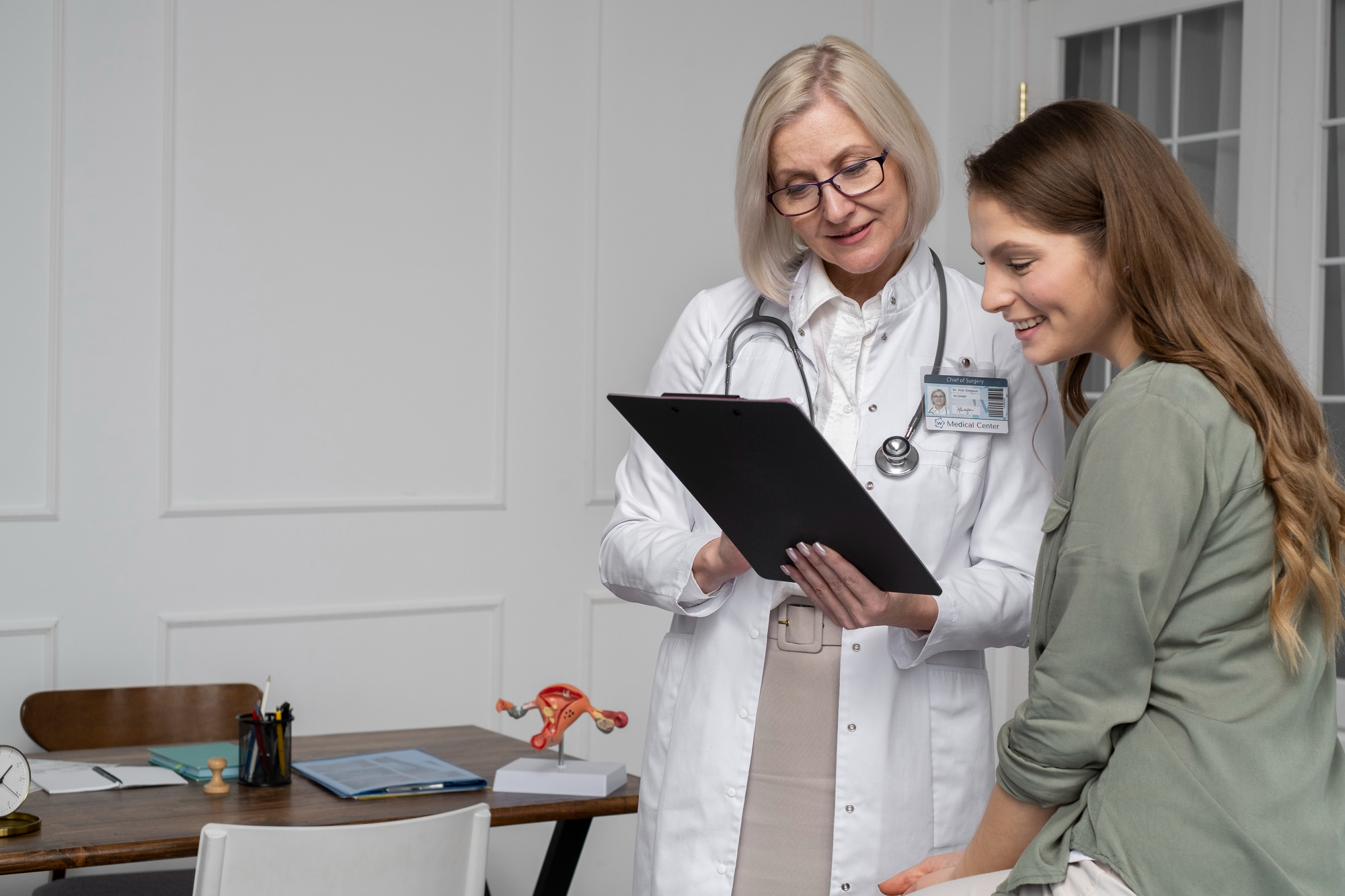
Woman consulting her doctor about her persisting blood clots.
- Tranexamic Acid tablets can cut menstrual bleeding by up to 40% in the first days of your cycle, and they don’t mess with your hormones.
- The Hormonal IUD (Mirena) device slowly thins your uterine lining. Within six months, it can shrink heavy bleeding and clotting by up to 90%.
- Anti-inflammatories like NSAIDs (Ibuprofen) lower prostaglandin levels. That means less bleeding and fewer cramps, sometimes by as much as half.
- In some cases, doctors use the Dilation and Curettage (D&C) procedure to clear out tissue or fibroids that make bleeding worse.
- For women over 40 who are done having children and have severe symptoms, removing the uterus can be a last resort called a Hysterectomy.
- Hormonal birth control pills can also help balance hormones and even out your flow.
Daily Tips To Track And Prevent Problems
Staying on top of your cycle and habits keeps menstrual problems in check.
- Use an app. Log clot size, how heavy your flow gets, pain, and cycle length. This gives your doctor a clear view of issues that pop up.
- A brisk 30-minute walk each day works. It boosts circulation and keeps blood from pooling.
- Aspirin thins blood and can make menstrual bleeding heavier for some women. Better to steer clear before your period starts.
- Just losing 5–10% of your weight helps balance estrogen and can lead to healthier cycles.
- See your gynecologist every year. It’s the best way to catch any changes or problems early.
Final Thoughts
Blood clots during your period usually happen when your flow gets heavy, and your body’s natural anticoagulants can’t keep up. Small clots, especially in the first couple of days, are normal. Most women see them at some point. But if you notice large clots, nonstop bleeding, severe pain, or sudden changes in your cycle, it’s time to check in with a gynecologist. Issues like fibroids, hormonal imbalances, or endometriosis could be at play.
For typical heavy periods, simple steps, like staying hydrated, using heat, and eating iron-rich foods, really help. If things don’t improve, doctors have other tools, like tranexamic acid, NSAIDs, or hormonal IUDs. Knowing your own cycle helps you spot what’s normal and what’s not.
Expert Care with Dr. Shachi Singh
Dealing with heavy periods, blood clots, intense cramps, or sudden shifts in your menstrual cycle can be overwhelming. Don’t wait it out, getting help early makes a real difference. When you address these symptoms right away, you get answers sooner and the right treatment when it matters most.
Dr. Shachi Singh brings real expertise and a personal touch to women’s health. She listens, pinpoints the cause, and tailors care that fits your needs. Whether it’s a precise diagnosis or a treatment plan that actually works, you’ll have support every step of the way.
Ready to feel more comfortable and in control? Book a consultation with Dr. Shachi Singh and start moving toward better menstrual and reproductive health.
Share this blog:
 Copy
Copy