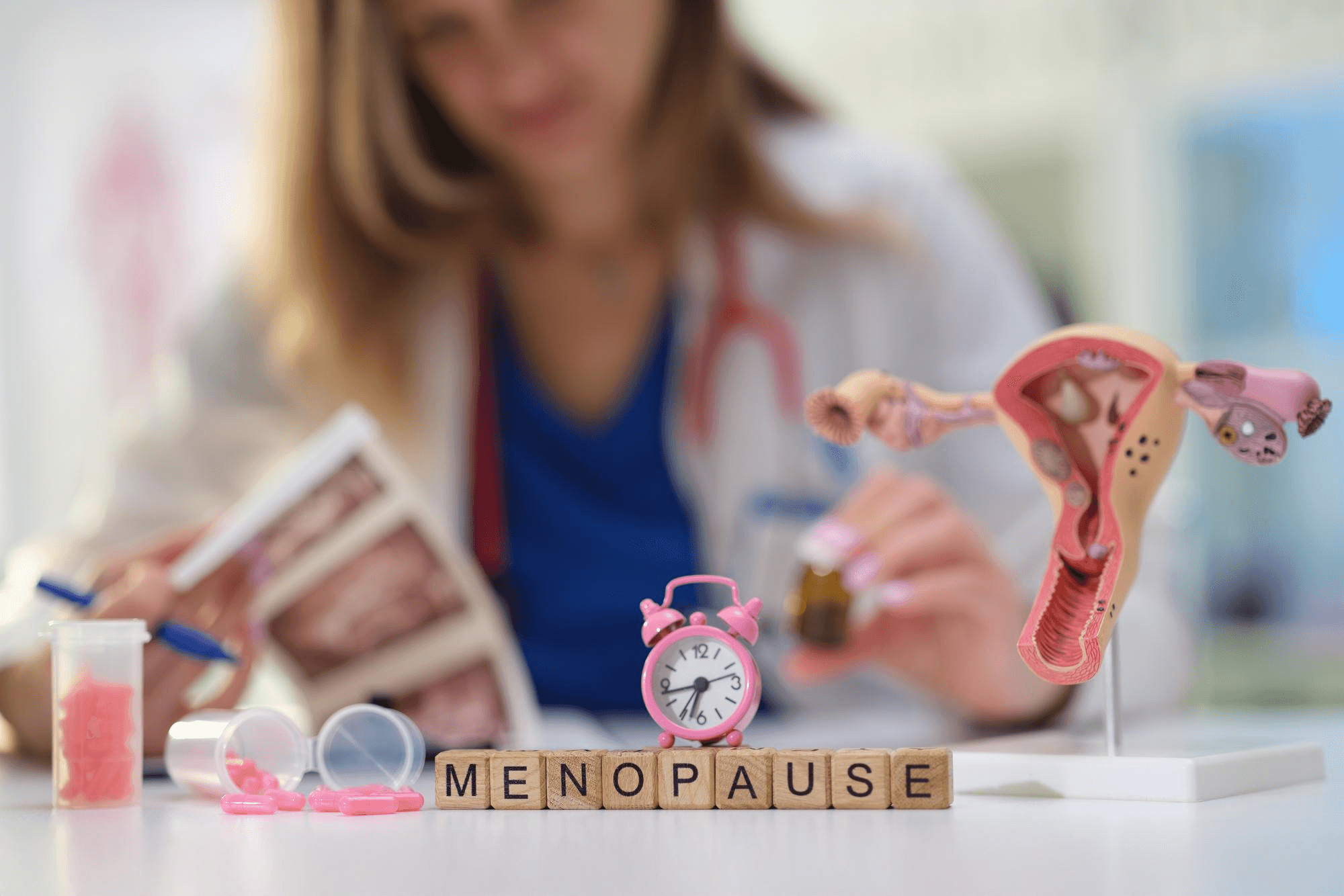
Ectopic Pregnancy: Symptoms, Causes, And Risks
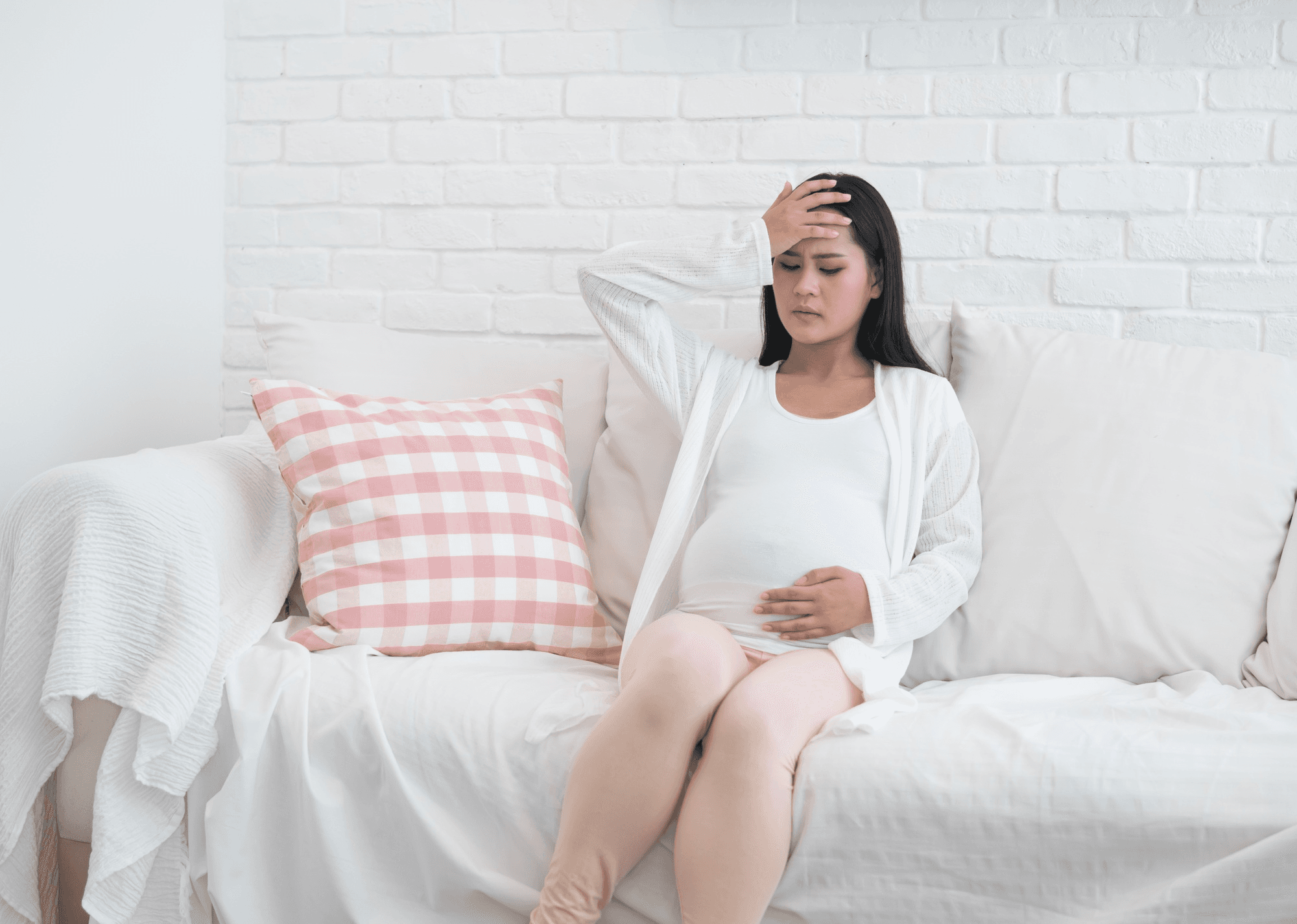
Patient suffering from a possible ectopic pregnancy holding their abdomen, likely exhibiting early symptoms of discomfort and worry.
Ectopic pregnancy occurs when a fertilized egg is implanted and grows outside the uterine cavity, most commonly in a fallopian tube. Since the affected structure can not house normal growth of the fetus, it has the potential to be life-threatening to the mother.
Other reasons for ectopic pregnancy can include previous infections in a fallopian tube, Pelvic Inflammatory Disease, or surgery on the fallopian tube, amongst others. Typical symptoms include abdominal pain, vaginal bleeding, and dizziness. If the pregnancy goes untreated, it could result in rupture and intra-abdominal bleeding.
What Is Meant By Ectopic Pregnancy?
An ectopic pregnancy occurs when a fertilized ovum implants itself outside the normal location in the uterus. The most common implantation site is the fallopian tube; the ovum may also implant in the ovary, the cervix, or even in the abdominal cavity.
None of these sites is structurally capable of supporting embryonic development, so the pregnancy is not viable and causes potentially life-threatening risks to the mother. Failure to treat and detect can lead to rupture, hemorrhage, and eventually fatal complications.
Important Points
- Implantation occurs outside of the uterine endometrium
- The vast majority of tubal pregnancies are found in the fallopian tubes.
- Pregnancy implantation can occur in other places, such as the ovary, abdomen,n and cervix
- Pregnancy can result in the risk of rupture, hemorrhagic shock, and is responsible for roughly 1-2 % of all pregnancies
- Medical and surgical management are both necessary forms of treatment; neither of them can be used to save the pregnancy.
It is crucial to treat an ectopic pregnancy quickly, as its symptoms are often vague and not specific to the condition. This has made timely diagnosis very important, as medical/surgical treatment cannot save the growing embryo.
Symptoms Of Ectopic Pregnancy
1. Early Signs Of Pregnancy
An ectopic pregnancy can often mimic an early pregnancy, with symptoms including amenorrhea, nausea, tiredness, and breast tenderness, as well as a positive pregnancy test.
2. Early Signs Of Danger
Light vaginal bleeding with or without mild lower abdominal/pelvic pain is the most common early symptom, and can often be dismissed as a minor problem.
3. Localized Pain
As the gestation grows, there can be a sharp, unilateral pain in the pelvis as the affected structure (usually the fallopian tube) distends with the gestational tissue.
4. Referred Pain
Shoulder tip pain can arise from irritation of the diaphragm by intraperitoneal blood and is a sign of bleeding into the peritoneal cavity.
5.Rectal/Pressure Symptoms
Rectal pressure and/or a bowel urge can occur from pressure on the bowel due to pelvic irritation or bleeding.
6. Acute Symptoms/Medical Emergency
Tubal rupture leads to acute abdominal pain, heavy intra-abdominal bleeding, and subsequent syncope, hypovolaemia, and collapse, which necessitates emergency assessment.

Woman sitting, exhibiting vaginal bleeding, signifying a dangerous stage where the ectopic pregnancy is close to rupturing.
Causes Of Ectopic Pregnancy
- Damage to the fallopian tube by previous infections reduces ovum transport
- Pelvic Inflammatory Disease is a prominent cause of scarring and dysfunction of the fallopian tubes.
- A history of recurrent ectopic pregnancy increases the probability of repeat pregnancy.
- Previous history of surgery involving the pelvis or fallopian tube with consequent adhesions.
- ART(Assisted Reproductive Techniques) procedures may predispose to abnormal implantation.
- Congenital malformation of the fallopian tube interferes with embryo transport.
- Endocrine imbalances that interfere with the tubal motility and implantation.
- Smoking with impairment of tubal cilia.
Risk Factors Involved In Ectopic Pregnancy
1. History of Ectopic Pregnancy
The risk of recurrent ectopic pregnancy may be due to residual damage or malfunction of the fallopian tube.
2. Maternal Age
Maternal age 35 and older carries a higher risk of ectopic pregnancy because the motility of the fallopian tube may be reduced or the endocrine functions of the reproductive cycle may be affected.
3. Infection And Inflammation Of The Pelvis
The history of pelvic inflammatory disease (often from gonorrheal or chlamydial infections) causes scarring and obstruction of the fallopian tube.
4. Abnormal Tubal Anatomy
Any scarring or abnormal structure of the fallopian tube hinders the proper passage of the embryo down the fallopian tube.
5. Lifestyle Factors And Surgery
Women who smoke have impaired ciliary activity of the fallopian tube, and the risk of ectopic pregnancy is higher with any type of pelvic or uterine surgery, such as a cesarean or removal of fibroids.
Final Thoughts
Ectopic pregnancy is potentially a fatal condition if not managed at the right time. It is difficult to diagnose ectopic pregnancy because the symptoms can be nonspecific. However, a prompt diagnosis of ectopic pregnancy is imperative to prevent complications like rupture and bleeding into the abdomen.
Knowledge about its etiology, symptoms, and risk factors will help ensure better reproductive health outcomes for the woman. Safe maternal care can be ensured through effective surgical and non-surgical management. Public awareness and prompt medical attention are vital for improving reproductive health outcomes and reducing reproductive morbidity.
Expert Care With Dr. Shachi Singh
If you develop unexplained abdominal pain and bleeding during early pregnancy, please do not wait any longer and visit a doctor at the earliest. Dr. Shachi Singh practices gynecology, obstetrics, and laparoscopic surgery. She is one of the most reputed gynecologists, obstetricians, and laparoscopic surgeons in Noida and Delhi NCR, who adopts a patient-friendly approach to diagnostics and treatment.
Book an appointment today for patient-focused care and take control of your reproductive health.

Health care provider speaking to a female patient about their symptoms. Both look to be in a health facility and are discussing a medical diagnosis.
Frequently Asked Questions(FAQs)
1. What is the difference between miscarriage and ectopic pregnancy?
A miscarriage involves losing a pregnancy within the uterus, whilst an ectopic pregnancy occurs outside of the uterus, most often in the fallopian tube, and is unable to continue.
2. What are the early symptoms of an ectopic pregnancy?
Early symptoms of ectopic pregnancy may include amenorrhoea, slight pelvic pain, light vaginal bleeding, breast tenderness, nausea, and a positive pregnancy test in the presence of abnormal implantation.
3. How dangerous is ectopic pregnancy?
Ectopic pregnancy is an emergency and can lead to a ruptured fallopian tube and internal haemorrhage, shock, and death if undiagnosed and treated emergently medically or surgically.
4. When is it possible to diagnose an ectopic pregnancy early?
It is possible to diagnose an ectopic pregnancy as early as 4-5 weeks using a transvaginal scan with serial serum levels of beta-hCG to rule out an intra-uterine pregnancy.
5. When do the symptoms of an ectopic pregnancy occur?
The symptoms of ectopic pregnancy usually occur at 4-12 weeks of pregnancy, with most occurring between 6-9 weeks. The symptoms vary depending on the implantation site and development.