Diet Before And After Laparoscopic Surgery: What To Eat & Avoid
By Dr. Shachi SinghUpdated
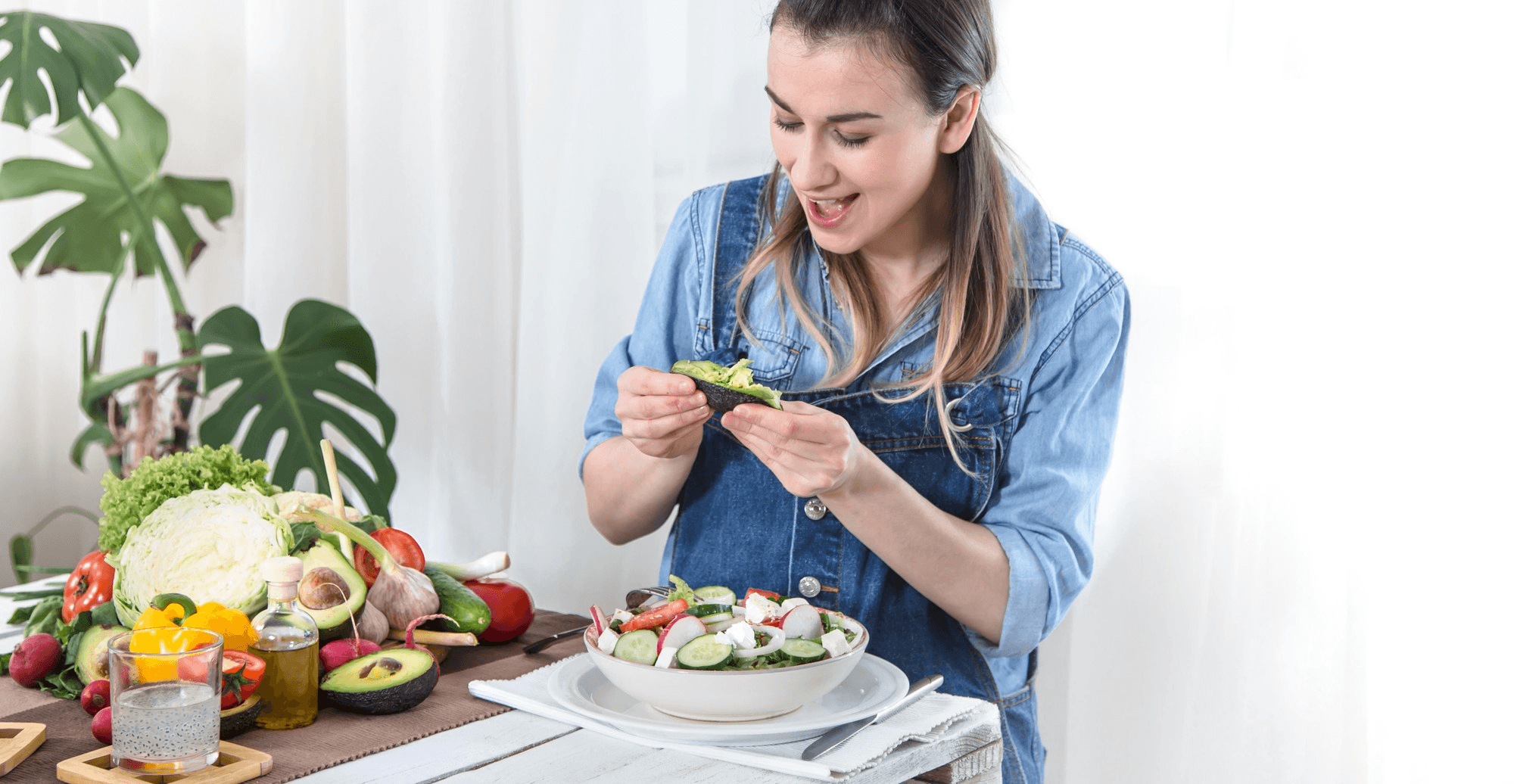
Cheerfully, a young woman savors a healthy avocado salad surrounded by fresh produce at a well-lit kitchen table.
While all attention is placed on the procedure itself during preparation for laparoscopic surgery, the part played by diet is frequently neglected. The food that is eaten prior to and after surgery can have a direct impact on both the healing process and one's energy levels, while also having a role in potential complications.
Laparoscopic surgery is minimally invasive; however, the body still undergoes physical stress and requires the appropriate nutrition for optimal recovery. By focusing on the diet that is eaten, pain, digestive discomfort, and complications can be minimized, and the process of healing sped up.
Rather than disregarding the food consumed, eating in such a way as to encourage optimal healing will result in improved patient outcomes. While one may consider diet to be only important when recovering post-surgery, it plays a significant role in pre-surgery preparations.
Throughout this guide, the diet that one can consume, what must be avoided, and the support for the process of recovery.
What is Laparoscopic Surgery?
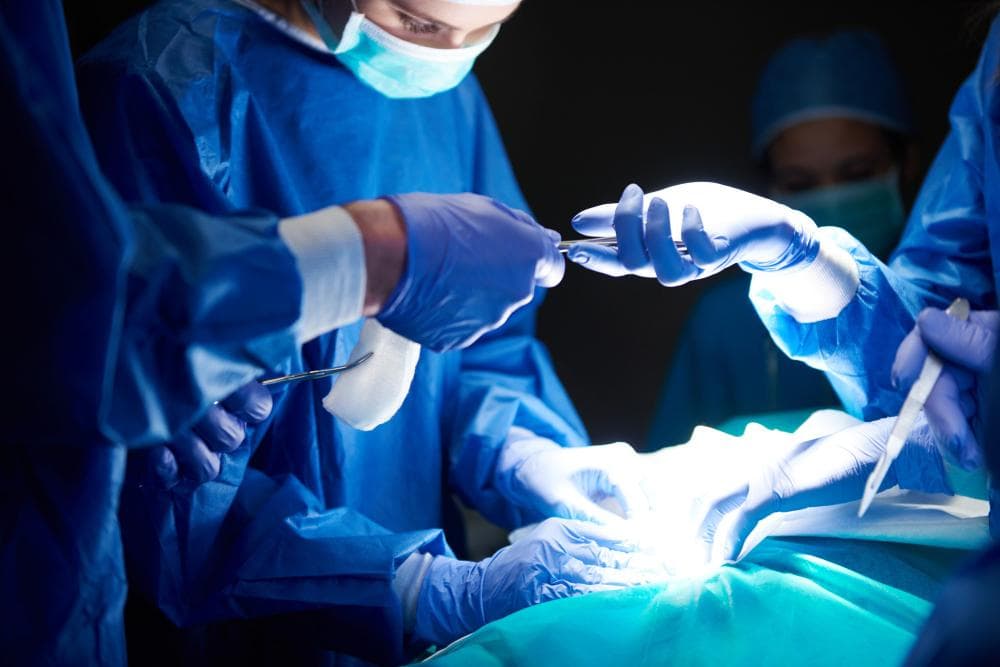
Laparoscopic surgery is a contemporary technique of performing surgical operations by making small incisions instead of a large one. The operation involves making use of a slim tube equipped with a camera, termed a laparoscope, which enables the surgeon to visualize the interior parts of the body well.
This surgery is carried out by use of certain instruments through the minute openings of the body, so that it turns out to be a minimally invasive type as compared to traditional open surgeries. It is the preferred approach for various abdominal and pelvic operations like removing the gallbladder, hernia repair, various gynecological procedures, etc.
In comparison to traditional surgery, it leaves fewer scars and marks on the body, causes less pain, and necessitates a smaller hospital stay, thus leading to early recovery and rehabilitation. Strict care of diet is mandatory, however, for prompt healing and to restrict any untoward incidence from occurring.
Signs Of Smooth Recovery After Surgery
Signs of a good recovery after laparoscopic surgery usually manifest through the gradual recovery of how the body looks and works. Some such signs are:
- A certain level of pain is common, but it gradually reduces daily. Pain should not increase each day.
- Patient starts to get hungry and can eat light foods without any nausea or loss of appetite.
- Digestion becomes regular with little flatulence, bloating, constipation, or diarrhea.
- Small cuts heal by drying, closing up without being red or inflamed or producing discharge.
- The patient becomes less tired and can resume daily activities slowly.
- Temperature is normal with no chills or other symptoms.
- Mobility becomes better, and you have easy movement.
When To Resume Normal Diet After Surgery?
One should start with a light diet after laparoscopic surgery, slowly, based on how well your body recovers. Starting on heavy meals can lead to discomfort, hence it's best to proceed cautiously.
- Start with clear liquids (first 24 hrs) - Start with plain water, coconut water, or clear soups, which help the body rehydrate after surgery.
- Start with semi-solids (next 1-2 days) - Porridge, khichdi, curd, and mashed vegetables that are soft and easy on the system are usually consumed during the next 1-2 days to ensure your digestion does not get stressed.
- Start gradually adding solids - Once the digestion seems stable, you can add rotis, rice, and regular food items in small quantities.
- Listen to your body - If there is bloating, nausea, or discomfort, go back to eating semi-solids before proceeding to solids.
- Avoid oily/fried and spicy food - Steer clear of oily, fried, spicy food till your digestion is stable for a few days.
- Follow your doctor's advice - Since everybody is different, follow the dietary advice of your doctor for proper and safe recovery.
Transitioning slowly back to a normal diet ensures a healthy and quick recovery.

A focused woman turns away from the temptation of sweets and pastries, opting for a pink smoothie and healthy living.
Digestive Issues After Laparoscopic Surgery & Importance Of Hydration
Post-laparoscopic procedures, the digestive system needs a period to adjust back to its regular function. Adequate hydration plays a vital role in maintaining this process.
- Bloating & gas - This is due to the gas inflated into the abdomen. Fluids help facilitate digestion and reduce bloating.
- Constipation - Minimal movement, medication, and altered food intake may affect bowel regularity. Hydration can help alleviate this problem.
- Nausea or indigestion - Some may experience some discomfort after eating. Taking light meals with appropriate fluid intake can help stabilize the stomach.
- Dryness & fatigue - Lack of hydration may result in a slow healing process and lethargy. Proper fluid intake may restore energy.
- Improved nutrient absorption - Water facilitates efficient absorption of nutrients, which helps tissue recovery.
- Reduced risk of discomfort - Drinking fluids adequately minimizes the chances of digestive problems post-laparoscopy.
Drinking sufficient fluids together with a light and balanced diet will not only manage digestive problems but will also speed up the healing process.
Why Diet Matters In Laparoscopic Surgery?
Even though it uses a minimally invasive approach to surgery, it's important that your body still receives the right nutrients in order to repair tissue and maintain energy levels. A good diet can assist in:
- Bolstering the immune system
- Minimising swelling and inflammation
- Aiding digestion
- Speeding recovery times
A poor diet is the opposite, causing such discomforts as bloating, constipation, and prolonging the healing process. A proper diet plan and a doctor's supervision would always result in the best outcome.
Visiting Dr Sachi Singh’s clinic in Noida means a patient would not only be operated on by advanced laparoscopic techniques but would also be assured of an appropriate diet plan so that recovery is as easy and as fast as possible.
Diet Before Laparoscopic Surgery
Pre-surgery diet is one factor that can considerably impact one's post-operative recovery. Doctors recommend consuming light and easily digestible foods so as to make sure that the digestive system is not unnecessarily burdened.
Balanced nutrition also keeps the body sufficiently energized to combat the ordeal of surgery. Also, adequate nourishment ensures good immunity to ward off any possible complications.
Light & Easy To Digest Foods
Soft, semi-liquid foods that are light on the stomach, such as rice and dal mix, soup, and soft-boiled vegetables, require minimal energy for the stomach to digest and may be recommended before surgery, reducing risks of acidity and bloating.
Protein-Rich Foods
Proteins are essential for tissue repair and strengthening the body for recovery after surgery. Paneer, eggs, dals, and curd are good examples.
Hydrating Fluids
Good circulation and sufficient fluids are crucial for surgery. Coconut water, plain water, light soup, and broth will keep you hydrated.
Fiber-Containing Foods
While fruits and vegetables help with digestion and are excellent sources of many nutrients, they should be consumed in moderation prior to surgery so as to avoid the possibility of gas or bloating.
Foods To Avoid Before Surgery
There are a variety of foods and practices to avoid before your surgical procedure. These should be steered clear of to facilitate digestion, help reduce discomfort, and optimize the outcome of your procedure.
- When fried and oily foods are consumed, the rate of digestion slows considerably, and discomfort often results.
- Consuming large amounts of spicy foods can increase the acidity of the stomach and potentially upset your digestion.
- These consume the stomach with gases, which causes bloat. Bloating should be avoided.
- The use of alcohol and smoking before surgery can affect the process of anesthesia and hinder wound healing.
Diet After Laparoscopic Surgery
After undergoing surgery, your digestive system may require a day or two to get back into a rhythm because of the effect of anesthesia and the reduced movement in your body. Starting with the correct diet can prevent problems, help you heal, and make recovery that much easier.
Clear Liquids
Start with clear liquids, such as water, coconut water, or clear broth. These will put the least strain on your stomach and will hydrate you without causing problems.
Soft Foods
Slowly incorporate soft, digestible food such as porridge, mashed potatoes, curd, and soups into your diet. These foods will be much gentler on your digestive system, helping it to get back to eating normal food again.
Protein-Based Diet
Protein is a key nutrient required to speed up the healing process and repair tissue in your body. Incorporating protein into your diet in the form of eggs, dal, tofu, and lean meats will speed up the healing process.
Fruits And Vegetables
Include soft fruits such as bananas and steamed vegetables in your diet. This will rehydrate you and also contribute vital nutrients to help with the healing process.
Sufficient Water Intake
Drinking enough water will also help to keep you hydrated, flush out toxins, and prevent constipation.
Foods To Avoid After Surgery
There are certain foods you must avoid post-surgery as they can agitate the system and prolong healing by causing pain and distress.
- Beans, cabbage, and fizzy drinks can lead to bloating and distress.
- Junk and processed foods lack any nutrients and hinder recovery.
- Spicy or oily foods can upset the digestive system during recovery.
- Coffee and strong tea may lead to dehydration or acidity early post-surgery.
When To Seek Medical Advice?
Some diet-related symptoms that develop after surgery may require medical intervention.
- If the patient cannot tolerate eating or drinking and is having constant nausea and vomiting, medical attention is required.
- Digestive complications like excessive bloating or constipation that require the patient to seek medical assistance.
- The delayed healing from such an event will negatively impact the patient's progress.
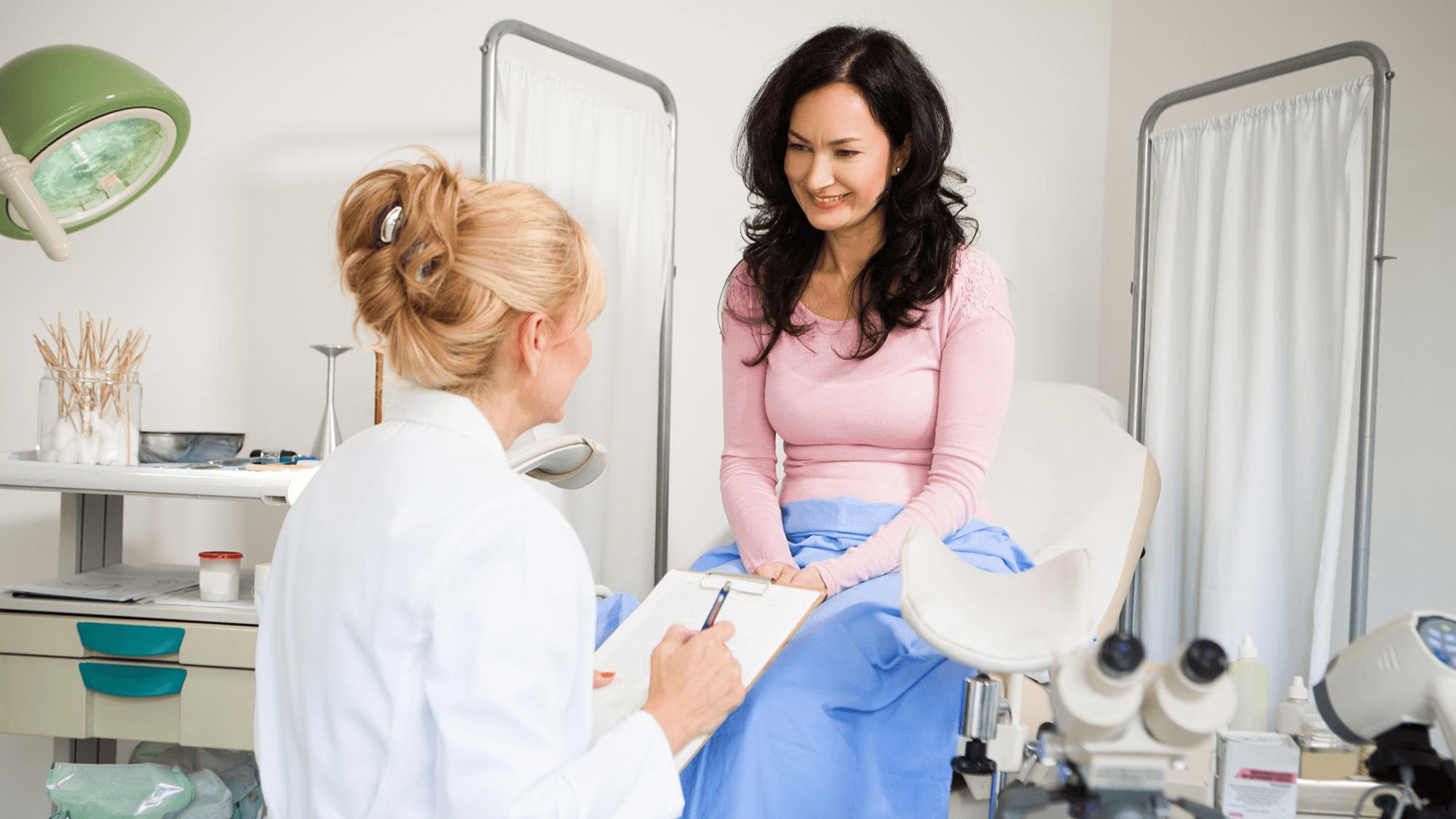
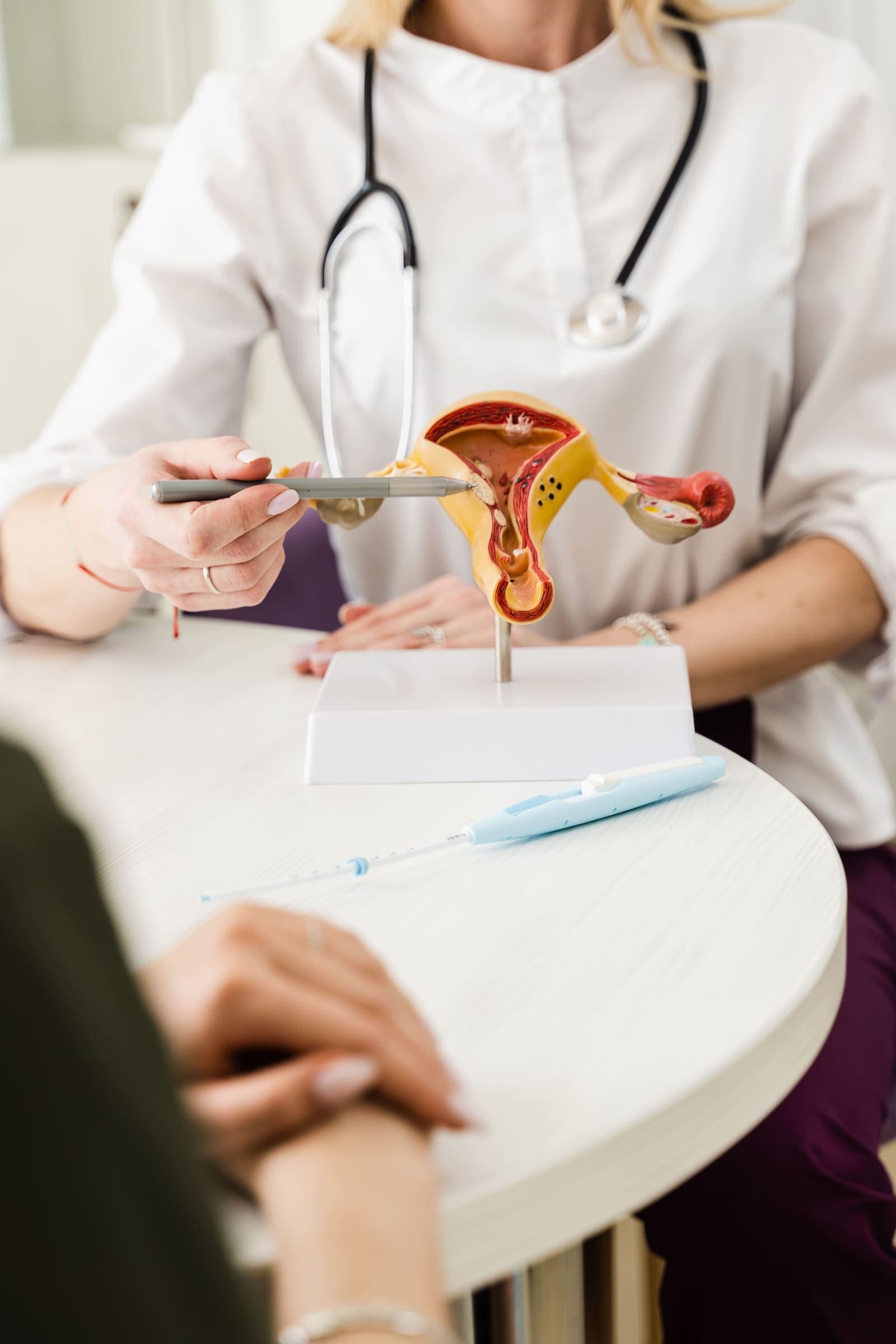
After surgery, a patient receives follow-up care and dietary advice from a gynecologist in a professional consultation room.
Final Thoughts
The role of the diet in the total care process after laparoscopic surgery cannot be overemphasized as a factor influencing overall recovery rate and speed. The quality of food eaten before surgery ensures optimum preparation, and after surgery, it is essential for a favorable recovery. Patients can look forward to getting back to a regular diet easily and quickly when they abide by dietary recommendations.
Expert Care With Dr. Shachi Singh
Dr. Shachi Singh in Noida is the specialist of choice to get a comprehensive and customized consultation. She has over 15 years of experience in women's health and advanced laparoscopic surgery, and provides compassionate patient-oriented treatment with emphasis on safe and quicker recovery.
Modern surgical options, tailored treatment, and post-treatment support are what patients can expect, along with other special medical care services provided to each patient. Book a consultation with Dr. Shachi Singh for safe, efficient, and comfortable treatment and walk towards an empowered tomorrow.
Frequently Asked Questions (FAQs)
1. What diet should be followed before laparoscopic surgery?
Diet should be light and easy to digest, with a fluid and protein-based diet.
2. How long before it is safe to consume normal food again post-laparoscopic surgery?
Normally, the diet should be back to normal within days, depending on how the recovery proceeds.
3. What foods should be avoided post-laparoscopic surgery?
Avoid spicy, greasy, and processed foods, along with foods that are gaseous at first.
4. Why should adequate water intake be encouraged following laparoscopic surgery?
Adequate fluid consumption reduces the chances of constipation and speeds up recovery.