Understanding Perimenopause: Early Signs Every Woman Should Know

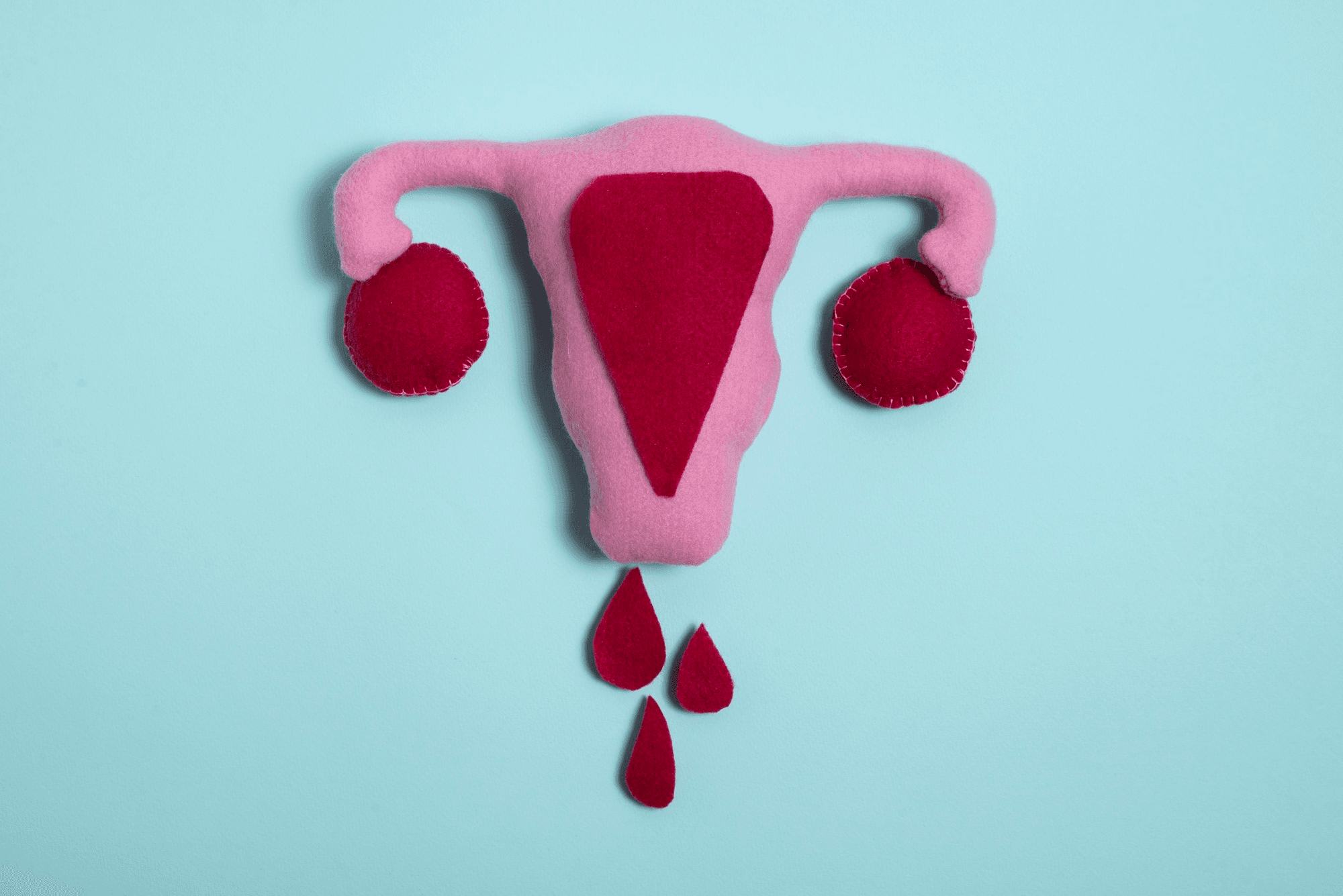
A woman shows concern while checking her alarm clock with wavy patterns to represent hormonal changes and an uneven cycle during the perimenopausal stage.
The physical changes occur naturally when going through perimenopause, which is part of the changing hormones on the journey towards menopause. Women typically notice that this period of changes occurs when they're in their late 40s; during this time, they may experience a variety of different things both mentally and physically.
Every woman experiences these changes differently, but there are some common changes that every woman experiences, such as changes in menstrual cycle, feeling depressed, and hot flashes, etc. This process occurs due to physical and mental changes during perimenopause. Awareness of the early changes of the transition to menopause is important in maintaining a good quality of life.
What Is Perimenopause?
Perimenopause, or the menopause transition, is part of the process your body goes through to arrive at the menopause. It is caused by the ovary producing lower levels of estrogen, which affects the woman's menstrual cycle and physical condition.
Key Important Facts:
- Women may go through this for many years before arriving at the actual menopause, and the time span will differ from woman to woman.
- The hormonal change will result in differences in the woman's cycle, and they may find themselves suffering from mood swings, problems sleeping, and hot flashes.
- It carries on until the menopause is reached, which has been defined as 12 consecutive months in the absence of a menstrual period.
Early Signs Of Perimenopause
1. Changes In Periods
Early perimenopausal changes show up as changes in your periods. They can become longer, shorter, heavier, or lighter, or start to arrive at unpredictable times. These fluctuations are a direct result of changing levels of your hormones, such as estrogen and progesterone.
2. Hot Flashes And Night Sweats
Vasomotor symptoms are extremely common and are perceived as intense feelings of heat, typically flushing across the face and chest, which can also include a surge of sweat and a rapid heartbeat. In the case of night sweats, these same symptoms occur while sleeping, making it hard to get a restful night's sleep.
3. Mood Swings
Since you have all these hormones fluctuating, you might also find that you have mood swings and may feel Irritable, anxious,s or sad. These symptoms can be similar to Premenstrual Syndrome, but may occur more often and/or longer.
4. Sleep Problems
Women often report sleep problems around the time of perimenopause. Insomnia, waking often during the night, or not feeling rested are common. Night sweats are also a huge contributing factor.
5. Vaginal Dryness And Discomfort
Decreased levels of estrogen lead to thinner vaginal tissues that can become dry. This may feel irritating and uncomfortable, and make sexual intercourse painful and more prone to urinary tract infections.
6. Decreased Sex Drive
Reduced libido is often experienced by women entering perimenopause. This might be due to the hormonal changes, es but also due to associated pain and discomfort.
7. Weight Gain And Changes In Metabolism
When hormones are imbalanced, this may slow your metabolism and can make you gain weight relatively quickly and easily, mainly around the abdomen, whereas you may previously have struggled to gain weight at all.
8. Changes In Hair And Skin
Your skin may become dry, and your hair thinner and brittle, along with your nails being the same, just reflecting these underlying hormone changes.
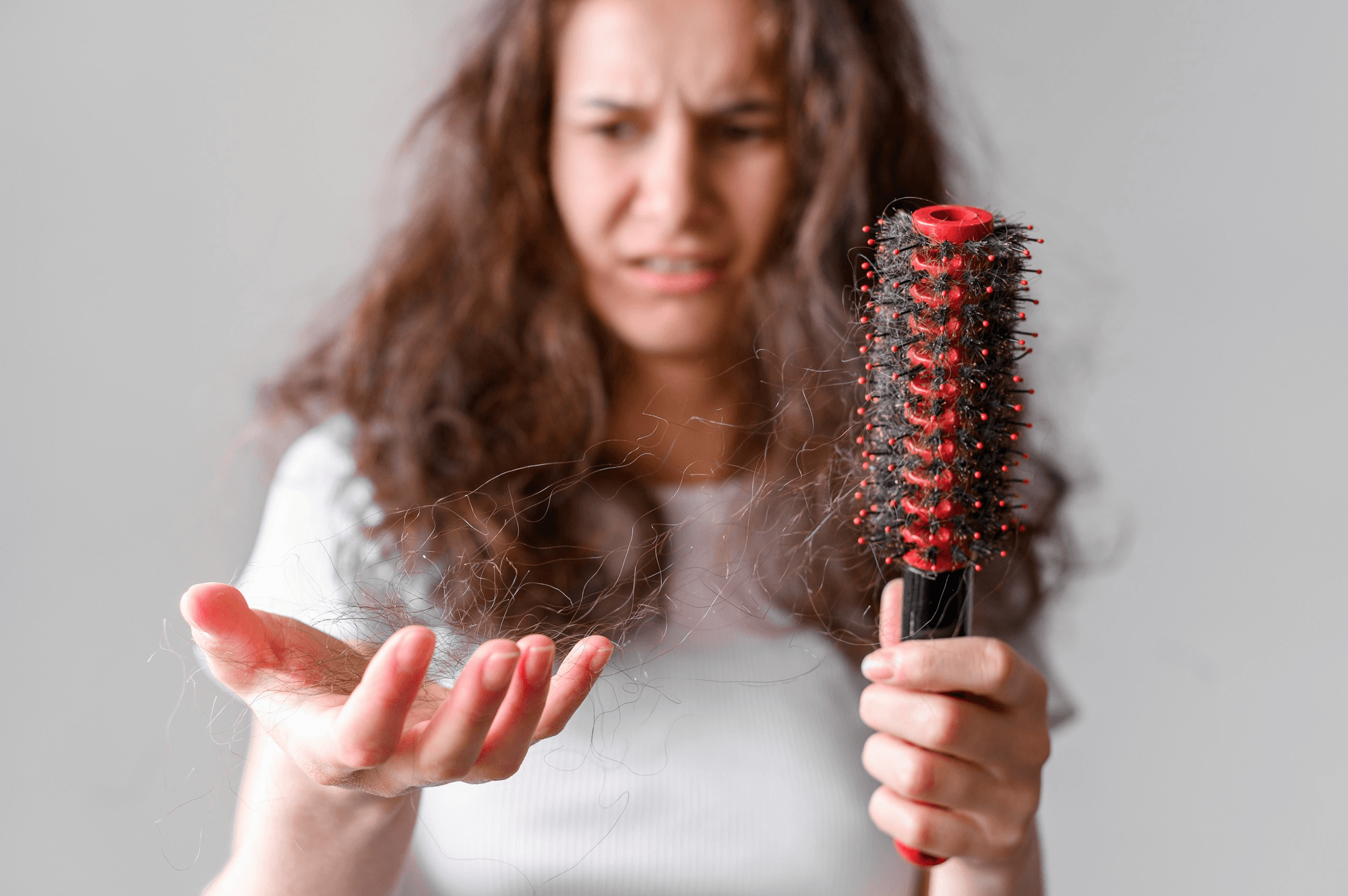
A woman shows anxiety as she looks at her hair brush with a bundle of fallen hair, depicting the hair fall due to hormonal changes during perimenopause.
Managing Perimenopausal Symptoms Effectively
1. Changes Lifestyle
- Lifestyle change, which includes exercise, optimal and appropriate intake of nutrients, adequate fluid intake, and a normal weight, may assist in overcoming the changes induced by hormones.
- Reducing intake of caffeine and alcohol may reduce hot flashes and promote sleep.
- Techniques to reduce stress, such as yoga, meditation or other relaxation, may also be beneficial.
2. Medical Treatments
- The intervention for moderate to severe symptoms may involve medical attention.
- Vaso-motor symptoms and vaginal dryness are among the symptoms treatable with hormone replacement therapy(HRT).
- Some women are prescribed non-hormonal medication depending on the woman's health status, after assessment by her medical provider.
3. Alternative Therapy
- Many women use alternative therapy to find an alternative treatment for hot flashes, mood swings and/or poor sleep, which is associated with perimenopause.
- Herbs, acupuncture, natural remedies, etc are available that women can use in conjunction with or instead of hormone therapy.
- Care must be taken, and a medical professional must be involved before a woman may undertake such treatments, as these could contradict other prescribed medications or cause unwanted effects.
4. Psychological, Emotional, And Social Support
- Emotional and psychological health may become an issue for some women during the hormonal fluctuation of perimenopause.
- A support system, be it friends, family or support groups, will help a woman adjust to mood swings, anxiety and stress, and help a woman with her emotions through communication and emotional support.
When To Seek Medical Help?
- Heavy, long, or excessively frequent and/or irregular periods.
- Severe and intolerable hot flashes or night sweats are impacting normal daily activities and sleep patterns.
- Low mood/depression, anxiety or irritability that is unresponsive.
- Sleep disturbance leading to fatigue, lethargy and low energy levels.
- Uncomfortable and/or painful vaginal dryness that impacts sexual activity and normal life.
- Unexplained weight gain or changes to body mass/composition.
- Irregular vaginal bleeding that is significantly prolonged overdue for a period.
It is important to seek immediate medical advice as appropriate, to facilitate treatment, resolution and potential future prevention of problems associated with this time of life.
Final Thoughts
Perimenopause is a natural but multifaceted transition, which can cause a range of physical and psychological changes. Although symptoms can be difficult to cope with at times, identification and intervention at an early stage can greatly enhance well-being. Lifestyle choices, adequate medical treatment and a good support network are important in order for this life stage to be coped with effectively.
It is important to realise that women have varied responses to the signs of perimenopause, so individual care is essential. If this life change is appropriately managed, then women can have good health and go forward to a better life.
Expert Care With Dr Shachi Singh
If you're experiencing some of the perimenopausal symptoms such as irregular periods, hot flashes, mood swings, sleep disorders, etc., it is advisable to seek medical help earlier, for it can make a lot of difference. Consult the best Gynaecologist in Noida, Dr Shachi Singh, to seek the best treatment.
Being an experienced gynaecologist in Noida, she has an expertise of 15+ years in evaluation, treatment plan, & comprehensive care of women's health problems and aids you in handling perimenopause better by bettering the quality of your life with the most patient-centered & compassionate care.
Book your appointment now, and take care of yourself with the assistance of Dr Shachi Singh for managing perimenopause.
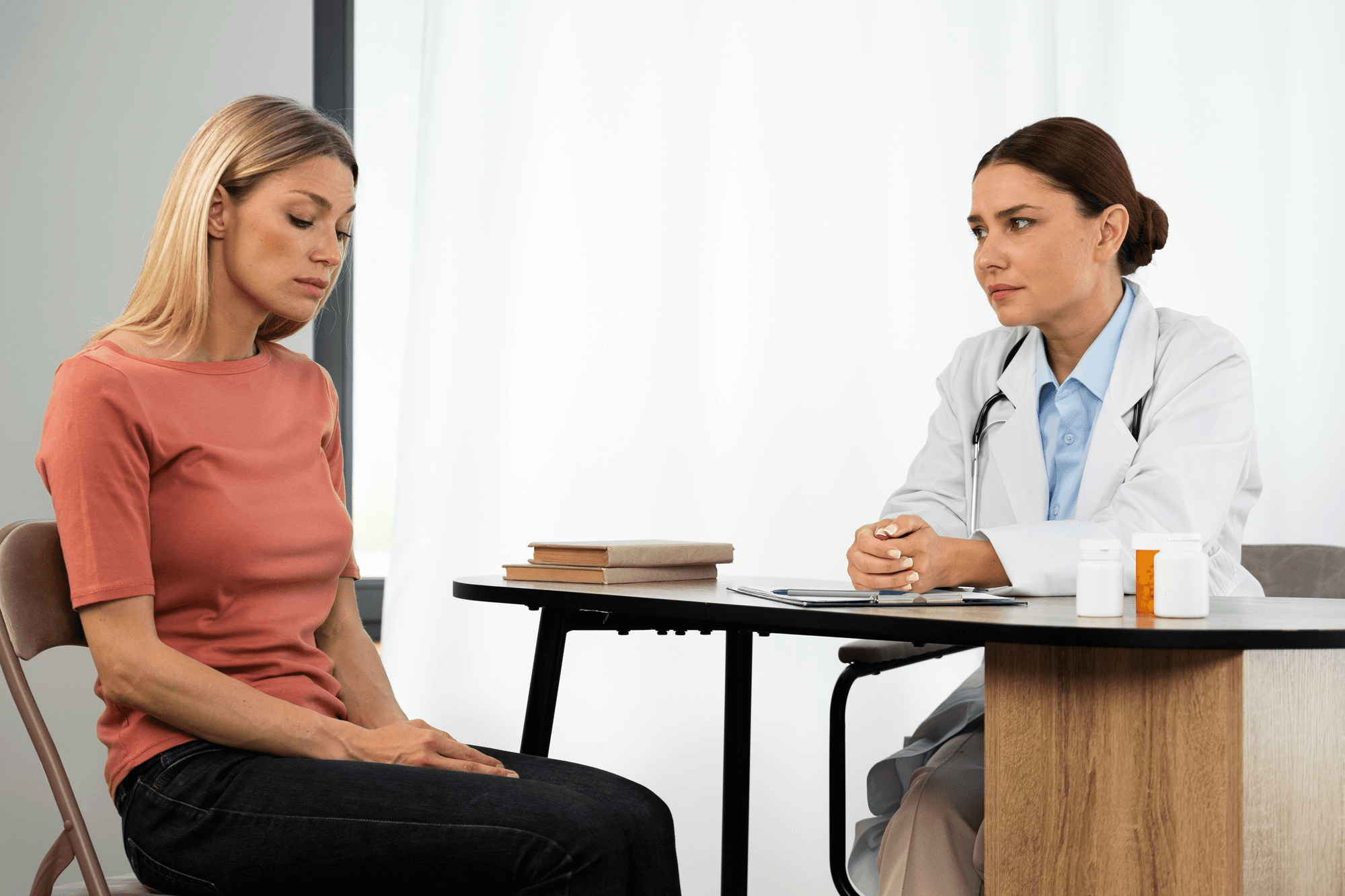
Patient conversing with her doctor to get adequate solutions to perimenopausal symptoms such as mood swings and irregular periods during examination.
Frequently Asked Questions(FAQs)
1. Average age for perimenopause?
Typically occurs between mid-to-late 40s, though may start as early as late 30s. It varies greatly in length and lasts until the menopause is reached.
2. How to naturally manage perimenopause?
This involves maintaining a healthy lifestyle, including regular exercise, a balanced diet, adequate sleep, reducing caffeine and alcohol intake, and managing stress. Taking control of these areas can help minimise symptoms like hot flashes, mood swings, and sleep problems.
3. Is it normal to be going through perimenopause at 41?
Yes, it is entirely normal. Hormonal changes leading to perimenopause can occur in the early 40s or even the late 30s and are dependent on factors such as individual health, genetics, and lifestyle.
4. What is one of the early signs of perimenopause?
Irregular periods are one of the early signs. Periods may become unpredictable in their timing, flow, and duration as hormones fluctuate.
5. How do I reverse perimenopause?
Perimenopause is a natural biological process and cannot be reversed, although it can be managed effectively. Medical intervention can help improve a woman's quality of life during the transitional years.