Understanding Female Libido Changes

A couple sits back-to-back on a bed, expressing frustration and sadness.
It is important to remember that a woman’s sexual desire is not static; it varies by age, state of health, mood, life situations, and many other factors. Fluctuations in libido are normal; however, an ongoing change may warrant further investigation.
However, women are generally not encouraged to discuss matters of their sexual health, and discussing change is the first step toward resolving issues around well-being. Here, we explore the science behind, psychology of, and practical interventions for changing libido in women.
What Is Female Libido?
Female libido is basically a woman's sexual drive or natural interest in sex. It is also influenced by hormones, emotional bonds, psychology, and physical health. There is no 'right' or 'wrong,' and all that counts is that you are happy with what level you are.
Why Does Female Libido Change?
Several factors interact to influence a woman's libido:
- Fluctuations in hormone levels - Hormone shifts (due to periods, pregnancy, or menopause) in estrogen, progesterone, and testosterone can directly affect sex drive.
- Stress and mental state - High levels of stress, anxiety, or depression decrease interest in sex due to its strong relationship to libido.
- Relationship issues - A feeling of closeness, ease, and good communication with your partner is important for sexual desire.
- Medical conditions - Disorders such as polycystic ovary syndrome, thyroid problems, or other long-term conditions affect hormones and energy, resulting in decreased sex drive.
- Certain medications - Certain medications, including antidepressants and hormonal birth control methods, can cause a drop in libido as a side effect.
- Poor lifestyle habits - Lack of sleep, little exercise, an unhealthy diet, smoking, or excess alcohol consumption can drain your energy levels and thus your libido.
Understanding what can bring about changes allows you to identify whether the change is a temporary situation or something more.
Life Stages And Libido Changes
Female libido naturally fluctuates throughout a woman's life due to changes in hormones, physical alterations, and emotional state.
1. During The Menstrual Cycle
Libido can rise at the time of ovulation, and fall before menstruation.
- Around ovulation, levels of estrogen are at their highest, and this surge can actually increase sexual desire and arousal.
- Premenstrual (or PMS), if you like, may have mood swings, can have bloating, or be tired, which might relate to a lack of motivation.
- Any woman may feel as though she is more sensitive or uncomfortable during periods.
2. Pregnancy And Postpartum
Desire may be affected by physiological changes, hormonal fluctuations, and fatigue. Libido may fluctuate after childbirth during recovery.
- Libido might rise in the second trimester. In fact, libido levels tend to be higher in the 2 nd trimester because of increased blood circulation and energy.
- Less interested due to physical discomfort, nausea, or body concerns.
- After delivery, the healing hormone drops, and breastfeeding will decrease libido.
- The toll of lack of sleep and emotional mending is also a huge factor.
3. Perimenopause And Menopause
Can cause low desire, dryness, and painful sex. Vaginal dryness may make sexual intercourse uncomfortable or painful.
- Lower testosterone levels could decrease desire.
- Desire may also be influenced by hot flashes, sleep problems, and psychological changes.
- Changes in body image and emotional reasons probably have an impact on intimacy as well.
Recognition of these stages will allow for normalizing changes and identifying when additional assistance may be needed.
Signs Of Low Libido In Women

A couple lies apart in bed, showing signs of conflict.
Symptoms can be quite varied, both physical and emotional.
- Lack of desire for sex
- Lack of sexual thoughts
- Problem in being aroused
- Reduced satisfaction
- Unwillingness to initiate sex
Just as critical, however, is the concept that consent and each partner's comfort level in the relationship always trump. An alteration, even if temporary or prolonged, in the drive or desire level does not detract from the relationship itself and should not be equated with whether the relationship is "good." There are countless other factors, including emotional connection, trust, open communication, and compassion, that are equally significant in any partnership.
In cases where the problem persists and the individuals involved feel comfortable talking about it with one another, it is useful to consult a medical professional to determine if there is a medical cause or solution to the issue.
Low Libido Vs Sexual Dysfunction: Understanding The Difference
Low libido means there is a decrease in the sexual appetite; sexual dysfunction refers to a physical problem or impairment that may affect your lovemaking. It can include: pain during sex, erection problems, or dissatisfaction during sex. Low libido refers to a lack of sexual interest and is due to psychological, medical, social, or personal reasons that will affect the desire for sex, while sexual dysfunction can be a symptom of other physical or medical problem which will requires specific treatment.
It is vital to understand that these are two distinct phenomena and have different causes and treatment strategies. Treatments could range from the simplest advice to psychotherapy and, to the most sophisticated one, medical treatments. Furthermore, what's fundamental is a shared intimate experience in the relationship. Low desire and the presence of a problem in lovemaking do not affect the value of the relationship: intimacy based on a sincere relationship, a mutual feeling of respect, and emotional support.
How To Improve Female Libido Naturally?
Increasing libido is less about "fixing a problem" and more about fostering overall well-being that supports a healthy physical, emotional, and relational state.
1. Reduce Stress
Relaxation activities like yoga, meditation, or basic deep-breathing exercises can reduce stress and levels of cortisol, which may contribute to a dip in sexual desire.
2. Promote A Healthy Lifestyle
Regular exercise can boost blood circulation and energy levels, and a good amount of sleep can help regulate sex hormones. Overall health naturally supports sexual health.
3. Enhance Communication
Open and honest communication with your partner can build trust, minimize pressure and insecurity, and promote the emotional intimacy that many women find integral to sexual desire.
4. Address Potential Medical Issues
Hormonal imbalances, thyroid problems, or polycystic ovarian syndrome (PCOS) can be factors that affect female desire. If there's suspicion of underlying medical issues, consult a physician to discuss the most appropriate course of action and potential treatment.
5. Seek Therapy Or Counseling
A therapist or sex therapist can help you process emotional blockages, anxiety, past trauma, or relationship dynamics that might be negatively impacting your sex drive.
Keep in mind that a lowered libido isn't always a sign of something that needs to be "fixed." An individual's response to stimuli is subjective, so any progress towards an improved sex drive should be consent-based, non-coercive, and tailored to individual preferences. If you're concerned that you may require help in a particular area, a trusted professional can offer expert guidance to make decisions with safety in mind.
Can Medical Treatments Help Improve Female Libido?

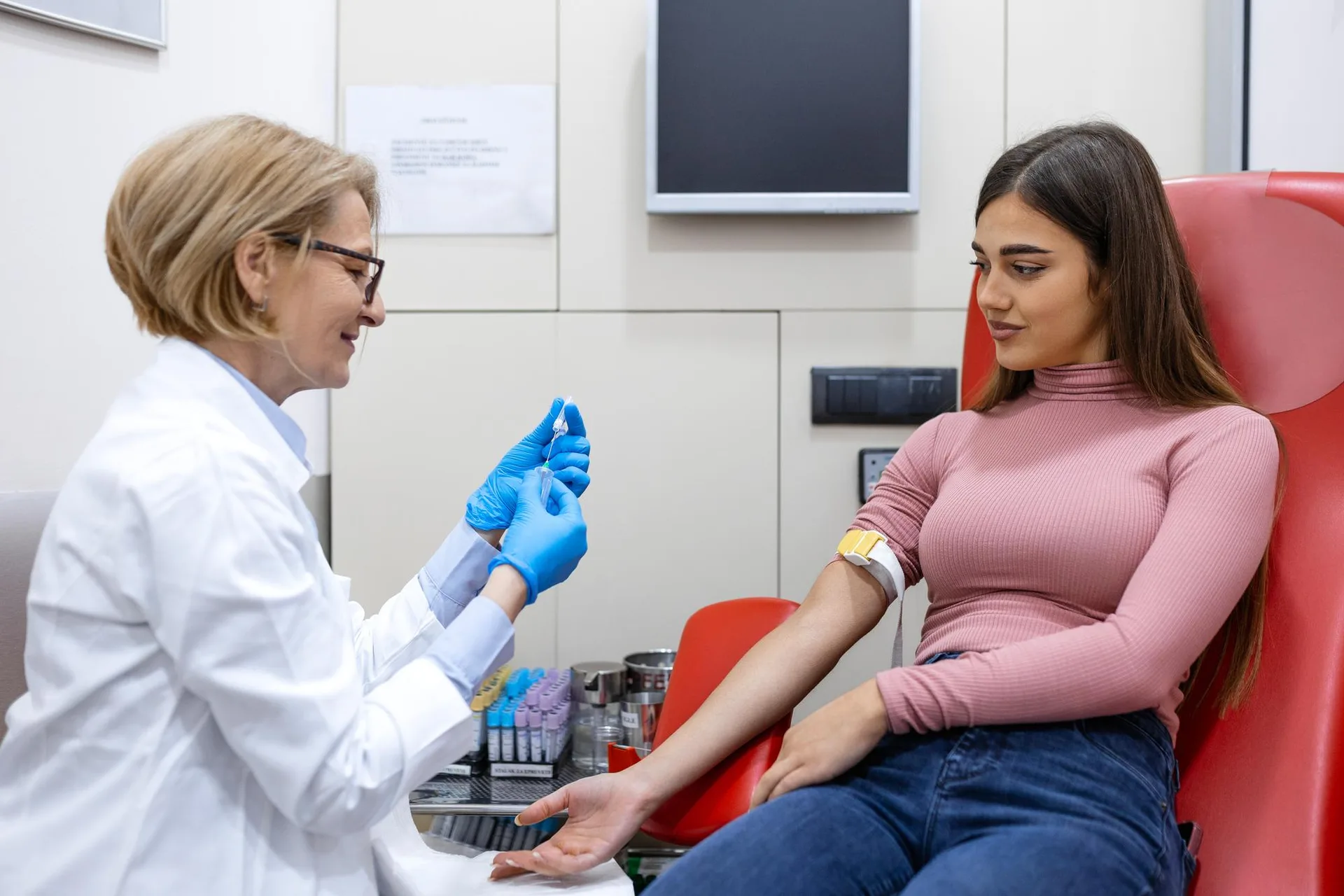
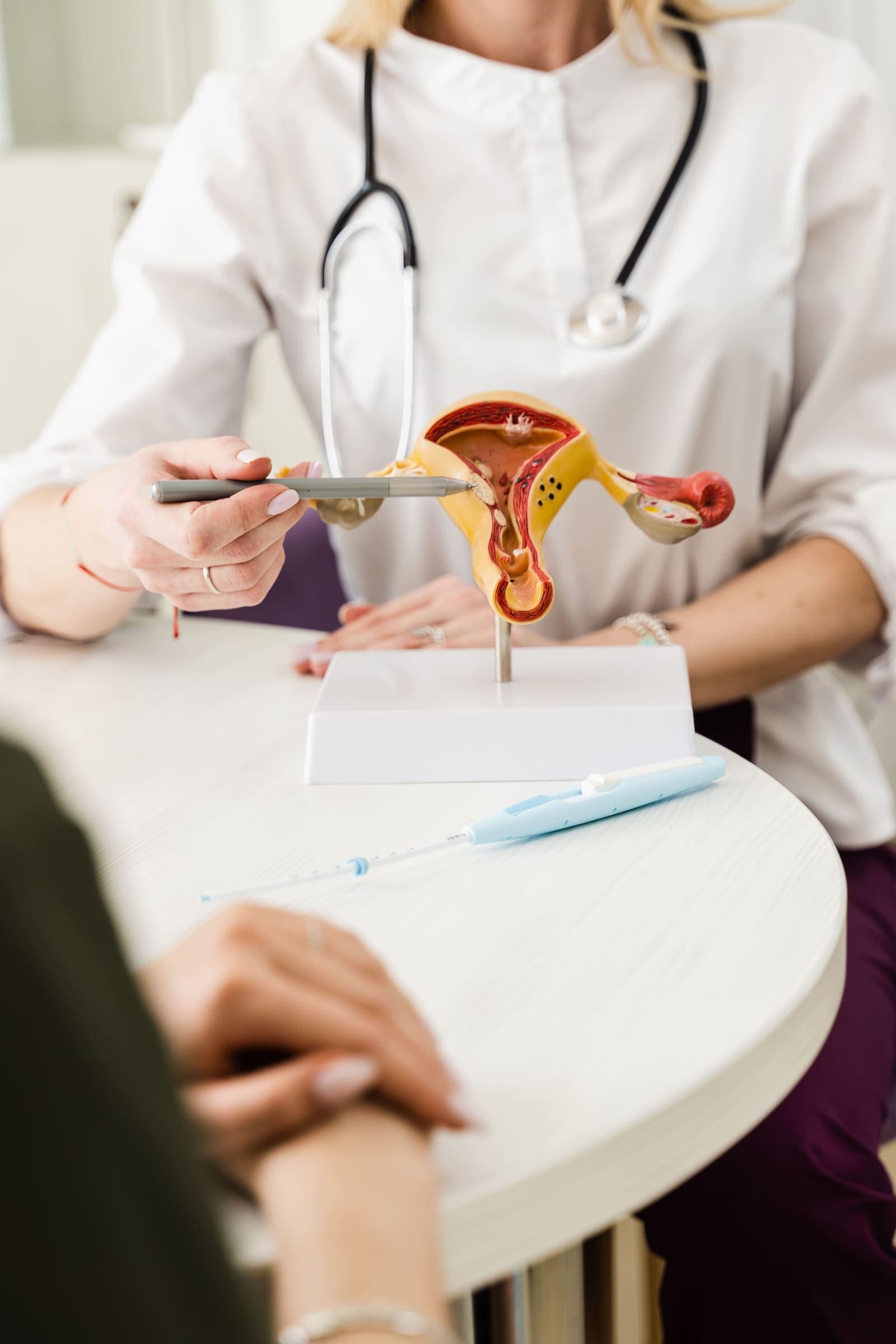
A doctor consults a female patient in a medical office.
It may be possible depending on the cause. They can include:
- Hormone therapy can correct an imbalance of estrogen or testosterone when deficiency is noted.
- Treating underlying causes might involve managing conditions such as a thyroid problem, PCOS, or any chronic disease.
- Counseling or sex therapy can address psychological, emotional, and relationship-based causes.
It's crucial to acknowledge that for most, medical treatment for the libido problem will not be required. The change in female libido may be an acceptable one; any action taken should only be after discussing the problem with a relevant professional, and if any treatment is appropriate and suitable.
Breaking The Stigma Around Female Sexual Health
Issues related to the female libido are usually avoided because of the existing stigma surrounding sexuality and female sexual function, due to a variety of reasons that are rooted in cultural norms, social expectations, and the fact that sex is such a taboo subject. The resultant silence contributes to ignorance, reluctance to seek medical assistance, and emotional suffering.
But the topic of sex and sexual health is critical to a woman's complete well-being. The female body should be respected, and the questions raised about it and other issues of sexual health should be normalized and answered readily. The need for medical assistance should be a cause for pride in oneself for acknowledging one's sexuality and taking control of one's own body, rather than one for shame.
Importance Of Seeking Timely Gynecological Advice
Ignoring symptoms or alterations to libido can be one reason that medical/hormonal/psychological issues take longer time to be identified. A slight change, which may be trivial or a passing feeling, can actually have relevance and be amenable to prompt evaluation and care.
A GYN can assess and inquire about medical history and habits, in addition to hormonal health, to recommend effective remedies such as lifestyle changes, counseling, or medication. Visiting a GYN for early advice can offer clarity, comfort, and a personalized plan to better sexual and reproductive health.
Expert Care With Dr. Shachi Singh
At Dr. Shachi Singh's practice, she provides women's sexual health care with compassion, discretion, and expertise. Each woman receives a unique plan of care, which might consist of hormonal assessment, medication, or counseling support, and addressing the underlying cause, with treatment individualized for her. If you have experienced a change in libido that is affecting your daily life or relationship, it's important to address this with Dr. Shachi Singh. Please call to make an appointment for attentive and expert care.
Frequently Asked Questions (FAQs)
1. Can low libido be temporary?
Yes, it can, and it is often related to factors such as stress, hormonal shifts, or even a lifestyle change.
2. Does age affect female libido?
Yes, a female's libido will often alter throughout her life, particularly through menopause when hormone levels change dramatically.
3. Can relationship issues affect sexual desire?
Yes, if partners grow distant emotionally, communication falters, or conflict exists within a relationship, it may impact the drive to have sex.
4. Does female libido need treatment?
Not always, an assessment is not usually necessary unless the low libido is causing either emotional or physical discomfort.