Essential Health Screenings Every Woman Needs For Optimal Well-being

This is a doctor administering a blood test on a woman. All safety protocols and hygiene methods are utilised and put in place so as to give patients the greatest care when performing this common diagnostic test.
Promoting long-term health is all about good habits and also about having timely health screenings to identify problems before they occur. Since women have distinct health concerns and issues in every stage of life, keeping up with scheduled check-ups is the first step towards healthy living.
Regular testing, including reproductive health exams, cardiovascular checks, and cancer screening, plays a major part in women's health. Knowing which screening to take for herself is beneficial for every woman to be able to control and take charge of her health and for a healthy, confident future.
10 Essential Health Screenings Every Woman Needs
1. Pap Smear (Cervical Cancer Screening)
A Pap smear is a routine test where cells from your cervix are collected to examine for abnormalities. It's part of a pelvic exam and doesn't take long.
Why it is important: It screens for precancerous or cancerous cell changes caused by HPV infection.
Benefits: By detecting problems early, treatment is possible before they become serious, reducing the risk of cervical cancer significantly.
2. HPV Test (Human Papillomavirus Screening)
This is a test for certain types of human papillomavirus (HPV), which are considered high-risk and are most commonly linked to cervical cancer. The test can be performed either on its own or together with a Pap smear.
Why it is important: Some strains of HPV cause almost all cases of cervical cancer.
Benefits: This test identifies individuals at a higher risk of developing cervical cancer, meaning closer follow-up and preventative care can be administered if necessary.
3. Breast Screening (Mammogram)
A mammogram is an X-ray of the breast, typically performed for women over the age of 40. It checks for signs of breast cancer, even those that may not be physically palpable.
Why it is important: Breast cancer is one of the most commonly diagnosed cancers among women worldwide.
Benefits: Early diagnosis drastically improves the success rates of treatment and significantly reduces the risk of mortality.
4. Bone Density Test (DEXA Scan)
A DEXA scan uses low-dose X-rays to measure the mineral density in your bones. This is recommended more frequently for postmenopausal women, due to increased risk of osteoporosis.
Why it is important: Women lose bone mass rapidly after the menopause as a result of hormonal changes, and are thus at a much higher risk of developing osteoporosis.
Benefits: It allows for an early diagnosis, which can help prevent fractures or reduce their risk by appropriate medical or lifestyle intervention.
5. Blood Pressure Screening
This is the process of taking the force exerted by circulating blood against the walls of the arteries and measuring how many times your heart beats per minute. This process typically involves the use of a cuff-like device on the arm.
Why it is important: High blood pressure is known as a silent killer because symptoms rarely appear at an early stage, but it may be a major risk factor for several life-threatening complications like stroke, heart disease, and kidney disease.
Benefits: Early detection helps to maintain blood pressure and control, preventing the risk of heart diseases and stroke in the long run.
6. Blood Sugar Test (Glucose / HbA1c)
This test measures the level of sugar in your blood. A glucose test checks it when you have fasted, and an HbA1c checks it over 2-3 months. This helps determine the presence of pre-diabetes or diabetes.
Why itis important: Uncontrolled diabetes can silently damage numerous parts of the body over time.
Benefits: Early detection helps manage it properly by diet control, exercise and medication and prevents risks like nerve damage, vision problems and kidney failure.

A doctor holds up a glucometer device in their hand. This tool is extremely easy to use and measures an individual’s blood sugar levels.
7. Cholesterol Test (Lipid Profile)
A lipid profile is a series of blood tests that measure total cholesterol, low-density lipoprotein (LDL) or bad cholesterol, high-density lipoprotein (HDL) or good cholesterol, and triglycerides.
Why it is important: High cholesterol is a significant risk factor in developing cardiovascular diseases, such as heart attack and stroke.
Benefits: It gives an indication of whether diet and lifestyle changes or medication are required to keep the heart healthy.
8. Thyroid Function Test (TSH, T3, T4)
This is a blood test that evaluates how well your thyroid gland is working. Imbalances are seen more commonly in women than in men.
Why it is important: The hormones secreted by the thyroid gland control your metabolism. Imbalances in these levels can influence your weight, mood, fertility and general level of energy.
Benefits: Early treatment of these imbalances helps the patient regain control over life and prevent long-term ill health.
9. Pelvic Examination
A pelvic exam includes physical evaluation of your vulva, vagina, cervix, uterus, ovaries, Fallopian tubes and rectum to check for abnormalities. It is often a part of routine gynaecological check-ups.
Why it is important: to check for problems like infections, cysts, or fibroids that may not be causing symptoms but are harmful to reproductive health.
Benefits: Early detection of potential gynecological and reproductive health problems to provide effective treatment to women to recover and have better reproductive health.
10. Sexually Transmitted Infection (STI) Screening
STI screening involves tests for conditions such as HIV, chlamydia, gonorrhea, and syphilis. Depending on the condition being tested, blood, urine, or swabs can be used for the tests.
Why it is important: While often without symptoms, STIs can cause long-term and severe problems if left untreated.
Benefits: Detecting and treating STIs early helps prevent infertility, complications in pregnancy, and transmission to others.

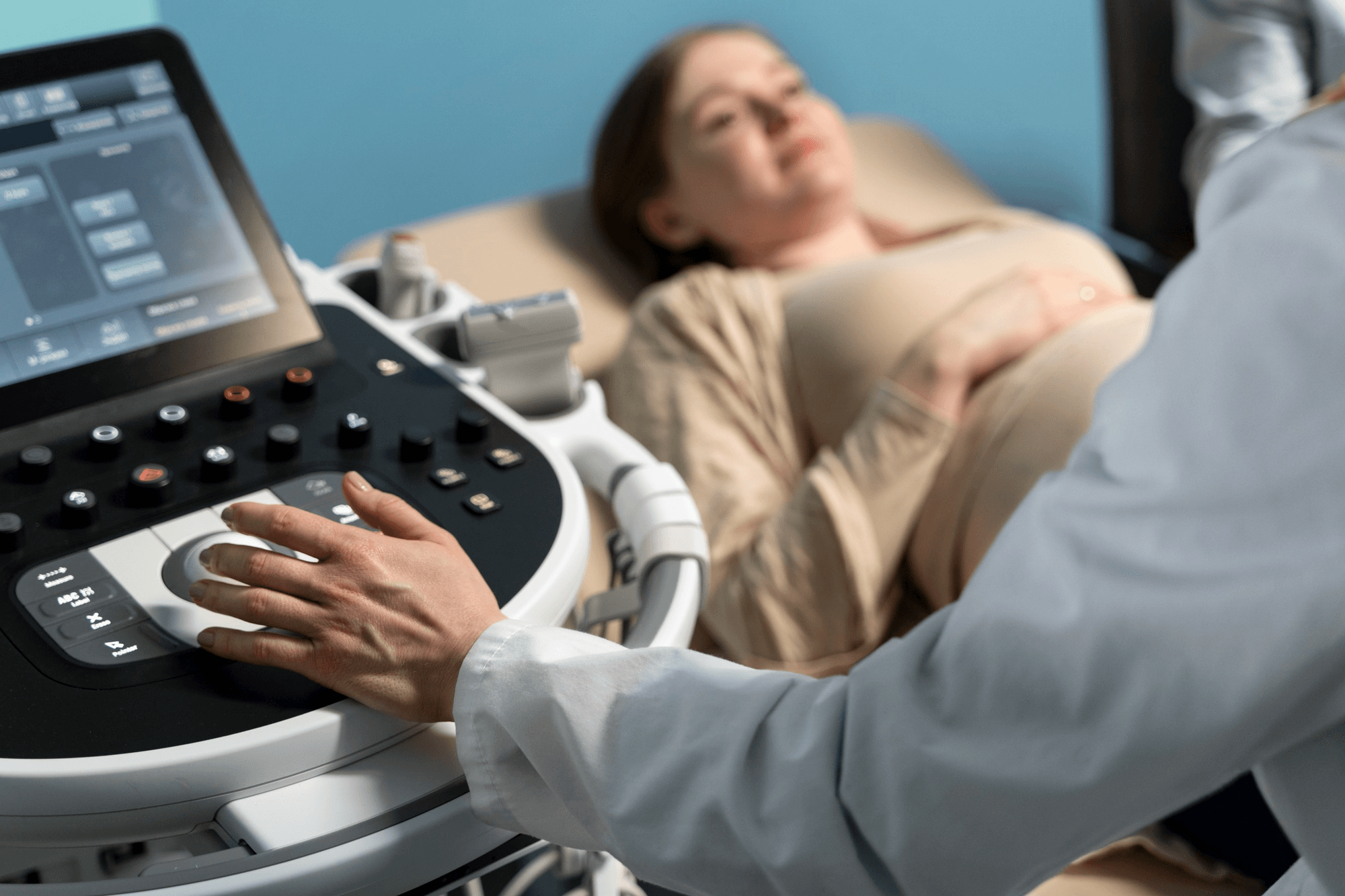
A doctor clearly shows a female how to perform common screening tests to maintain healthy conditions and improve wellness.
Final Thoughts
By making regular health screenings a priority, women can invest in their long-term well-being. The benefits of early detection, prompt treatment, and the prevention of many severe illnesses cannot be overstated. Women who are consistent with their checkups can protect their reproductive and overall health, guaranteeing an improved quality of life throughout their lives.
Expert Care with Dr Shachi Singh
Empower yourself with exceptional care from Dr Shachi Singh, your trusted gynecologist, obstetrician, and laparoscopic surgeon. From preventative screenings to comprehensive treatments and cutting-edge diagnoses, you're entitled to empathetic and thorough medical support. Don't delay seeking care; take a proactive stance in your health today.
Book an appointment with Dr Shachi Singh and embrace women's healthcare tailored to you.
Frequently Asked Questions (FAQs)
1. Most common gynecological tests?
Common gynecological tests consist of: a pelvic exam, Pap smear, HPV test, breast exam, ultrasound and blood tests for hormone evaluations. These exams help in the detection of infection, abnormal cervical changes and reproductive health conditions, as well as any pre-cancerous conditions and early signs of cancer. Regular screenings lead to early diagnosis and treatment, improved reproductive and overall health.
2. Which screening is done for female patients?
The screenings for female patients usually consist of a Pap smear for cervical cancer, HPV testing, a mammogram for breast cancer, pelvic exams, and a bone density scan. Additional screenings for blood sugar levels, thyroid functioning and STIs may be recommended depending on the patient's age and any risk factors to ensure thorough monitoring of their health.
3. How old should a virgin be to get a Pap smear?
A Pap smear test should generally start when a woman is 21 years old. This is regardless of her being sexually active, as cervical changes can still occur without a woman being sexually active, though it may be rare. A health care professional will recommend whether or not a Pap smear is needed based on any history of cervical issues and health risk factors.
4. What is the new test replacing the Pap smear?
A Pap smear has started to be replaced with an HPV test. HPV (human papillomavirus) is now tested and is used to test for the high-risk viruses that cause cervical cancer. In some instances, guidelines recommend an HPV test on its own, while in others, they recommend it along with a Pap smear (co-testing) for even better detection.
5. What is women's health screening?
Women's health screening refers to tests done by medical professionals to monitor the health of women, especially in relation to their reproductive system. These screenings can cover reproductive health, cancer screening, and hormone imbalance screening, as well as various disease prevention screenings. These tests will not only give earlier diagnoses of possible medical problems, but will also ensure adequate treatment is given in the time necessary and maintain health in both aspects of their lives.