Heavy Periods (Menorrhagia): What's Normal, What Isn't, and When to See a Doctor
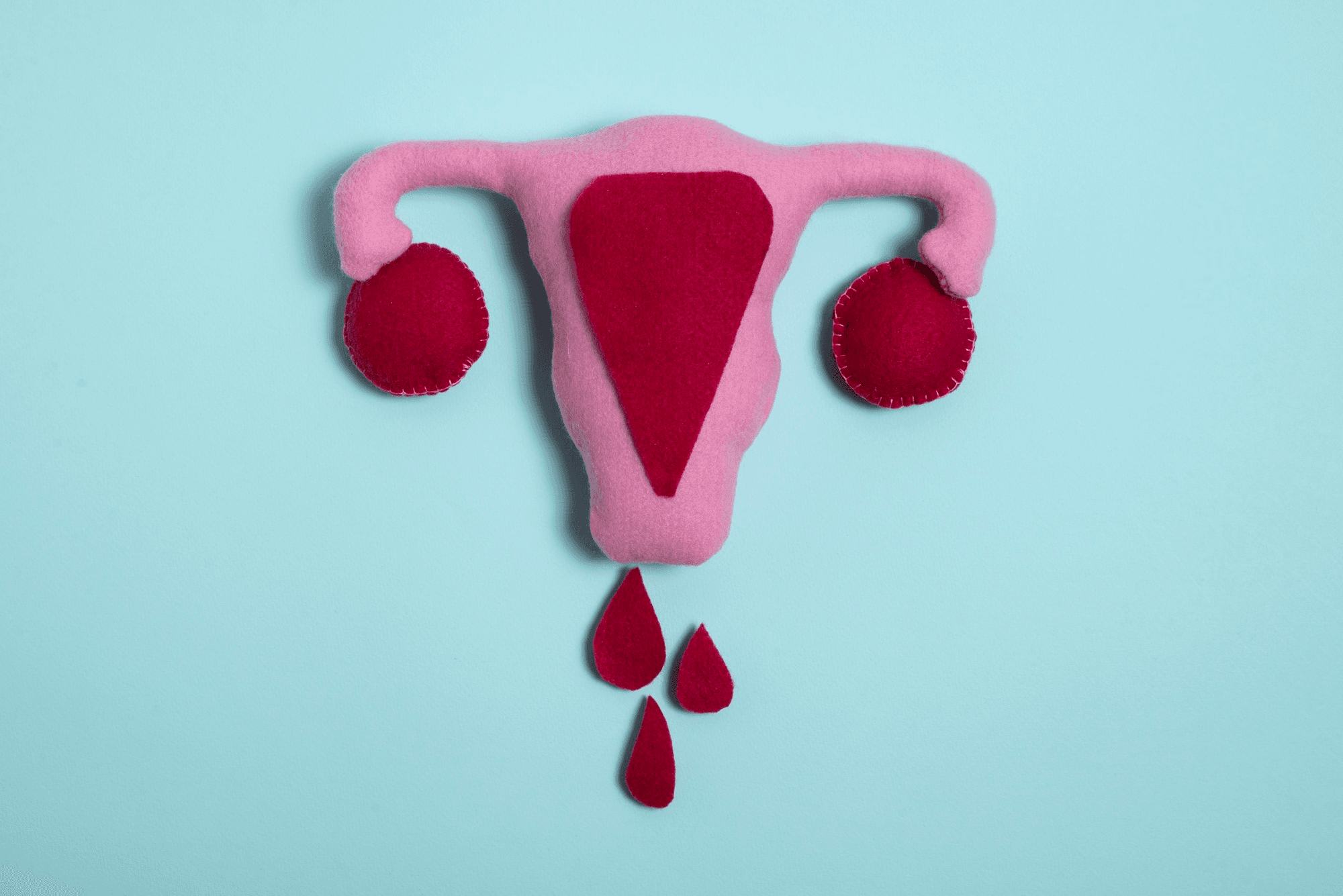
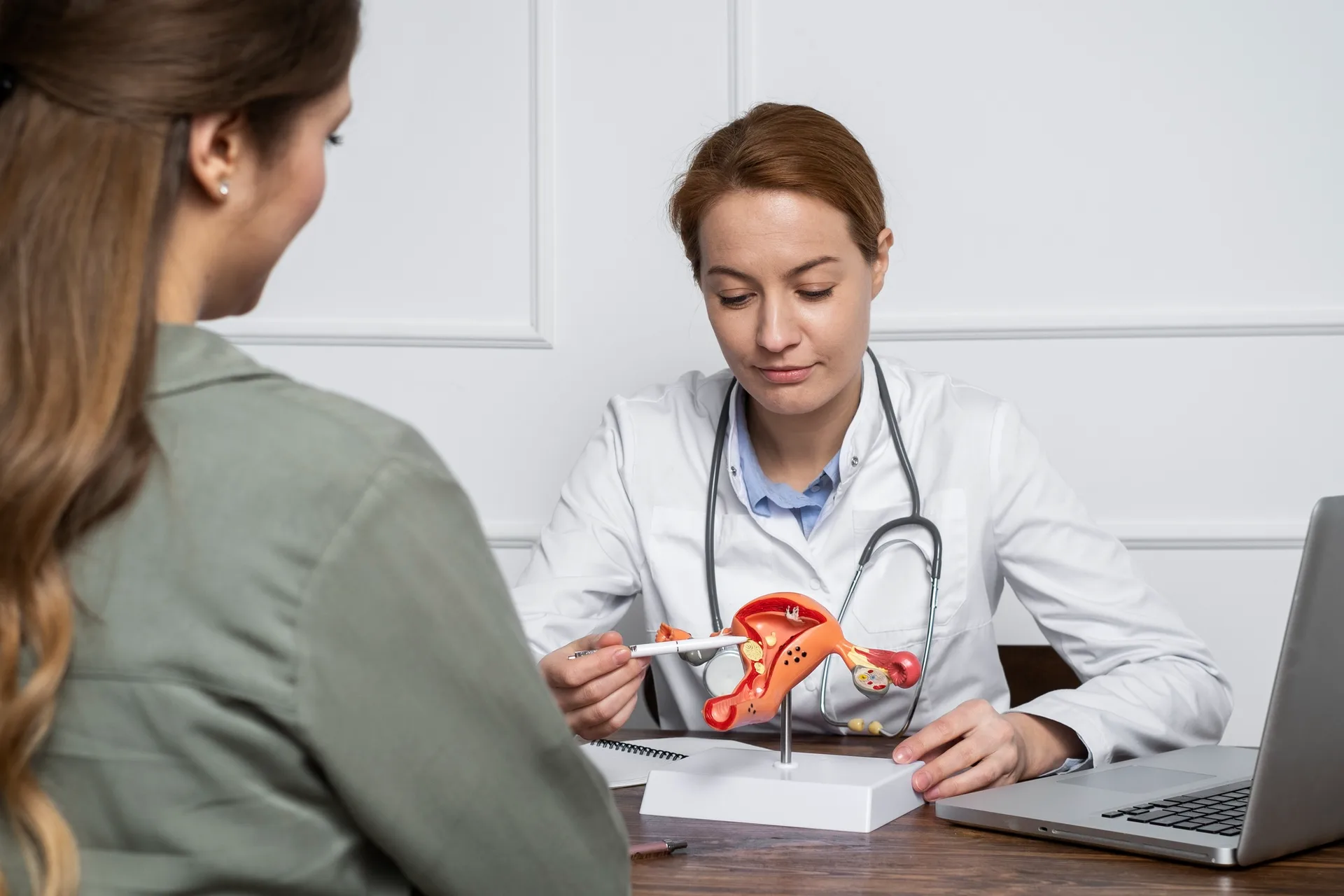
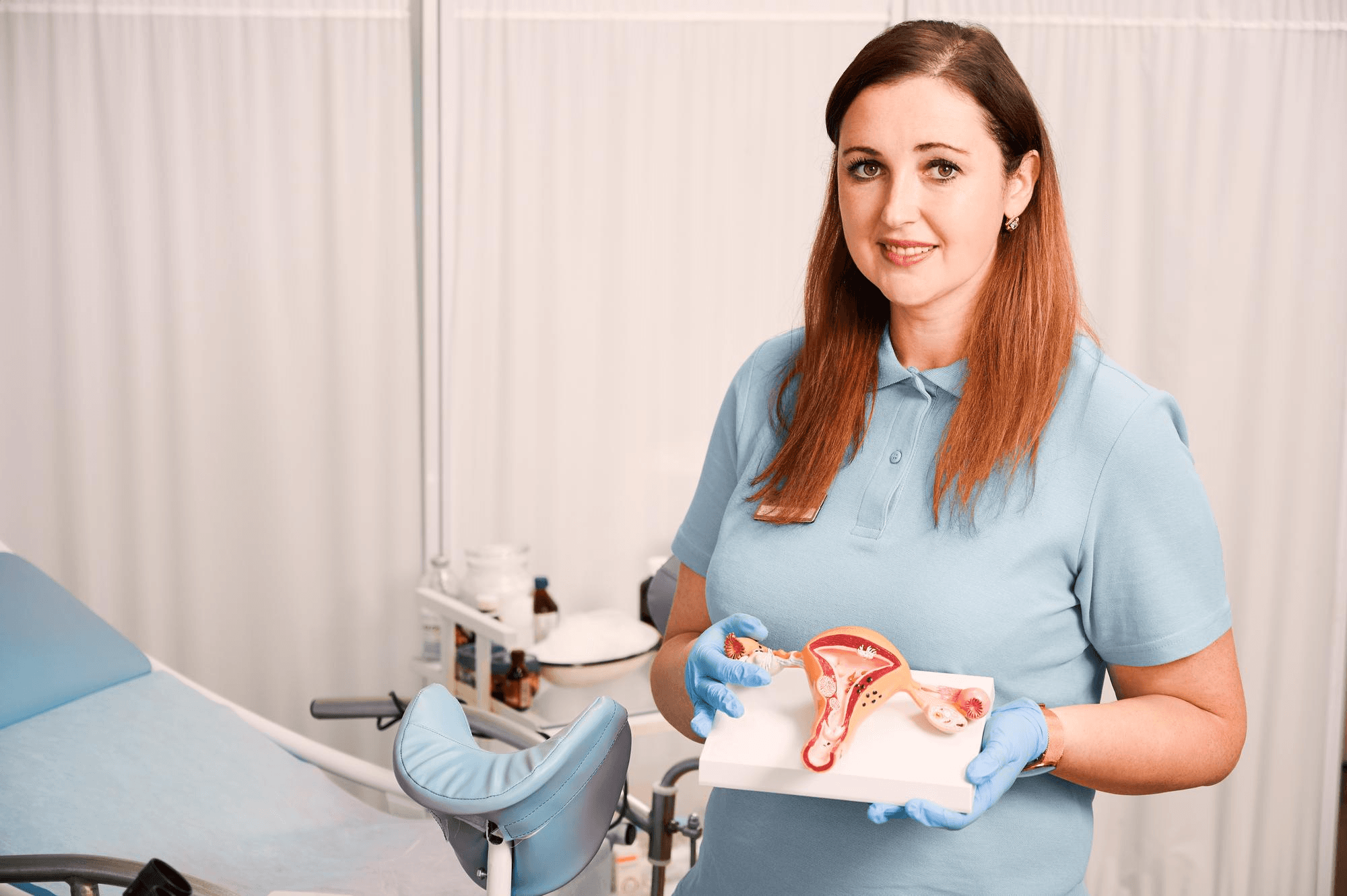
An illustration of the female reproductive organ, depicting the process of menstruation.
Every woman has a sense of what her period is like. For most women, their pattern is consistent — roughly the same duration, roughly the same flow, manageable with the same number of pads or tampons each cycle.
When that pattern changes — when periods become heavier than they used to be, last longer, produce larger clots, or leave a woman exhausted, anaemic, and planning her week around access to bathroom facilities — something has changed that deserves investigation.
Heavy periods, medically termed menorrhagia, are one of the most common gynaecological complaints in India. A significant proportion of Indian women with heavy periods are anaemic. Many have had the symptom for years without receiving a diagnosis or treatment because they were told heavy periods are normal. They are not — not at a level that affects daily functioning, causes iron deficiency, or represents a change from a woman's own previous pattern.
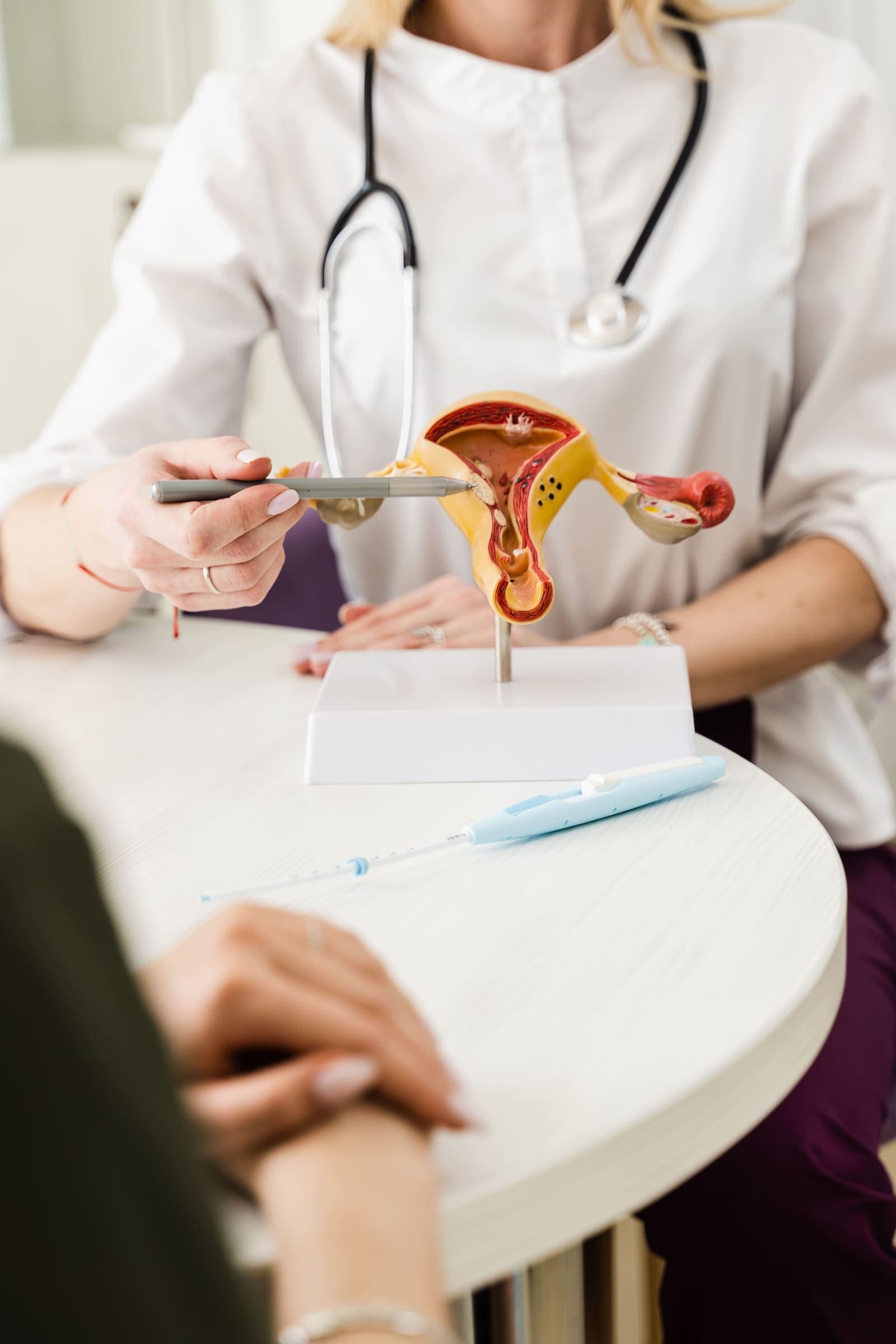
Dr. Shachi Singh, consultant gynaecologist at Prakash Hospital, Sector 33, Noida, explains what defines heavy periods, what causes them, which investigations find the cause, and what the treatment options are.
What Makes a Period "Heavy"?
Medically, menorrhagia is defined as blood loss exceeding 80 ml per menstrual cycle — about three times the average menstrual loss of 30 to 40 ml. But measuring blood loss in millilitres is not practical in daily life.
More practically, periods are considered heavy if they involve:
- Soaking through a pad or tampon every 1 to 2 hours for several consecutive hours
- Passing blood clots larger than a 10-rupee coin
- Periods lasting longer than 7 days
- Needing to change pads or tampons during the night
- Restricting normal activities — missing work, school, or social commitments because of bleeding
- Symptoms of anaemia — fatigue, weakness, shortness of breath, dizziness, pale skin — that are likely related to monthly blood loss
It is also important to note: a period that was always this way is different from a period that has become this way. Progressive worsening of menstrual flow — cycles that were manageable two years ago and are now significantly heavier — points toward a developing underlying cause.
Causes of Heavy Periods
Heavy periods are never a diagnosis in themselves — they are a symptom with an underlying cause. Finding the cause is what directs the treatment.
Uterine Fibroids
The most common identifiable cause of heavy periods in Indian women. Fibroids — non-cancerous growths in the uterine muscle — increase the surface area of the uterine lining and affect the contractility of the uterine muscle during menstruation. Submucosal fibroids (projecting into the uterine cavity) cause the most significant bleeding.
Adenomyosis
Endometrial tissue growing within the uterine muscle wall. Causes both heavy periods and significant dysmenorrhoea. The uterus is typically enlarged and tender on examination. Often coexists with fibroids and endometriosis.
Endometrial Polyps
Small growths on the uterine lining. Even small polyps can cause significantly increased menstrual flow and intermenstrual spotting. Diagnosed on ultrasound (particularly saline infusion sonography) or hysteroscopy, and removed hysteroscopically.
Hormonal Imbalance
An imbalance between oestrogen and progesterone can cause the uterine lining to become thicker than normal (endometrial hyperplasia), leading to heavier bleeding. This is common in:
- PCOS — irregular cycles with prolonged oestrogen exposure
- Perimenopause — fluctuating oestrogen without consistent progesterone from ovulation
- Thyroid disorders — both hypothyroidism and hyperthyroidism disrupt the hormonal balance, affecting the endometrium
Thyroid Disorders
Hypothyroidism (underactive thyroid) is directly associated with heavy, prolonged menstrual bleeding. The mechanism involves the thyroid hormone's role in regulating coagulation factors and endometrial shedding. Testing TSH is a standard part of heavy period investigation.
Endometriosis
Endometriosis can cause increased menstrual flow, though it is more characteristically associated with painful periods. When heavy periods and severe dysmenorrhoea coexist, endometriosis should be specifically considered.
Coagulation Disorders
Approximately 10 to 15% of women presenting with heavy periods from adolescence have an underlying bleeding disorder — most commonly Von Willebrand disease, the most common inherited coagulation disorder. This is significantly underdiagnosed in India. Women who have had heavy periods since their first menstrual cycle, have easy bruising, or have family members with similar bleeding history warrant coagulation screening.
Intrauterine Device (Copper IUD)
The copper IUD can significantly increase menstrual blood loss — sometimes by 50% — in women who previously had lighter periods. Heavy periods developing after IUD insertion are a recognised side effect of the copper IUD specifically (not hormonal IUDs).
Endometrial Hyperplasia and Endometrial Cancer
Abnormal thickening of the uterine lining (hyperplasia) causes heavy and irregular bleeding. In postmenopausal women, any bleeding is abnormal and must be investigated for endometrial cancer. In perimenopausal women, new onset of significantly heavy or irregular bleeding also warrants endometrial assessment.
Investigations: Finding the Cause
Transvaginal Ultrasound
The most important first investigation. Identifies fibroids (size, number, location), adenomyosis (heterogeneous myometrium), polyps, endometrial thickness, and ovarian abnormalities.
Saline Infusion Sonography (SIS) / Hysterosonography
Ultrasound with saline instilled into the uterine cavity dramatically improves visualisation of the uterine cavity, polyps, and submucosal fibroids compared to standard ultrasound. Often done as part of a heavy period investigation when standard ultrasound is inconclusive.
Blood Tests
- Complete Blood Count (CBC): Haemoglobin to assess anaemia, platelet count
- Iron studies: Serum ferritin to assess iron stores (often depleted before haemoglobin falls)
- Thyroid function (TSH): Thyroid disorder is a treatable cause of menorrhagia
- Coagulation screen: When there is a history of heavy periods since adolescence or a family history of bleeding disorders
Endometrial Biopsy
A small tissue sample from the uterine lining, taken in the clinic without general anaesthesia, to assess for endometrial hyperplasia or malignancy. Recommended for:
- Women over 45 with new onset heavy or irregular bleeding
- Perimenopausal women with prolonged irregular bleeding
- Any woman with risk factors for endometrial cancer (obesity, PCOS, diabetes, tamoxifen use)
Hysteroscopy
Direct visualisation of the uterine cavity using a thin camera through the cervix. The most accurate method for identifying polyps, submucosal fibroids, and intrauterine adhesions. Can be diagnostic and operative simultaneously — polyps and small fibroids removed at the same procedure.
Treatment Options for Heavy Periods
Treatment depends on the underlying cause, the woman's age, her desire to preserve fertility, and her preference.
Medical Treatment
NSAIDs (Mefenamic acid, ibuprofen): Reduce menstrual blood loss by approximately 20 to 35% and also relieve dysmenorrhoea. First-line option for women without an identified structural cause, particularly those who want to avoid hormones.
Tranexamic acid: An antifibrinolytic — it reduces bleeding by inhibiting clot breakdown in the uterus. Reduces menstrual blood loss by 40 to 50%. Taken only during the period, not throughout the cycle. Very effective and safe.
Combined oral contraceptive pill (OCP): Regulates cycles and reduces menstrual blood loss significantly — often by 40 to 50%. Also provides contraception. Suitable for women who do not have contraindications.
Progestins: Norethisterone (oral progestin) taken in the second half of the cycle suppresses the endometrial lining and reduces bleeding. Also available as longer-acting depot injections.
Levonorgestrel-releasing IUS (Mirena): One of the most effective medical treatments for heavy periods. The intrauterine device releases a small amount of progestin locally, causing the uterine lining to thin dramatically. Most women experience significantly reduced periods within 3 to 6 months; many have no periods at all. Also provides effective contraception. Particularly recommended for adenomyosis-related heavy bleeding.
GnRH analogues: Used short-term (3 to 6 months) — before surgery to shrink fibroids, or to build up haemoglobin before surgical treatment in severely anaemic women.
Iron supplementation: Essential for women who are anaemic from chronic blood loss. Oral ferrous sulphate or ferrous ascorbate with Vitamin C for absorption. IV iron infusion for severe anaemia when surgery is planned.
Surgical Treatment
Hysteroscopic polypectomy/myomectomy: Removal of polyps or submucosal fibroids through the cervix, without abdominal incisions. Day procedure. Highly effective for heavy bleeding caused by these specific lesions.
Endometrial ablation: Destruction of the uterine lining using heat, electrical energy, or other modalities. Effective for reducing or eliminating periods in women who have completed their family and have no uterine structural abnormality. Not suitable for women who want future pregnancy.
Laparoscopic myomectomy: Removal of intramural or subserosal fibroids through laparoscopic incisions, preserving the uterus. Appropriate for younger women with significant fibroids who want to maintain fertility.
Laparoscopic hysterectomy (TLH): Definitive treatment — removes the uterus entirely, permanently ending periods and eliminating recurrence risk. Appropriate for women who have completed their family and have heavy bleeding from conditions (large fibroids, adenomyosis) not amenable to other surgical approaches. Recovery significantly faster from laparoscopic than open hysterectomy.
Heavy Periods and Anaemia — The Cycle That Must Be Broken
Iron deficiency anaemia from chronic menstrual blood loss is one of the most common and most undertreated conditions in Indian women. A woman losing 80+ ml of blood per month — sometimes far more — has a significantly greater iron requirement than normal, and Indian dietary iron intake rarely compensates.
The result is a slowly progressive anaemia that leads to chronic fatigue, exercise intolerance, cognitive fog, reduced immunity, hair thinning, and breathlessness — all of which are attributed to "stress" or "lifestyle" while the real cause (monthly blood loss) continues unaddressed.
Testing haemoglobin and ferritin — and treating anaemia as actively as the underlying heavy bleeding cause — is an essential part of heavy period management.
Heavy Period Care in Noida and Greater Noida
Dr. Shachi Singh at **Prakash Hospital, Sector 33, Noida, provides full investigation and management of heavy periods for women across Noida and Greater Noida — including ultrasound assessment, endometrial biopsy, hysteroscopy, medical treatment, laparoscopic fibroid removal, Mirena IUS insertion, and laparoscopic hysterectomy when indicated.
If your periods are affecting your quality of life, causing anaemia, or worsening progressively — this is exactly the conversation to have at a gynaecological consultation.
To book a consultation with Dr. Shachi Singh, call: +91 97023 46853
Clinic Hours: Monday to Saturday, 9 AM – 6 PM | Sunday, 10 AM – 2 PM
Clinic Address: D-12A, 12B, Sector-33, G.B. Nagar, Noida, Uttar Pradesh 201301
Frequently Asked Questions
How do I know if my periods are too heavy?
If you are soaking a pad every 1 to 2 hours for several hours, passing clots larger than a 10-rupee coin, bleeding for more than 7 days, or if your periods are restricting your daily activities — they are heavy enough to investigate. Any progressive worsening of your previously normal pattern also warrants evaluation.
Do heavy periods always mean fibroids?
No — fibroids are one cause, but there are many others, including adenomyosis, polyps, hormonal imbalance, thyroid disorders, and coagulation disorders. A proper investigation (ultrasound, blood tests) identifies the specific cause and guides the right treatment.
Can heavy periods be treated without surgery?
Yes — in many cases. Medical options (tranexamic acid, combined pill, Mirena IUS) are effective for many women. The Mirena IUS in particular provides a 40 to 80% reduction in blood loss in most women and eliminates periods in many. Surgery is considered when medical treatment is insufficient or when the underlying cause (large fibroids, uterine polyp) is better addressed surgically.
Is anaemia from heavy periods serious?
Yes. Chronic iron deficiency anaemia from heavy periods causes fatigue, weakness, reduced cognitive function, reduced immunity, and, in pregnancy, serious complications. It should be investigated, treated, and the underlying cause addressed — not simply tolerated as "normal tiredness."
This blog is written for educational and informational purposes only. Please consult Dr. Shachi Singh or a qualified gynaecologist for assessment and treatment specific to your situation.